Genres
Artists
Albums
Make Music
Sign in
Sign in
Artists
Kwassa Kwassa
Artists
Kwassa Kwassa
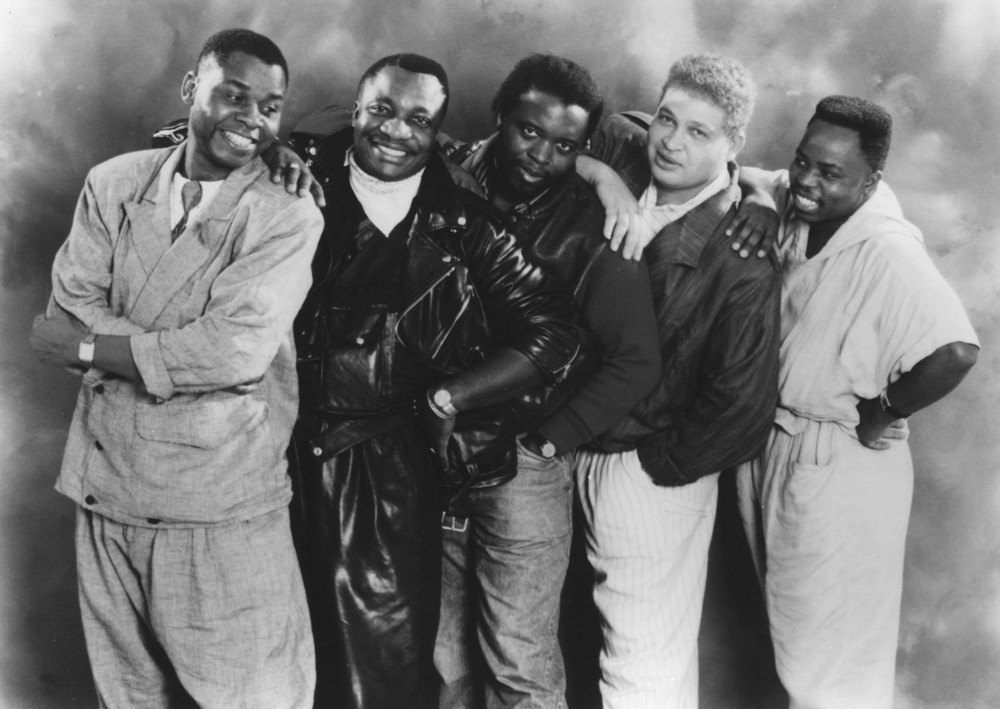
Kanda Bongo Man
1981–2018
·
9 albums
Listen
3
/5
Genres
Bongopiano
Bongopiano is a contemporary Tanzanian fusion that combines the mellow, percussive house grooves of South Africa’s amapiano with the melodic songwriting and Swahili pop/hip‑hop sensibilities of Bongo Flava. The style typically features log‑drum basslines, swung shaker patterns, airy keys and pads, and prominent hand percussion (bongos/congas), while vocals lean toward catchy, romantic hooks and call‑and‑response choruses. Compared to classic amapiano, bongopiano places stronger emphasis on topline melodies and pop structure, reflecting East Africa’s mainstream taste. The result is smooth, dance‑friendly music at mid‑tempo, equally at home in clubs and on radio, bridging regional house aesthetics with Tanzanian pop lyricism.
Discover
Listen
Channel Pop
Channel pop is a digital-era strain of mainstream pop shaped by video and creator platforms—especially YouTube and later TikTok and Instagram—where artists build audiences through frequent uploads on their own “channels.” Musically it favors intimate, highly polished but close-mic’d vocals, acoustic guitar or piano-led arrangements, restrained beats, and succinct, playlist-friendly structures. Many releases are cover-first (reimagining recent chart hits) with a steady flow of glossy singles, session-style performances, and creator collaborations that gradually blend into original material. Titles, artwork, and release cadence are optimized for search and recommendation algorithms, yielding a sound that is simultaneously personal and platform-aware.
Discover
Listen
Afropop
Afropop is a modern, pan‑African pop style that blends West and Central African rhythmic traditions with global pop, R&B, hip hop, dancehall, and electronic production. It favors catchy toplines, call‑and‑response hooks, bright guitar licks inspired by highlife and soukous, and mid‑tempo grooves designed for dancing. Songs are often multilingual, moving fluidly between English or French and local languages or pidgins, while lyrics center on romance, joy, aspiration, and celebration. Production commonly uses syncopated percussion, warm sub‑bass, plucky synths or marimbas, and clean, melodic vocals (often with tasteful Auto‑Tune), resulting in an upbeat, accessible sound with unmistakably African groove and feel.
Discover
Listen
Ndombolo
Ndombolo (also spelled dombolo) is a high‑energy Congolese dance music born from the 1990s soukous scene. It accelerates the classic Congolese rumba/soukous template, pushing the tempo, sharpening the rhythmic drive, and foregrounding hip‑swaying, pelvis‑led dance moves. Musically, ndombolo is marked by propulsive drum‑kit and conga patterns, bright interlocking electric guitars that launch into long, fast seben breaks, elastic bass lines, and catchy call‑and‑response vocals—often in Lingala with French catchphrases. Atalaku (hype‑men) add spirited shouts and dance commands that stoke the crowd. The overall sound is upbeat, percussion‑driven, and tailor‑made for the dancefloor. By the mid‑1990s and 2000s the style dominated clubs across Central, Eastern, and parts of Western Africa, becoming a pan‑African dance craze and a reference point for subsequent urban dance‑pop styles.
Discover
Listen
Kwassa Kwassa
Kwassa kwassa is a fast, dance‑driven strain of Congolese soukous that surged in the late 1980s. Named after a hugely popular dance from Kinshasa—created by a local mechanic known as Jeanora—the style pairs back‑and‑forth hip movements (hands following the hips) with an accelerated, joyful rumba‑derived groove. Musically, kwassa kwassa emphasizes brisk 4/4 tempos, effervescent interlocking guitars (lead/mi‑solo/rhythm) riding extended sebene sections, bright percussion or drum machines, buoyant bass lines, and call‑and‑response vocals. It became a pan‑African dance craze and a staple of Congolese diaspora scenes in Paris and beyond.
Discover
Listen
Champeta
Champeta is an Afro‑Colombian dance music born in the Caribbean coast around Cartagena and Barranquilla, emerging from the picó (sound‑system) culture that blasted imported African LPs at street parties. It translates the kinetic guitar lines and call‑and‑response spirit of Congolese soukous, highlife, and makossa into a distinctly coastal Colombian groove. Built on bright, interlocking electric‑guitar ostinatos (often in a sebene style), rubbery bass, and hand percussion, champeta favors hypnotic two‑chord vamps, catchy choruses, and playful, often streetwise lyrics delivered in Spanish and, at times, Palenquero. Since the 2000s, the style’s “champeta urbana” wave has folded in drum‑machine kicks, synth hooks, and club sonics while keeping the joyous, communal energy of the picó plaza.
Discover
Listen
Zouk
Zouk is a high-energy dance music that originated in the French Caribbean (Guadeloupe and Martinique) in the early 1980s, crystallized by the band Kassav’. It blends Haitian compas (kadans) with local folk rhythms and the glossy production aesthetics of disco, funk, and early electronic pop. Early “zouk béton” emphasized driving, tightly arranged rhythms, bright synth-brass stabs, and call-and-response vocals. A slower, smoother branch known as “zouk love” followed, foregrounding romantic lyrics, silky harmonies, and sensual grooves. Sung primarily in Antillean Creole and French, zouk is both a party soundtrack and a cultural statement of Caribbean identity.
Discover
Listen
Soukous
Soukous is a high-energy dance music that evolved in the Congolese region (Kinshasa–Brazzaville) from Congolese rumba and Afro‑Cuban styles. It is defined by interlocking electric guitars, buoyant bass lines, bright horn stabs, and long, fast "sebene" instrumental sections designed for dancing. Vocals are often in Lingala with French interjections, and themes frequently revolve around romance, urban life, and social commentary. The music emphasizes forward motion and joyful release, pairing Afro‑Cuban rhythmic logic (clave-informed phrasing) with signature Congolese guitar picking that creates a shimmering, cascading texture.
Discover
Listen
Central African Music
Central African music is an umbrella term for the traditional and popular styles that emerged in and around the Congo Basin, including today’s Democratic Republic of the Congo, Republic of the Congo, Central African Republic, Cameroon, Gabon, Equatorial Guinea, and parts of Chad and Angola. It blends deep-rooted forest and Bantu musical practices—polyphonic vocal traditions, call-and-response singing, interlocking rhythms, slit- and frame-drum ensembles, thumb pianos (likembe/sanza), and xylophones—with urban dance-band instrumentation and Latin/Caribbean influences brought by early records from Cuba. In the mid‑20th century these elements crystallized in highly influential guitar-led dance musics (notably Congolese rumba and, later, soukous/ndombolo), alongside Cameroonian scenes such as makossa and bikutsi. Signature traits include buoyant, cyclical grooves; bright, interlocking guitar parts (the sebene); syncopated bass ostinatos; bell and shaker time-lines; and exuberant call-and-response vocals in languages such as Lingala, French, Sango, Duala, and others. The result ranges from tender, romantic rumba ballads to fast, ecstatic dance pieces that dominate social life and regional club culture.
Discover
Listen
Congolese Rumba
Congolese rumba (often called African rumba) is a danceable, guitar-driven popular music that emerged in Kinshasa and Brazzaville after World War II. It blends Afro‑Cuban son and bolero harmonies with Central African rhythmic sensibilities and call‑and‑response vocals. Typical recordings feature interlocking electric guitars (rhythm, mi‑solo and lead) playing lilting, cyclical figures over a steady, clave‑informed groove, buoyed by congas, maracas, cowbell, bass tumbao, and occasional horns. Songs frequently move from a lyrical, crooning verse into an extended instrumental vamp called the “sebene,” where the band raises the energy for dancers. Lyrically, Congolese rumba often uses Lingala (and sometimes French), celebrating romance, urban life, and social themes with suave vocal harmonies and a refined sense of melody.
Discover
Listen
Rumba
Rumba is an Afro‑Cuban, percussion‑driven song‑and‑dance genre that arose in the port neighborhoods and solares of Havana and Matanzas. It features complex interlocking rhythms played on congas (tumbadora, segundo, quinto), claves, and palitos, with the quinto drum improvising over cyclical patterns. The music is built around the rumba clave (in 3‑2 or 2‑3 orientation), call‑and‑response vocals, and a lead singer who declaims verses followed by catchy coros. Three principal styles exist: yambú (slow, playful), guaguancó (medium, flirtatious, with the iconic "vacunao" gesture in the dance), and columbia (fast, virtuosic, traditionally for solo male dancers). Historically performed with cajones (wooden boxes) when drums were restricted, rumba is a secular, community practice whose poetry, dance, and rhythm encode Afro‑Cuban history and identity. It is distinct from ballroom "rhumba" and from Congolese rumba, both of which were influenced by Cuban music rather than being the same style.
Discover
Listen
Show all 11 genres
Albums
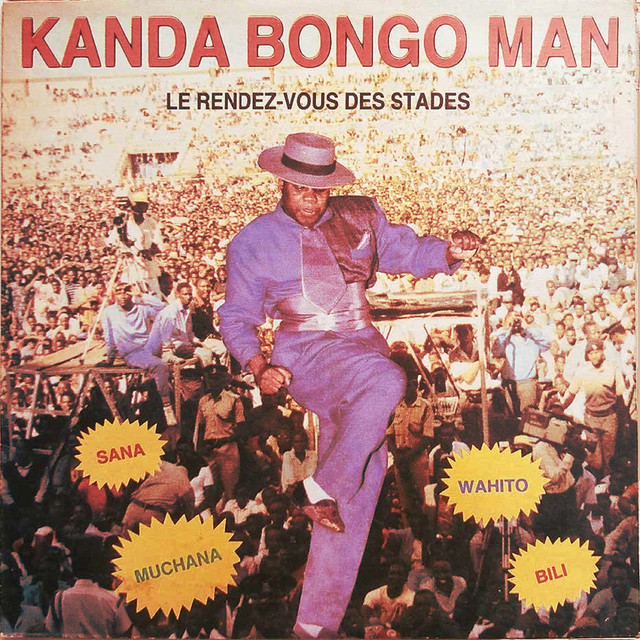
2018
3
/5
Le rendez-vous des stades
Kanda Bongo Man
Kwassa Kwassa
Soukous
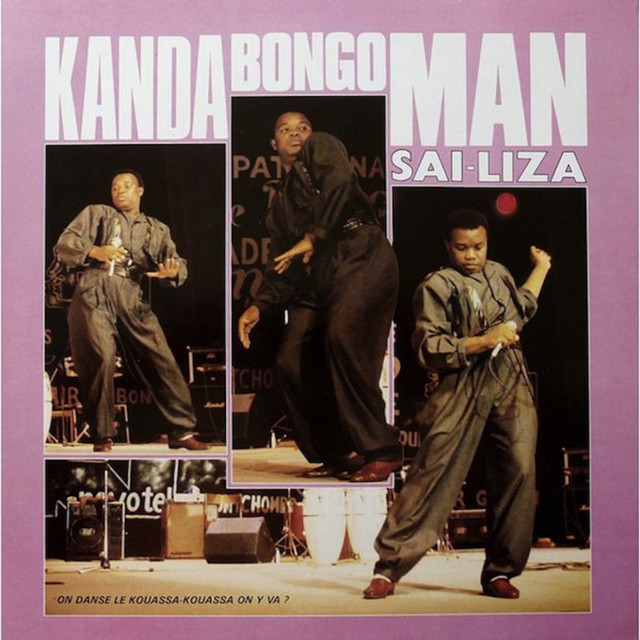
2018
2
/5
Sai-Liza
Kanda Bongo Man
Kwassa Kwassa
Soukous
1991
2
/5
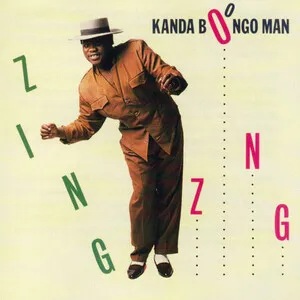
Zing Zong
Kanda Bongo Man
Kwassa Kwassa
Soukous
1985
1
/5
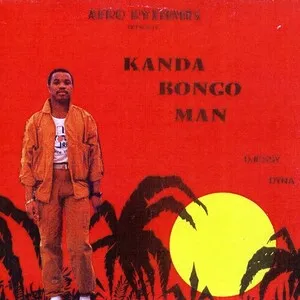
Djessy dyna
Kanda Bongo Man
Kwassa Kwassa
Soukous
Rumba
1981
1
/5
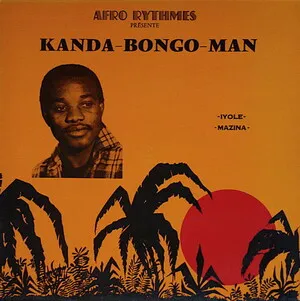
Iyole
Kanda Bongo Man
Kwassa Kwassa
Soukous
Central African Music
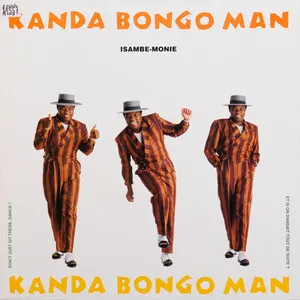
Isambe-Monie
Kanda Bongo Man
Kwassa Kwassa
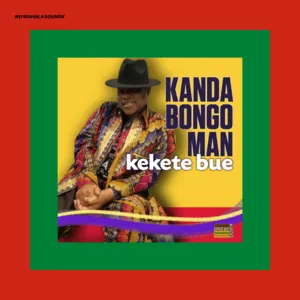
Kekete Bue
Kanda Bongo Man
Kwassa Kwassa
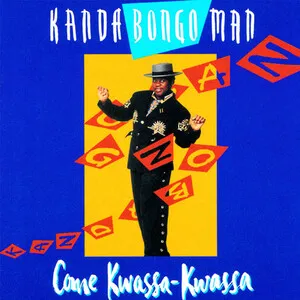
Come Kwassa-Kwassa
Kanda Bongo Man
Kwassa Kwassa
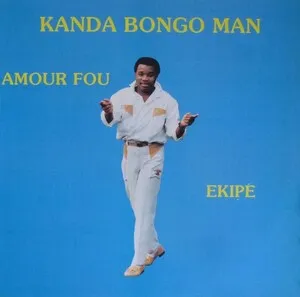
Amour fou - Ekipé
Kanda Bongo Man
Kwassa Kwassa
Similar artists
2
/5
Loketo
Champeta
Congolese Rumba
Ndombolo
2
/5
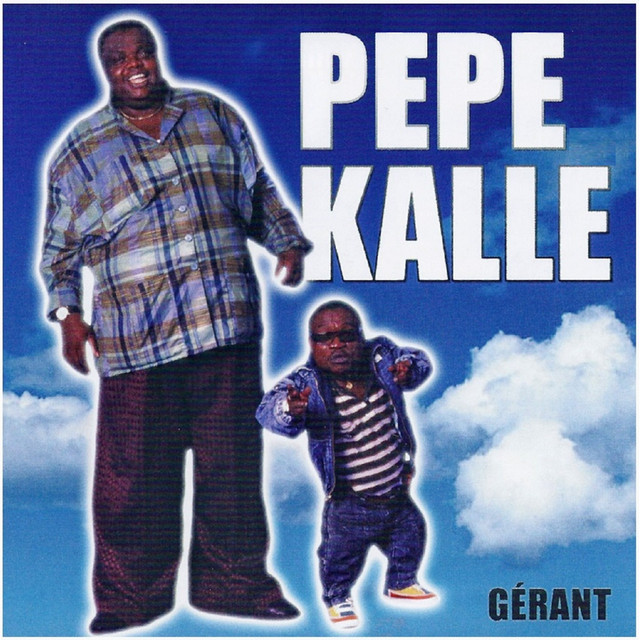
Pepe Kalle
Azonto
Champeta
Congolese Rumba
3
/5
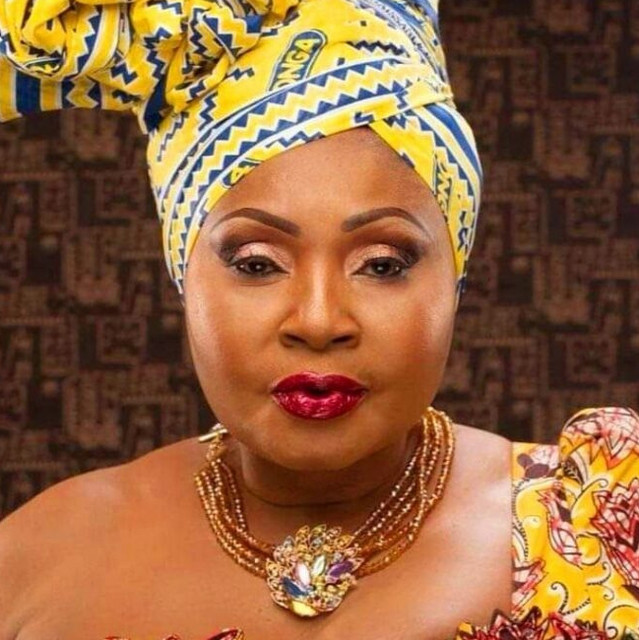
Mbilia Bel
Soukous
Champeta
Congolese Rumba
3
/5
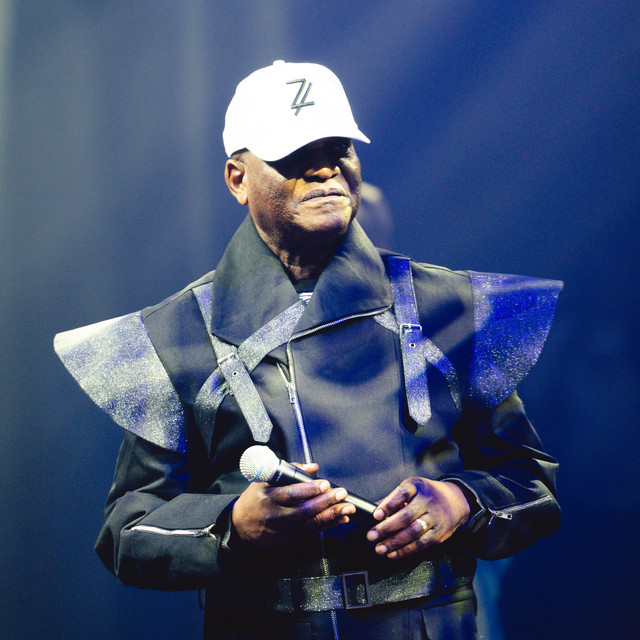
Koffi Olomide
Soukous
Congolese Rumba
Ndombolo
2
/5
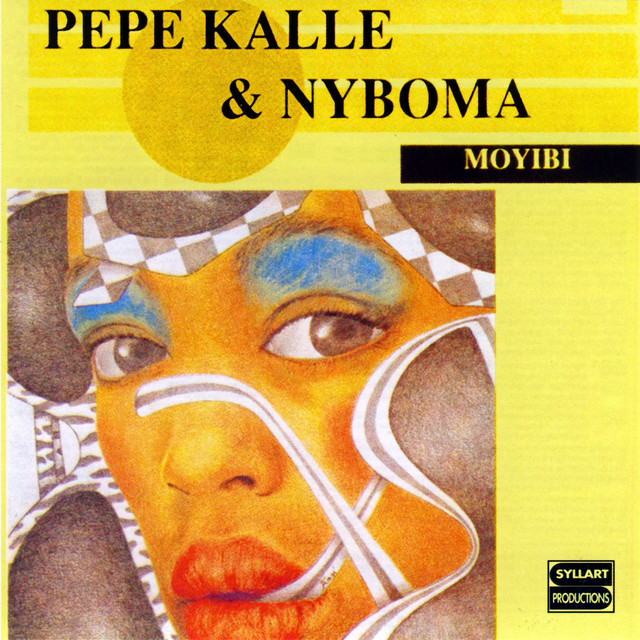
Nyboma
Soukous
Champeta
Congolese Rumba
3
/5
Zaïko Langa Langa
Azonto
Champeta
Congolese Rumba
2
/5
Sam Mangwana
Marrabenta
Champeta
Congolese Rumba
2
/5
Aurlus Mabélé
Champeta
Congolese Rumba
Ndombolo
2
/5
Diblo Dibala
Champeta
Congolese Rumba
Ndombolo
2
/5
Pompom Kuleta
Champeta
Congolese Rumba
Ndombolo
Download our mobile app
Get the Melodigging app and start digging for new genres on the go
Download on the App Store
Get it on Google Play
© 2026 Melodigging
Give feedback
Legal
Melodding was created as a tribute to
Every Noise at Once
, which inspired us to help curious minds keep digging into music's ever-evolving genres.