Genres
Artists
Albums
Make Music
Sign in
Sign in
Artists
Rock
Artists
Rock
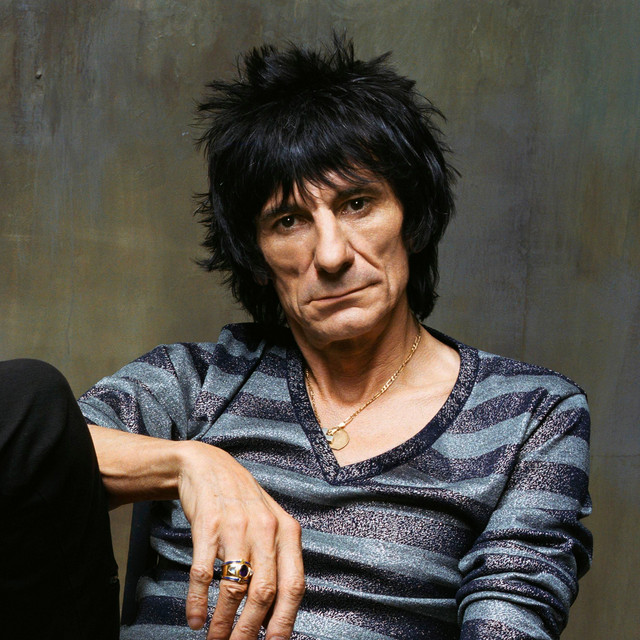
Ronnie Wood
1979
·
1 album
Listen
3
/5
Genres
Chill Pop
Chill pop is a contemporary pop micro‑genre that blends radio‑friendly songwriting with the mellow textures of chillout and lo‑fi aesthetics. It favors soft vocals, smooth synths, clean guitar plucks, understated bass, and relaxed, mid‑tempo grooves. Instead of big, bombastic hooks, chill pop tends toward intimate, conversational melodies and minimal, airy arrangements. Production often borrows from bedroom pop and alternative R&B—subtle trap hi‑hats, warm saturation, roomy reverbs, and gentle side‑chain compression—to create a breezy, pastel sound palette well suited to playlists and late‑night listening. Lyrically, chill pop is introspective and relatable: romance, longing, gentle optimism, and coming‑of‑age themes delivered in a plain‑spoken, whisper‑close tone. The result sits between indie pop’s understated cool and mainstream pop’s catchy structures, optimized for the streaming era’s mood‑driven consumption.
Discover
Listen
Boogie Rock
Boogie rock is a riff-driven, blues-rooted form of rock built on a swinging “boogie” shuffle feel. It emphasizes propulsive eighth-note grooves, gritty guitars, and road-tested songcraft that invites dancing as much as head-nodding. Typically mid-tempo and rooted in 12‑bar blues or I–IV–V progressions, boogie rock favors tight rhythms, repetitive hooky riffs, and earthy vocals. Its sound sits between classic rock and blues rock: hard-edged enough for arenas, but loose and shuffly like a bar-band jam.
Discover
Listen
Blues Rock
Blues rock is a guitar-driven style that fuses the raw feeling and 12‑bar structures of the blues with the power, volume, and rhythmic punch of rock. It emphasizes riff-based songs, pentatonic and blues-scale soloing, call‑and‑response between voice and guitar, and an expressive, often gritty vocal delivery. Typical ensembles are power trios (guitar, bass, drums) or quartet formats adding second guitar, keyboards, or harmonica, and performances commonly feature extended improvisation. Sonically, it favors overdriven tube-amp tones, sustained bends, vibrato, and dynamic contrasts, moving from shuffles and boogies to straight‑eighth rock grooves.
Discover
Listen
British Rhythm & Blues
British rhythm & blues is the United Kingdom’s early-1960s reinterpretation of American rhythm and blues and electric Chicago blues, performed by beat-era groups with louder amplification, a tougher backbeat, and club-ready energy. The style centers on electric guitar riffs, harmonica leads, driving bass-and-drum grooves, and raw, sometimes shouted vocals. Repertoires leaned heavily on covers of Chess and Vee-Jay artists (Muddy Waters, Howlin’ Wolf, Bo Diddley, Chuck Berry) alongside original songs built from I–IV–V blues frameworks. It is tightly linked to London’s club circuit and the mod scene, where fast tempos, stomping shuffles, and an emphasis on danceable grooves defined the sound. Compared to American R&B and blues, British R&B is generally more aggressive and amplified, foregrounding attack, repetition, and live immediacy. It became a springboard for blues rock, psychedelic rock, hard rock, and eventually the UK pub-rock to punk lineage.
Discover
Listen
Rock
Rock is a broad family of popular music centered on amplified instruments, a strong backbeat, and song forms that foreground riffs, choruses, and anthemic hooks. Emerging from mid‑20th‑century American styles like rhythm & blues, country, and gospel-inflected rock and roll, rock quickly expanded in scope—absorbing folk, blues, and psychedelic ideas—while shaping global youth culture. Core sonic markers include electric guitar (often overdriven), electric bass, drum kit emphasizing beats 2 and 4, and emotive lead vocals. Rock songs commonly use verse–chorus structures, blues-derived harmony, and memorable melodic motifs, ranging from intimate ballads to high‑energy, stadium‑sized performances.
Discover
Listen
Blues
Blues is an African American musical tradition defined by expressive "blue notes," call-and-response phrasing, and a characteristic use of dominant-seventh harmony in cyclical song forms (most famously the 12‑bar blues). It is as much a feeling as a form, conveying sorrow, resilience, humor, and hard-won joy. Musically, blues commonly employs the I–IV–V progression, swung or shuffled rhythms, and the AAB lyric stanza. Melodies lean on the minor/major third ambiguity and the flattened fifth and seventh degrees. Core instruments include voice, guitar (acoustic or electric), harmonica, piano, bass, and drums, with slide guitar, bends, and vocal melismas as signature techniques. Over time the blues has diversified into regional and stylistic currents—Delta and Piedmont country blues, urban Chicago and Texas blues, West Coast jump and boogie-woogie—while profoundly shaping jazz, rhythm & blues, rock and roll, soul, funk, and much of modern popular music.
Discover
Listen
Albums
1979
2
/5
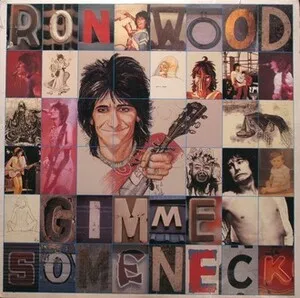
Gimme Some Neck
Ron Wood
Boogie Rock
Rock
Similar artists
5
/5
The Rolling Stones
Rock
Blues Rock
Hard Rock
4
/5
The Black Keys
Blues Rock
Modern Blues
Punk Blues
3
/5
Canned Heat
Classic Blues
Electric Blues
Blues Rock
4
/5
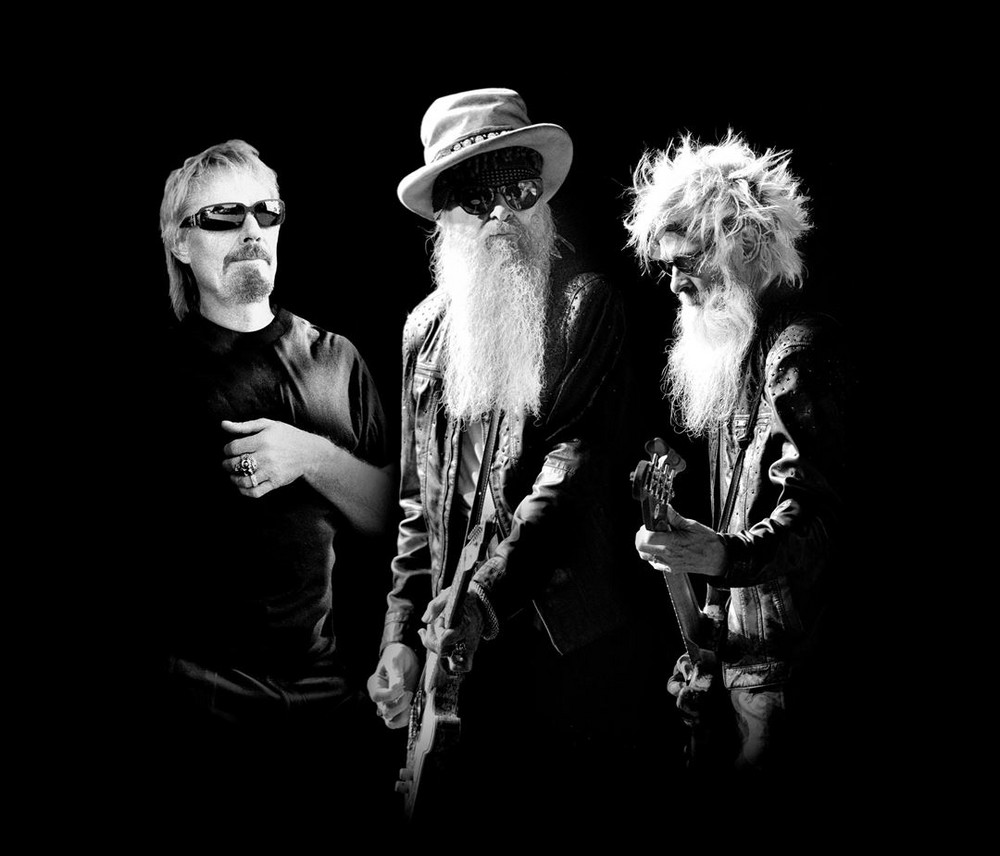
ZZ Top
Rock
Southern Rock
Blues Rock
4
/5
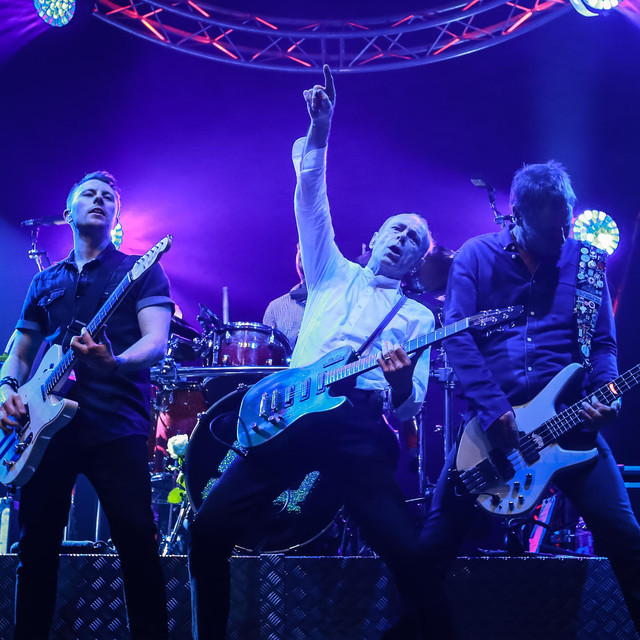
Status Quo
Boogie Rock
British Blues
Blues Rock
5
/5
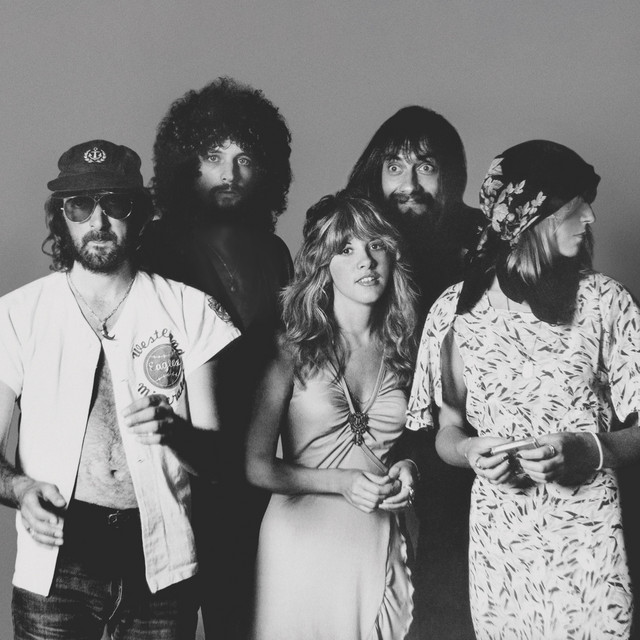
Fleetwood Mac
Rock
Soft Rock
Blues Rock
4
/5
Aerosmith
Hard Rock
Rock
Album Rock
4
/5
John Mayer
Rock
Singer-Songwriter
Neo Mellow
4
/5
Van Morrison
Folk Rock
Folk
Rock
4
/5
Jimi Hendrix
Blues Rock
Proto-Metal
Psychedelic Rock
Download our mobile app
Get the Melodigging app and start digging for new genres on the go
Download on the App Store
Get it on Google Play
© 2026 Melodigging
Give feedback
Legal
Melodding was created as a tribute to
Every Noise at Once
, which inspired us to help curious minds keep digging into music's ever-evolving genres.