Your digging level for this genre

0/8
🏆
Sign in, then listen to this genre to level up

Description

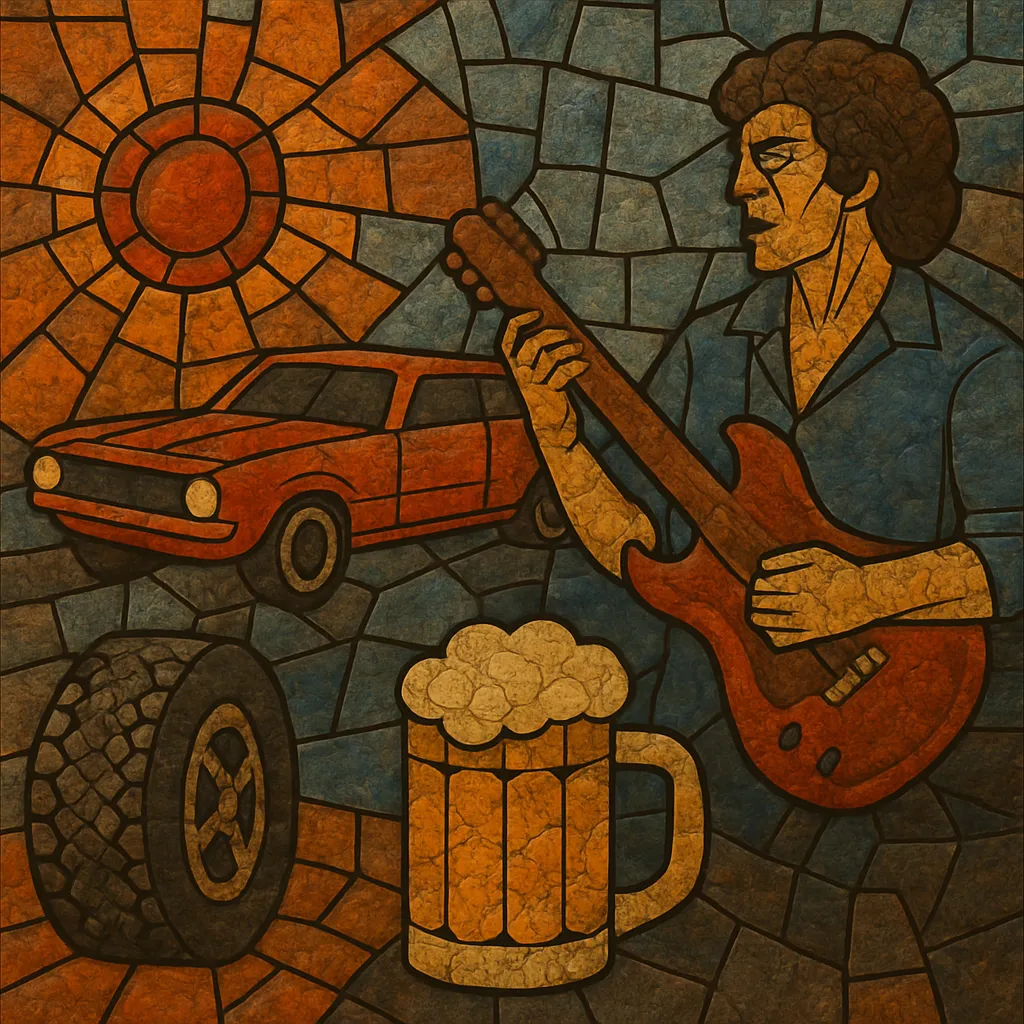
Boogie rock is a riff-driven, blues-rooted form of rock built on a swinging “boogie” shuffle feel. It emphasizes propulsive eighth-note grooves, gritty guitars, and road-tested songcraft that invites dancing as much as head-nodding.

Typically mid-tempo and rooted in 12‑bar blues or I–IV–V progressions, boogie rock favors tight rhythms, repetitive hooky riffs, and earthy vocals. Its sound sits between classic rock and blues rock: hard-edged enough for arenas, but loose and shuffly like a bar-band jam.

History

Roots (late 1960s)

Boogie rock grows out of U.S. blues and rock and roll traditions, particularly the boogie-woogie and jump-blues shuffle adapted by 1960s blues-rock bands. As electric blues toughened into blues rock, the shuffling “eight-to-the-bar” feel became a signature groove ripe for louder, riff-first treatments.

Breakout in the 1970s

In the early 1970s, British band Status Quo codified a relentless, guitar-driven boogie template, while American acts such as ZZ Top, Foghat, and Canned Heat pushed a grittier, Southern-leaning variant. Their songs took bar-band blues, tightened the grooves, added crunch, and aimed them at big stages. George Thorogood & The Destroyers popularized a no-frills, slide-tinged version that became a staple of U.S. FM rock.

Global Bar-Band DNA

The style’s danceable drive made it a natural fit for live circuits: pub rock in the U.K., bar and roadhouse scenes in the U.S., and later the Australian pub rock wave (where bands like Rose Tattoo and AC/DC carried a pronounced boogie pulse). The emphasis on simple harmonies, strong riffs, and swaggering shuffle kept it crowd-ready and enduring.

Legacy and Continued Influence

Boogie rock’s DNA—swinging backbeats, chugging riffs, bluesy pentatonics—permeates hard rock, Southern rock, and pub rock traditions. Even as production aesthetics changed, the core idea of a tight, shuffling, riff-centric groove remains a go-to language for live, high-energy rock bands.

How to make a track in this genre

Groove and Tempo
•   Aim for a swinging shuffle or boogie-woogie feel (swung eighths). Typical tempos range from about 100–140 BPM. •   Lock the drums to a solid backbeat (snare on 2 and 4) with a subtly swinging hi-hat. Keep fills economical to preserve drive.
Harmony and Riffs
•   Base songs on 12‑bar blues or simple I–IV–V progressions; mix in quick IV changes and turnarounds to add interest. •   Compose guitar riffs that outline the boogie movement (root–5th–6th–flat 7th–6th patterns). Use blues and minor pentatonic scales for fills.
Instrumentation and Tone
•   Core setup: two electric guitars (rhythm + lead), electric bass, drums; optional harmonica or barroom piano/organ. •   Guitar tones: crunchy but articulate—light-to-moderate overdrive that keeps note definition for tight chugging. •   Bass: steady ostinato that locks to the kick; double the riff or walk lightly to glue harmony and groove.
Structure and Vocals
•   Use verse–chorus formats with instrumental breaks or compact solos. Keep arrangements tight; rely on groove repetition and dynamic builds. •   Vocals are earthy and direct. Lyrical themes often revolve around cars, highways, nightlife, working-class pride, and roadhouse swagger.
Production and Performance
•   Prioritize a live, room-forward sound: minimal editing, natural drum ambience, and cohesive band interplay. •   The feel is everything—practice playing slightly behind the beat to enhance swing and keep the boogie rolling.

Top tracks

Locked
Share your favorite track to unlock other users’ top tracks
Influenced by
Has influenced
Challenges
Digger Battle
Let's see who can find the best track in this genre
© 2025 Melodigging
Melodding was created as a tribute to Every Noise at Once, which inspired us to help curious minds keep digging into music's ever-evolving genres.
Buy me a coffee for Melodigging