Genres
Artists
Albums
Make Music
Sign in
Sign in
Artists
Classic Blues
Artists
Classic Blues
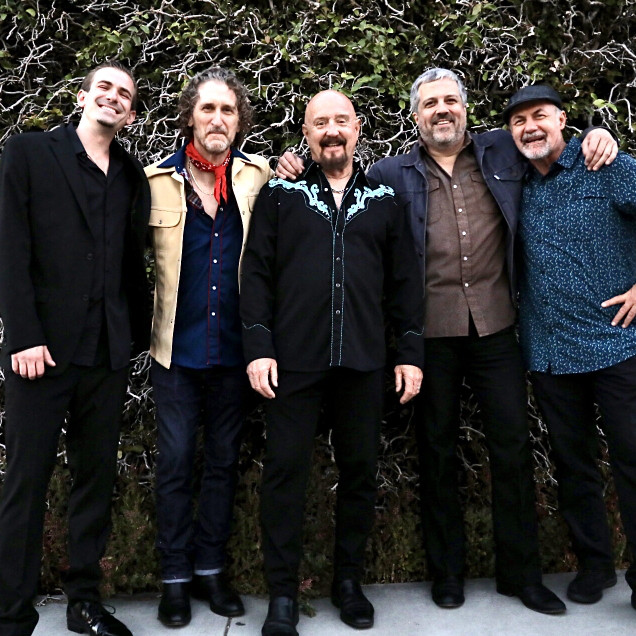
Canned Heat
1968–2024
·
6 albums
Listen
3
/5
Genres
Chill Pop
Chill pop is a contemporary pop micro‑genre that blends radio‑friendly songwriting with the mellow textures of chillout and lo‑fi aesthetics. It favors soft vocals, smooth synths, clean guitar plucks, understated bass, and relaxed, mid‑tempo grooves. Instead of big, bombastic hooks, chill pop tends toward intimate, conversational melodies and minimal, airy arrangements. Production often borrows from bedroom pop and alternative R&B—subtle trap hi‑hats, warm saturation, roomy reverbs, and gentle side‑chain compression—to create a breezy, pastel sound palette well suited to playlists and late‑night listening. Lyrically, chill pop is introspective and relatable: romance, longing, gentle optimism, and coming‑of‑age themes delivered in a plain‑spoken, whisper‑close tone. The result sits between indie pop’s understated cool and mainstream pop’s catchy structures, optimized for the streaming era’s mood‑driven consumption.
Discover
Listen
Nyc Pop
NYC pop is a contemporary, hook-forward strain of alternative pop centered on artists living and working in New York City. It blends the sheen of electropop and dance-pop with the songwriting sensibilities of indie pop and indie rock, often pairing bright synths, rhythmic guitars, and punchy drums with large, chantable choruses. Lyrically, it frequently references urban life, ambition, relationships, and self-discovery, capturing the speed, romance, and pressure-cooker energy of the city. Production is glossy but retains an indie edge: live instruments sit beside modern electronic textures, with crisp vocal stacking and ear-catching toplines designed for both radio and festival stages.
Discover
Listen
Trap Metal
Trap metal is a fusion of contemporary trap production and the aggression of metal and hardcore. It typically pairs distorted 808 bass, half‑time trap drums, and rapid hi‑hat rolls with screamed or harshly delivered vocals, down‑tuned guitar riffs (live or sampled), and industrial textures. Aesthetically, it emphasizes raw intensity, mosh‑pit energy, and abrasive sound design while retaining hip‑hop’s hook‑driven song structures and lyrical cadences. Themes often revolve around alienation, rage, nihilism, and personal struggle, delivered with a visceral, cathartic tone.
Discover
Listen
Soundclown
Soundclown is an internet-born remix and mashup style that thrives on comedic juxtaposition, bait‑and‑switch reveals, and hyper-referential sample collage. It blends pop hits, game and cartoon music, ad jingles, meme sounds, and viral speech into quick-cut audio gags. The genre developed across YouTube and SoundCloud, favoring shock humor, nostalgia, and absurdity over traditional song form. Hallmarks include sudden key/tempo whiplash, exaggerated pitch-shifts, ear‑rending “earrape” peaks, and punchline drops that transform a familiar source into something hilariously incongruent. Because it is fundamentally platform-native, soundclown is as much a memetic editing culture as a musical style. Its tracks often function like sonic shitposts: fast, punchy, and built for instant recognition and shareability.
Discover
Listen
Bossbeat
Bossbeat is an internet‑born, high‑octane branch of EDM tailored to evoke the intensity of a video‑game “boss fight.” Producers fuse modern dubstep and trap sound design with melodic, leitmotif‑driven writing borrowed from video game music and film scoring, aiming for cinematic build‑ups and explosive, riff‑like drops. Characteristic features include minor‑key motifs, fast and syncopated percussion, halftime switch‑ups, aggressive bass design (growls, reeses, metallic FM), and hybrid orchestral layers (brass stabs, choirs, epic drums). The result is music that feels both dance‑floor ready and narratively dramatic—perfect for action montages, game content, and creator culture.
Discover
Listen
Classify
Classify is a streaming-era microgenre that blends light classical technique with contemporary pop repertoire, typically presented as unobtrusive instrumental covers. It prioritizes soft dynamics, gentle tempos, and intimate recording to create a calm, elegant backdrop suitable for studying, working, or events. Most arrangements are for solo piano, string quartet, cello/piano duos, or small chamber ensembles. Harmonies remain diatonic and consonant, melodies are clearly voiced, and textures favor arpeggios, ostinati, and sustained legato lines. The overall aesthetic borrows from modern classical and new age moods while retaining the familiarity of pop song forms.
Discover
Listen
Drift
Drift is a contemporary micro-style of ambient centered on slowly evolving tonal beds, gentle tape-worn textures, and an emphasis on atmosphere over event. It favors long decays, soft-focus harmonies, and minimal or absent percussion so that sounds seem to hover and "drift" in place. Production typically blends synth pads, processed guitar, and found sounds with heavy use of reverb, delay, and subtle modulation. Compared to classic dark ambient, drift is warmer and more consonant; compared to new age, it is more textural and reductionist. The result is music designed for deep listening, sleep, study, or contemplative environments.
Discover
Listen
Boogie Rock
Boogie rock is a riff-driven, blues-rooted form of rock built on a swinging “boogie” shuffle feel. It emphasizes propulsive eighth-note grooves, gritty guitars, and road-tested songcraft that invites dancing as much as head-nodding. Typically mid-tempo and rooted in 12‑bar blues or I–IV–V progressions, boogie rock favors tight rhythms, repetitive hooky riffs, and earthy vocals. Its sound sits between classic rock and blues rock: hard-edged enough for arenas, but loose and shuffly like a bar-band jam.
Discover
Listen
Classic Rock
Classic rock is a radio-defined umbrella for mainstream, guitar-centered rock music from the mid-1960s through the 1980s. It emphasizes blues-based riffs, memorable choruses, sturdy backbeats, and prominent guitar solos, often framed by warm, analog production. Rather than being a single stylistic branch, classic rock curates a canon that spans hard rock, blues rock, folk rock, psychedelic and progressive strains, and heartland- and country-tinged rock. Albums and album-oriented rock (AOR) values—extended tracks, conceptual cohesion, and musicianship—are central to its identity. The sound evokes tube-amp crunch, Hammond organs, stacked vocal harmonies, and anthemic songwriting designed for both FM radio and the concert arena.
Discover
Listen
Blues Rock
Blues rock is a guitar-driven style that fuses the raw feeling and 12‑bar structures of the blues with the power, volume, and rhythmic punch of rock. It emphasizes riff-based songs, pentatonic and blues-scale soloing, call‑and‑response between voice and guitar, and an expressive, often gritty vocal delivery. Typical ensembles are power trios (guitar, bass, drums) or quartet formats adding second guitar, keyboards, or harmonica, and performances commonly feature extended improvisation. Sonically, it favors overdriven tube-amp tones, sustained bends, vibrato, and dynamic contrasts, moving from shuffles and boogies to straight‑eighth rock grooves.
Discover
Listen
Rock
Rock is a broad family of popular music centered on amplified instruments, a strong backbeat, and song forms that foreground riffs, choruses, and anthemic hooks. Emerging from mid‑20th‑century American styles like rhythm & blues, country, and gospel-inflected rock and roll, rock quickly expanded in scope—absorbing folk, blues, and psychedelic ideas—while shaping global youth culture. Core sonic markers include electric guitar (often overdriven), electric bass, drum kit emphasizing beats 2 and 4, and emotive lead vocals. Rock songs commonly use verse–chorus structures, blues-derived harmony, and memorable melodic motifs, ranging from intimate ballads to high‑energy, stadium‑sized performances.
Discover
Listen
Electric Blues
Electric blues is a postwar evolution of the blues that centers on amplified instruments and a compact, urban band sound. It emerged when rural blues musicians brought their music to industrial cities and adopted electric guitar, amplified harmonica, bass, drums, and piano to cut through noisy clubs. Musically, electric blues relies on 12‑bar and 8‑bar forms, dominant‑7th harmony, and a swung shuffle or boogie groove. Guitarists use string bends, wide vibrato, double‑stops, turnarounds, and call‑and‑response with vocals and harmonica. Amplified harmonica (often through a bullet mic and small tube amp) acts like a lead horn, trading riffs with the guitar. The sound is thick, gritty, and vocal, with tube‑amp breakup, subtle reverb, and sometimes tremolo. Lyrically, themes cover migration, love and betrayal, work and hardship, and the pulse of city life. Regionally, Chicago became the emblem of the style, but strong variants also blossomed in Memphis, Detroit, and Texas.
Discover
Listen
Classic Blues
Classic blues (often called "classic female blues") is the early, urban, theater-bred form of the blues that flourished primarily in the 1920s. It is characterized by powerful lead vocalists—frequently women—fronting small jazz ensembles or a piano accompanist, with arrangements that translated the blues idiom to vaudeville stages and recording studios. Musically it typically uses the 12‑bar blues form, AAB lyric stanzas, swung or shuffle rhythms in 4/4, and prominent use of blue notes (flattened 3rd, 5th, and 7th). The style sits at the crossroads of Southern blues traditions, ragtime and early jazz, and the songcraft and professionalism of vaudeville and Tin Pan Alley. Classic blues differs from country/delta blues by its more formal arrangements, band instrumentation, and theatrical delivery. It launched the commercial “race records” era with Mamie Smith’s 1920 hit "Crazy Blues," and set the template for later jazz and R&B vocal performance.
Discover
Listen
Blues
Blues is an African American musical tradition defined by expressive "blue notes," call-and-response phrasing, and a characteristic use of dominant-seventh harmony in cyclical song forms (most famously the 12‑bar blues). It is as much a feeling as a form, conveying sorrow, resilience, humor, and hard-won joy. Musically, blues commonly employs the I–IV–V progression, swung or shuffled rhythms, and the AAB lyric stanza. Melodies lean on the minor/major third ambiguity and the flattened fifth and seventh degrees. Core instruments include voice, guitar (acoustic or electric), harmonica, piano, bass, and drums, with slide guitar, bends, and vocal melismas as signature techniques. Over time the blues has diversified into regional and stylistic currents—Delta and Piedmont country blues, urban Chicago and Texas blues, West Coast jump and boogie-woogie—while profoundly shaping jazz, rhythm & blues, rock and roll, soul, funk, and much of modern popular music.
Discover
Listen
Show all 14 genres
Albums
2024
1
/5
One Last Boogie
Canned Heat
Classic Blues
2009
1
/5
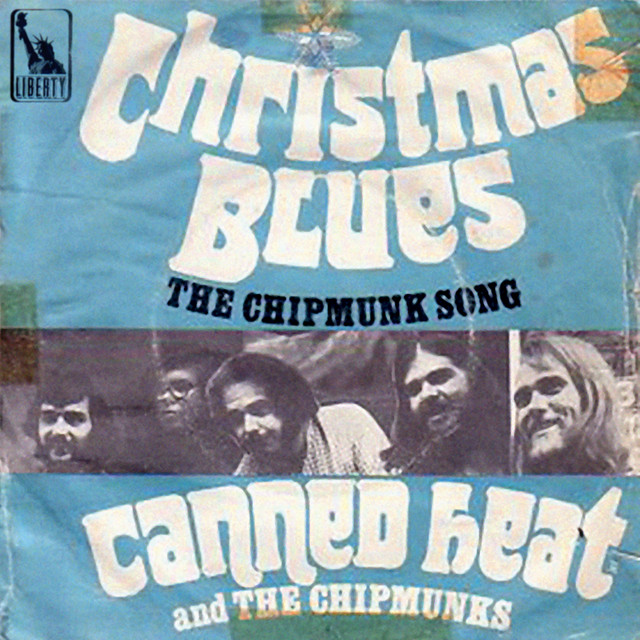
Christmas Blues
Canned Heat
Classic Blues
Electric Blues
1989
3
/5
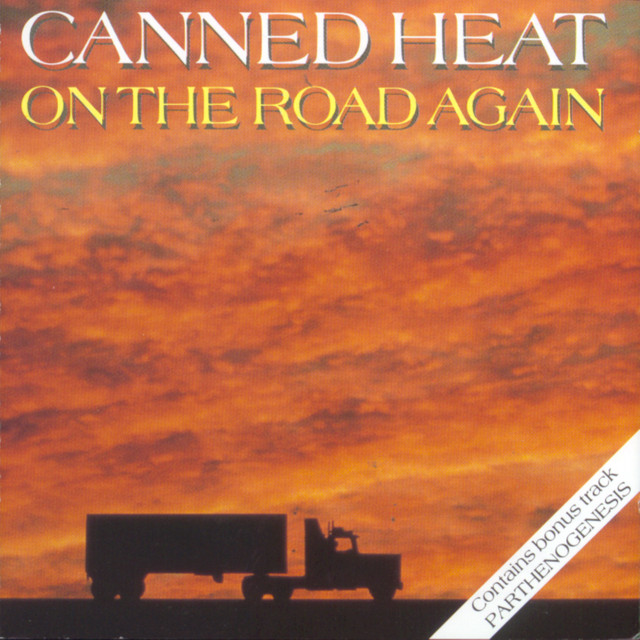
On The Road Again
Canned Heat
Classic Blues
Electric Blues
1987
3
/5
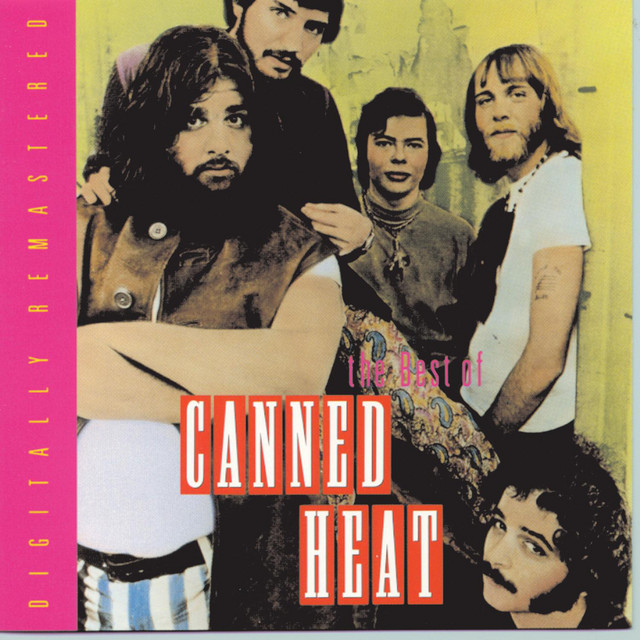
The Best Of Canned Heat
Canned Heat
Classic Blues
Blues Rock
Classic Rock
1969
3
/5
Living the Blues
Canned Heat
Boogie Rock
1968
3
/5
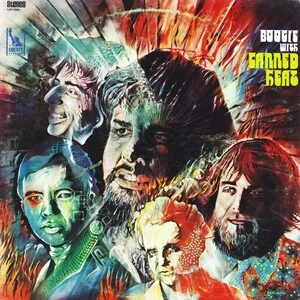
Boogie With Canned Heat
Canned Heat
Boogie Rock
Similar artists
3
/5
R.L. Burnside
Hill Country Blues
Country Blues
Delta Blues
4
/5
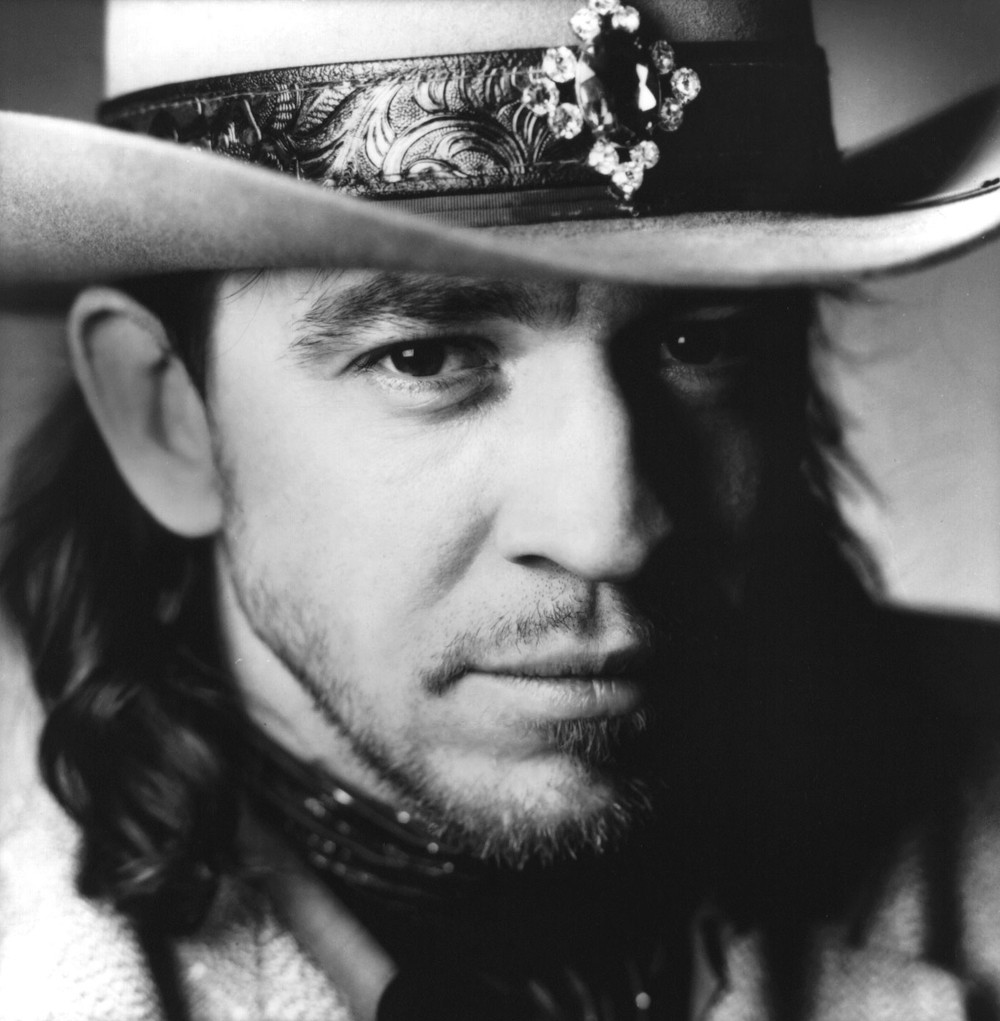
Stevie Ray Vaughan
Blues Rock
Texas Blues
Blues
3
/5
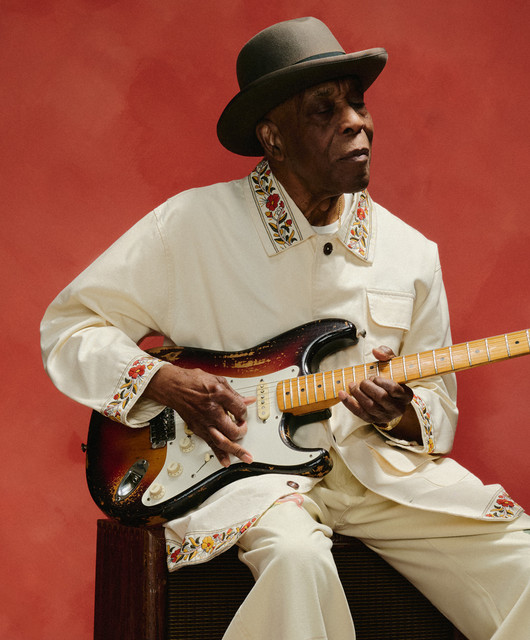
Buddy Guy
Blues
Chicago Blues
Electric Blues
3
/5
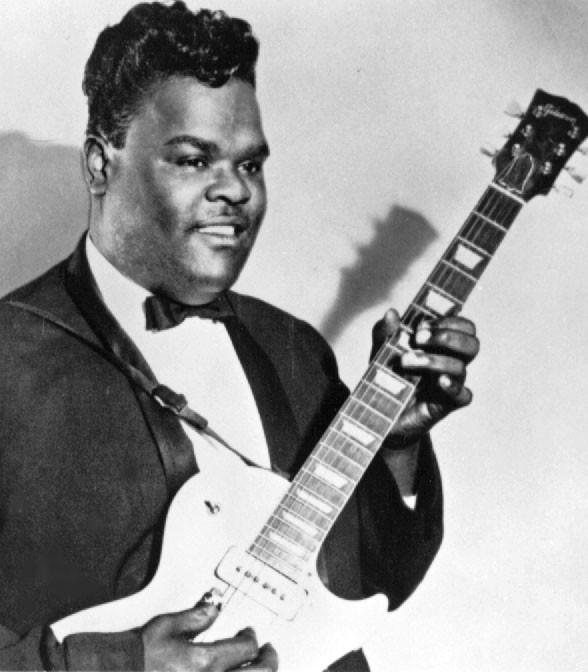
Freddie King
Blues
Texas Blues
Electric Texas Blues
3
/5
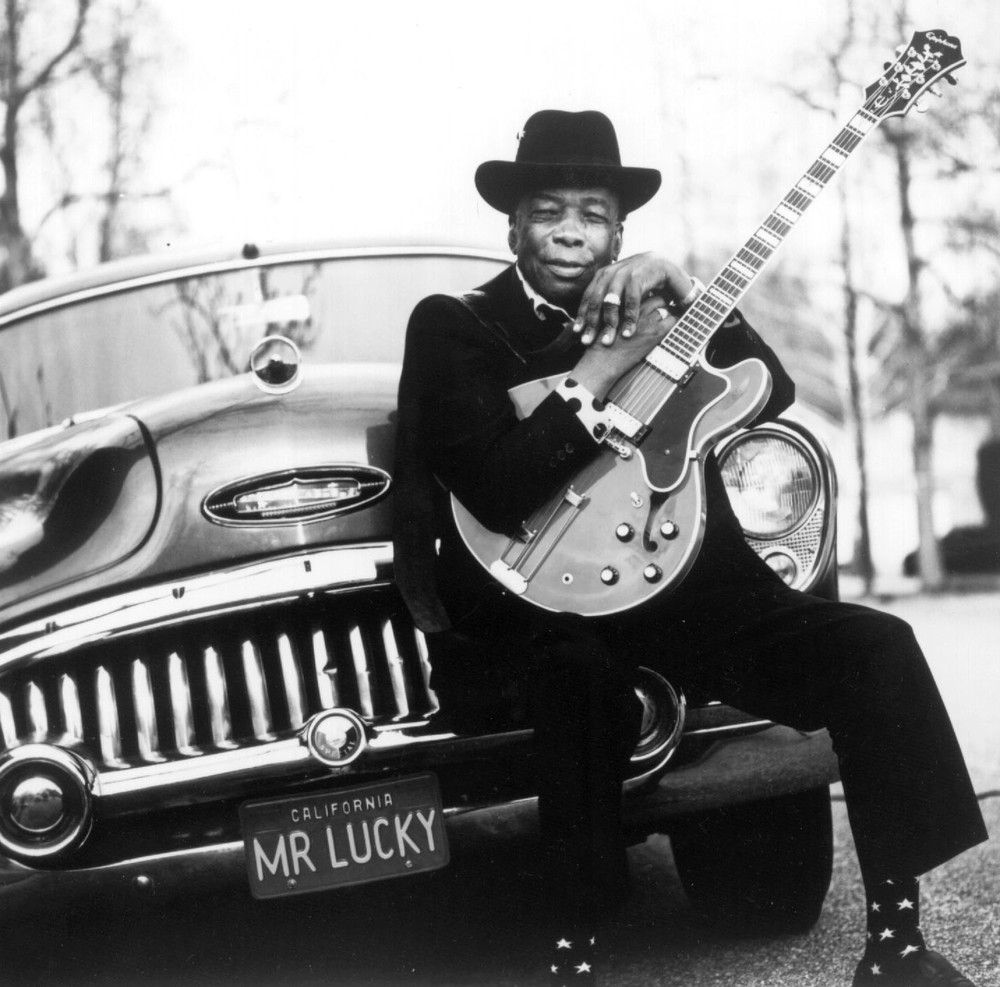
John Lee Hooker
Delta Blues
Blues
Country Blues
3
/5
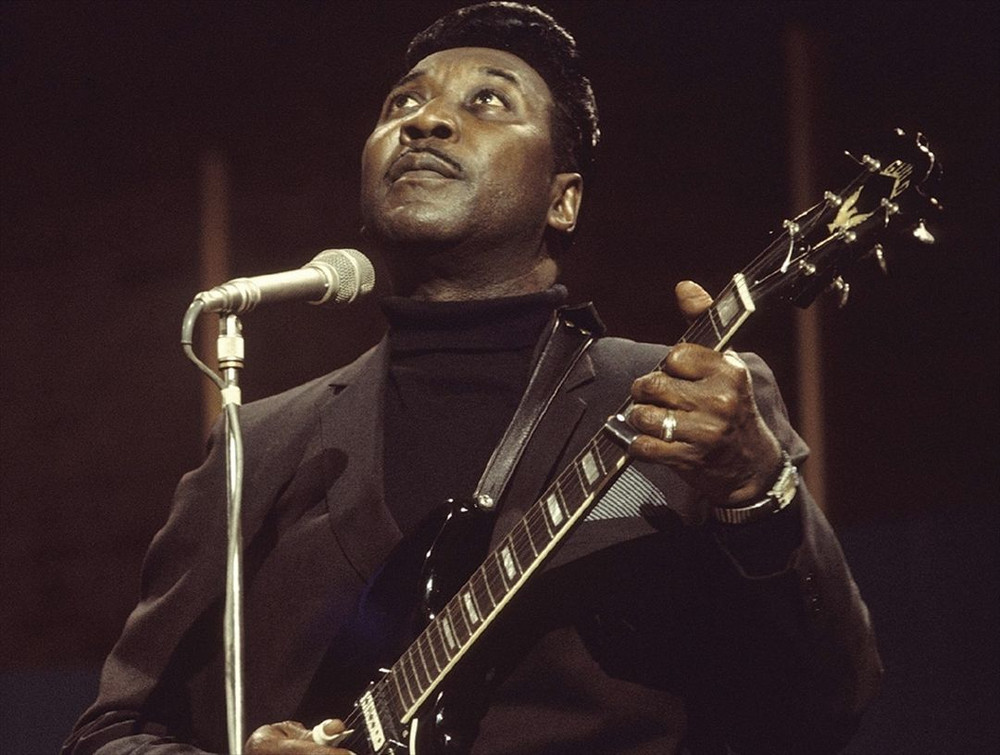
Muddy Waters
Blues
Chicago Blues
Electric Blues
3
/5
The Fabulous Thunderbirds
Blues
Blues Rock
Electric Texas Blues
3
/5
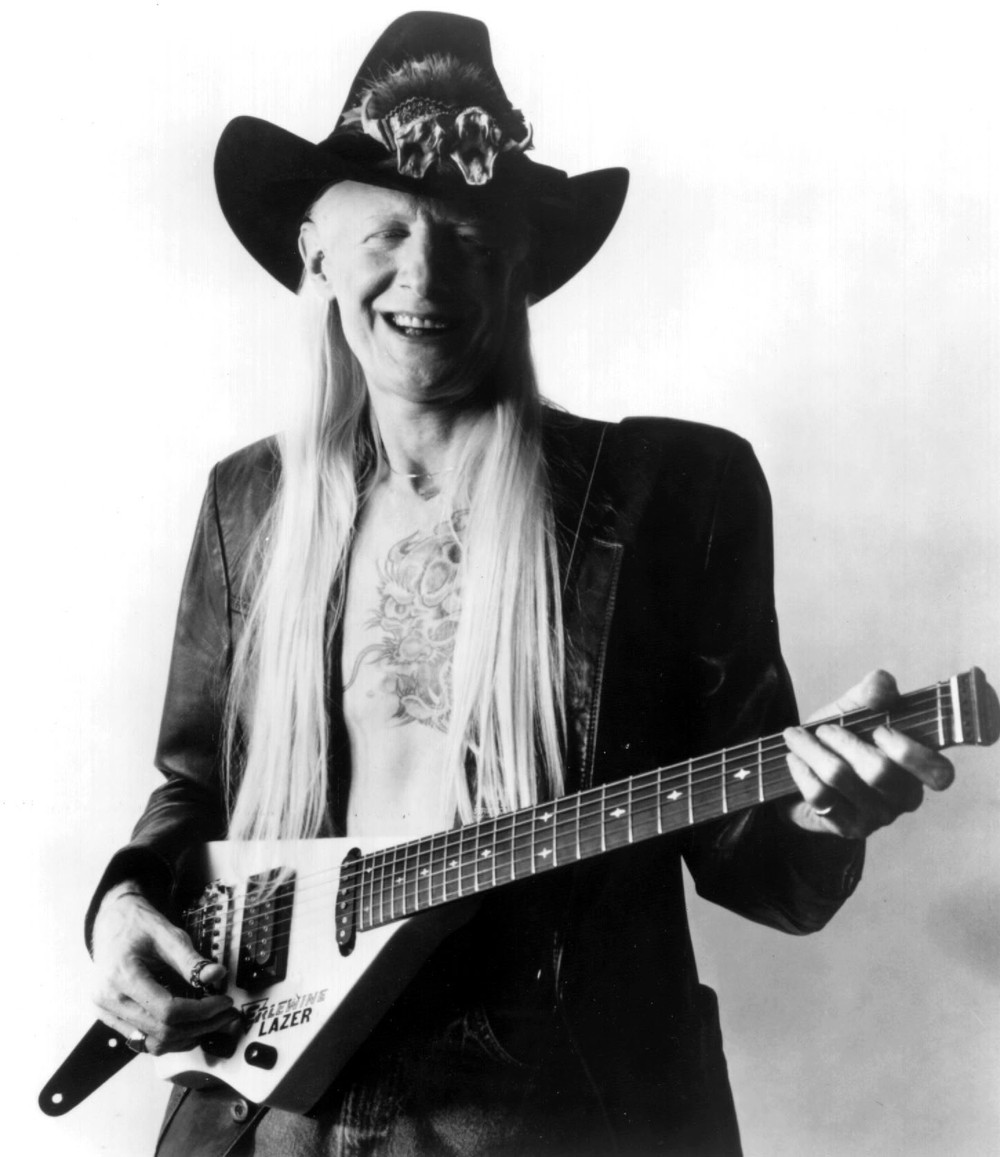
Johnny Winter
Blues
Blues Rock
Electric Texas Blues
1
/5
Various Artists
Afro-Funk
Alternative Rock
Ambient
3
/5
Little Feat
Swamp Rock
Southern Rock
Rock
Download our mobile app
Get the Melodigging app and start digging for new genres on the go
Download on the App Store
Get it on Google Play
© 2026 Melodigging
Give feedback
Legal
Melodding was created as a tribute to
Every Noise at Once
, which inspired us to help curious minds keep digging into music's ever-evolving genres.