Genres
Artists
Albums
Make Music
Sign in
Sign in
Artists
Boogie Rock
Artists
Boogie Rock
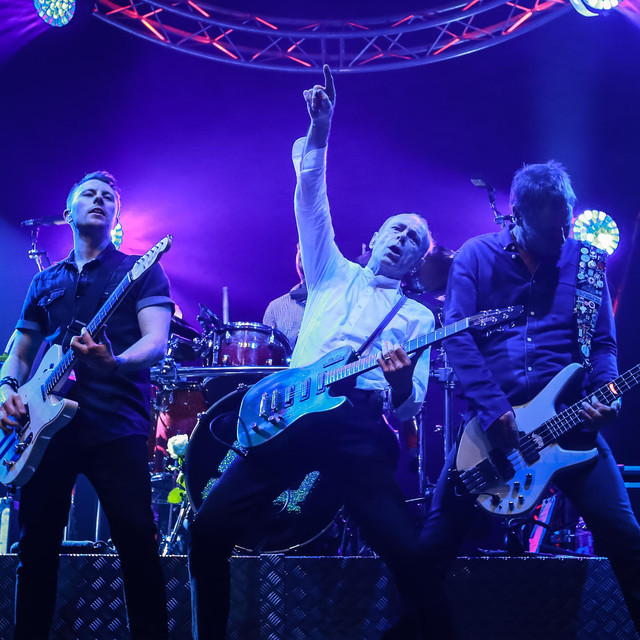
Status Quo
1970–2023
·
12 albums
Listen
4
/5
Genres
Spectra
Spectra is a contemporary, internet-native microgenre of moody alternative electronic and R&B-adjacent music characterized by spectral, hazy textures, soft-focus vocals, and lush, wide stereo sound design. It blends downtempo grooves with post-dubstep sound palettes, dreamy pads, and understated, melancholic songwriting. Production often favors granular and time-stretched atmospheres, filtered synths, submerged bass, and delicate percussion patterns that feel intimate yet cinematic. Vocals are commonly breathy and layered with subtle pitch/formant processing, while harmony leans toward extended, suspended, and add-color chords that emphasize bittersweet, nocturnal moods.
Discover
Listen
Chill Pop
Chill pop is a contemporary pop micro‑genre that blends radio‑friendly songwriting with the mellow textures of chillout and lo‑fi aesthetics. It favors soft vocals, smooth synths, clean guitar plucks, understated bass, and relaxed, mid‑tempo grooves. Instead of big, bombastic hooks, chill pop tends toward intimate, conversational melodies and minimal, airy arrangements. Production often borrows from bedroom pop and alternative R&B—subtle trap hi‑hats, warm saturation, roomy reverbs, and gentle side‑chain compression—to create a breezy, pastel sound palette well suited to playlists and late‑night listening. Lyrically, chill pop is introspective and relatable: romance, longing, gentle optimism, and coming‑of‑age themes delivered in a plain‑spoken, whisper‑close tone. The result sits between indie pop’s understated cool and mainstream pop’s catchy structures, optimized for the streaming era’s mood‑driven consumption.
Discover
Listen
Shimmer Psych
Shimmer psych is a contemporary strand of neo‑psychedelia that pairs sparkling, chorus‑washed guitars and gauzy vocal harmonies with dreamy pop songcraft. It emphasizes high‑end "shimmer," tape‑soft saturation, hypnagogic textures, and melodic hooks, sitting between dream pop, jangle pop, and classic psychedelic rock. Typical tracks are mid‑tempo, built on warm bass lines, gentle motorik or laid‑back breakbeats, and drenched in reverb, phaser, and delay. The result is sun‑bleached, nostalgic, and kaleidoscopic rather than heavy or jam‑oriented.
Discover
Listen
Big Room House
Big room house is a festival-focused strain of EDM built for massive sound systems and outdoor main stages. It typically runs around 126–132 BPM (most commonly 128), uses four-on-the-floor kick patterns, and features huge, simple lead riffs designed to be instantly memorable to large crowds. A defining trait is the contrast between cinematic, reverb-washed breakdowns and ultra-dry, percussive drops driven by a powerful kick, sub, and a few bold supersaw or horn-like synth stabs. Arrangements lean on dramatic builds with snare rolls, risers, and crowd-hyping vocal chops, culminating in drops that emphasize impact over harmonic complexity.
Discover
Listen
432hz
432hz is a wellness-oriented ambient/New Age micro-genre built around tuning music to the alternative concert pitch A=432 Hz instead of the modern standard A=440 Hz. In practice, 432hz releases are largely instrumental, slow-tempo, and reverb-rich, combining soft pads, drones, gentle piano, bowls/chimes, and nature sounds. Tracks are marketed for relaxation, meditation, yoga, sleep, and "energy" or "chakra" work, and are frequently tagged with wellness keywords. While advocates claim psychoacoustic or physiological benefits from 432 Hz tuning, these claims remain unproven; the sound signature audiences respond to is the calm production, consonant harmony, and spacious mixing typical of ambient and New Age music. As a streaming-native style, 432hz thrives on platforms like YouTube and Spotify where long-form background listening, SEO-friendly titling, and looping visuals support use-cases such as study, mindfulness, and sleep.
Discover
Listen
Boogie Rock
Boogie rock is a riff-driven, blues-rooted form of rock built on a swinging “boogie” shuffle feel. It emphasizes propulsive eighth-note grooves, gritty guitars, and road-tested songcraft that invites dancing as much as head-nodding. Typically mid-tempo and rooted in 12‑bar blues or I–IV–V progressions, boogie rock favors tight rhythms, repetitive hooky riffs, and earthy vocals. Its sound sits between classic rock and blues rock: hard-edged enough for arenas, but loose and shuffly like a bar-band jam.
Discover
Listen
Classic Rock
Classic rock is a radio-defined umbrella for mainstream, guitar-centered rock music from the mid-1960s through the 1980s. It emphasizes blues-based riffs, memorable choruses, sturdy backbeats, and prominent guitar solos, often framed by warm, analog production. Rather than being a single stylistic branch, classic rock curates a canon that spans hard rock, blues rock, folk rock, psychedelic and progressive strains, and heartland- and country-tinged rock. Albums and album-oriented rock (AOR) values—extended tracks, conceptual cohesion, and musicianship—are central to its identity. The sound evokes tube-amp crunch, Hammond organs, stacked vocal harmonies, and anthemic songwriting designed for both FM radio and the concert arena.
Discover
Listen
Glam Rock
Glam rock is a style of rock music that emerged in the early 1970s, defined as much by its flamboyant image and theatricality as by its sound. Artists embraced androgynous fashion, glitter, makeup, platform boots, and bold stage personas, using spectacle to amplify simple, catchy, riff-driven songs. Musically, glam rock fuses the drive of 1950s rock and roll with hard rock crunch, bubblegum pop hooks, and a sense of artful provocation. Songs often feature stomping, chant-ready rhythms, big choruses, guitar riffs, handclaps, and shout-along refrains. Lyrically, it leans into themes of fantasy, fame, gender play, street romance, and campy drama, blurring the line between pop accessibility and avant-garde performance.
Discover
Listen
British Blues
British blues is a UK-grown interpretation of African American blues, initially modeled on Chicago and Delta styles but performed with the raw volume and urgency of postwar British youth culture. It features electric guitar, amplified harmonica, bass, drums, and often piano or Hammond organ, favoring 12-bar forms, shuffles, slow blues, and minor-key vamps delivered with emotive vocals and extended soloing. The scene coalesced around early-1960s London venues such as the Ealing Club, catalyzing bands and players who would ignite the British blues boom and, in turn, reshape rock worldwide.
Discover
Listen
Blues Rock
Blues rock is a guitar-driven style that fuses the raw feeling and 12‑bar structures of the blues with the power, volume, and rhythmic punch of rock. It emphasizes riff-based songs, pentatonic and blues-scale soloing, call‑and‑response between voice and guitar, and an expressive, often gritty vocal delivery. Typical ensembles are power trios (guitar, bass, drums) or quartet formats adding second guitar, keyboards, or harmonica, and performances commonly feature extended improvisation. Sonically, it favors overdriven tube-amp tones, sustained bends, vibrato, and dynamic contrasts, moving from shuffles and boogies to straight‑eighth rock grooves.
Discover
Listen
Hard Rock
Hard rock is a loud, riff-driven style of rock music built around heavily amplified electric guitars, a powerful rhythm section, and assertive vocals. Songs typically center on memorable, blues-based guitar riffs, strong backbeats, and energetic, often shouted or belted choruses. The genre emphasizes power, groove, and visceral impact over intricate harmony or extended improvisation. Distortion, power chords, pentatonic melodies, and call‑and‑response between vocals and guitar are core traits, while lyrical themes often explore rebellion, lust, swagger, escape, and cathartic release.
Discover
Listen
Psychedelic Pop
Psychedelic pop is a 1960s-born fusion that marries the hook-driven immediacy of pop with the timbral color, studio experimentation, and altered-perception aesthetics of psychedelic music. It favors concise song forms and memorable melodies while introducing unusual sounds (sitar, Mellotron, harpsichord), tape effects (backmasking, varispeed, flanging), and surreal or whimsical imagery. Compared to psychedelic rock, it is brighter, more tuneful, and radio-friendly, often wrapping adventurous production techniques in singable choruses and lush vocal harmonies.
Discover
Listen
Psychedelic Rock
Psychedelic rock is a style of rock music that seeks to evoke, simulate, and expand altered states of consciousness through sound. It typically features timbral experimentation (fuzz, wah, tape delay, phasing), drones, modal or raga-influenced harmony, extended improvisation, studio-as-instrument production, and surreal, mystical, or mind-expanding lyrics. Emerging from mid-1960s counterculture, it fused garage-band energy with folk, blues, and non-Western musical ideas—especially Indian classical ragas—while embracing new studio technologies and concert light shows. Both a live and a studio art, psychedelic rock ranges from jangly, kaleidoscopic pop to heavy, hypnotic jams and cosmic soundscapes.
Discover
Listen
Rock
Rock is a broad family of popular music centered on amplified instruments, a strong backbeat, and song forms that foreground riffs, choruses, and anthemic hooks. Emerging from mid‑20th‑century American styles like rhythm & blues, country, and gospel-inflected rock and roll, rock quickly expanded in scope—absorbing folk, blues, and psychedelic ideas—while shaping global youth culture. Core sonic markers include electric guitar (often overdriven), electric bass, drum kit emphasizing beats 2 and 4, and emotive lead vocals. Rock songs commonly use verse–chorus structures, blues-derived harmony, and memorable melodic motifs, ranging from intimate ballads to high‑energy, stadium‑sized performances.
Discover
Listen
Show all 14 genres
Albums
2023
2
/5
Music For The Soul Vol 1
Status Quo
British Blues
2023
1
/5
80er Best of
Status Quo
British Blues
2005
2
/5
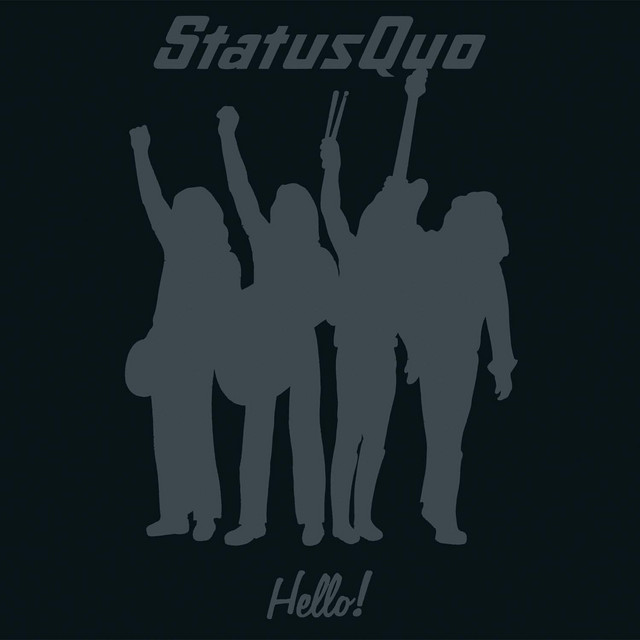
Hello!
Status Quo
Boogie Rock
2002
3
/5
In The Army Now - The Collection
Status Quo
British Blues
Blues Rock
1979
3
/5
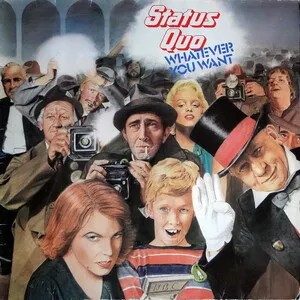
Whatever You Want
Status Quo
Boogie Rock
1976
2
/5
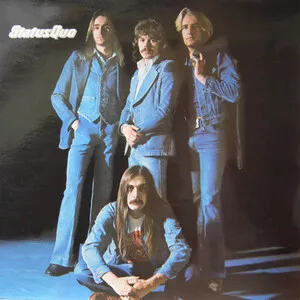
Blue for You
Status Quo
Boogie Rock
Classic Rock
Hard Rock
1975
3
/5
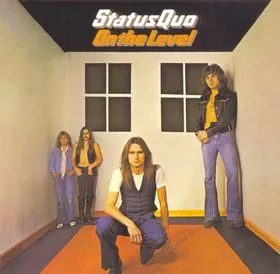
On the Level
Status Quo
Boogie Rock
1974
2
/5
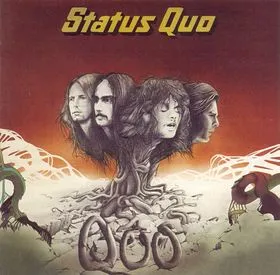
Quo
Status Quo
Boogie Rock
Classic Rock
Hard Rock
1973
3
/5
Hello!
Status Quo
British Blues
Classic Rock
Hard Rock
1972
1
/5
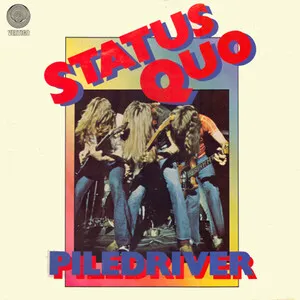
Piledriver
Status Quo
Boogie Rock
1971
1
/5
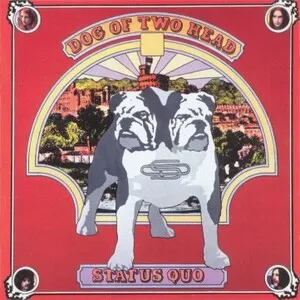
Dog of Two Head
Status Quo
Boogie Rock
1970
1
/5
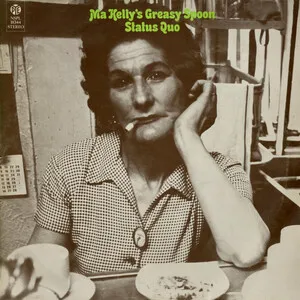
Ma Kelly's Greasy Spoon
Status Quo
Boogie Rock
Similar artists
5
/5
The Rolling Stones
Rock
Blues Rock
Hard Rock
3
/5
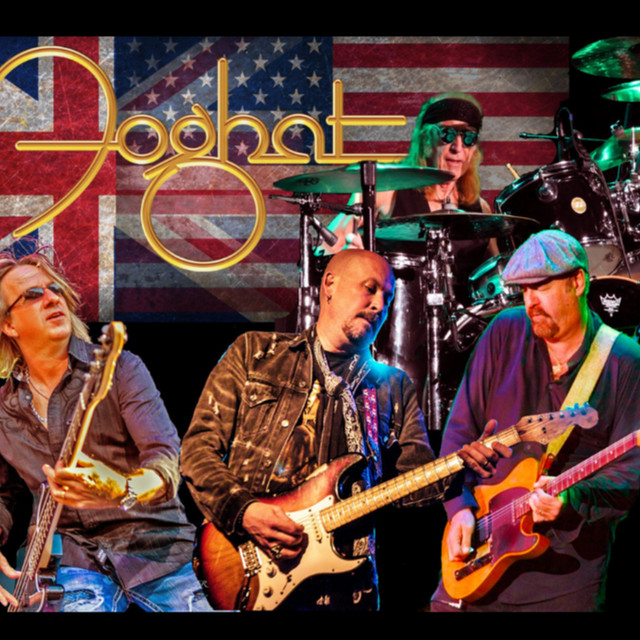
Foghat
British Blues
Boogie Rock
Blues Rock
1
/5
Various Artists
Afro-Funk
Alternative Rock
Ambient
4
/5
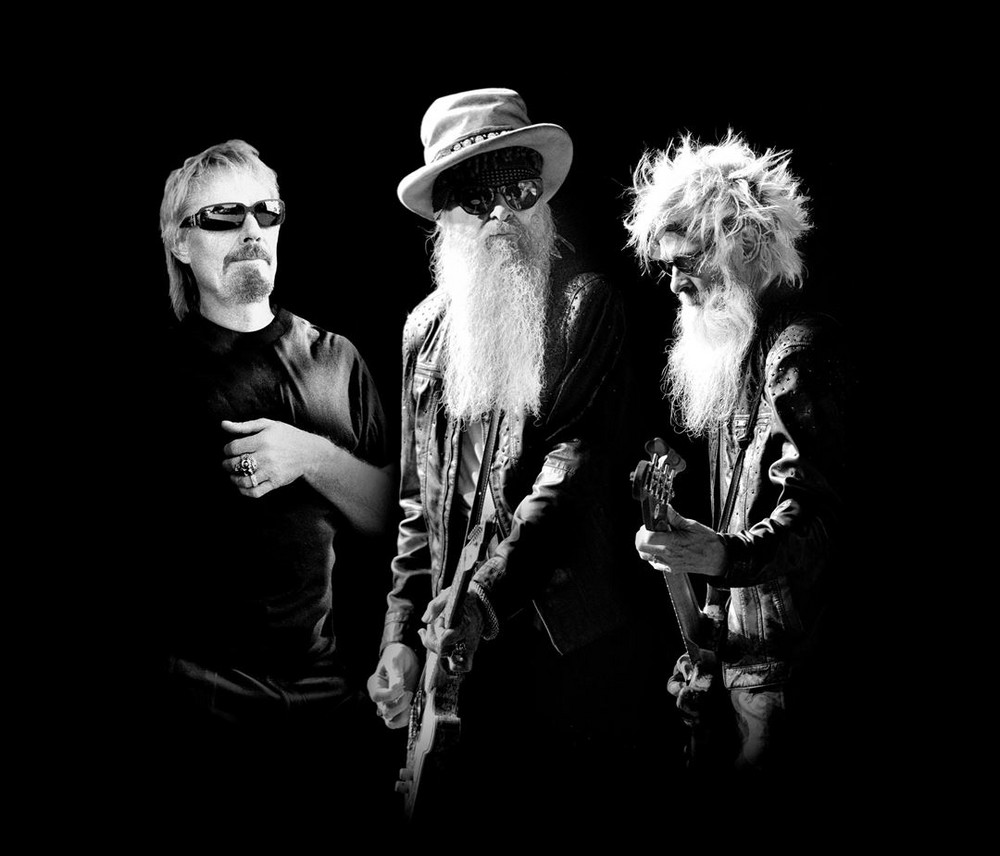
ZZ Top
Rock
Southern Rock
Blues Rock
4
/5
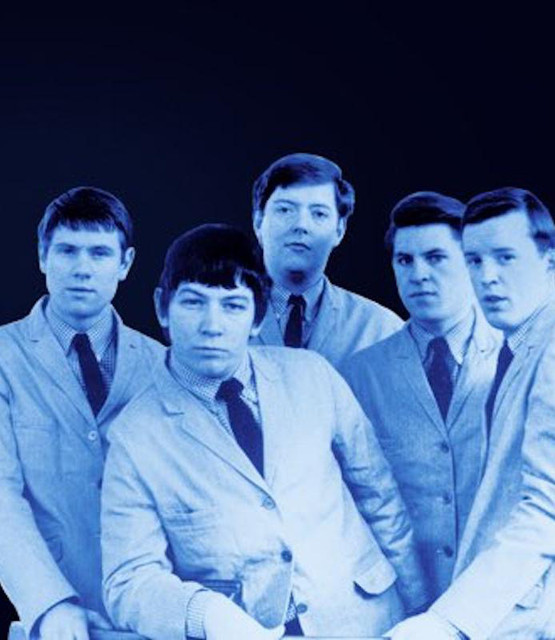
The Animals
British Rhythm & Blues
Classic Rock
Blues Rock
3
/5
Faces
Proto-Punk
Roots Rock
Boogie Rock
5
/5
AC/DC
Hard Rock
Rock
Blues Rock
4
/5
Led Zeppelin
Hard Rock
Rock
Classic Rock
4
/5
Lynyrd Skynyrd
Rock
Southern Rock
Blues Rock
4
/5
Black Sabbath
Doom Metal
Hard Rock
Heavy Metal
Download our mobile app
Get the Melodigging app and start digging for new genres on the go
Download on the App Store
Get it on Google Play
© 2026 Melodigging
Give feedback
Legal
Melodding was created as a tribute to
Every Noise at Once
, which inspired us to help curious minds keep digging into music's ever-evolving genres.