Genres
Artists
Albums
Make Music
Sign in
Sign in
Artists
Art Rock
Artists
Art Rock
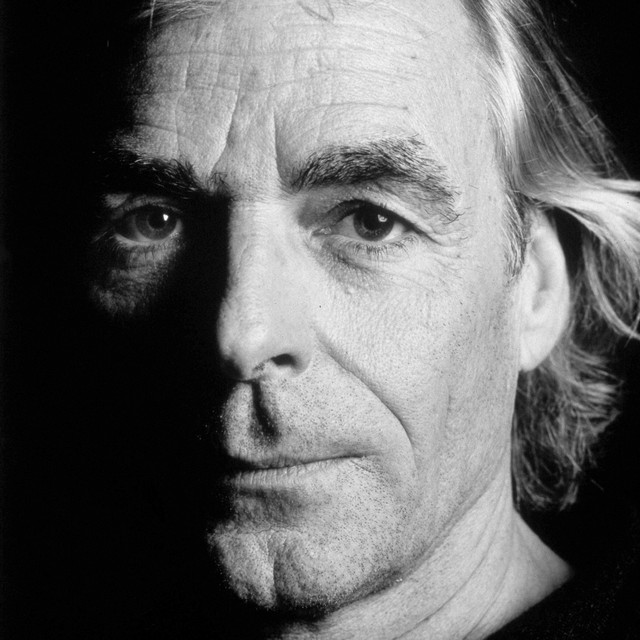
Richard Wright
Listen
2
/5
Genres
Art Rock
Art rock is a branch of rock music that treats the studio and the album as spaces for artistic experimentation, emphasizing conceptual ideas, ambitious arrangements, and cross-pollination with modernist and avant-garde traditions. It typically favors extended song forms, thematic or conceptual unity, and non-standard instrumentation (strings, woodwinds, synthesizers) alongside rock’s core band setup. Lyrically, it leans toward literary, surreal, or philosophical subjects and often adopts theatrical presentation. Where mainstream rock centers on immediacy and hooks, art rock embraces risk: unusual time signatures, timbral exploration, complex harmony, tape and electronic manipulation, and interludes that draw from classical, jazz, minimalism, and experimental music.
Discover
Listen
Progressive Rock
Progressive rock is a rock subgenre that expands the genre’s formal, harmonic, and conceptual boundaries. It favors long-form compositions, intricate arrangements, and virtuosic musicianship, often drawing on Western classical, jazz, folk, and psychedelic idioms. Typical hallmarks include multi-part suites, shifting time signatures, extended instrumental passages, recurring motifs, and concept albums that present unified themes or narratives. The sound palette commonly features electric guitar, bass, and drums alongside an array of keyboards (Hammond organ, Mellotron, Moog/ARP synthesizers, piano), woodwinds or brass, and occasional orchestral additions. Lyrics often explore science fiction, mythology, philosophy, social commentary, and introspective themes.
Discover
Listen
Progressive
Progressive is an umbrella aesthetic that prioritizes musical development—extended forms, evolving arrangements, sophisticated harmony, and conceptual ambition—over verse–chorus simplicity. Emerging from late-1960s rock and psychedelia, the progressive approach soon permeated multiple styles (rock, electronic, metal, pop, dance music), where "progressive" signals pieces that unfold gradually, introduce new motifs across long arcs, and use timbral and harmonic exploration as core drama. Across its variants, listeners can expect longer tracks, thematic continuity (sometimes across whole albums), expanded instrument palettes (from orchestral colors to synthesizers), odd meters, key changes, and a narrative sense of journey.
Discover
Listen
Psychedelic Rock
Psychedelic rock is a style of rock music that seeks to evoke, simulate, and expand altered states of consciousness through sound. It typically features timbral experimentation (fuzz, wah, tape delay, phasing), drones, modal or raga-influenced harmony, extended improvisation, studio-as-instrument production, and surreal, mystical, or mind-expanding lyrics. Emerging from mid-1960s counterculture, it fused garage-band energy with folk, blues, and non-Western musical ideas—especially Indian classical ragas—while embracing new studio technologies and concert light shows. Both a live and a studio art, psychedelic rock ranges from jangly, kaleidoscopic pop to heavy, hypnotic jams and cosmic soundscapes.
Discover
Listen
Experimental
Experimental music is an umbrella term for practices that prioritize exploration, process, and discovery over adherence to established genre norms. It embraces new sound sources, nonstandard tuning systems, indeterminacy and chance operations, graphic and open-form scores, extended techniques, and technology-led sound design (tape, electronics, computers, and live processing). Rather than a single style, it is a methodology and ethos: testing hypotheses about sound, structure, and performance, often blurring boundaries between composition, improvisation, sound art, and performance art. Listeners can expect unfamiliar timbres, unusual forms, and an emphasis on how music is made as much as the resulting sound.
Discover
Listen
Rock
Rock is a broad family of popular music centered on amplified instruments, a strong backbeat, and song forms that foreground riffs, choruses, and anthemic hooks. Emerging from mid‑20th‑century American styles like rhythm & blues, country, and gospel-inflected rock and roll, rock quickly expanded in scope—absorbing folk, blues, and psychedelic ideas—while shaping global youth culture. Core sonic markers include electric guitar (often overdriven), electric bass, drum kit emphasizing beats 2 and 4, and emotive lead vocals. Rock songs commonly use verse–chorus structures, blues-derived harmony, and memorable melodic motifs, ranging from intimate ballads to high‑energy, stadium‑sized performances.
Discover
Listen
Similar artists
2
/5
Magma
Zeuhl
Progressive Rock
Avant-Prog
2
/5
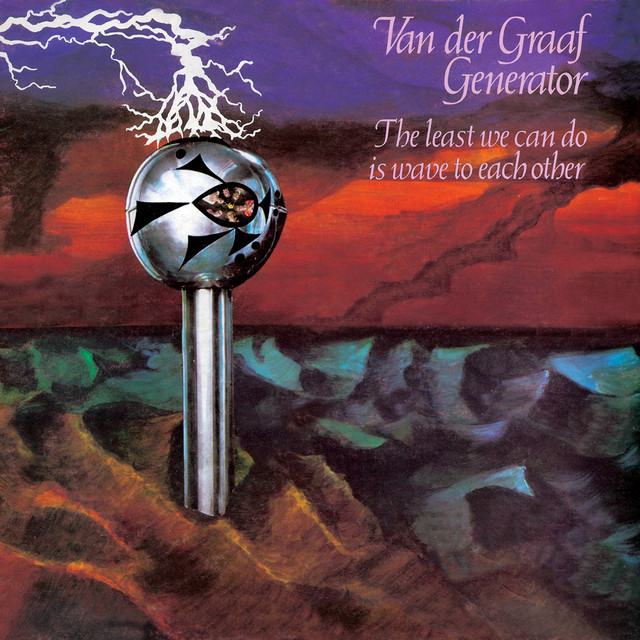
Van Der Graaf Generator
Progressive Rock
Rock
Art Rock
3
/5
Frank Zappa
Jazz Rock
Progressive Rock
Avant-Garde
3
/5
Tangerine Dream
Ambient
Berlin School
New Age
3
/5
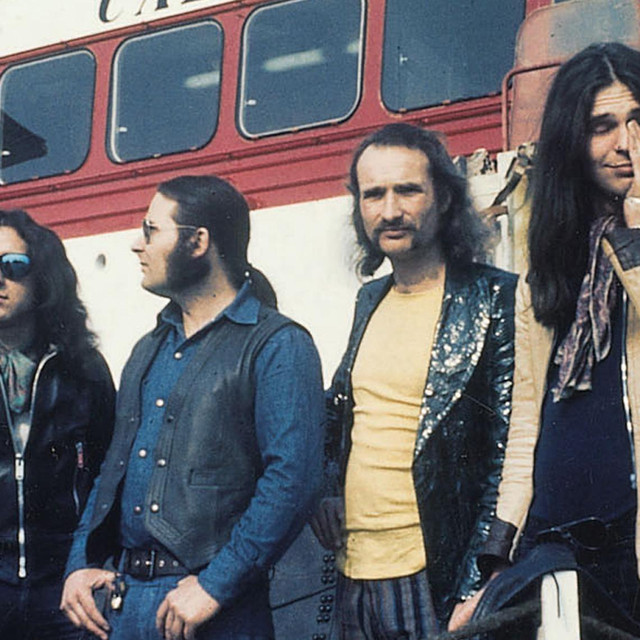
CAN
No Wave
Krautrock
Experimental Rock
3
/5
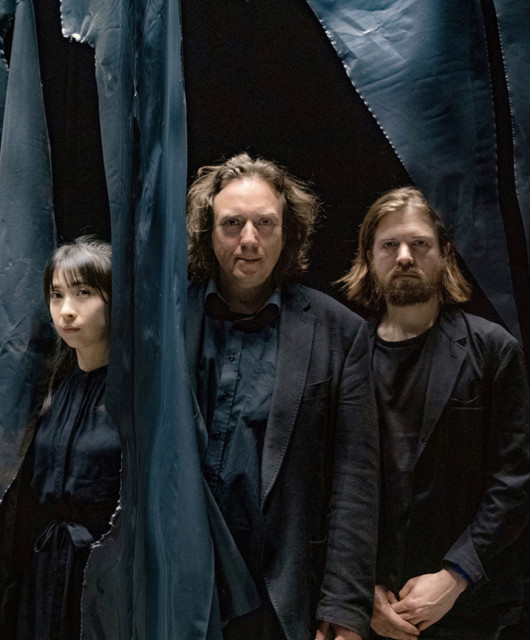
black midi
Math Rock
Experimental Rock
Noise Rock
2
/5
Pure Reason Revolution
Art Rock
Progressive Metal
Progressive Rock
2
/5
Klaatu
Art Rock
Progressive Rock
Beatlesque
2
/5
Robert Wyatt
Progressive Rock
Canterbury Scene
Rock
2
/5
Faust
Krautrock
Experimental
Experimental Rock
Download our mobile app
Get the Melodigging app and start digging for new genres on the go
Download on the App Store
Get it on Google Play
© 2026 Melodigging
Give feedback
Legal
Melodding was created as a tribute to
Every Noise at Once
, which inspired us to help curious minds keep digging into music's ever-evolving genres.