Genres
Artists
Albums
Make Music
Sign in
Sign in
Artists
Mozambique
Artists
Mozambique
Pello el Afrokán
1964–2018
·
5 albums
Listen
1
/5
Genres
Mozambique
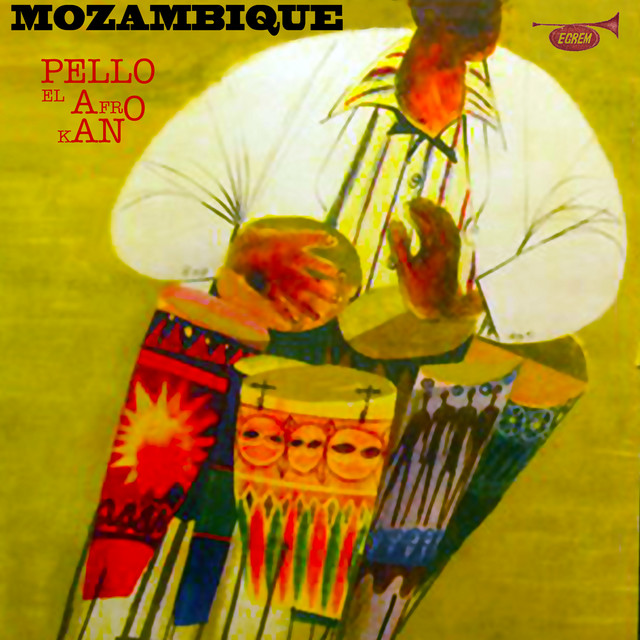
Mozambique is a vigorous Afro‑Cuban dance/music style created in Havana in 1963 by Pello el Afrokan (Pedro Izquierdo). It blends carnival comparsa percussion, rumba sensibilities, and call‑and‑response coros into a driving, celebratory groove led by congas, bass drums, cowbells, and whistles. In the mid‑1960s a distinct New York adaptation emerged through Eddie Palmieri (with timbalero Manny Oquendo). This "NY Mozambique" codified a now-classic timbales bell pattern aligned to rumba clave and was absorbed into salsa and Latin jazz arranging. Thus, Mozambique refers to two related but different traditions: the Cuban comparsa-rooted original and the New York studio/club rhythm widely used in salsa and Latin jazz.
Discover
Listen
Latin Jazz
Latin jazz is a fusion of jazz harmony and improvisation with Afro–Latin American rhythms, song forms, and percussion. It combines the swing, bebop, and big-band traditions with clave-based grooves such as son, rumba, danzón, and mambo, and later integrates Brazilian feels like samba and bossa nova. Typical features include the use of the clave (2–3 or 3–2), piano montunos (guajeos), bass tumbao patterns, timbales cáscara, conga marcha, and call-and-response horn "mambo" figures. While the rhythm section locks into cyclical patterns, soloists improvise using the vocabulary of jazz, creating music that is both danceable and harmonically rich.
Discover
Listen
Conga
Conga is an Afro-Cuban street-carnival music and rhythm associated with the comparsas of Santiago de Cuba, Camagüey, and Havana. In this context, “conga” names both the large, costumed procession (comparsa) and the driving, syncopated music that propels it through the streets during carnival. Evolving alongside rumba in the late 19th century, conga features a large, heterogeneous percussion battery playing layered, off-beat patterns over a propulsive 2/4 march feel. The core sound comes from tumbadoras (conga drums), bass drums with cymbal attachments (bombo con platillo), cowbells, shakers, metal objects (such as frying pans), and snare-like drums; many Eastern Cuban comparsas also feature the piercing corneta china (a Chinese suona) that leads the melodies and signals choreographic changes. Vocals are typically in call-and-response, and some ensembles add small brass or winds for melodic punctuations. Unlike studio dance styles, conga is inseparable from spectacle: it is collective, participatory music for processions, with set choreographies, flags, and banners. Its groove is simple to hear but rhythmically intricate under the surface, interlocking straight-ahead marching strokes with Cuba’s characteristic syncopations and cinquillo-derived accents.
Discover
Listen
Albums
2018
1
/5
Ritmo Mozambique
Pello el Afrokán
Mozambique
1964
1
/5
Mozambique
Pello el Afrokán
Mozambique
Congas por barrios
Pello el Afrokán
Conga
Congas por barrios
Pello el Afrokán
Mozambique
Mozambique
Pello el Afrokán
Mozambique
Similar artists
3
/5
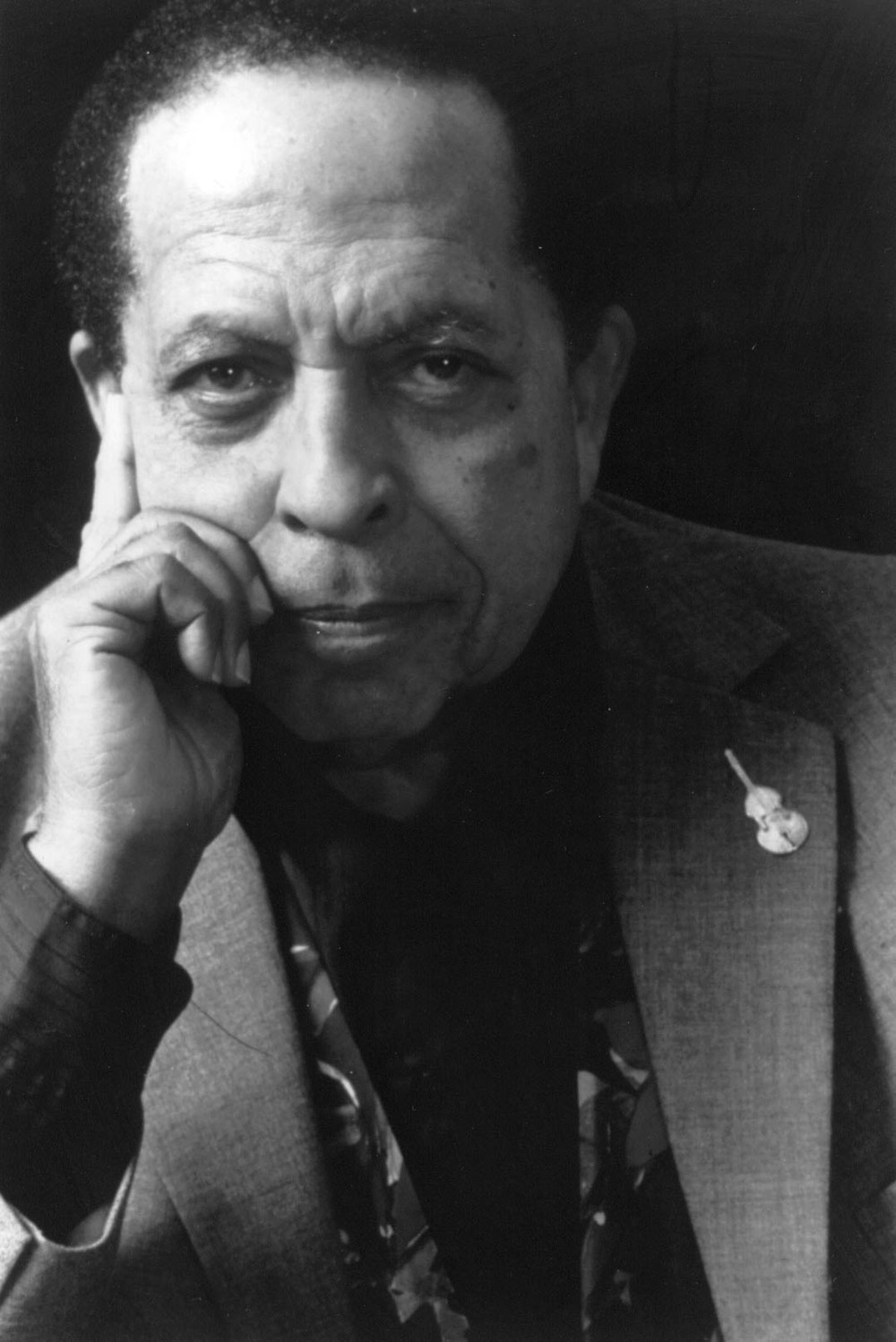
Eddie Palmieri
Salsa
Salsa Dura
Latin Jazz
3
/5
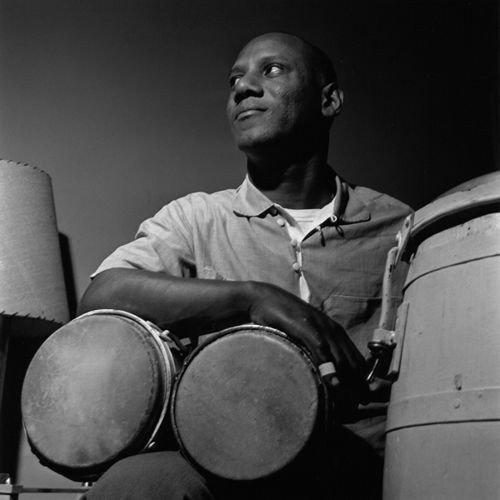
Mongo Santamaria
Rumba Cubana
Boogaloo
Mambo
2
/5
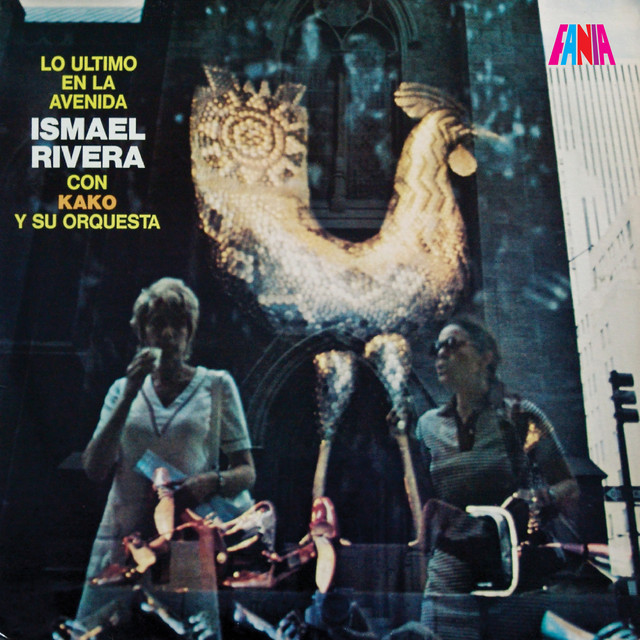
Kako y Su Orquesta
Chachachá
Latin Jazz
Salsa
2
/5
Cachao
Danzón
Descarga
Latin Jazz
2
/5
Candido
Disco
Latin Disco
Latin Jazz
1
/5
Xavier Cugat and His Waldorf-Astoria Orchestra
Rhumba
Rumba
Congolese Rumba
4
/5
Antônio Carlos Jobim
Bossa Nova
Latin Jazz
Brazilian Jazz
4
/5
Stan Getz
Samba-Jazz
Bebop
Jazz
4
/5
Buena Vista Social Club
Son Cubano
Bolero
Latin
4
/5
João Gilberto
Bossa Nova
Latin Jazz
Cool Jazz
Download our mobile app
Get the Melodigging app and start digging for new genres on the go
Download on the App Store
Get it on Google Play
© 2026 Melodigging
Give feedback
Legal
Melodding was created as a tribute to
Every Noise at Once
, which inspired us to help curious minds keep digging into music's ever-evolving genres.