Genres
Artists
Albums
Make Music
Sign in
Sign in
Artists
Rhumba
Artists
Rhumba
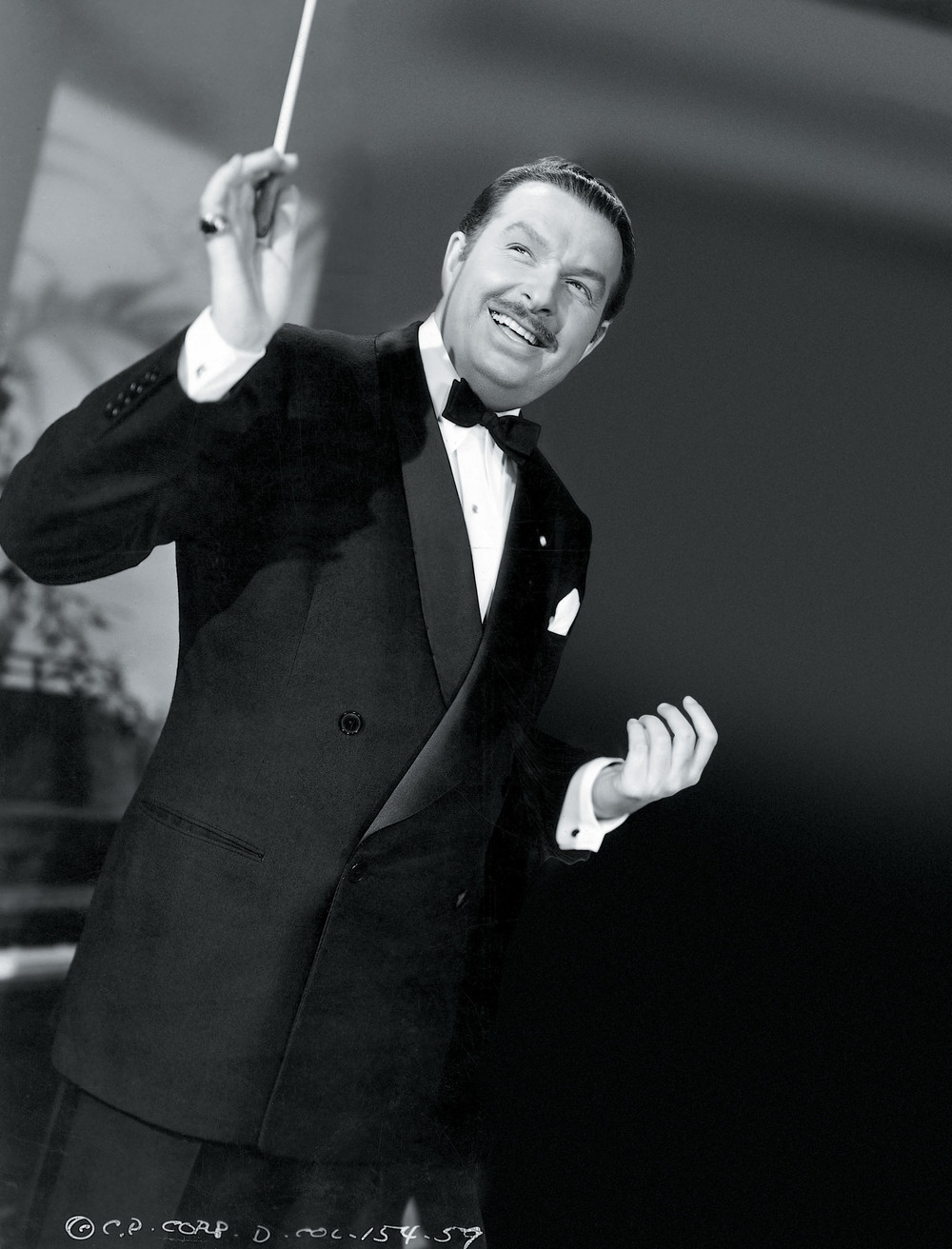
Xavier Cugat and His Waldorf-Astoria Orchestra
2019
·
3 albums
Listen
1
/5
Genres
Congolese Rumba
Congolese rumba (often called African rumba) is a danceable, guitar-driven popular music that emerged in Kinshasa and Brazzaville after World War II. It blends Afro‑Cuban son and bolero harmonies with Central African rhythmic sensibilities and call‑and‑response vocals. Typical recordings feature interlocking electric guitars (rhythm, mi‑solo and lead) playing lilting, cyclical figures over a steady, clave‑informed groove, buoyed by congas, maracas, cowbell, bass tumbao, and occasional horns. Songs frequently move from a lyrical, crooning verse into an extended instrumental vamp called the “sebene,” where the band raises the energy for dancers. Lyrically, Congolese rumba often uses Lingala (and sometimes French), celebrating romance, urban life, and social themes with suave vocal harmonies and a refined sense of melody.
Discover
Listen
Latin Jazz
Latin jazz is a fusion of jazz harmony and improvisation with Afro–Latin American rhythms, song forms, and percussion. It combines the swing, bebop, and big-band traditions with clave-based grooves such as son, rumba, danzón, and mambo, and later integrates Brazilian feels like samba and bossa nova. Typical features include the use of the clave (2–3 or 3–2), piano montunos (guajeos), bass tumbao patterns, timbales cáscara, conga marcha, and call-and-response horn "mambo" figures. While the rhythm section locks into cyclical patterns, soloists improvise using the vocabulary of jazz, creating music that is both danceable and harmonically rich.
Discover
Listen
Rhumba
Rhumba (spelled with an “h”) is the Americanized, ballroom- and big-band-friendly adaptation of Cuban rumba and related Afro‑Cuban dance music. Emerging in the United States during the Latin dance craze of the 1930s, it translated the clave-based grooves and romantic lyricism of Cuban music into a smoother, slower, and more arranged popular dance style suited to hotel ballrooms, Hollywood, and radio. Compared with traditional Cuban rumba and son, American rhumba emphasizes clear phrase structure, a moderate tempo, and lush arrangements featuring strings, horns, and rhythm sections enhanced by Latin percussion. The result is a sensuous, elegant dance music that foregrounds romance and a steady, dancer-friendly pulse.
Discover
Listen
Conga
Conga is an Afro-Cuban street-carnival music and rhythm associated with the comparsas of Santiago de Cuba, Camagüey, and Havana. In this context, “conga” names both the large, costumed procession (comparsa) and the driving, syncopated music that propels it through the streets during carnival. Evolving alongside rumba in the late 19th century, conga features a large, heterogeneous percussion battery playing layered, off-beat patterns over a propulsive 2/4 march feel. The core sound comes from tumbadoras (conga drums), bass drums with cymbal attachments (bombo con platillo), cowbells, shakers, metal objects (such as frying pans), and snare-like drums; many Eastern Cuban comparsas also feature the piercing corneta china (a Chinese suona) that leads the melodies and signals choreographic changes. Vocals are typically in call-and-response, and some ensembles add small brass or winds for melodic punctuations. Unlike studio dance styles, conga is inseparable from spectacle: it is collective, participatory music for processions, with set choreographies, flags, and banners. Its groove is simple to hear but rhythmically intricate under the surface, interlocking straight-ahead marching strokes with Cuba’s characteristic syncopations and cinquillo-derived accents.
Discover
Listen
Rumba
Rumba is an Afro‑Cuban, percussion‑driven song‑and‑dance genre that arose in the port neighborhoods and solares of Havana and Matanzas. It features complex interlocking rhythms played on congas (tumbadora, segundo, quinto), claves, and palitos, with the quinto drum improvising over cyclical patterns. The music is built around the rumba clave (in 3‑2 or 2‑3 orientation), call‑and‑response vocals, and a lead singer who declaims verses followed by catchy coros. Three principal styles exist: yambú (slow, playful), guaguancó (medium, flirtatious, with the iconic "vacunao" gesture in the dance), and columbia (fast, virtuosic, traditionally for solo male dancers). Historically performed with cajones (wooden boxes) when drums were restricted, rumba is a secular, community practice whose poetry, dance, and rhythm encode Afro‑Cuban history and identity. It is distinct from ballroom "rhumba" and from Congolese rumba, both of which were influenced by Cuban music rather than being the same style.
Discover
Listen
Albums
2019
1
/5
Conga With Cugat
Xavier Cugat and His Waldorf-Astoria Orchestra
Conga
Rumba
Rhumba
2019
1
/5
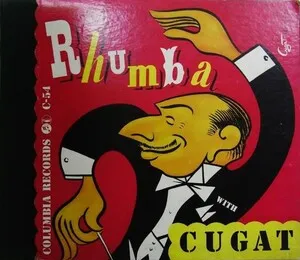
Rhumba With Cugat
Xavier Cugat
Rhumba
Rumba
2019
1
/5
A Xavier Cugat Album of Latin American Music
Xavier Cugat
Rhumba
Rumba
Similar artists
2
/5
Xavier Cugat
Rumba Cubana
Rhumba
Rumba
2
/5
Xavier Cugat & His Orchestra
Mambo
Rhumba
Rumba
2
/5
Miguelito Valdés
Bolero
Guaracha
Latin Jazz
2
/5
Machito Orchestra
Bebop
Chachachá
Latin Jazz
1
/5
Devera Ngwena Jazz Band
Sungura
Chimurenga
Congolese Rumba
1
/5
Don Swan
Chachachá
Exotica
Latin Jazz
1
/5
Henry King and His Orchestra
Congolese Rumba
Rhumba
Rumba
1
/5
Various Artists
Afro-Funk
Alternative Rock
Ambient
4
/5
Fally Ipupa
Rhumba
Congolese Rumba
Ndombolo
3
/5
Oliver Mtukudzi
Chimurenga
Sungura
Venda Pop
Download our mobile app
Get the Melodigging app and start digging for new genres on the go
Download on the App Store
Get it on Google Play
© 2026 Melodigging
Give feedback
Legal
Melodding was created as a tribute to
Every Noise at Once
, which inspired us to help curious minds keep digging into music's ever-evolving genres.