Genres
Artists
Albums
Make Music
Sign in
Sign in
Artists
Sungura
Artists
Sungura
Devera Ngwena Jazz Band
2021
·
7 albums
Listen
1
/5
Genres
Sungura
Sungura is a high-energy, guitar-driven popular music style from Zimbabwe characterized by interlocking lead and rhythm guitar lines, a melodic and highly active bass, and relentless danceable grooves. It blends Congolese rumba/soukous guitar phrasing with Kenyan benga’s bright, trebly picking and local Shona rhythmic sensibilities. Songs often feature extended instrumental passages, call-and-response vocals, and socially grounded lyrics delivered primarily in Shona (and sometimes Ndebele or English). Typical tempos are fast (roughly 120–160 BPM) with a 4/4 or loping 12/8 feel, propelled by drum kit, shakers (hosho), and occasional hand percussion. The mood is celebratory yet reflective, with storytelling that addresses love, morality, work, and everyday life.
Discover
Listen
Chimurenga
Chimurenga is a Zimbabwean popular music style that adapts the cyclical, interlocking melodies and polyrhythms of Shona mbira music to modern band instrumentation. Electric guitars emulate mbira lines, bass holds repetitive ostinatos, and the groove is anchored by hosho (shaker) patterns and a drum kit, creating a trance-like, propulsive feel. The name means “struggle,” and chimurenga is deeply tied to political and social commentary. Lyrics—often in Shona—use metaphor, proverbs, and call-and-response choruses to address liberation, justice, and everyday life. The sound is modal, often mixolydian or minor, with concise harmonic movement that serves the interlocking textures and dance pulse.
Discover
Listen
Jit
Jit (also called jiti) is a fast, guitar-driven dance music from Zimbabwe characterized by bright, interlocking lead and rhythm guitar lines, propulsive bass, and a driving 4/4 drum pulse. The groove often translates traditional mbira (thumb piano) patterns onto electric guitars, yielding a shimmering, tightly woven texture meant for exuberant social dancing. Songs are typically sung in Shona (and sometimes Ndebele), with call-and-response refrains, community handclaps, and hosho (shaker) accents. Harmonies favor major keys and cyclical I–IV–V progressions, while melodies are concise and hook-forward. The overall feel is joyous, kinetic, and communal, with tempos commonly in the 130–160 BPM range.
Discover
Listen
Congolese Rumba
Congolese rumba (often called African rumba) is a danceable, guitar-driven popular music that emerged in Kinshasa and Brazzaville after World War II. It blends Afro‑Cuban son and bolero harmonies with Central African rhythmic sensibilities and call‑and‑response vocals. Typical recordings feature interlocking electric guitars (rhythm, mi‑solo and lead) playing lilting, cyclical figures over a steady, clave‑informed groove, buoyed by congas, maracas, cowbell, bass tumbao, and occasional horns. Songs frequently move from a lyrical, crooning verse into an extended instrumental vamp called the “sebene,” where the band raises the energy for dancers. Lyrically, Congolese rumba often uses Lingala (and sometimes French), celebrating romance, urban life, and social themes with suave vocal harmonies and a refined sense of melody.
Discover
Listen
Rhumba
Rhumba (spelled with an “h”) is the Americanized, ballroom- and big-band-friendly adaptation of Cuban rumba and related Afro‑Cuban dance music. Emerging in the United States during the Latin dance craze of the 1930s, it translated the clave-based grooves and romantic lyricism of Cuban music into a smoother, slower, and more arranged popular dance style suited to hotel ballrooms, Hollywood, and radio. Compared with traditional Cuban rumba and son, American rhumba emphasizes clear phrase structure, a moderate tempo, and lush arrangements featuring strings, horns, and rhythm sections enhanced by Latin percussion. The result is a sensuous, elegant dance music that foregrounds romance and a steady, dancer-friendly pulse.
Discover
Listen
Rumba
Rumba is an Afro‑Cuban, percussion‑driven song‑and‑dance genre that arose in the port neighborhoods and solares of Havana and Matanzas. It features complex interlocking rhythms played on congas (tumbadora, segundo, quinto), claves, and palitos, with the quinto drum improvising over cyclical patterns. The music is built around the rumba clave (in 3‑2 or 2‑3 orientation), call‑and‑response vocals, and a lead singer who declaims verses followed by catchy coros. Three principal styles exist: yambú (slow, playful), guaguancó (medium, flirtatious, with the iconic "vacunao" gesture in the dance), and columbia (fast, virtuosic, traditionally for solo male dancers). Historically performed with cajones (wooden boxes) when drums were restricted, rumba is a secular, community practice whose poetry, dance, and rhythm encode Afro‑Cuban history and identity. It is distinct from ballroom "rhumba" and from Congolese rumba, both of which were influenced by Cuban music rather than being the same style.
Discover
Listen
Albums
2021
1
/5
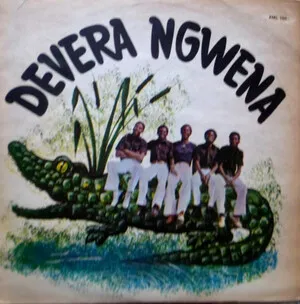
Devera Ngwena
Devera Ngwena Jazz Band
Sungura
Jit
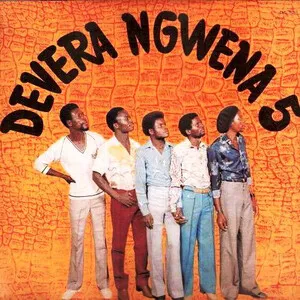
Devera Ngwena 5
Devera Ngwena Jazz Band
Rumba
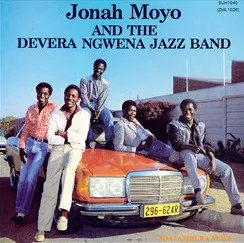
Jonah Moyo and the Devera Ngwena Jazz Band Vol. 9
Devera Ngwena Jazz Band
Sungura
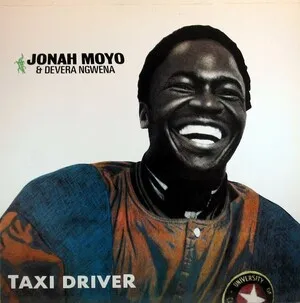
Taxi Driver
Devera Ngwena Jazz Band
Sungura
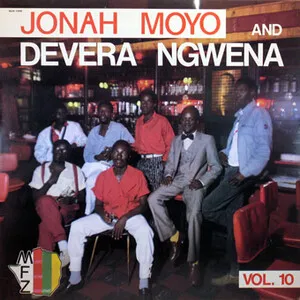
MFZ Vol. 10
Devera Ngwena Jazz Band
Sungura
Devera Ngwena 5
Devera Ngwena Jazz Band
Sungura
Devera Ngwena 5
Devera Ngwena Jazz Band
Rhumba
Similar artists
3
/5
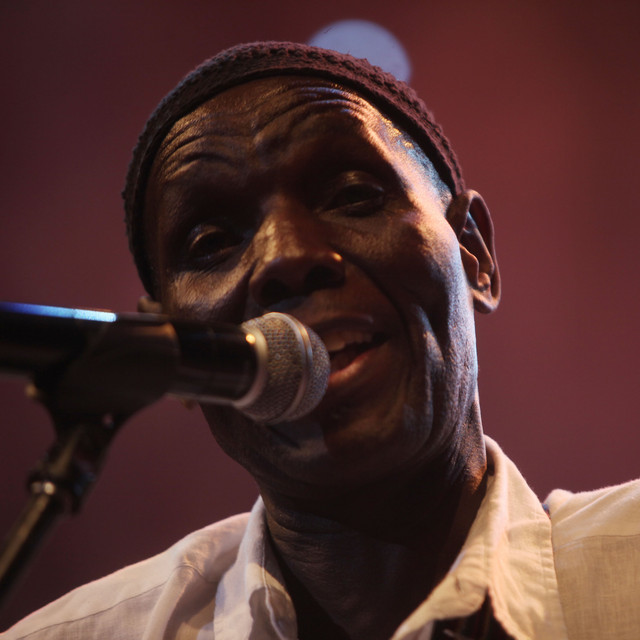
Oliver Mtukudzi
Chimurenga
Sungura
Venda Pop
2
/5
Marshall Munhumumwe
Chimurenga
Sungura
Congolese Rumba
3
/5
Leonard Dembo
Sungura
Zim Urban Groove
Venda Pop
2
/5
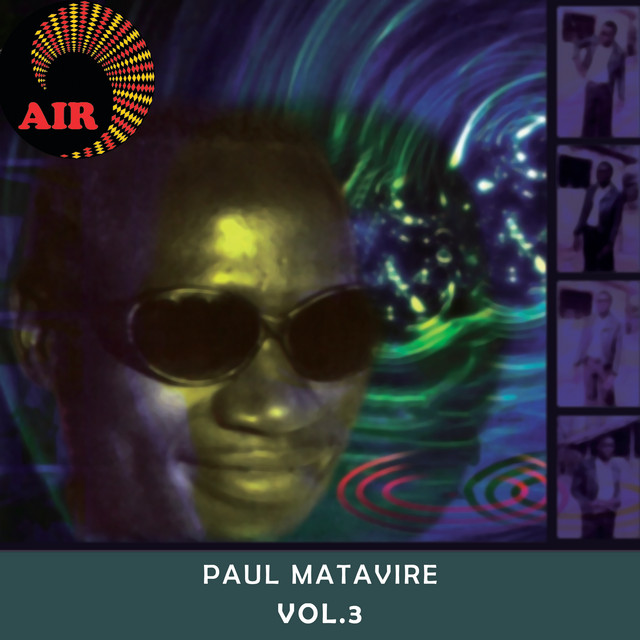
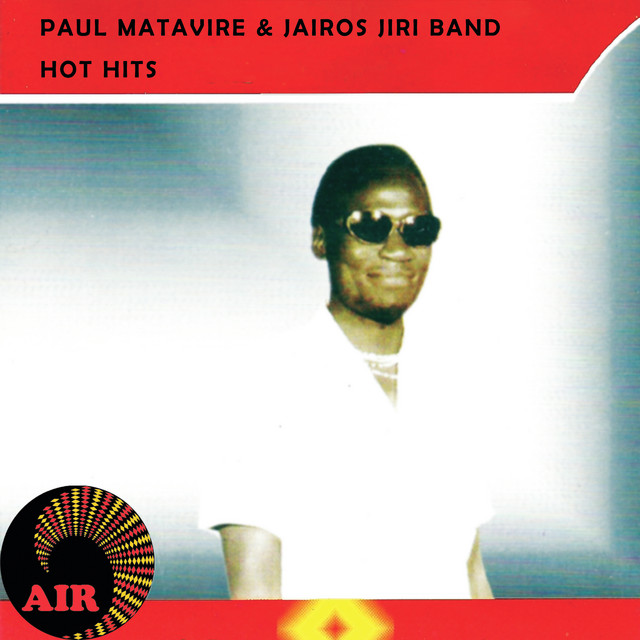
Paul Matavire
Sungura
Congolese Rumba
Jit
2
/5
Leonard Zhakata
Congolese Rumba
Rhumba
Sungura
1
/5
Jairos Jiri Band
Congolese Rumba
Jit
Sungura
2
/5
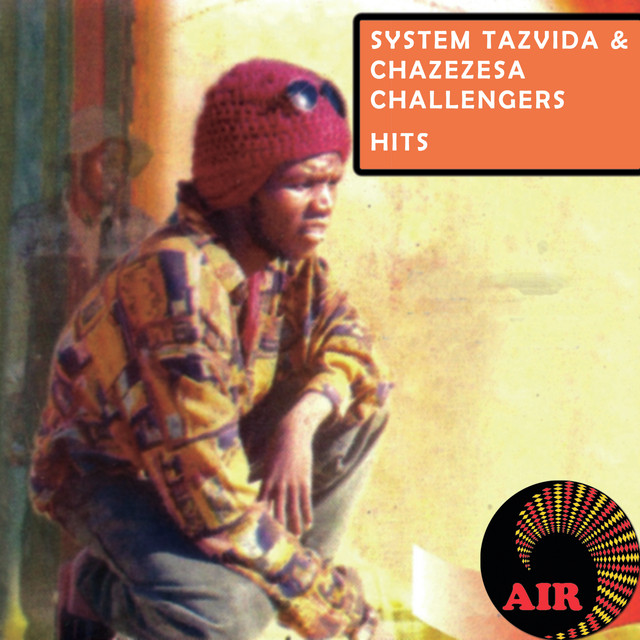
System Tazvida & Chazezesa Challengers
Congolese Rumba
Jit
Sungura
1
/5
Jonah Moyo & Devera Ngwena Jazz Band
Congolese Rumba
Jit
Sungura
3
/5
Alick Macheso
Sungura
Congolese Rumba
Zimdancehall
2
/5
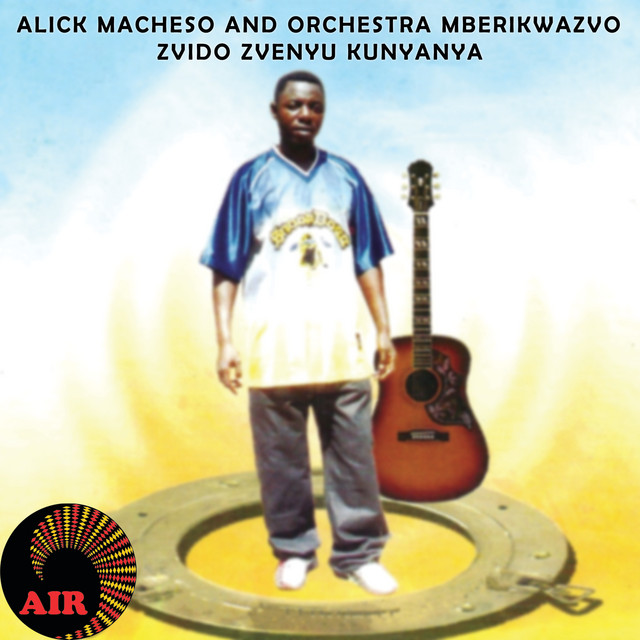
Alick Macheso and Orchestra Mberikwazvo
Sungura
Congolese Rumba
Zim Urban Groove
Download our mobile app
Get the Melodigging app and start digging for new genres on the go
Download on the App Store
Get it on Google Play
© 2026 Melodigging
Give feedback
Legal
Melodding was created as a tribute to
Every Noise at Once
, which inspired us to help curious minds keep digging into music's ever-evolving genres.