Your digging level
Description
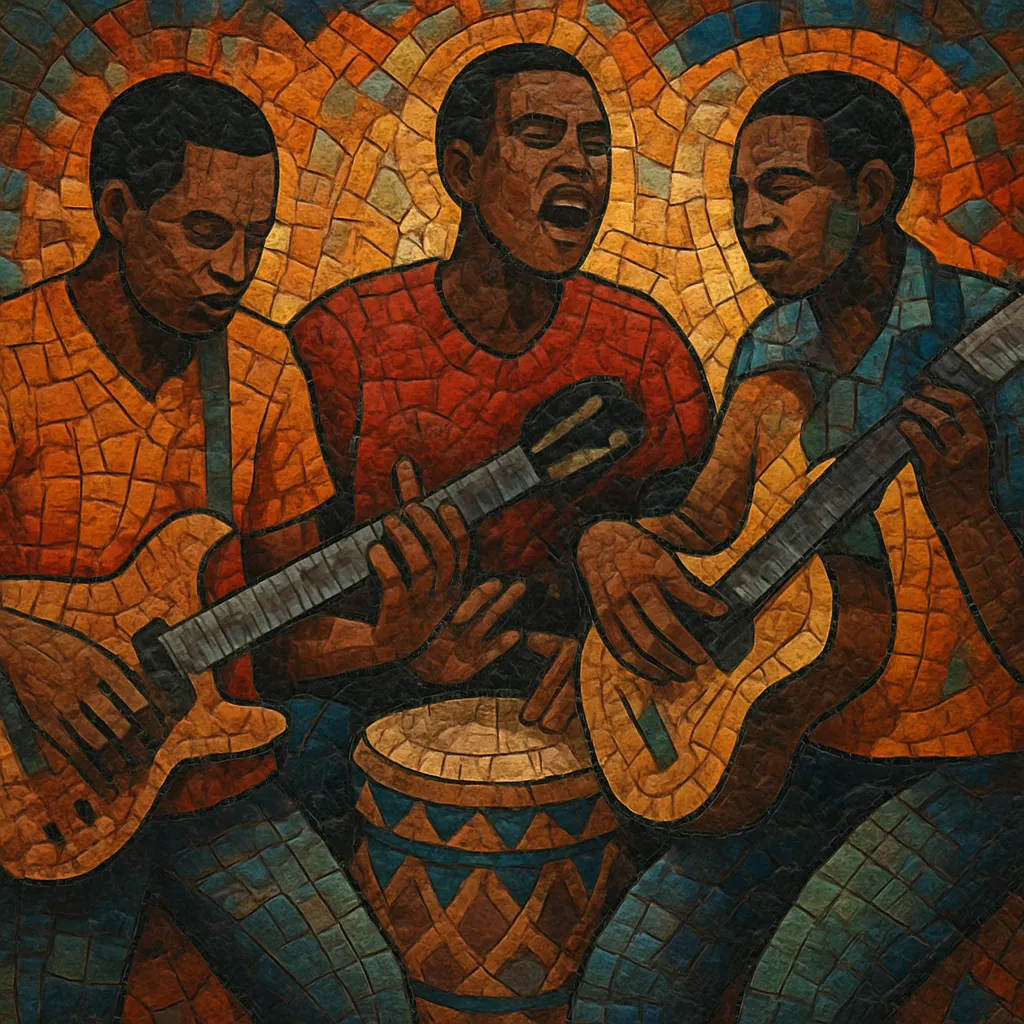
Jit (also called jiti) is a fast, guitar-driven dance music from Zimbabwe characterized by bright, interlocking lead and rhythm guitar lines, propulsive bass, and a driving 4/4 drum pulse. The groove often translates traditional mbira (thumb piano) patterns onto electric guitars, yielding a shimmering, tightly woven texture meant for exuberant social dancing.
Songs are typically sung in Shona (and sometimes Ndebele), with call-and-response refrains, community handclaps, and hosho (shaker) accents. Harmonies favor major keys and cyclical I–IV–V progressions, while melodies are concise and hook-forward. The overall feel is joyous, kinetic, and communal, with tempos commonly in the 130–160 BPM range.
History
Jit emerged in the 1970s in Zimbabwe’s high-density urban townships, where local dance bands adapted traditional mbira rhythms to electric guitars and drum kits. Musicians drew on the cyclical melodic logic of Shona mbira music and the convivial energy of beerhall performance culture, blending these with the lilt of Congolese rumba and soukous, and the brisk guitar-jive feel circulating across southern Africa.
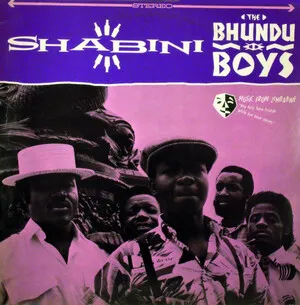
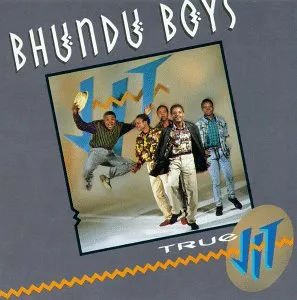
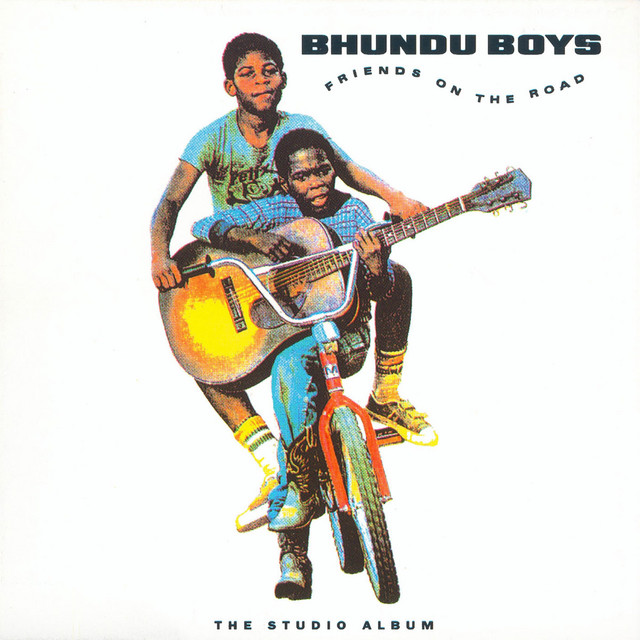
After Zimbabwe’s 1980 independence, jit crystallized as a distinct popular style. Groups like the Bhundu Boys, The Four Brothers, and John Chibadura & The Tembo Brothers sharpened the sound: bright, interlocking guitars; quick-tempo rhythms; and call-and-response vocals. The Bhundu Boys’ “jit jive” branding helped the music travel internationally in the mid-to-late 1980s, gaining UK radio play, festival slots, and critical acclaim, and introducing many listeners to modern Zimbabwean guitar music.
Jit developed alongside, and in dialogue with, sungura—another Zimbabwean guitar style influenced by Congolese dance music. While both share quick tempos and intricate guitar picking, jit generally emphasizes shorter, hooky vocal refrains and a leaner, dance-forward groove. The two styles cross-pollinated throughout the 1980s and 1990s, with bands and musicians moving between them and borrowing arrangement ideas.
Although later waves of Zimbabwean pop (including sungura’s dominance and, later, urban styles) rebalanced the landscape, jit remains a core reference in the nation’s dance band tradition. Its guitar language, communal performance practice, and celebratory feel continue to inform Zimbabwean popular music and contributed to the wider worldbeat moment that embraced African guitar bands in the 1980s.

Top albums

Best playlists