Your digging level
Description
Sungura is a high-energy, guitar-driven popular music style from Zimbabwe characterized by interlocking lead and rhythm guitar lines, a melodic and highly active bass, and relentless danceable grooves. It blends Congolese rumba/soukous guitar phrasing with Kenyan benga’s bright, trebly picking and local Shona rhythmic sensibilities.
Songs often feature extended instrumental passages, call-and-response vocals, and socially grounded lyrics delivered primarily in Shona (and sometimes Ndebele or English). Typical tempos are fast (roughly 120–160 BPM) with a 4/4 or loping 12/8 feel, propelled by drum kit, shakers (hosho), and occasional hand percussion. The mood is celebratory yet reflective, with storytelling that addresses love, morality, work, and everyday life.

History
Sungura emerged in Zimbabwe in the early 1980s as bands adapted Congolese rumba/soukous guitar idioms and Kenyan benga picking to local tastes and Shona rhythmic speech patterns. Early groups such as The Sungura Boys (featuring figures like Ephraim Joe, Nicholas Zakaria, and Simon Chimbetu) helped codify the fast tempos, interlocking guitars, and melodic bass that became signatures of the style.
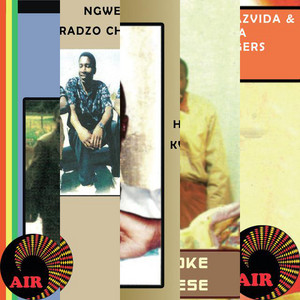
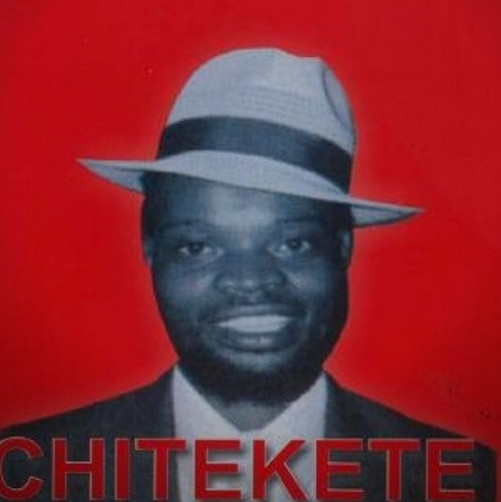
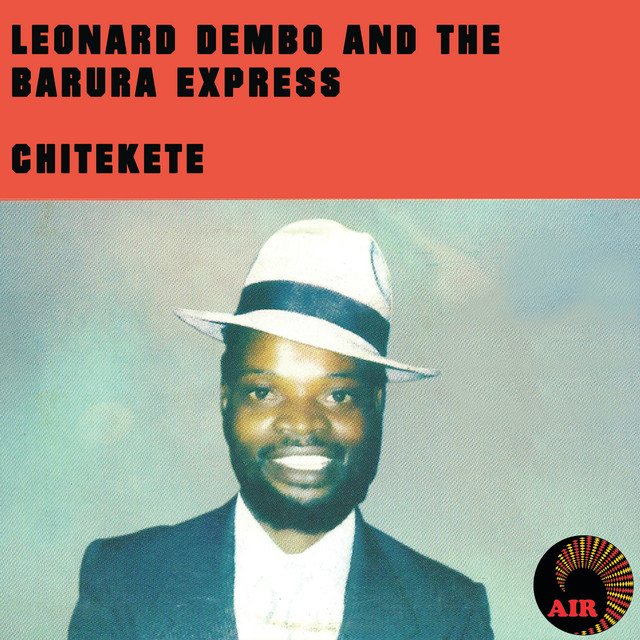
By the 1990s, sungura had become the dominant dance band music in Zimbabwe. Artists such as Leonard Dembo (with Barura Express), John Chibadura (with the Tembo Brothers), and System Tazvida (with Chazezesa Challengers) released hugely popular records that emphasized narrative lyrics, memorable hooks, and extended instrumental codas. The scene developed a strong live culture, with marathon performances and competitive showmanship.
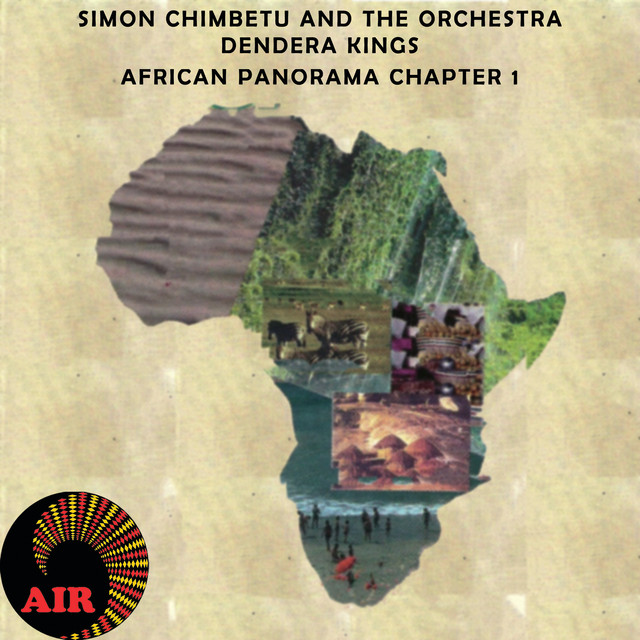
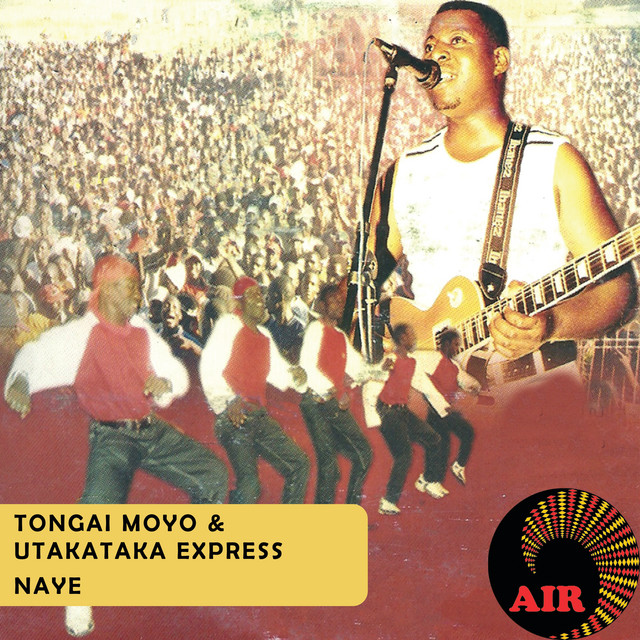
Alick Macheso, known for his exceptionally melodic and technically advanced bass playing, redefined the style’s low-end role, turning the bass into a lead voice. Tongai Moyo and Nicholas Zakaria sustained the genre’s mass appeal with prolific touring and radio hits. While closely related genres (e.g., dendera associated with Simon Chimbetu) carved parallel identities, they continued to intermix with sungura on stages and airwaves.
Shifts in youth taste toward urban grooves, dancehall, and Afrobeats affected sungura’s chart dominance, yet the genre remains a bedrock of Zimbabwean popular music. Veteran bands continue to tour, new leaders (e.g., Romeo Gasa) carry the torch, and the style’s guitar language remains integral to Zimbabwe’s musical identity and diaspora events.
Sungura shaped Zimbabwe’s modern band sound, delivering a distinct guitar vocabulary, dance feel, and lyrical ethos that continue to influence live performance practice and popular songwriting across the region.