Your digging level
Description
Zim gospel (Zimbabwean gospel) is a faith-centered popular music from Zimbabwe that blends church hymnody and choral traditions with indigenous rhythms, guitar-driven dance styles, and modern pop production. Lyrics are most often in Shona and Ndebele (with some English), focusing on worship, testimony, and moral exhortation.
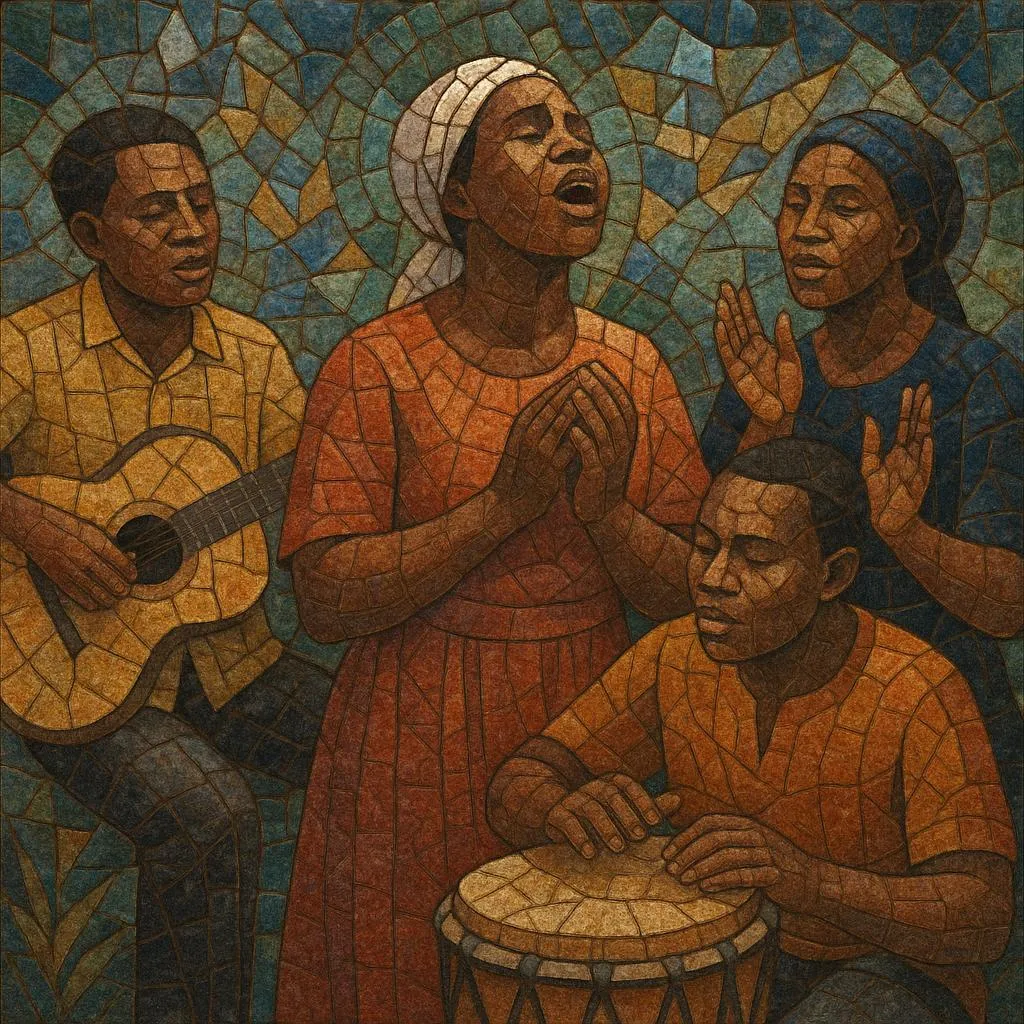
Musically, it fuses four-part choral textures and call-and-response with sungura/jiti-style interlocking guitars, polyrhythmic percussion (hosho shakers, handclaps, drum kit), and the tonal sensibilities of mbira and marimba music. Contemporary strands also fold in Afro‑pop, Afro‑jazz, and even South African house grooves, while maintaining the uplifting spirit, congregational energy, and scripture-rooted messaging that define gospel.
History
Christian hymn-singing and choral music were introduced to what is now Zimbabwe through mission schools and church denominations in the late 19th and early 20th centuries. Over time, congregations localized hymn tunes, singing in Shona and Ndebele and adopting call-and-response and handclap patterns. By the 1960s–70s, church ensembles and radio programs helped seed a local gospel identity distinct from Western hymnody.
In the 1980s, pioneers such as Mechanic Manyeruke, Jordan Chataika, and Brian Sibalo brought gospel into the public popular-music sphere. They married testimonies of faith with dance-band instrumentation, borrowing guitar styles and rhythmic feels from sungura, jit/jiti, and chimurenga-inflected pop. This period established the template: interlocking guitars, buoyant grooves, and choral responses supporting devotional lyrics.
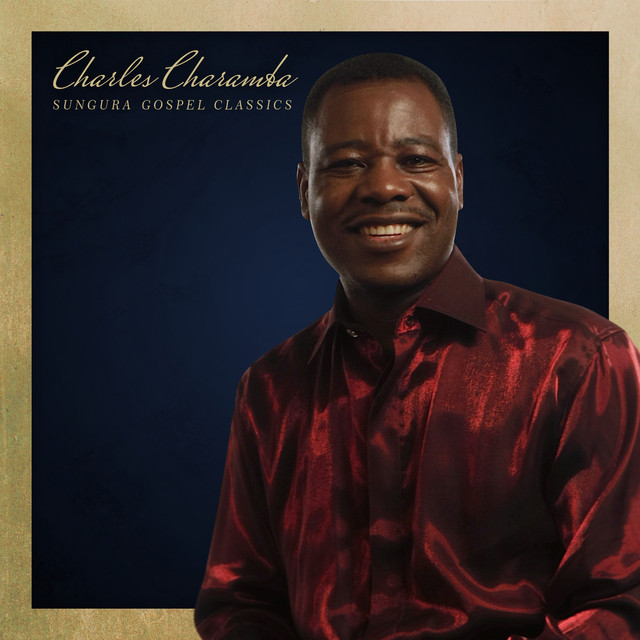
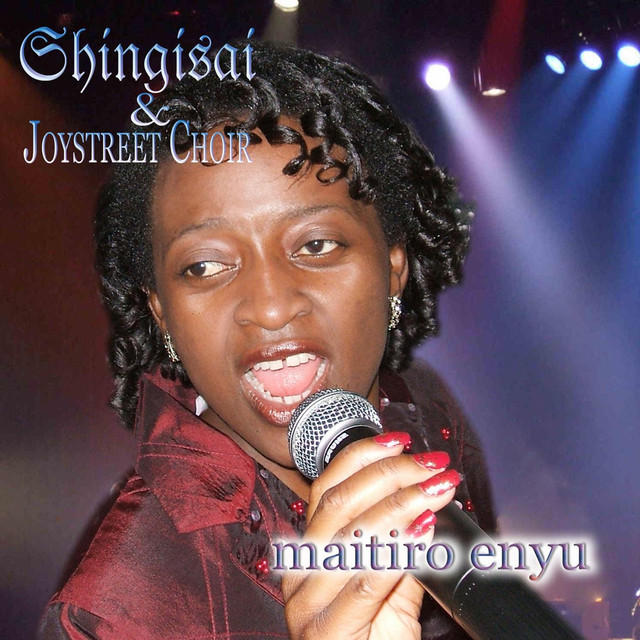
The 1990s saw a commercial surge as artists and church choirs recorded widely in Harare and Bulawayo. Figures like Charles Charamba (often with Olivia “Mai” Charamba) and Shingisai Suluma popularized polished, scripture-rich songs that appealed both in churches and on mainstream radio. Independent labels and cassette/CD distribution enabled gospel to move from church halls to urban dance floors while keeping its worship mandate.
In the 2000s, Zim gospel diversified: some artists leaned into Afro‑jazz harmonies, others amplified sungura’s drive, and large mass-choir productions brought arena-scale worship to the fore. Producers integrated keyboards, synth pads, and tighter drum programming, without abandoning hosho shakers, handclaps, and call‑and‑response hooks. Cross-border collaborations with South African scenes increased the music’s regional profile.
Since the 2010s, the sound has absorbed Afro‑pop and house elements, and digital platforms have amplified its reach within the diaspora. Choir ministries and solo artists alike balance worship ballads with danceable praise anthems. While modern production and stagecraft have grown more elaborate, core traits—vernacular devotion, communal singing, and rhythmic uplift—continue to define Zim gospel’s identity at home and abroad.