Genres
Artists
Albums
Make Music
Sign in
Sign in
Artists
Danzón
Artists
Danzón
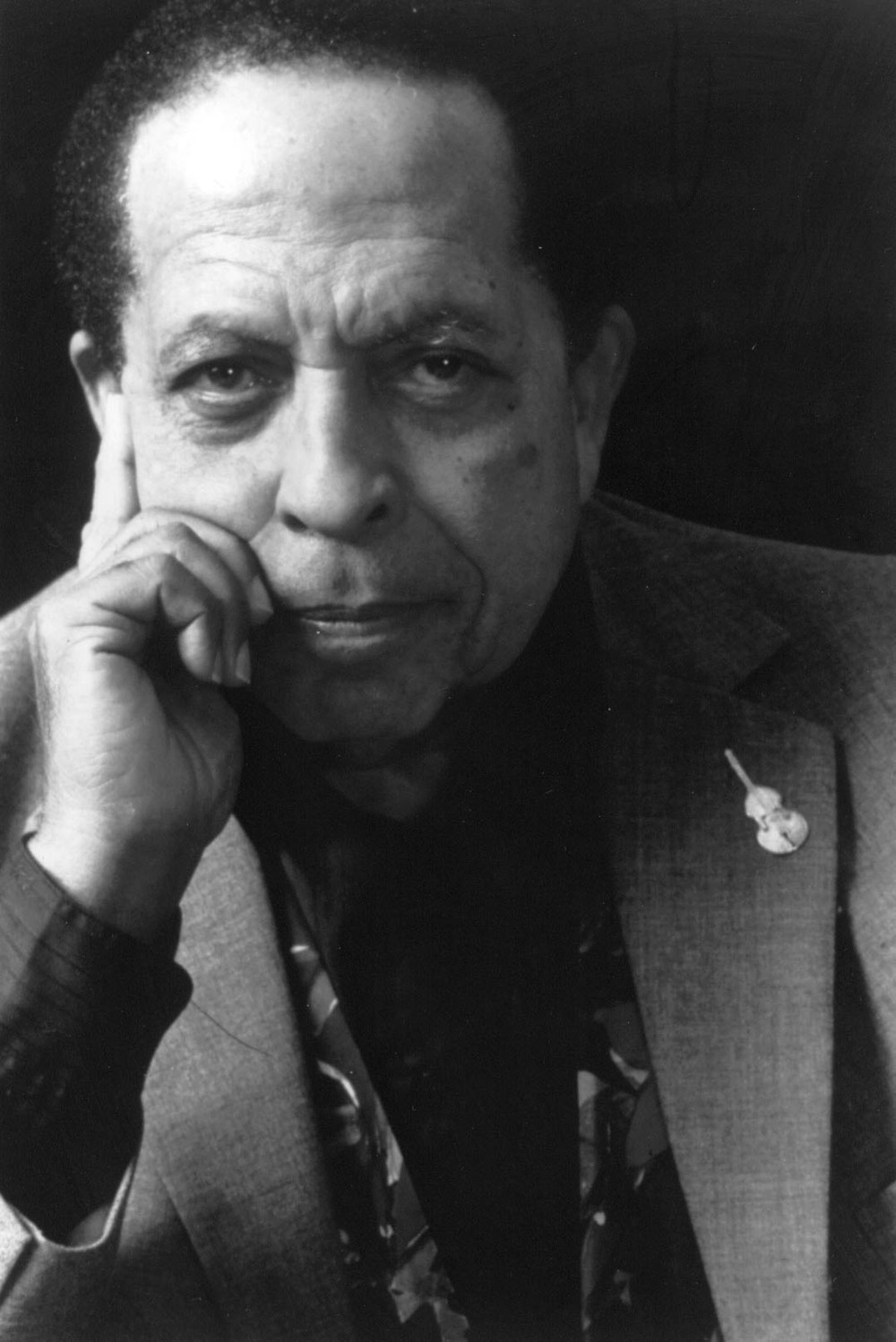
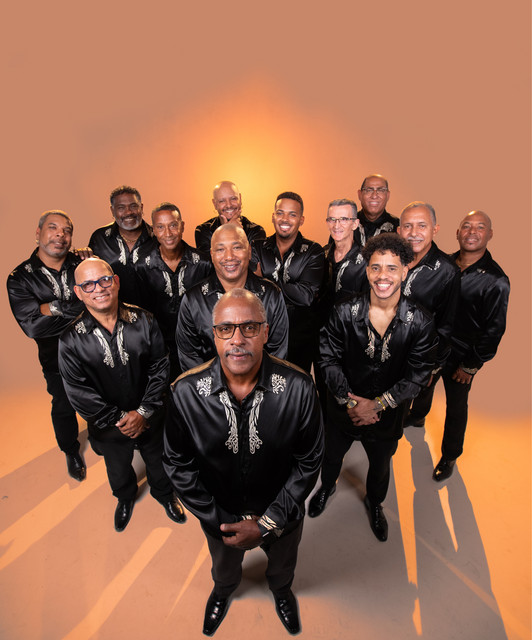
Cachao
1977–2018
·
11 albums
Listen
2
/5
Genres
Salsa
Salsa is a pan–Latin dance music forged primarily in New York City by Puerto Rican, Cuban, and other Caribbean diasporas. It synthesizes Afro‑Cuban rhythmic blueprints, Puerto Rican bomba and plena, jazz harmony, big‑band horn writing, and Nuyorican street culture into a tightly arranged yet improvisation‑friendly style. The music lives on the clave (either 2‑3 or 3‑2), with layered percussion (congas, bongó, timbales, cowbell, güiro, maracas), a tumbao bass that anticipates the beat, and piano montuno guajeos that interlock with the rhythm section. Call‑and‑response vocals (coro/pregón), punchy horn mambos and moñas, and instrumental solos energize the montuno section. Tempos range from medium to fast in 4/4, optimized for social dancing (commonly “on1” or “on2”). Across decades, salsa has branched into harder, percussion‑forward “salsa dura,” smoother “salsa romántica,” and regional scenes in Puerto Rico, Venezuela, and Colombia, while continuing to influence—and be influenced by—neighboring tropical and jazz idioms.
Discover
Listen
Descarga
Descarga is the Cuban tradition of extended, largely improvised jam sessions built on Afro‑Cuban dance grooves and montuno vamps. Emerging in 1950s Havana and later flourishing in New York, it brought the spontaneity of jazz to Cuban popular forms such as son, mambo, and chachachá. Typically recorded by all‑star studio ensembles, descargas feature rotating solos over repeating guajeos (ostinatos), anchored by the clave and a driving percussion section. They are celebratory, high‑energy gatherings where arrangers set up simple harmonic frameworks and horn "moñas" (riffs), then let the players stretch out.
Discover
Listen
Latin Jazz
Latin jazz is a fusion of jazz harmony and improvisation with Afro–Latin American rhythms, song forms, and percussion. It combines the swing, bebop, and big-band traditions with clave-based grooves such as son, rumba, danzón, and mambo, and later integrates Brazilian feels like samba and bossa nova. Typical features include the use of the clave (2–3 or 3–2), piano montunos (guajeos), bass tumbao patterns, timbales cáscara, conga marcha, and call-and-response horn "mambo" figures. While the rhythm section locks into cyclical patterns, soloists improvise using the vocabulary of jazz, creating music that is both danceable and harmonically rich.
Discover
Listen
Mambo
Mambo is a Cuban dance music style that crystallized in the late 1930s from danzón and son montuno, then exploded internationally in the 1940s and 1950s. It is characterized by layered syncopations under the Afro‑Cuban clave, driving bass tumbaos, piano montunos, and powerful antiphonal horn riffs known as moñas or "mambo" sections. In its classic big‑band form, mambo blends Cuban rhythmic vocabulary with jazz and swing arranging, featuring trumpets, trombones, and saxophones over a rhythm section of congas, bongos, timbales, cowbell, bass, and piano. The result is high‑energy, riff‑driven music built for social dancing and floor‑filling excitement.
Discover
Listen
Son Cubano
Son cubano is a foundational Cuban genre that fuses Spanish-derived song forms and harmony with Afro-Cuban rhythms and percussion. Born in eastern Cuba (Oriente) and crystallized in Havana in the 1910s–1920s, it became the backbone of much of 20th‑century Latin popular music. Typical ensembles began as sextetos (tres, guitar, bongó, maracas, claves, and bass or marímbula) and later evolved into septetos with trumpet. Conjunto formats in the 1940s added piano, congas, and multiple horns. The music rides a son clave (in 3‑2 or 2‑3 orientation), features interlocking tres guajeos, a walking/tumbao bass that anticipates the downbeat, and call‑and‑response vocals in the montuno section. Harmonically it is rooted in I–IV–V with bluesy dominant sevenths and occasional secondary dominants. Lyrically it balances romance, everyday life, and streetwise wit, always aimed at dancing and social gathering.
Discover
Listen
Conga
Conga is an Afro-Cuban street-carnival music and rhythm associated with the comparsas of Santiago de Cuba, Camagüey, and Havana. In this context, “conga” names both the large, costumed procession (comparsa) and the driving, syncopated music that propels it through the streets during carnival. Evolving alongside rumba in the late 19th century, conga features a large, heterogeneous percussion battery playing layered, off-beat patterns over a propulsive 2/4 march feel. The core sound comes from tumbadoras (conga drums), bass drums with cymbal attachments (bombo con platillo), cowbells, shakers, metal objects (such as frying pans), and snare-like drums; many Eastern Cuban comparsas also feature the piercing corneta china (a Chinese suona) that leads the melodies and signals choreographic changes. Vocals are typically in call-and-response, and some ensembles add small brass or winds for melodic punctuations. Unlike studio dance styles, conga is inseparable from spectacle: it is collective, participatory music for processions, with set choreographies, flags, and banners. Its groove is simple to hear but rhythmically intricate under the surface, interlocking straight-ahead marching strokes with Cuba’s characteristic syncopations and cinquillo-derived accents.
Discover
Listen
Danzón
Danzón is a refined Cuban dance-music genre that emerged in the late 19th century and became the island’s national dance. It is characterized by an elegant, measured tempo, a promenading introduction called the paseo, and a succession of graceful, melodically rich themes. Rhythmically, danzón is anchored by Afro-Cuban syncopations such as the tresillo and the cinquillo, articulated by güiro and timbales (paila) over a steady bass. Traditionally performed by charanga ensembles—featuring wooden flute, violins, piano, string bass, güiro, and timbales—the style epitomizes salon sophistication while retaining a distinctly Afro-Caribbean rhythmic identity.
Discover
Listen
Cuban Music
Cuban music is the rich, syncretic musical tradition of Cuba, shaped by the meeting of Spanish/European song forms and West/Central African rhythms. Its heartbeat is the clave—a two-measure rhythmic cell (3–2 or 2–3) that organizes percussion, melody, and harmony across styles. From the contradanza and habanera of the 19th century to danzón, rumba, and son cubano in the early 20th century—and later mambo, cha-cha-chá, nueva trova, songo, and timba—Cuban music has continually reinvented itself while retaining its core Afro‑Cuban rhythmic language. Typical instruments include the tres (Cuban guitar), bongó, congas, timbales, güiro, maracas, cowbell, bass, piano (playing guajeos/montunos), and bright horn sections. Beyond the island, Cuban music has profoundly influenced global popular music—fueling the rise of salsa and Latin jazz and reshaping dance music worldwide—while continuing to honor deep connections to Yoruba/Lukumí religious drumming and Spanish lyrical traditions.
Discover
Listen
Show all 8 genres
Albums
2018
2
/5
Cuban Jam Sessions in Miniature "Descargas"
Cachao y su Ritmo Caliente
Descarga
Cuban Music
2000
1
/5
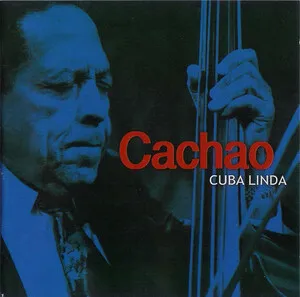
Cuba linda
Cachao
Descarga
1977
1
/5
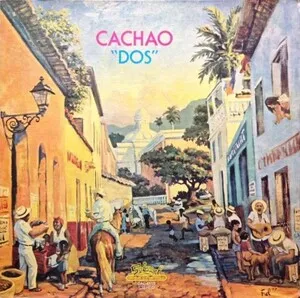
Dos
Cachao
Conga
Danzón
Descarga
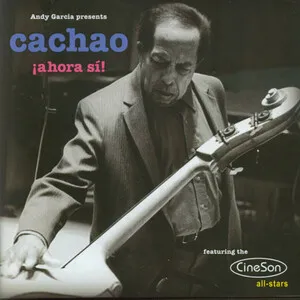
¡Ahora sí!
Cachao
Descarga
Master Sessions, Volume II
Cachao
Descarga
Master Sessions, Volume 1
Cachao
Descarga
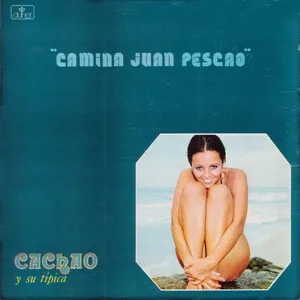
Camina Juan Pescao
Cachao
Danzón
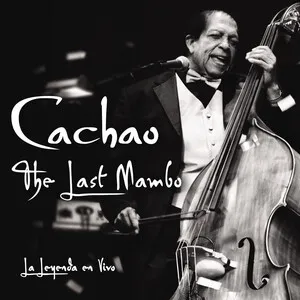
The Last Mambo
Cachao
Danzón
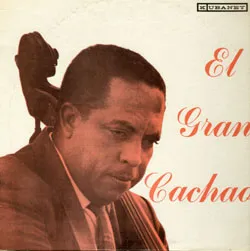
El gran Cachao
Cachao
Danzón
Master Sessions, Volume II
Cachao
Danzón
Master Sessions, Volume 1
Cachao
Danzón
Similar artists
3
/5
Orquesta Aragón
Chachachá
Charanga
Danzón
3
/5
Eddie Palmieri
Salsa
Salsa Dura
Latin Jazz
3
/5
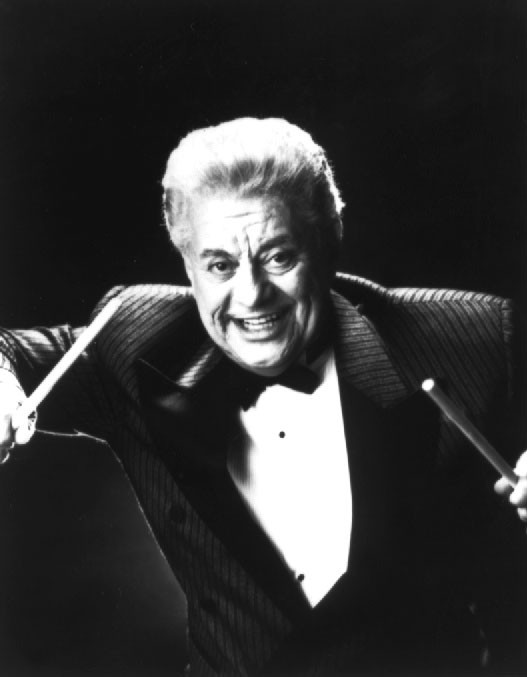
Tito Puente
Mambo
Chachachá
Latin
3
/5
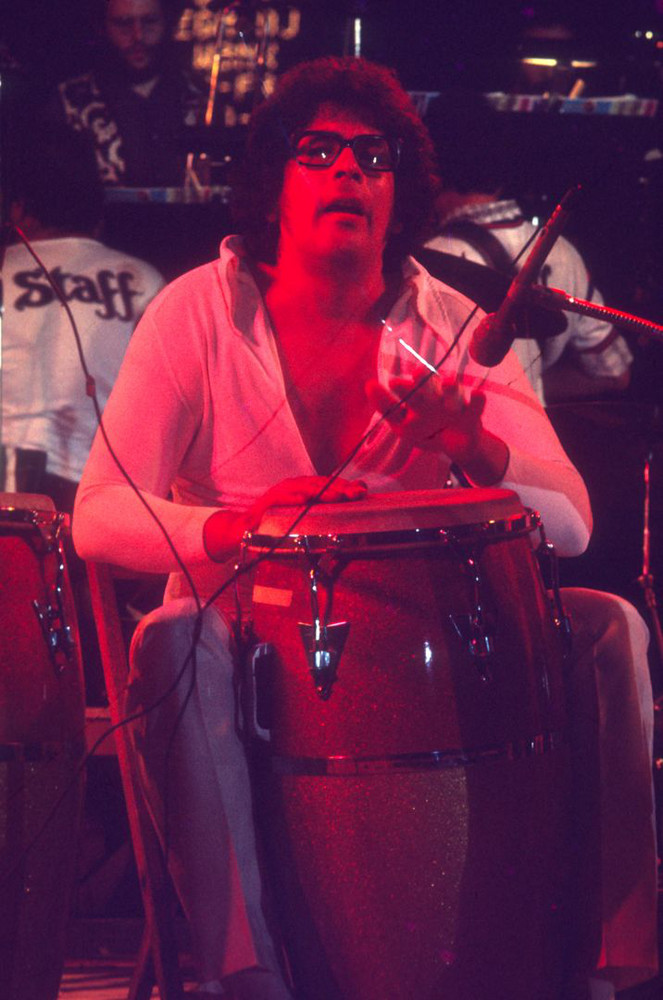
Ray Barretto
Salsa
Latin Jazz
Son Cubano
3
/5
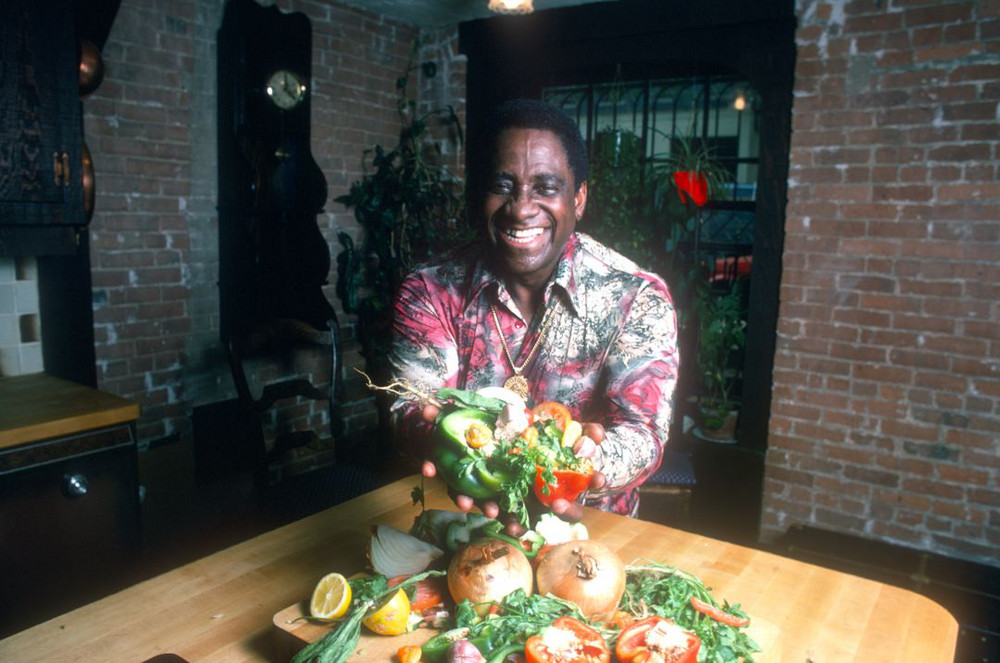
Mongo Santamaria
Rumba Cubana
Boogaloo
Mambo
1
/5
Manny Oquendo
Latin Jazz
Mambo
Salsa
1
/5
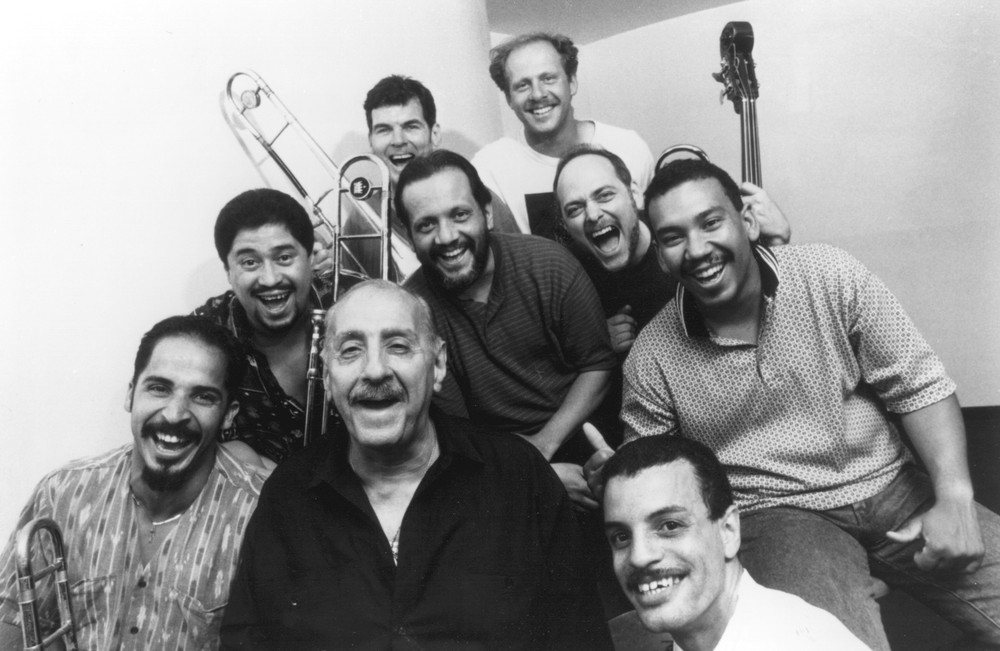
Cachao y su Conjunto
Latin Jazz
Mambo
Son Cubano
3
/5
Ruben Gonzalez
Latin Jazz
Son Cubano
Afro-Cuban Jazz
3
/5
Fania All Stars
Latin Disco
Chachachá
Descarga
3
/5
Joe Cuba Sextet
Boogaloo
Bolero
Chachachá
Download our mobile app
Get the Melodigging app and start digging for new genres on the go
Download on the App Store
Get it on Google Play
© 2026 Melodigging
Give feedback
Legal
Melodding was created as a tribute to
Every Noise at Once
, which inspired us to help curious minds keep digging into music's ever-evolving genres.