Genres
Artists
Albums
Make Music
Sign in
Sign in
Artists
Mathcore
Artists
Mathcore
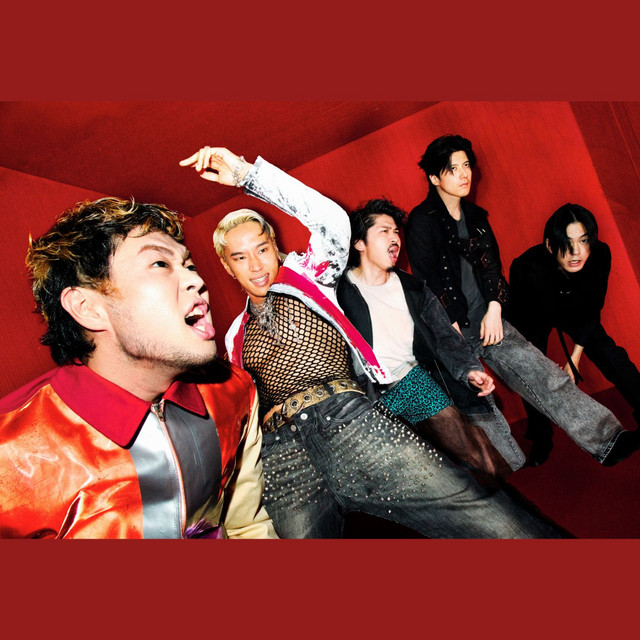
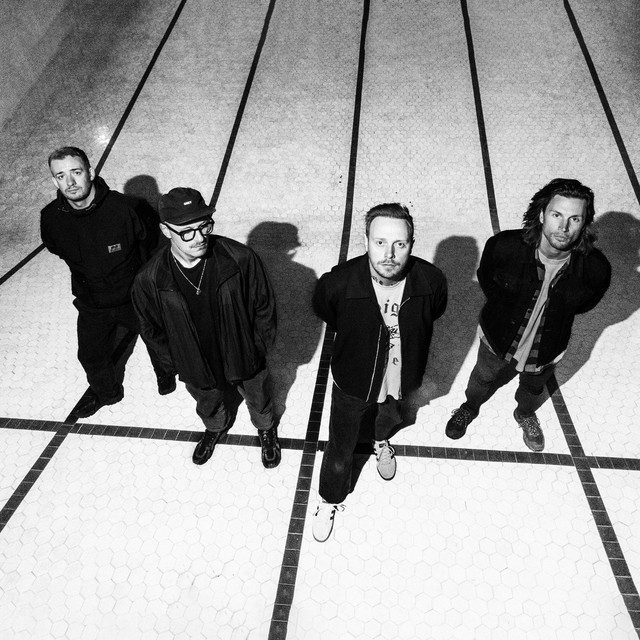
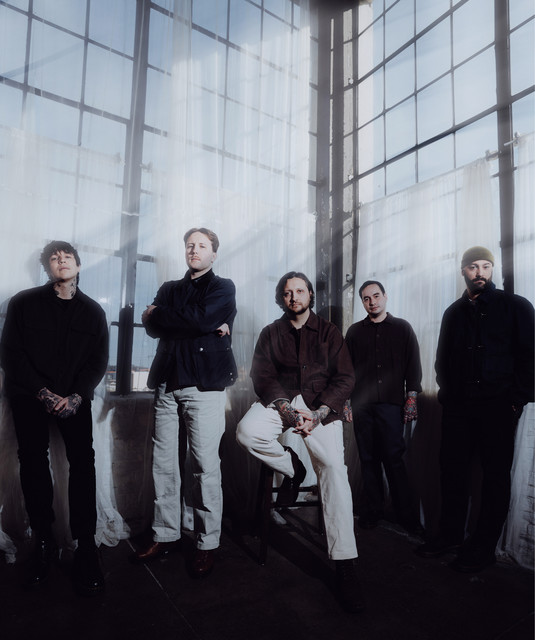
Paledusk
2025
·
1 album
Listen
4
/5
Genres
Asian Rock
Asian Rock (in the contemporary online-rap sense) is a pluggnb-derived microstyle that fuses the dense, bouncy percussion of pluggnb with bright, anime/Asian-rock-tinged melodic cues. Production typically layers airy bells, mallet or synth plucks, and shimmering pads with soaring synthetic guitar leads that nod to Japanese rock and anime-score aesthetics. Vocals lean melodic—half-sung, half-rapped—with light autotune and emotive hooks, riding swung hi-hats, skipping rimshots, and rubbery 808 slides. Rather than a geographic tag, this style labels a sonic palette: internet-native trap built on pluggnb drums and glossy, nostalgic melodies that evoke anime openings and J-rock guitar heroics.
Discover
Listen
Hyper-Rock
Hyper-rock is a contemporary fusion that welds glitchy, high-gloss hyperpop sound design to the riffs, songcraft, and catharsis of alternative and pop-punk–leaning rock. Productions typically feature blown-out drums, distorted guitars, sub-heavy 808s, and extreme vocal processing (hard autotune, formant shifting) delivered at adrenalized tempos. The genre embraces sudden switch-ups, meme-age collage aesthetics, maximalist drops, and compressed, internet-native songwriting. It keeps the immediacy of pop hooks while channeling the grit and angst of emo and post-hardcore, often presenting vulnerable lyrics through an aggressively modern, digital sheen.
Discover
Listen
Men Chika
Men chika (メン地下) is the Japanese underground male idol scene, made up of boy groups who perform high-energy J‑pop and dance-pop in small live houses, theaters, and idol events rather than on major mainstream stages. Musically it blends glossy J‑pop songwriting with club-ready EDM/electropop production, punchy hooks built for call-and-response, and chant breaks designed for wotagei/fan MIX participation. Songs commonly feature bright synths, four-on-the-floor or trap-inflected grooves, stacked gang shouts, and key‑change finales. Lyrically the focus is on youth, dreams, devotion, and intimacy with fans—reinforced by close-contact fan practices like cheki (instax photos) and meet-and-greets. Culturally, men chika parallels the long-running “chika idol” (underground idol) movement on the women’s side, but orients to a largely female fanbase and a circuit centered on Tokyo live houses and regional circuits. It is as much a participatory fan culture as it is a sound, shaping how songs are arranged, staged, and monetized.
Discover
Listen
Nu-Metalcore
Nu‑metalcore (often nicknamed "nu‑core") blends the bounce, hip‑hop inflections, and downtuned groove of late‑1990s nu metal with the breakdown‑heavy aggression and precise syncopation of 2000s metalcore. Expect sharply gated, low‑tuned riffs, halftime drops, and elastic grooves that swing between punchy chugs and percussive, djent‑like accents. Vocals typically jump from harsh screams and pitched‑down growls to rap‑leaning cadences and hooky, melodic choruses. Electronic textures—turntable cuts, glitch edits, sub‑drops, and 808 layers—are common, supporting a glossy yet crushing modern production aesthetic. Lyrically, the style carries nu metal’s confessional angst and social frustration while adopting metalcore’s cathartic intensity and mosh‑centric energy. The result is a contemporary, club‑ready heaviness that feels both nostalgic and forward‑looking.
Discover
Listen
Speedrun
Speedrun is a gaming-adjacent EDM microgenre designed for adrenaline, focus, and momentum. It blends hyper-energetic drops with catchy, game-like melodies and rapid switch‑ups that mirror the pace and tension of timed gameplay. Typically sitting between 140–175+ BPM, the style pivots between half‑time dubstep weight, electro/complextro riffing, glitchy fills, and drum & bass acceleration. Producers favor bright, synthetic leads (often with chiptune flourishes), tightly sidechained supersaws, and animated bass design that stays clean and punchy for streaming. The mood is triumphant, high‑octane, and “level‑up” cinematic—made to keep speedrunners and viewers locked in.
Discover
Listen
Blackened Screamo
Blackened screamo is a hybrid of skramz-era screamo and second‑wave black metal aesthetics. It blends the genre’s raw, emotionally charged vocals and desperate dynamic surges with tremolo‑picked guitar figures, blast beats, and an enveloping, cold atmosphere. Typical songs pivot between blistering speed and mournful, reverb‑drenched expanses. The harmony favors minor keys, dissonant clusters, and chromatic movement, while production often embraces intentional abrasion—lo‑fi edges, room bleed, and cavernous ambience—to intensify the sense of urgency and bleakness. Lyrically, blackened screamo carries screamo’s confessional, existential, and socially critical core, but frames it with black metal’s desolate, sometimes apocalyptic tone. The result is a cathartic, high‑intensity style that feels both immediate and vast.
Discover
Listen
Post-Post-Hardcore
Post-post-hardcore is a polished, third-wave offshoot of post-hardcore that crystallized in the 2010s. It fuses the genre’s emotive, dynamic vocals and tension-release structures with modern pop hooks, electronic programming, and metalcore heft. Compared with classic post-hardcore, it favors glossy production, radio-leaning choruses, and hybridized textures—think syncopated djent-lite riffs under bright synths, EDM-style risers and drops, half-time breakdowns, and call-and-response vocals (screamed versus soaring cleans). The result is an accessible yet intense sound that thrives in the internet era of playlists, YouTube covers, and scene cross-pollination.
Discover
Listen
Djent
Djent is a substyle of progressive metal defined by ultra-tight, low‑tuned, palm‑muted guitar riffs that create a percussive, onomatopoeic "djent" sound. It favors extended‑range instruments (7–9 strings), precise rhythmic subdivision, and a highly articulate, modern production aesthetic. Sonically, djent emphasizes polyrhythms, syncopation, and metric modulation, often pairing dense, chugging grooves with ambient clean guitars, spacious synth pads, and melodic choruses. Vocals range from harsh screams and growls to soaring cleans, while drums and bass lock tightly to the rhythmic grid, accenting the guitar’s staccato patterns. Although the term took off online in the late 2000s, the core rhythmic and timbral blueprint traces to the 1990s work of Swedish band Meshuggah.
Discover
Listen
Electronicore
Electronicore is a fusion of post-hardcore/metalcore and electronic dance music. It blends down-tuned, chugging guitars, double-kick breakdowns, and screamed/clean call-and-response vocals with club-ready synths, sidechained pads, risers, and drop-centric song structures. Typical tracks juxtapose verses rooted in metalcore energy with EDM-style builds and explosive drops that can reference trance, electro house, or dubstep. Production is as central as performance: sequenced arpeggios, supersaws, wobble/growl basses, and glitch edits are arranged alongside live drums or tight sample-reinforced kits. Lyrically, electronicore keeps the emotive intensity of post-hardcore—introspection, catharsis, and youth-culture themes—while adopting EDM’s hook-forward choruses and festival scale.
Discover
Listen
Melodic Metalcore
Melodic metalcore blends the harmonized guitar leads and minor-key melodicism of Gothenburg-style melodic death metal with the breakdown-heavy aggression and song structures of metalcore. It is characterized by dual vocal approaches that alternate between harsh screams and soaring clean choruses, along with tightly palm-muted riffs and double-kick driven drumming. Typical arrangements feature verse–pre-chorus–chorus structures, with a post-chorus hook, a melodic guitar solo, and a climactic breakdown. Tunings are often dropped (Drop C, Drop B, or lower), and guitar parts favor harmonized lines in thirds, pedal-point riffs, and modal color from Aeolian and Phrygian. Lyrical themes usually focus on resilience, introspection, personal struggle, and catharsis.
Discover
Listen
Mathcore
Mathcore is an extreme offshoot of metalcore and hardcore punk characterized by rapid-fire shifts in meter, tempo, and texture. It emphasizes dissonant, angular riffing; complex, polymetric drum patterns; and whirlwind song structures that often feel deliberately chaotic. The genre fuses the precision and rhythmic gamesmanship of math rock with the aggression of hardcore and the density of extreme metal. Songs routinely feature sudden stops, blast beats, start–stop riffing, odd time signatures, and atonal or chromatic harmonies, producing a sound that is tense, volatile, and cathartic.
Discover
Listen
Metalcore
Metalcore is a fusion of hardcore punk’s urgency and ethos with heavy metal’s riff language and technicality. It is defined by tightly palm‑muted riffs, rapid double‑kick drumming, and frequent breakdowns—rhythmic, syncopated passages written to accentuate impact and crowd movement. Vocals typically alternate between harsh screams or growls and, in many bands, soaring clean choruses—a contrast that emphasizes both aggression and catharsis. Harmony and melody often borrow from melodic death metal, yielding minor‑key leads, harmonized guitars, and hook‑driven refrains. Modern production favors precise editing, dense guitar layering, and punchy drum sounds that keep complex rhythms clear at high intensity.
Discover
Listen
Post-Hardcore
Post-hardcore is a branch of hardcore punk that retains the style’s urgency and DIY ethos while expanding its musical vocabulary. Bands push beyond breakneck tempos and simple power-chord progressions into more dynamic song structures, varied rhythms, and a wider emotional range. Guitars often alternate between caustic distortion and clean, chiming textures; vocals can shift from shouted slogans to melodic singing; and arrangements emphasize tension-and-release, odd meters, and dramatic builds. Lyrically, post-hardcore tends to be more introspective and socially conscious than its hardcore roots, touching on personal, political, and philosophical themes.
Discover
Listen
J-Rock
J-rock (Japanese rock) is the umbrella term for rock music created in Japan, spanning everything from classic rock, punk, and metal to alternative, indie, and progressive strains. It blends Western rock instrumentation and songcraft with Japanese melodic sensibilities, crisp production, and lyrics primarily in Japanese (often mixed with some English phrases). Typical features include hook-forward choruses, expressive guitar leads, tight rhythm sections, and dynamic arrangements that can pivot from delicate verses to big, anthemic refrains. Because of Japan’s media ecosystem, J-rock frequently intersects with anime, TV dramas, and video games, which helps bands reach mainstream audiences while retaining a band-centric, live-performance identity. Although stylistically diverse, J-rock commonly emphasizes memorable melodies, emotional catharsis, and precise musicianship, with influences ranging from British Invasion and classic rock to punk/new wave, progressive rock, and heavy metal.
Discover
Listen
Show all 14 genres
Albums
2025
3
/5
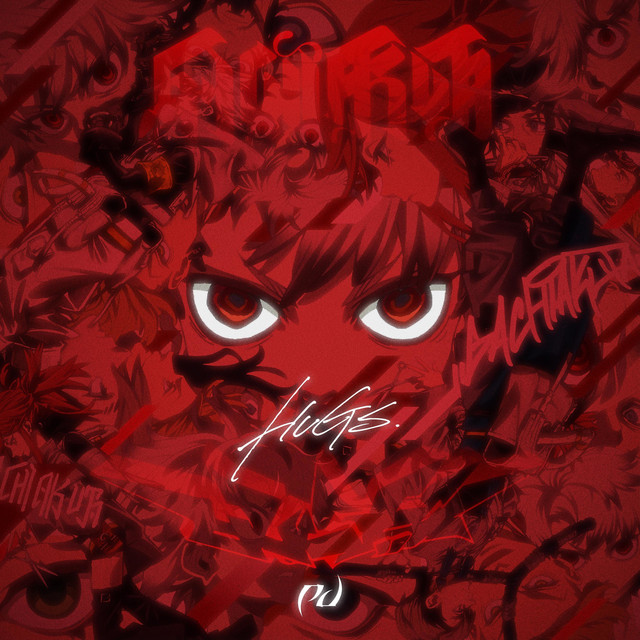
HUGs
Paledusk
Mathcore
Djent
Metalcore
Similar artists
4
/5
Architects
Progressive Metalcore
Mathcore
Metal
3
/5
Periphery
Progressive Metal
Djent
Progressive Metalcore
3
/5
Between The Buried And Me
Mathcore
Metalcore
Progressive Metal
3
/5
Veil Of Maya
Mathcore
Deathcore
Djent
4
/5
Knocked Loose
Mathcore
Metalcore
Deathcore
3
/5
156/Silence
Mathcore
Deathcore
Metalcore
3
/5
The Dillinger Escape Plan
Mathcore
New Jersey Punk
New Jersey Hardcore
4
/5
Spiritbox
Djent
Metalcore
Metal
4
/5
Wage War
Metalcore
Djent
Deathcore
3
/5
ERRA
Progressive Metal
Djent
Metalcore
Download our mobile app
Get the Melodigging app and start digging for new genres on the go
Download on the App Store
Get it on Google Play
© 2026 Melodigging
Give feedback
Legal
Melodding was created as a tribute to
Every Noise at Once
, which inspired us to help curious minds keep digging into music's ever-evolving genres.