Genres
Artists
Albums
Make Music
Sign in
Sign in
Artists
Neo-Medieval Folk
Artists
Neo-Medieval Folk
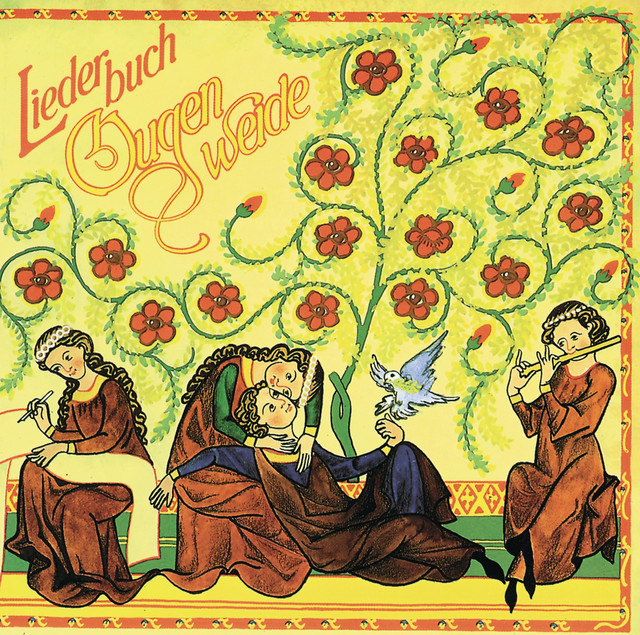
Ougenweide
9 albums
Listen
1
/5
Genres
Medieval Metal
Medieval metal is a subgenre of folk metal that fuses the power and riff-driven weight of heavy metal with melodies, modes, and instruments associated with medieval and early modern European music. Centered largely in Germany—where it is known as Mittelalter-Metal or Mittelalter-Rock—the style features prominent use of hurdy-gurdy, bagpipes (Dudelsack), shawms/bombards, recorders, cittern/lute, nyckelharpa, and frame drums alongside distorted electric guitars, bass, and modern drum kits. Songs often draw on medieval dance rhythms (saltarello- or estampie-like pulses), modal melodies (Dorian, Aeolian, Mixolydian), and lyrics referencing legends, minstrelsy, battles, folk tales, and historical themes. Pioneered in the mid-to-late 1990s by bands such as Subway to Sally, In Extremo, and Schandmaul, the genre grew out of Germany’s Neo-Medieval movement and quickly established a vibrant live culture at medieval markets and major festivals.
Discover
Listen
Medieval Rock
Medieval rock is a fusion of contemporary rock with melodies, modes, instruments, and themes drawn from European medieval and early Renaissance music. It typically combines a rock rhythm section (drums, electric bass, guitars) with historical instruments such as bagpipes, hurdy-gurdy, shawms, citterns, recorders, harp, and lute. Musical materials often use modal scales (especially Dorian, Aeolian, and Mixolydian), drones, bordun-style accompaniments, and dance rhythms reminiscent of estampies, saltarellos, and bourrées. The lyrics and imagery frequently reference chivalric tales, minstrelsy, courtly love, folklore, and Middle High German or other archaic languages. In performance, many bands adopt a festive, theatrical medieval pageant aesthetic while delivering high-energy rock arrangements.
Discover
Listen
Neo-Medieval Folk
Neo-medieval folk is a modern revivalist style that reimagines the sounds of medieval and early Renaissance Europe through contemporary folk aesthetics. It favors acoustic, historically inspired instruments (hurdy-gurdy, bagpipes, lute, harp, nyckelharpa, recorders, shawms, frame drums) and modal melodies, often sung in historical or reconstructed languages. While rooted in academic early-music practice, the genre is more atmospheric and narrative-driven than strictly scholarly. Artists blend courtly songs, dance forms (such as estampie and saltarello), drone-based textures, and ballad traditions with modern songwriting and subtle production. Depending on the act, it may lean toward dark wave and gothic timbres or toward pastoral, festival-ready folk.
Discover
Listen
Folk Rock
Folk rock is a fusion genre that blends the narrative lyricism, modal melodies, and acoustic timbres of traditional folk with the backbeat, amplification, and song structures of rock. It typically pairs acoustic or traditional instruments (acoustic guitar, mandolin, fiddle) with a rock rhythm section (electric guitar, bass, drums), often featuring chiming 12‑string guitar textures, close vocal harmonies, and socially conscious or storytelling lyrics. The result ranges from intimate, reflective ballads with a steady backbeat to more anthemic, roots‑driven rock. Emerging in the mid‑1960s through artists such as Bob Dylan and The Byrds, folk rock became a gateway for traditional and roots materials to enter mainstream popular music, and it seeded later movements from country rock and Americana to jangle pop and modern indie folk.
Discover
Listen
Krautrock
Krautrock is an experimental form of rock that emerged in late-1960s West Germany, characterized by hypnotic repetition, long-form structures, and a forward-looking embrace of electronics and studio experimentation. It typically features a steady, driving 4/4 “motorik” beat, circular bass ostinatos, sparse harmonic movement, and textural layering that draws from minimalism, free improvisation, and avant-garde composition. Rather than virtuosic solos, the emphasis is on collective groove, trance-inducing momentum, and timbral exploration. The sound ranges from raw, percussive jams to spacious, cosmic electronics, often eschewing conventional Anglo-American blues forms in favor of a distinctly European modernist aesthetic.
Discover
Listen
Progressive Rock
Progressive rock is a rock subgenre that expands the genre’s formal, harmonic, and conceptual boundaries. It favors long-form compositions, intricate arrangements, and virtuosic musicianship, often drawing on Western classical, jazz, folk, and psychedelic idioms. Typical hallmarks include multi-part suites, shifting time signatures, extended instrumental passages, recurring motifs, and concept albums that present unified themes or narratives. The sound palette commonly features electric guitar, bass, and drums alongside an array of keyboards (Hammond organ, Mellotron, Moog/ARP synthesizers, piano), woodwinds or brass, and occasional orchestral additions. Lyrics often explore science fiction, mythology, philosophy, social commentary, and introspective themes.
Discover
Listen
German Folk Music
German folk music (Deutsche Volksmusik) is the traditional music of German-speaking regions, encompassing rural dance tunes, narrative ballads, dialect songs, and communal singing traditions. It is typically performed with acoustic instruments such as diatonic button accordion (Steirische Harmonika), zither, hammered dulcimer (Hackbrett), fiddle, clarinet, guitar, double bass, and, in many regions, brass band instruments. Stylistically, it includes dance forms such as Ländler (3/4), Waltz (3/4), Polka (2/4), Schottische (4/4), Rheinländer (2/4), and the Bavarian Zwiefacher (alternating 3/4 and 2/4). Vocal traditions range from narrative and humorous couplet songs to yodeling (Jodeln) in the Alpine areas and Low German (Plattdeutsch) song in the north. Over time, German folk music evolved along two parallel lines: an "authentic" regional practice centered on social dance and local ensembles (Stubnmusi/Tanzlmusi) and a popularized, media-friendly form (volkstümliche Musik) that intersected with Schlager and television entertainment, while later revivals blended folk with rock, pop, and brass idioms (Neue Volksmusik).
Discover
Listen
German Music
German music is a broad umbrella for the musical traditions created in the German-speaking lands, spanning from medieval sacred chant and courtly song to world-shaping classical composition, folk idioms, and modern popular and electronic styles. It is central to the Western classical canon (from chorales and counterpoint to symphonies and opera), yet it also encompasses vernacular streams such as Volksmusik and Schlager, as well as innovative modern movements like Krautrock, Neue Deutsche Welle, Berlin techno, Deutschrap, and Neue Deutsche Härte. Across eras, characteristic traits include structural clarity, deep harmonic development, contrapuntal craft, and—especially in vocal genres—German-language texts that range from devotional and philosophical to satirical and everyday themes. Because “German music” names a national tradition rather than one single style, it combines art-music lineages (medieval to contemporary), regional folk practices, and international exchange, with German hubs (Leipzig, Dresden, Berlin, Hamburg, Munich, Düsseldorf, Cologne) acting as engines of musical education, performance, and experimentation.
Discover
Listen
Medieval
Medieval music refers to the diverse sacred and secular musical practices of Europe between the fall of the Western Roman Empire and the dawn of the Renaissance. It spans more than eight centuries, from early monophonic chant to the first notated polyphony. Core features include the use of church modes rather than major/minor, extensive reliance on vocal music (Latin sacred chant as well as vernacular song), and the progressive development from unmeasured chant to rhythmic modal notation and, later, mensural notation. Texture evolves from monophony (plainchant, troubadour songs) to organum, conductus, and the motet, culminating in complex isorhythmic works by the late 13th–14th centuries. Secular traditions—troubadours and trouvères in France, Minnesänger in German lands, and the Iberian Cantigas—coexisted with and influenced sacred practice. Instruments such as the vielle, harp, psaltery, recorder, shawm, hurdy-gurdy, and portative organ often doubled or accompanied voices, though much music remained purely vocal.
Discover
Listen
Show all 9 genres
Albums
Ohrenschmaus
Ougenweide
German Folk Music
All die weil ich mag
Ougenweide
German Folk Music
Ougenweide
Ougenweide
German Folk Music
Ohrenschmaus
Ougenweide
German Music
All die weil ich mag
Ougenweide
German Music
Ougenweide
Ougenweide
German Music
Ohrenschmaus
Ougenweide
Neo-Medieval Folk
All die weil ich mag
Ougenweide
Neo-Medieval Folk
Ougenweide
Ougenweide
Neo-Medieval Folk
Similar artists
3
/5
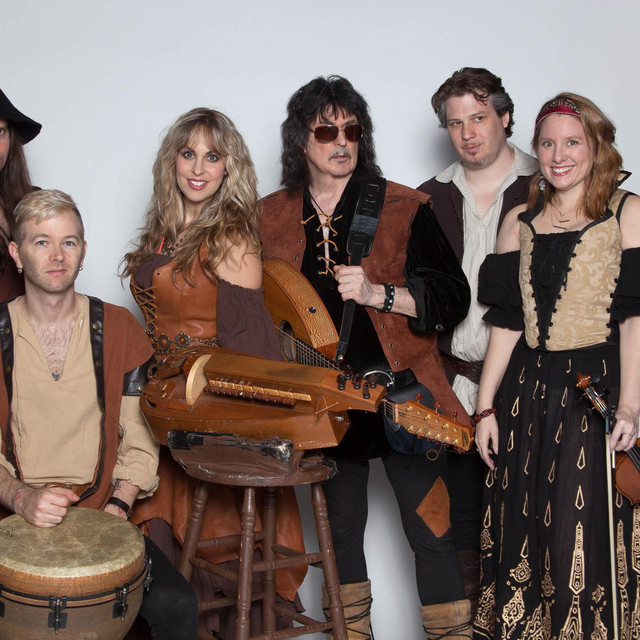
Blackmore's Night
Folk Rock
Celtic
Celtic Rock
1
/5
Amazing Blondel
Neo-Medieval Folk
Folk
Folk Rock
3
/5
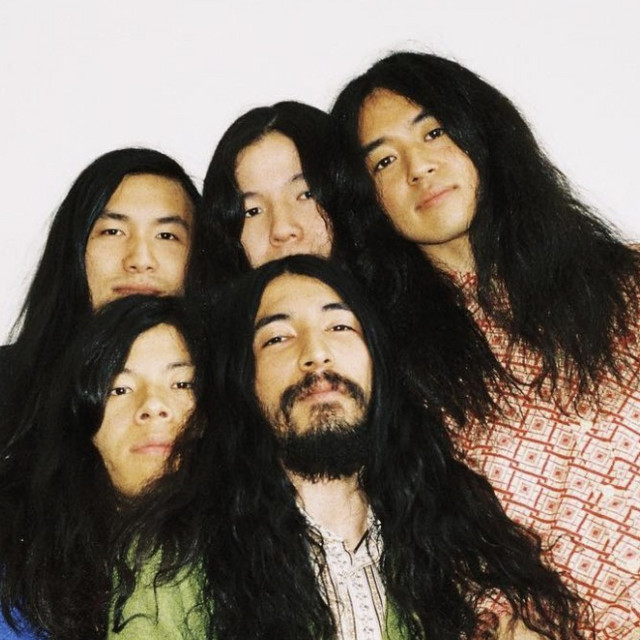
Kikagaku Moyo
Krautrock
Psychedelic Rock
Rock
3
/5
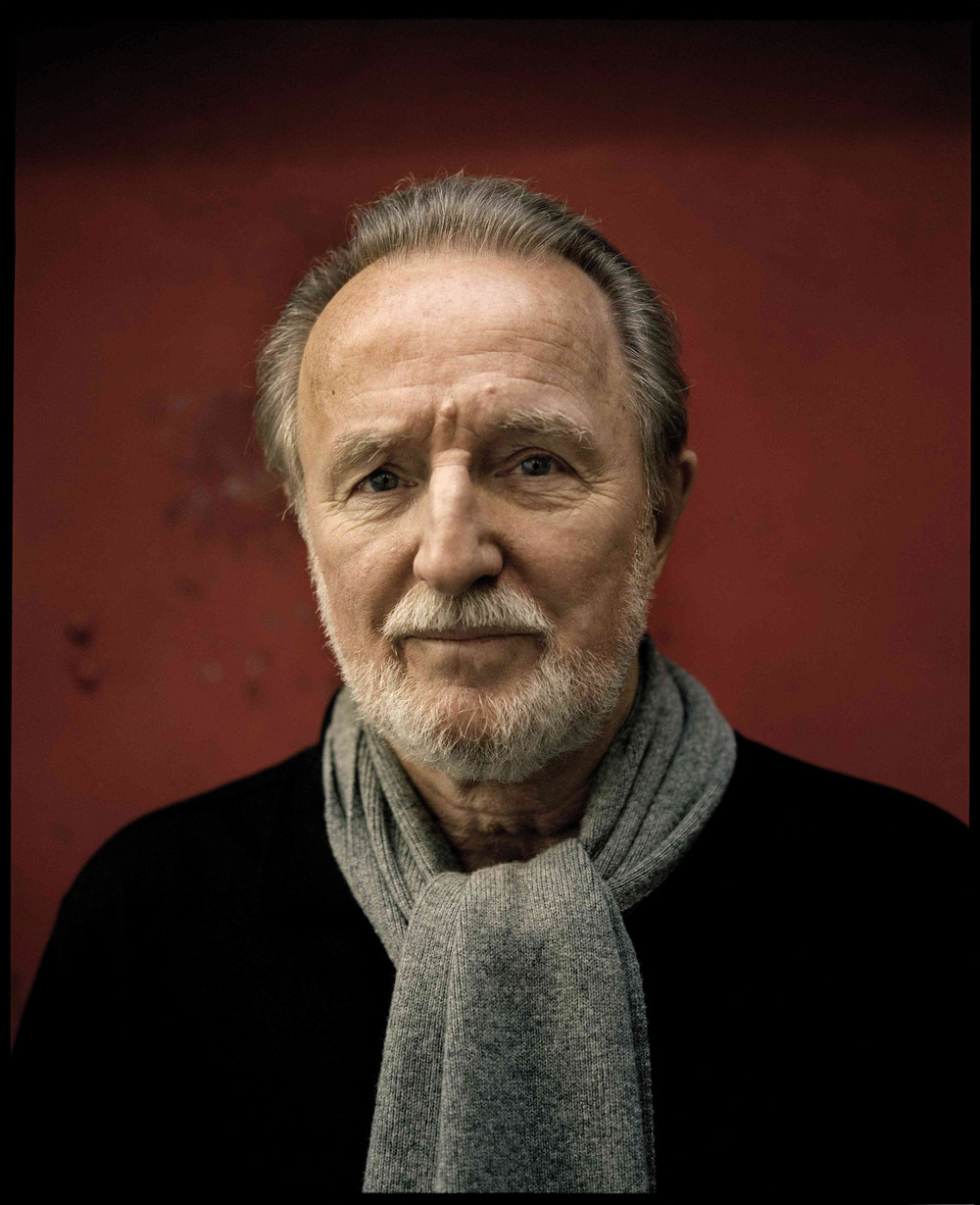
Hannes Wader
Liedermacher
German Folk Music
Singer-Songwriter
2
/5
The Moon & The Nightspirit
Neo-Medieval Folk
Rock
Ambient Folk
1
/5
Witthüser & Westrupp
German Music
Krautrock
Liedermacher
1
/5
Elster Silberflug
German Folk Music
Krautrock
Medieval
1
/5
Various Artists
Afro-Funk
Alternative Rock
Ambient
3
/5
Achim Reichel
Krautrock
Neue Deutsche Welle
Rock
3
/5
Pete Seeger
Old-Time
Folk
Americana
Download our mobile app
Get the Melodigging app and start digging for new genres on the go
Download on the App Store
Get it on Google Play
© 2026 Melodigging
Give feedback
Legal
Melodding was created as a tribute to
Every Noise at Once
, which inspired us to help curious minds keep digging into music's ever-evolving genres.