Your digging level
Description
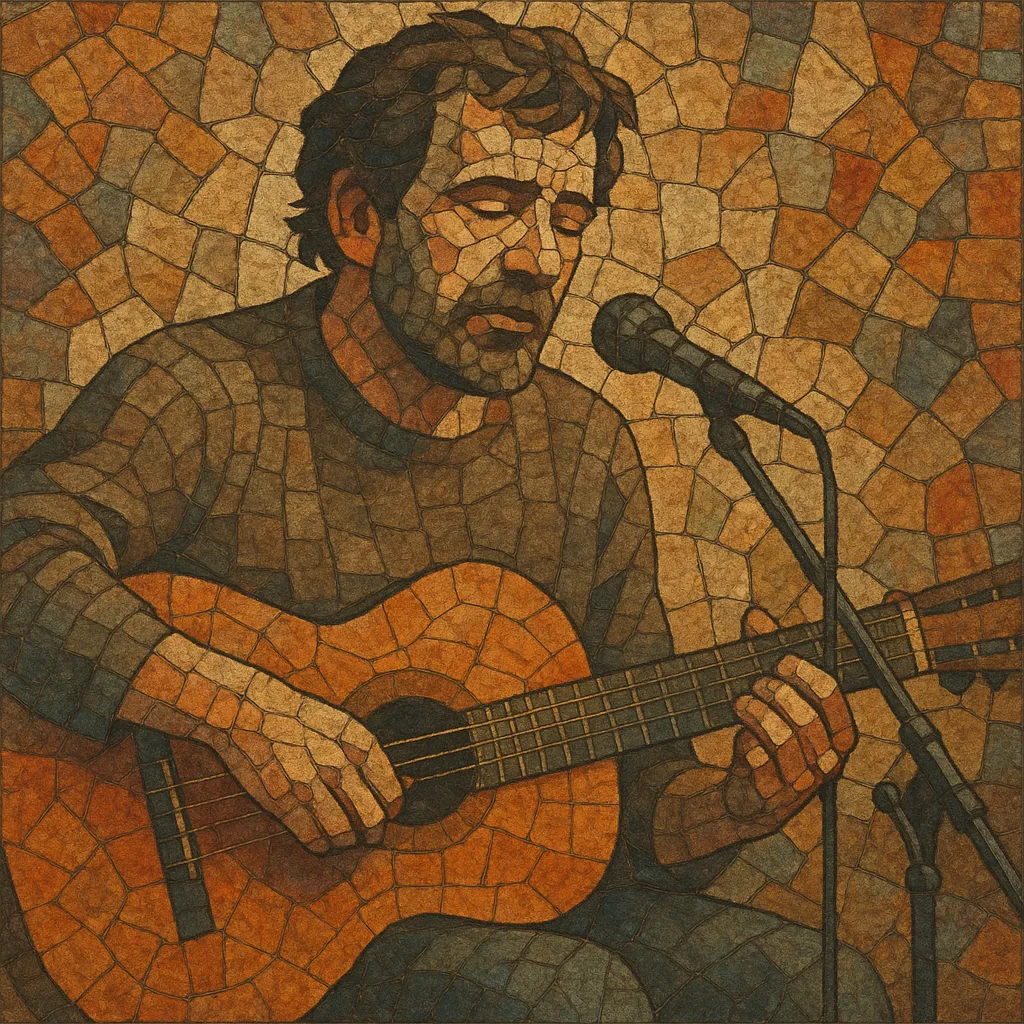
Liedermacher is a German-language singer‑songwriter tradition whose roots lie more in literature, theatre, and cabaret than in American blues or rock idioms. The term literally means “song‑maker,” and it emphasizes crafted lyrics, poetic imagery, and clear diction over instrumental virtuosity or band spectacle.
Stylistically, Liedermacher favors intimate, text‑forward performances—often just voice with acoustic guitar or piano. Songs range from personal and reflective to satirical and explicitly political. The lineage connects to the German Lied, French and German cabaret/chanson, and the European protest‑song wave of the 1960s, adapted to contemporary social realities in the German‑speaking world.
History
German literary song (Lied) and Berlin/Vienna cabaret established a culture where text, satire, and social observation were central. After World War II, chanson traditions and postwar cabaret revived the idea of the word‑driven stage song, setting the scene for a modern, more personal approach.
Amid the European folk and protest‑song wave, German artists began writing pointed, poetically dense songs about everyday life, politics, and identity. They drew on cabaret’s irony and theatre’s dramaturgy while adopting the singer‑songwriter’s intimate delivery. Universities, small theatres (Kleinkunstbühnen), and political gatherings became primary venues, and labels and broadcasters created dedicated platforms for text‑centric songwriting.
In West Germany, Liedermacher developed within independent theatres, folk clubs, and broadcast culture, often contesting consumerism and authoritarianism. In East Germany, a strong amateur and professional “singing movement” nurtured politically engaged songwriting under stricter oversight; artists developed metaphor‑rich texts to navigate censorship while keeping the Liedermacher ethos of literary clarity and social critique.
As rock, new wave, and punk localized in German (e.g., NDW and various indie scenes), Liedermacher’s emphasis on the German lyric influenced broader pop and rock writing. Some artists integrated band formats, electric instruments, and rock dramaturgy, while others retained the sparse acoustic aesthetic. After reunification, cross‑pollination between former East and West scenes refreshed political and autobiographical songwriting.
A new generation of German‑language singer‑songwriters, indie folk artists, and cabaret‑adjacent performers has kept the Liedermacher ideal alive: literate lyrics, careful prosody, and close attention to performance context. The style continues to find audiences in theatres, festivals, and intimate club settings, and its DNA is audible across German pop, indie, and politically minded hip hop.