Genres
Artists
Albums
Make Music
Sign in
Sign in
Artists
Liedermacher
Artists
Liedermacher
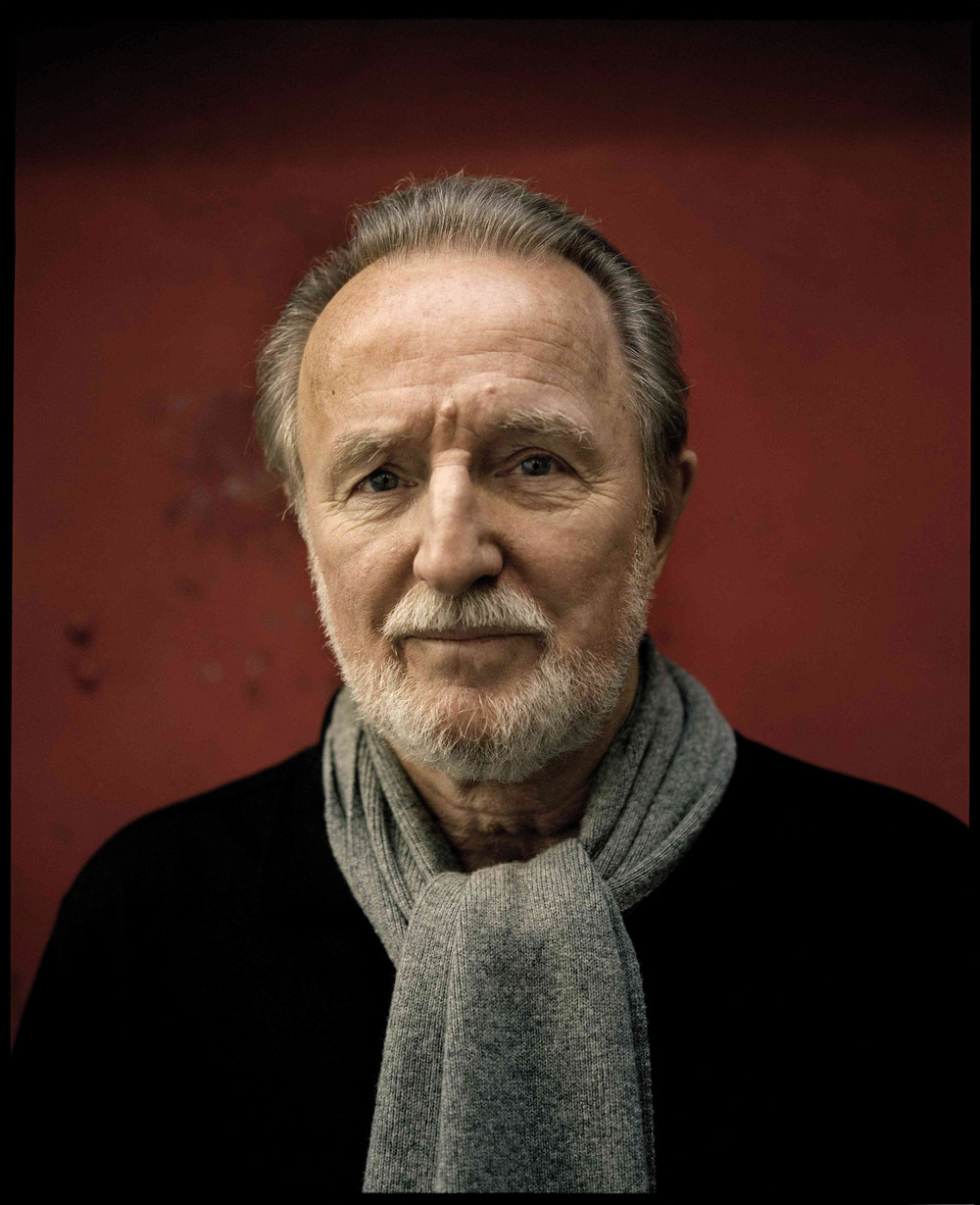
Hannes Wader
1972–1978
·
7 albums
Listen
3
/5
Genres
Liedermacher
Liedermacher is a German-language singer‑songwriter tradition whose roots lie more in literature, theatre, and cabaret than in American blues or rock idioms. The term literally means “song‑maker,” and it emphasizes crafted lyrics, poetic imagery, and clear diction over instrumental virtuosity or band spectacle. Stylistically, Liedermacher favors intimate, text‑forward performances—often just voice with acoustic guitar or piano. Songs range from personal and reflective to satirical and explicitly political. The lineage connects to the German Lied, French and German cabaret/chanson, and the European protest‑song wave of the 1960s, adapted to contemporary social realities in the German‑speaking world.
Discover
Listen
Singer-Songwriter
Singer-songwriter is a song-focused style in which the same person writes, composes, and performs their own material, often accompanying themselves on acoustic guitar or piano. It emphasizes personal voice, lyrical intimacy, and storytelling over elaborate production. Arrangements are typically sparse, allowing the melody, words, and performance nuance to carry the song’s emotional weight. While rooted in folk and blues traditions, singer-songwriter embraces pop and rock songcraft, producing works that can range from quiet confessional ballads to subtly orchestrated, radio-ready pieces.
Discover
Listen
Folk
Folk is a song-centered acoustic tradition rooted in community storytelling, everyday life, and social history. It emphasizes clear melodies, simple harmonies, and lyrics that foreground narrative, protest, and personal testimony. As a modern recorded genre, folk coalesced in the early-to-mid 20th century in the United States out of older ballad, work song, and rural dance traditions. It typically features acoustic instruments (guitar, banjo, fiddle, mandolin, harmonica), strophic song forms, and participatory singing (choruses, call-and-response).
Discover
Listen
German Folk Music
German folk music (Deutsche Volksmusik) is the traditional music of German-speaking regions, encompassing rural dance tunes, narrative ballads, dialect songs, and communal singing traditions. It is typically performed with acoustic instruments such as diatonic button accordion (Steirische Harmonika), zither, hammered dulcimer (Hackbrett), fiddle, clarinet, guitar, double bass, and, in many regions, brass band instruments. Stylistically, it includes dance forms such as Ländler (3/4), Waltz (3/4), Polka (2/4), Schottische (4/4), Rheinländer (2/4), and the Bavarian Zwiefacher (alternating 3/4 and 2/4). Vocal traditions range from narrative and humorous couplet songs to yodeling (Jodeln) in the Alpine areas and Low German (Plattdeutsch) song in the north. Over time, German folk music evolved along two parallel lines: an "authentic" regional practice centered on social dance and local ensembles (Stubnmusi/Tanzlmusi) and a popularized, media-friendly form (volkstümliche Musik) that intersected with Schlager and television entertainment, while later revivals blended folk with rock, pop, and brass idioms (Neue Volksmusik).
Discover
Listen
German Music
German music is a broad umbrella for the musical traditions created in the German-speaking lands, spanning from medieval sacred chant and courtly song to world-shaping classical composition, folk idioms, and modern popular and electronic styles. It is central to the Western classical canon (from chorales and counterpoint to symphonies and opera), yet it also encompasses vernacular streams such as Volksmusik and Schlager, as well as innovative modern movements like Krautrock, Neue Deutsche Welle, Berlin techno, Deutschrap, and Neue Deutsche Härte. Across eras, characteristic traits include structural clarity, deep harmonic development, contrapuntal craft, and—especially in vocal genres—German-language texts that range from devotional and philosophical to satirical and everyday themes. Because “German music” names a national tradition rather than one single style, it combines art-music lineages (medieval to contemporary), regional folk practices, and international exchange, with German hubs (Leipzig, Dresden, Berlin, Hamburg, Munich, Düsseldorf, Cologne) acting as engines of musical education, performance, and experimentation.
Discover
Listen
Albums
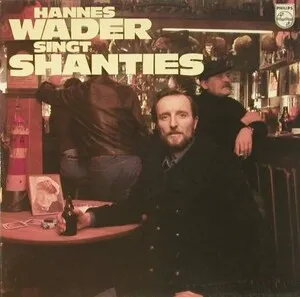
1978
1
/5
Hannes Wader singt Shanties
Hannes Wader
German Folk Music
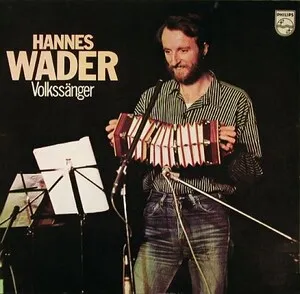
1975
2
/5
Volkssänger
Hannes Wader
German Folk Music
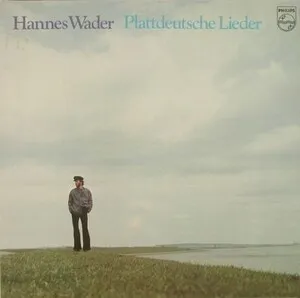
1974
2
/5
Plattdeutsche Lieder
Hannes Wader
German Folk Music
1974
2
/5
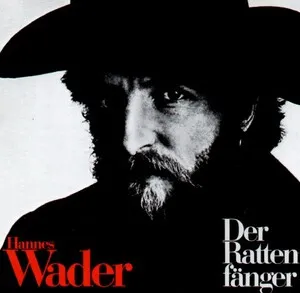
Der Rattenfänger
Hannes Wader
Liedermacher
1972
3
/5
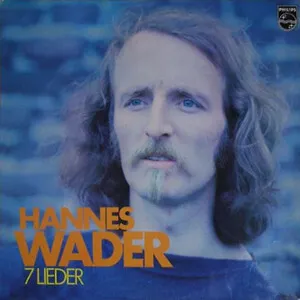
7 Lieder
Hannes Wader
Liedermacher
German Music
Folk
Hannes Wader singt Volkslieder
Hannes Wader
German Folk Music
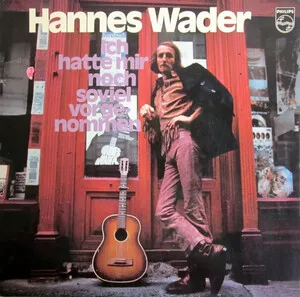
Ich hatte mir noch soviel vorgenommen
Hannes Wader
Liedermacher
Similar artists
2
/5
Zupfgeigenhansel
German Folk Music
Folk
Singer-Songwriter
3
/5
Wolfgang Ambros
Liedermacher
Pop
Rock
3
/5
Reinhard Mey
Kabarett
Liedermacher
German Pop
2
/5
Franz Josef Degenhardt
Liedermacher
Folk
Singer-Songwriter
1
/5
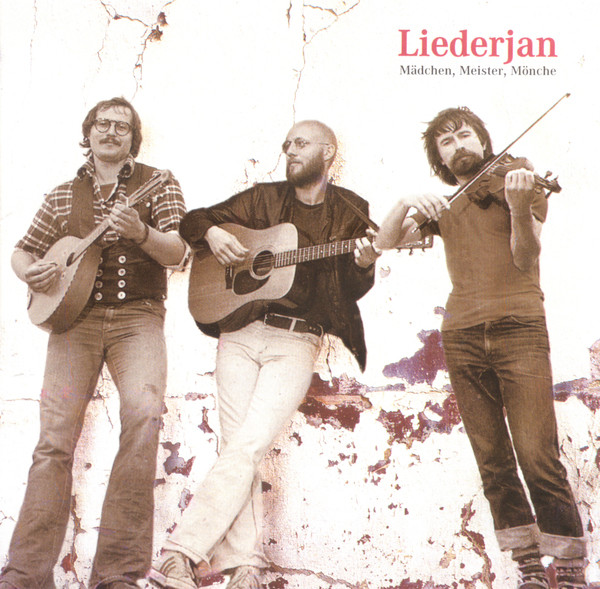
Liederjan
Folk
German Folk Music
Singer-Songwriter
1
/5
Various Artists
Afro-Funk
Alternative Rock
Ambient
3
/5
Faber
Liedermacher
Pop
German Indie
3
/5
Pete Seeger
Old-Time
Folk
Americana
3
/5
Element Of Crime
German Indie
German Indie Pop
German Music
2
/5
Ludwig Hirsch
Liedermacher
Singer-Songwriter
German Music
Download our mobile app
Get the Melodigging app and start digging for new genres on the go
Download on the App Store
Get it on Google Play
© 2026 Melodigging
Give feedback
Legal
Melodding was created as a tribute to
Every Noise at Once
, which inspired us to help curious minds keep digging into music's ever-evolving genres.