Genres
Artists
Albums
Make Music
Sign in
Sign in
Artists
Experimental
Artists
Experimental
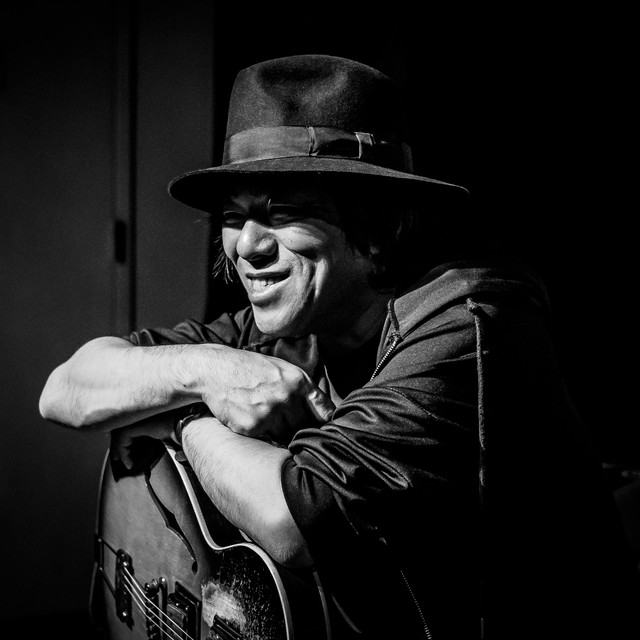
Otomo Yoshihide
1999–2001
·
3 albums
Listen
2
/5
Genres
Anime Lo-Fi
Anime lo-fi is a microstyle of lo-fi hip hop that pairs mellow, dusty boom‑bap beats with melodies and textures associated with Japanese animation. Producers often sample or emulate anime soundtracks, dialogue snippets, and sentimental J‑pop/VGM harmonies, then filter them through tape hiss, vinyl crackle, detuned keys, and softly sidechained drums. Beyond sound, the genre is inseparable from a visual culture of looping anime scenes (e.g., the iconic "study girl"), cozy late‑night ambience, and pastel palettes. The result is intimate, unobtrusive "study beats" designed for focus, calm, and gentle nostalgia—an internet-native mood music that sits between chillhop and vaporwave aesthetics.
Discover
Listen
New Isolationism
New isolationism is a contemporary strain of isolationist ambient and post-industrial minimalism that emerged in the 2010s, particularly around Scandinavian experimental labels and studios. It foregrounds intimate, close-mic’d sound, negative space, and a quiet-but-present noise floor; its pieces feel both internal and architectural, like rooms built from reverb tails, tape hiss, and soft electronics. Sonically, the style blends glacial drones, fragile chamber timbres (strings, organ, piano), lo‑fi electronics, and field recordings into stark, slow-evolving tableaux. Melodic information is sparse—often only a few tones or gestures—while rhythm is either absent or reduced to distant pulses, heartbeats, or mechanical cycles. Vocals, when they appear, are murmured, diaristic, or abstracted by pitch and time manipulation. Aesthetically, new isolationism is post‑internet and diaristic: it captures solitude, memory, and dislocation with a palette that feels personal yet estranged, drawing as much from contemporary gallery sound practice as from classic dark ambient.
Discover
Listen
Eai
EAI (Electroacoustic Improvisation) is a largely quiet, reductionist form of free improvisation in which musicians sculpt sound in real time using electronics, extended techniques, and the ambient characteristics of the room itself. Instead of melody, harmony, or steady pulse, the music focuses on texture, timbre, micro‑dynamics, and silence. Sine tones, feedback, contact microphones, tabletop guitars, and laptops often replace traditional instrumental roles. The result is an austere, highly attentive music that treats each sound—however small—as a structural event. EAI is frequently associated with the late‑1990s Tokyo onkyo scene and parallel European reductionist circles. Performances are typically intimate, with players listening as much as playing, privileging restraint, duration, and the sonic grain of materials.
Discover
Listen
Onkyo
Onkyo (also called onkyō-kei) is a Japanese approach to experimental, electroacoustic improvisation that centers on extremely quiet dynamics, sparse gestures, and the amplification of minute sonic events. Rather than focusing on melody, harmony, or pulse, it treats sound itself—hiss, hum, feedback, room tone, and the grain of instruments—as the primary material. Performers often use no-input mixing boards, sine-wave samplers, laptops, contact microphones, and extended instrumental techniques to reveal fragile textures and near-silences. Long stretches of space and restraint invite deep listening, making the acoustic qualities of the venue and the audience’s presence integral to the music.
Discover
Listen
Conducted Improvisation
Conducted improvisation is a live-composition practice in which a conductor shapes collective improvisation in real time using a codified set of gestures, cue cards, and signals. Rather than pre-writing a fixed score, the conductor directs form, texture, dynamics, harmony, and orchestration on the spot, treating the ensemble as an instrument. Emerging from free jazz and experimental music, it bridges improvisers’ spontaneity with the clarity and contour of composed music. Systems such as Butch Morris’s Conduction, John Zorn’s game-piece approach (e.g., Cobra), and Walter Thompson’s Soundpainting offer different yet related languages for controlling entrances/exits, memory, repetition, density, and timbre. The result ranges from chamber-like transparency to big-band intensity, making conducted improvisation a flexible method used by jazz orchestras, experimental classical ensembles, and cross-genre collectives.
Discover
Listen
Noise
Noise is an experimental music genre that uses non-traditional sound sources, distortion, feedback, and extreme dynamics as primary musical materials. Instead of emphasizing melody, harmony, or conventional rhythm, it focuses on texture, density, timbre, and the physical presence of sound. Practitioners sculpt saturated walls of sound, piercing feedback, metallic clatter, contact-mic scrapes, tape hiss, and electronic interference into works that can be confrontational or meditative. Performances often highlight process and immediacy—improvisation, body movement, and site-specific acoustics—while recordings can range from lo-fi cassette overload to meticulously layered studio constructions. Though rooted in early avant-garde ideas, the genre coalesced as a distinct practice in the late 1970s and 1980s, especially through Japan’s ‘Japanoise’ scene, and subsequently influenced numerous styles across industrial, punk-adjacent, and experimental electronic music.
Discover
Listen
Free Improvisation
Free improvisation is a practice of spontaneous music-making that avoids fixed idioms, stylistic templates, and pre-agreed structures. Musicians prioritize listening, interaction, and the exploration of sound itself—timbre, texture, dynamics, and silence—over conventional melody, harmony, or pulse. Guitarist Derek Bailey popularized the notion of "non-idiomatic improvisation," describing a music that deliberately resists falling into recognizable genre habits. While often overlapping with free jazz and contemporary classical experimentalism, free improvisation is not confined to either. It welcomes any instrument or sound source—acoustic, electronic, or everyday objects—and frequently uses extended techniques, feedback, and unconventional performance gestures. Performances can range from whisper-quiet, pointillistic interplay to ferocious, high-energy noise, with the ensemble shaping form in real time through attention and constraint.
Discover
Listen
Experimental
Experimental music is an umbrella term for practices that prioritize exploration, process, and discovery over adherence to established genre norms. It embraces new sound sources, nonstandard tuning systems, indeterminacy and chance operations, graphic and open-form scores, extended techniques, and technology-led sound design (tape, electronics, computers, and live processing). Rather than a single style, it is a methodology and ethos: testing hypotheses about sound, structure, and performance, often blurring boundaries between composition, improvisation, sound art, and performance art. Listeners can expect unfamiliar timbres, unusual forms, and an emphasis on how music is made as much as the resulting sound.
Discover
Listen
Free Jazz
Free jazz is a radical branch of jazz that rejects fixed chord progressions, strict meter, and conventional song forms in favor of collective improvisation, textural exploration, and spontaneous interaction. Musicians prioritize timbre, dynamics, and gesture as much as pitch and harmony, often using extended techniques (multiphonics, overblowing, prepared piano) and unconventional sounds. While rooted in the blues and earlier jazz vocabularies, free jazz frees improvisers from pre-set harmonic cycles, allowing lines to unfold over tonal centers, shifting modes, drones, or complete atonality. Rhythm sections may float without a steady pulse, or drive with layered polyrhythms and “energy playing.” The result ranges from contemplative soundscapes to cathartic, high-intensity eruptions. Culturally, the genre intersected with the civil rights era and broader avant-garde movements, emphasizing autonomy, community, and new possibilities for musical expression.
Discover
Listen
Indeterminacy
Indeterminacy is a strand of post‑war experimental music in which some aspects of a composition are left to chance or to the free choice of the performer, ensuring that no two realizations are exactly the same. The approach encompasses chance procedures used during composition (e.g., tossing coins or consulting the I Ching), open or mobile forms in which sections may be reordered, graphic or text‑based notation that prompts interpretation rather than strict reading, and time‑bracket techniques that specify durations but not exact synchrony. Closely associated with the New York School (John Cage, Earle Brown, Morton Feldman, Christian Wolff), indeterminacy challenged traditional authorship, fixed works, and score‑bound precision by shifting agency to processes and performers. While often conflated with “aleatoric” music, indeterminacy typically denotes unpredictability at the level of performance/realization (open form, variable notation), whereas chance composition may use randomness to create a fixed score. In practice, many works combine both.
Discover
Listen
Experimental Electronic
Experimental electronic is an umbrella term for electronic music that foregrounds exploration and innovation over convention. It treats the studio, computer, and synthesizer as laboratories, using techniques such as tape manipulation, modular and software synthesis, feedback systems, granular and spectral processing, algorithmic/generative composition, circuit-bending, and field recording. Rather than regular song forms or dancefloor functionality, it prioritizes timbre, texture, space, and process. Structures may be nonlinear or open-form; harmony is often non-functional or drone-based; rhythm can be free, irregular, or machine-deconstructed. The style overlaps with electroacoustic music, sound art, industrial, ambient, and noise while continually interfacing with club culture and contemporary art contexts.
Discover
Listen
Avant-Garde
Avant-garde music is an umbrella term for boundary-pushing practices that challenge prevailing norms of harmony, rhythm, timbre, form, and performance. It privileges experimentation, conceptual rigor, and a willingness to reframe what counts as music at all. Historically tied to early 20th‑century artistic modernism, avant-garde music introduced atonality, the emancipation of noise, and new forms of notation and process. It embraces indeterminacy, extended techniques, electronics, spatialization, and multimedia performance, treating sound as material to be sculpted, questioned, and reinvented.
Discover
Listen
Electronic
Electronic is a broad umbrella genre defined by the primary use of electronically generated or electronically processed sound. It encompasses music made with synthesizers, drum machines, samplers, computers, and studio/tape techniques, as well as electroacoustic manipulation of recorded or synthetic sources. The genre ranges from academic and experimental traditions to popular and dance-oriented forms. While its sonic palette is rooted in electricity and circuitry, its aesthetics span minimal and textural explorations, structured song forms, and beat-driven club permutations. Electronic emphasizes sound design, timbre, and studio-as-instrument practices as much as melody and harmony.
Discover
Listen
Show all 13 genres
Albums
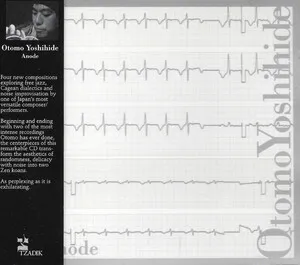
2001
1
/5
Anode
Otomo Yoshihide
Conducted Improvisation
Indeterminacy
Electronic
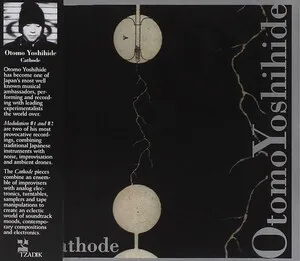
1999
1
/5
Cathode
Otomo Yoshihide
Eai
Avant-Garde
Electronic
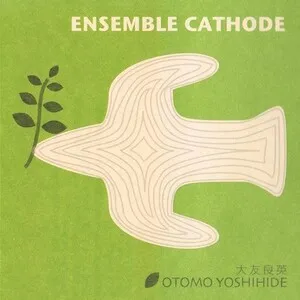
Ensemble Cathode
Otomo Yoshihide
Onkyo
Similar artists
1
/5
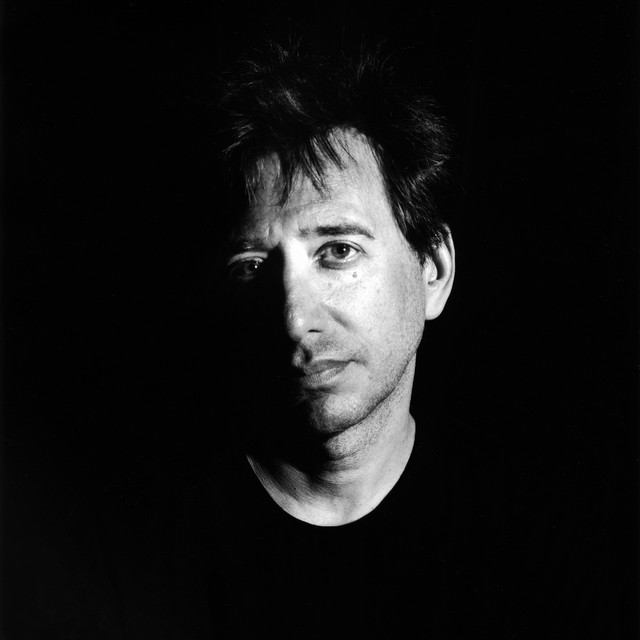
John Zorn
Avant-Garde Jazz
Free Improvisation
Jazz
1
/5
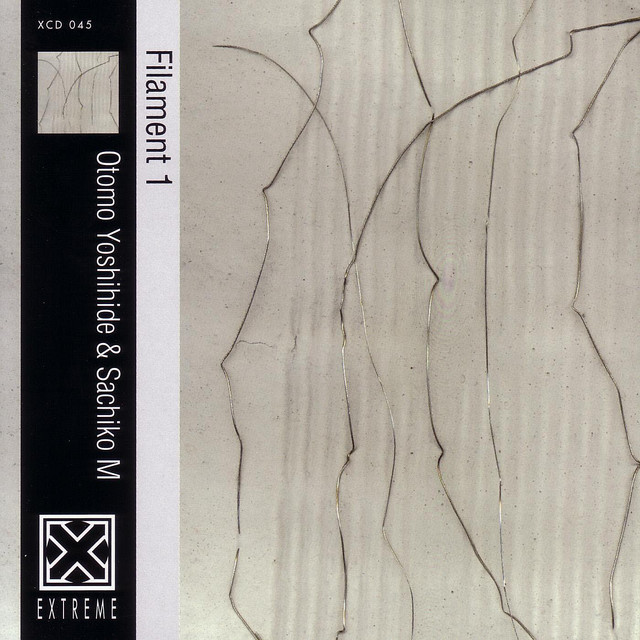
Sachiko M
Experimental
Onkyo
Avant-Garde
1
/5
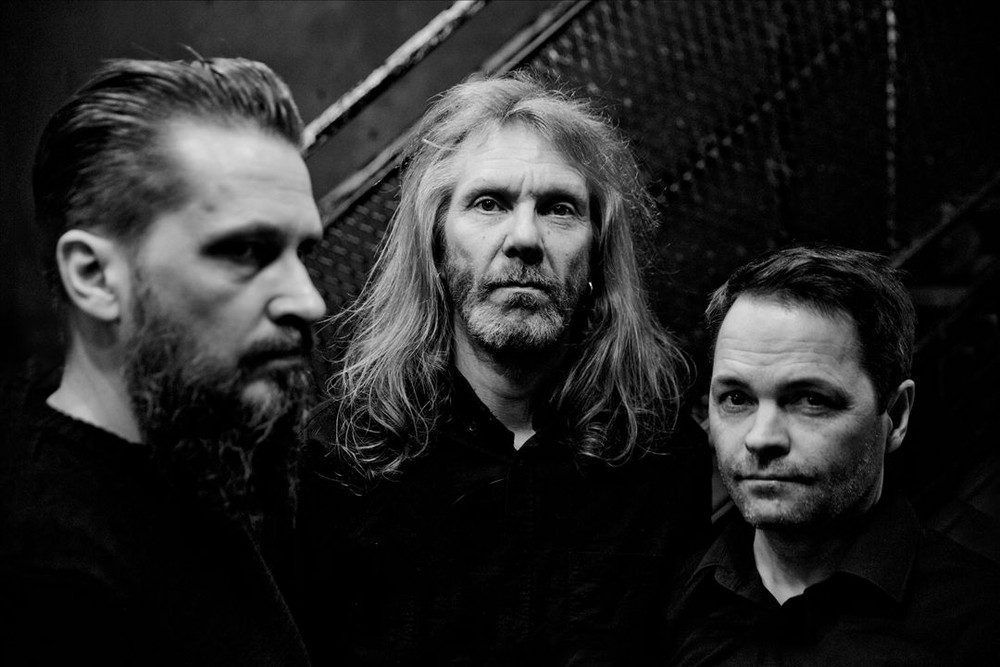
Supersilent
Experimental
Electronic
Avant-Garde
2
/5
Coil
Experimental
Industrial
Avant-Garde
2
/5
John Cage
Indeterminacy
Classical
Experimental
2
/5
The Residents
Experimental
Minimal Wave
Post-Punk
1
/5
Éliane Radigue
Drone
Experimental
Ambient
2
/5
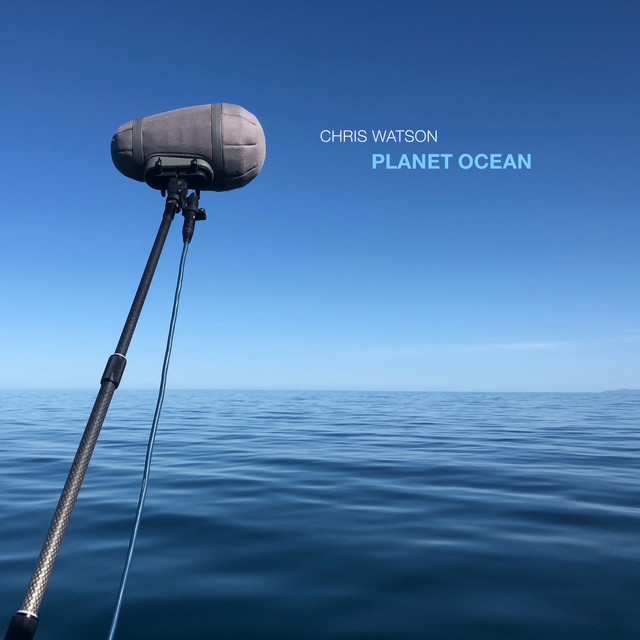
Chris Watson
Field Recording
Lowercase
Ambient
1
/5
Ghédalia Tazartès
Avant-Garde
Experimental
Central Asian Music
3
/5
Swans
Experimental Rock
Post-Rock
No Wave
Download our mobile app
Get the Melodigging app and start digging for new genres on the go
Download on the App Store
Get it on Google Play
© 2026 Melodigging
Give feedback
Legal
Melodding was created as a tribute to
Every Noise at Once
, which inspired us to help curious minds keep digging into music's ever-evolving genres.