Genres
Make Music
Artists
Albums
Challenges
Sign in
Sign in
Albums
By Otomo Yoshihide
Albums
By Otomo Yoshihide
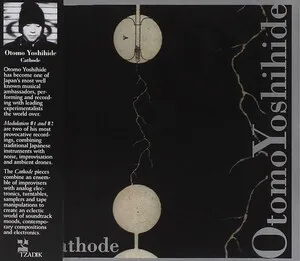
Cathode
November 2, 1999
Listen
1
/5
Genres
Eai
EAI (Electroacoustic Improvisation) is a largely quiet, reductionist form of free improvisation in which musicians sculpt sound in real time using electronics, extended techniques, and the ambient characteristics of the room itself. Instead of melody, harmony, or steady pulse, the music focuses on texture, timbre, micro‑dynamics, and silence. Sine tones, feedback, contact microphones, tabletop guitars, and laptops often replace traditional instrumental roles. The result is an austere, highly attentive music that treats each sound—however small—as a structural event. EAI is frequently associated with the late‑1990s Tokyo onkyo scene and parallel European reductionist circles. Performances are typically intimate, with players listening as much as playing, privileging restraint, duration, and the sonic grain of materials.
Discover
Listen
Experimental
Experimental music is an umbrella term for practices that prioritize exploration, process, and discovery over adherence to established genre norms. It embraces new sound sources, nonstandard tuning systems, indeterminacy and chance operations, graphic and open-form scores, extended techniques, and technology-led sound design (tape, electronics, computers, and live processing). Rather than a single style, it is a methodology and ethos: testing hypotheses about sound, structure, and performance, often blurring boundaries between composition, improvisation, sound art, and performance art. Listeners can expect unfamiliar timbres, unusual forms, and an emphasis on how music is made as much as the resulting sound.
Discover
Listen
Avant-Garde
Avant-garde music is an umbrella term for boundary-pushing practices that challenge prevailing norms of harmony, rhythm, timbre, form, and performance. It privileges experimentation, conceptual rigor, and a willingness to reframe what counts as music at all. Historically tied to early 20th‑century artistic modernism, avant-garde music introduced atonality, the emancipation of noise, and new forms of notation and process. It embraces indeterminacy, extended techniques, electronics, spatialization, and multimedia performance, treating sound as material to be sculpted, questioned, and reinvented.
Discover
Listen
Electronic
Electronic is a broad umbrella genre defined by the primary use of electronically generated or electronically processed sound. It encompasses music made with synthesizers, drum machines, samplers, computers, and studio/tape techniques, as well as electroacoustic manipulation of recorded or synthetic sources. The genre ranges from academic and experimental traditions to popular and dance-oriented forms. While its sonic palette is rooted in electricity and circuitry, its aesthetics span minimal and textural explorations, structured song forms, and beat-driven club permutations. Electronic emphasizes sound design, timbre, and studio-as-instrument practices as much as melody and harmony.
Discover
Listen
Similar albums
2013
La Musique Électronique Du Niger
Mamman Sani
2019
Eskimo
The Residents
1986
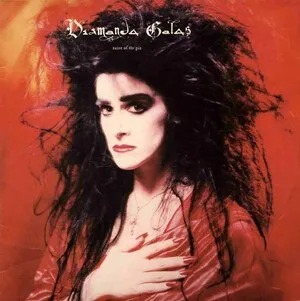
Saint of the Pit
Diamanda Galás
2010
10
Supersilent
1997
1-3
Supersilent
1979
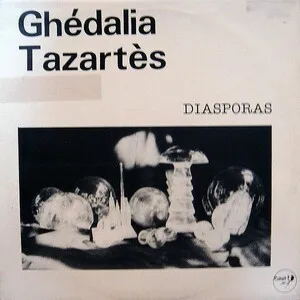
Diasporas
Ghédalia Tazartès
2005
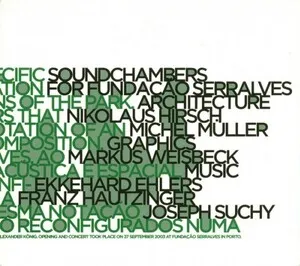
Soundchambers
Ekkehard Ehlers, Franz Hautzinger & Joseph Suchy
2009
Femina
John Zorn
2015
White Light
Sidewalks and Skeletons
2008
Inca Ore / Grouper
Grouper
Download our mobile app
Get the Melodigging app and start digging for new genres on the go
Download on the App Store
Get it on Google Play
© 2026 Melodigging
Give feedback
Legal
Melodding was created as a tribute to
Every Noise at Once
, which inspired us to help curious minds keep digging into music's ever-evolving genres.