Genres
Make Music
Artists
Albums
Challenges
Sign in
Sign in
Albums
By Ghédalia Tazartès
Albums
By Ghédalia Tazartès
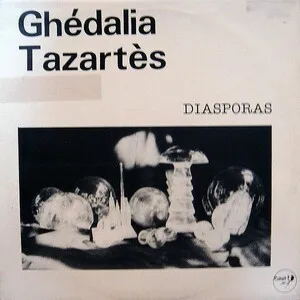
Diasporas
1979
Listen
1
/5
Genres
Experimental
Experimental music is an umbrella term for practices that prioritize exploration, process, and discovery over adherence to established genre norms. It embraces new sound sources, nonstandard tuning systems, indeterminacy and chance operations, graphic and open-form scores, extended techniques, and technology-led sound design (tape, electronics, computers, and live processing). Rather than a single style, it is a methodology and ethos: testing hypotheses about sound, structure, and performance, often blurring boundaries between composition, improvisation, sound art, and performance art. Listeners can expect unfamiliar timbres, unusual forms, and an emphasis on how music is made as much as the resulting sound.
Discover
Listen
Tape Music
Tape music is a form of early electronic and electroacoustic composition that uses recorded sounds on magnetic tape as the primary material. Composers assemble, cut, splice, loop, reverse, and vary the speed of tape to sculpt timbre, rhythm, and form, often transforming everyday noises into abstract musical structures. Emerging from post–World War II studio experimentation, it blurred the line between composition and sound design. Works are typically fixed-media pieces intended for loudspeaker playback rather than traditional performance, privileging timbral exploration, spatial projection, and montage over conventional harmony and meter.
Discover
Listen
Avant-Garde
Avant-garde music is an umbrella term for boundary-pushing practices that challenge prevailing norms of harmony, rhythm, timbre, form, and performance. It privileges experimentation, conceptual rigor, and a willingness to reframe what counts as music at all. Historically tied to early 20th‑century artistic modernism, avant-garde music introduced atonality, the emancipation of noise, and new forms of notation and process. It embraces indeterminacy, extended techniques, electronics, spatialization, and multimedia performance, treating sound as material to be sculpted, questioned, and reinvented.
Discover
Listen
Electronic
Electronic is a broad umbrella genre defined by the primary use of electronically generated or electronically processed sound. It encompasses music made with synthesizers, drum machines, samplers, computers, and studio/tape techniques, as well as electroacoustic manipulation of recorded or synthetic sources. The genre ranges from academic and experimental traditions to popular and dance-oriented forms. While its sonic palette is rooted in electricity and circuitry, its aesthetics span minimal and textural explorations, structured song forms, and beat-driven club permutations. Electronic emphasizes sound design, timbre, and studio-as-instrument practices as much as melody and harmony.
Discover
Listen
Central Asian Throat Singing
Central Asian throat singing is a family of overtone-rich vocal techniques practiced across Mongolia, Tuva, and neighboring regions of Inner Asia. Singers shape the vocal tract to amplify specific harmonics above a low fundamental drone, producing the impression of two or more pitches at once. Traditionally performed by nomadic herders, these styles often imitate the sounds of wind, rivers, birds, and horses, and are closely tied to animist and steppe life-worlds. Substyles such as khöömii (overtone-focused), sygyt (whistling, high overtones), and kargyraa (very low, growling fundamentals) showcase distinctive timbral goals, breath control, and resonant vowel shaping. While deeply rooted in folk practice, throat singing has influenced contemporary ambient, drone, and experimental scenes, and it increasingly appears in cross-cultural collaborations and modern stage settings.
Discover
Listen
Turkic-Mongolic Music
Turkic-Mongolic music is a broad family of Inner Asian musical traditions shaped by nomadic lifeways across the steppe, taiga, and desert zones from Mongolia and Siberia to Xinjiang and Central Asia. It emphasizes timbre, overtone color, and modal melody over dense harmony, often centering a drone or open fifths with anhemitonic pentatonic contour. Characteristic practices include overtone (throat) singing, epic chant, long-song with free rhythm, and dance songs with “galloping” rhythms that mimic horse movement. Common instruments include horse-head fiddles (morin khuur), two-string lutes (igil, topshuur, dombra, komuz), frame and shaman drums, and jaw harps (khomus/temir komuz). Texts frequently recount genealogies, heroic epics, pastoral imagery, and spiritual cosmologies linked to Tengrism, Buddhism, and Islam. Across Turkic- and Mongolic-speaking communities, local styles vary—Uyghur muqam cycles are long-form modal suites, Kazakh and Kyrgyz traditions foreground plucked lutes and instrumental toqs/kyuis, and Tuvan and Mongolian repertoires foreground throat singing and long-song aesthetics—yet all share a preference for modal melody, flexible rhythm, and timbre-focused expression.
Discover
Listen
Central Asian Music
Central Asian music is a broad family of traditions shared across the Silk Road heartlands—today’s Uzbekistan, Tajikistan, Kazakhstan, Kyrgyzstan, and Turkmenistan, with strong ties to Uyghur, Pamiri, and other regional cultures. It blends Turkic nomadic song and epic recitation with Persianate courtly repertoire and Islamic modal theory, producing rich vocal melismas, intricate modal (maqom/maqam) systems, and cyclical rhythms (usul). Instrumentation centers on long‑necked lutes (dutar, tanbur, komuz, dombra), bowed fiddles (ghijak/kamancheh, qobyz), frame drums (doira/doyra), reed and woodwind instruments (surnay, nai), and zither or harp relatives (chang). Stylistically, it spans refined urban suites such as Shashmaqam to nomadic epic performance (akyn/jyrau/manaschi), wedding dance music driven by doira patterns, and intimate lyrical songs. Its timbral palette favors resonant plucked strings, bright double‑reed leads, and expressive, ornamented vocals.
Discover
Listen
Similar albums
1999
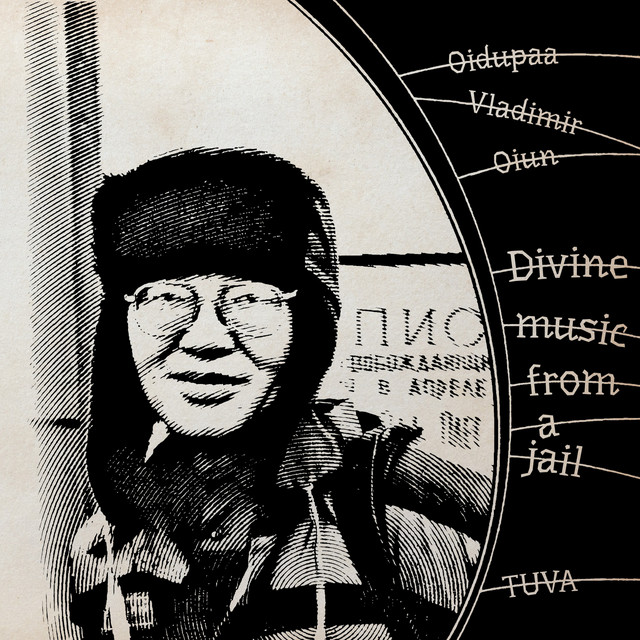
Divine Music From a Jail
Oidupaa Vladimir Oiun
1995
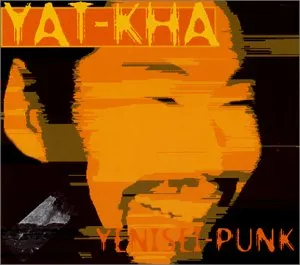
Yenisei-Punk
Yat-Kha
2022
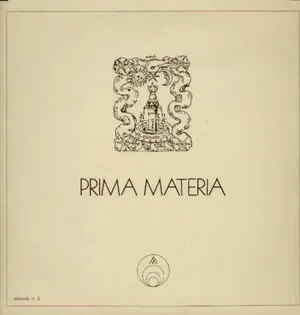
La coda della tigre - Tail of the Tiger
Prima Materia
2020
Jangar
Khusugtun
2002
The Disintegration Loops (Remastered Reissue)
William Basinski
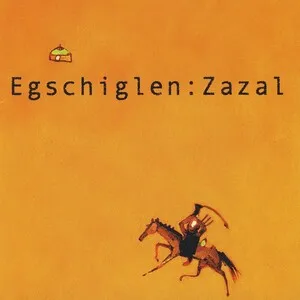
2000
Zazal
Egschiglen
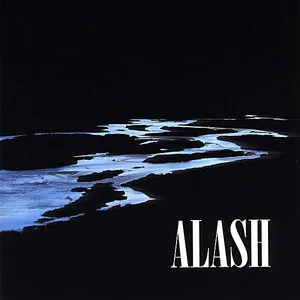
2007
Alash
Alash
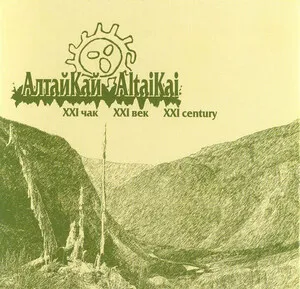
2006
XXI чак / XXI век / XXI Century
AltaiKai АлтайКай
2017
Achai
Alash
2007
Gereg
Egschiglen
Download our mobile app
Get the Melodigging app and start digging for new genres on the go
Download on the App Store
Get it on Google Play
© 2026 Melodigging
Give feedback
Legal
Melodding was created as a tribute to
Every Noise at Once
, which inspired us to help curious minds keep digging into music's ever-evolving genres.