Genres
Artists
Albums
Make Music
Sign in
Sign in
Artists
Avant-Garde
Artists
Avant-Garde
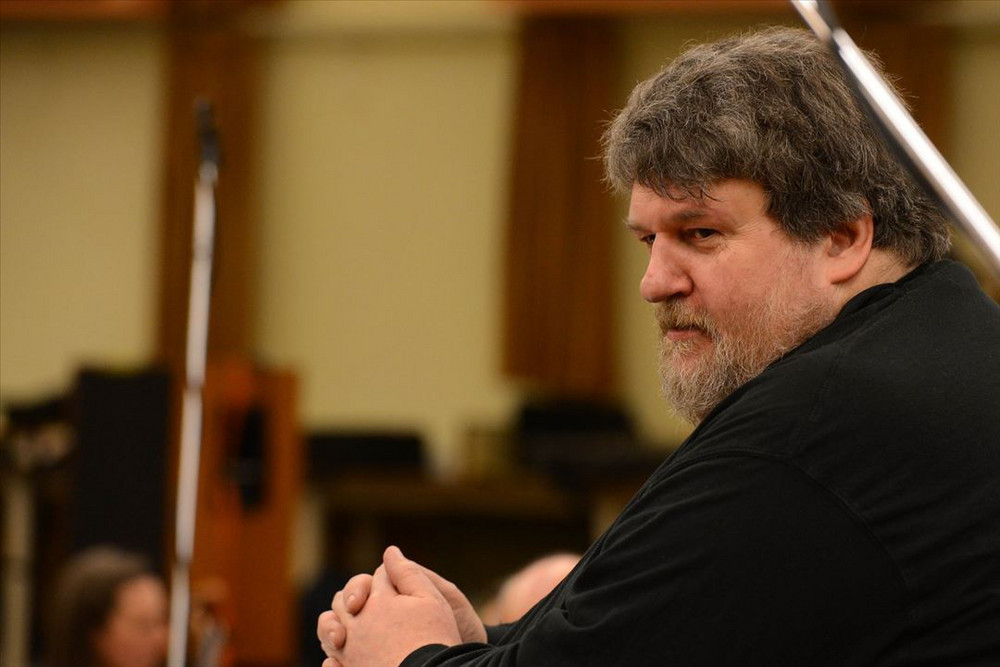
Oliver Knussen
1997
·
1 album
Listen
1
/5
Genres
Deep Free Jazz
Deep free jazz is a particularly exploratory, long‑form, and intensity‑seeking branch of free jazz that prizes collective improvisation, timbral risk‑taking, and spiritual/emotive depth. Compared to more head‑solo‑head jazz formats, it deemphasizes fixed harmony and meter in favor of open forms, evolving textures, and interaction as the compositional motor. Players often use extended techniques (multiphonics, overblowing, prepared piano, arco noise, unconventional percussion) and stretch pacing from whisper‑quiet stasis to cathartic climaxes. While rooted in the U.S. “new thing” of the 1960s, deep free jazz also absorbed modal spaciousness, spiritual/ritual energies, and (especially in Europe) the aesthetics of free improvisation and contemporary classical, resulting in music that can be fierce, meditative, or both within a single performance.
Discover
Listen
Avant-Garde
Avant-garde music is an umbrella term for boundary-pushing practices that challenge prevailing norms of harmony, rhythm, timbre, form, and performance. It privileges experimentation, conceptual rigor, and a willingness to reframe what counts as music at all. Historically tied to early 20th‑century artistic modernism, avant-garde music introduced atonality, the emancipation of noise, and new forms of notation and process. It embraces indeterminacy, extended techniques, electronics, spatialization, and multimedia performance, treating sound as material to be sculpted, questioned, and reinvented.
Discover
Listen
American Modern Classical
American modern classical is a broad umbrella for concert music created by U.S.-based composers from the early 20th century to the present that embraces modernist and postmodern approaches. It often combines European classical forms with distinctly American elements such as jazz harmony, vernacular rhythms, popular-song clarity, minimalism, experimental timbre, and new technologies. The style ranges widely—from dissonant, highly structured modernism and complex rhythmic writing to repetitive minimalism, spacious post-minimal textures, and contemporary cinematic/neo-classical language—so it is best understood as a scene and lineage rather than a single fixed sound.
Discover
Listen
Orchestral
Orchestral music refers to compositions written for an orchestra—a large ensemble typically built around a string section (violins, violas, cellos, double basses), complemented by woodwinds, brass, percussion, and often harp, keyboard, or other auxiliary instruments. A conductor coordinates the ensemble, shaping balance, phrasing, and expression. The style emphasizes coloristic timbre combinations, dynamic range from the softest pianissimo to explosive tuttis, and textures that can shift seamlessly between transparent chamber-like writing and monumental masses of sound. Orchestral writing underpins concert genres such as symphonies, overtures, and tone poems, as well as opera, ballet, and modern film and game scores. While orchestral writing evolved across centuries, its core craft centers on melody, counterpoint, harmony, register, and orchestration—the art of assigning musical ideas to instruments to achieve clarity, contrast, and narrative impact.
Discover
Listen
Classical
Classical music is the notated art-music tradition of Europe and its global descendants, characterized by durable forms, carefully codified harmony and counterpoint, and a literate score-based practice. The term “classical” can refer broadly to the entire Western art-music lineage from the Medieval era to today, not just the Classical period (c. 1750s–1820s). It privileges long-form structures (such as symphonies, sonatas, concertos, masses, and operas), functional or modal harmony, thematic development, and timbral nuance across ensembles ranging from solo instruments to full orchestras and choirs. Across centuries, the style evolved from chant and modal polyphony to tonal harmony, and later to post-tonal idioms, while maintaining a shared emphasis on written notation, performance practice, and craft.
Discover
Listen
Albums
1997
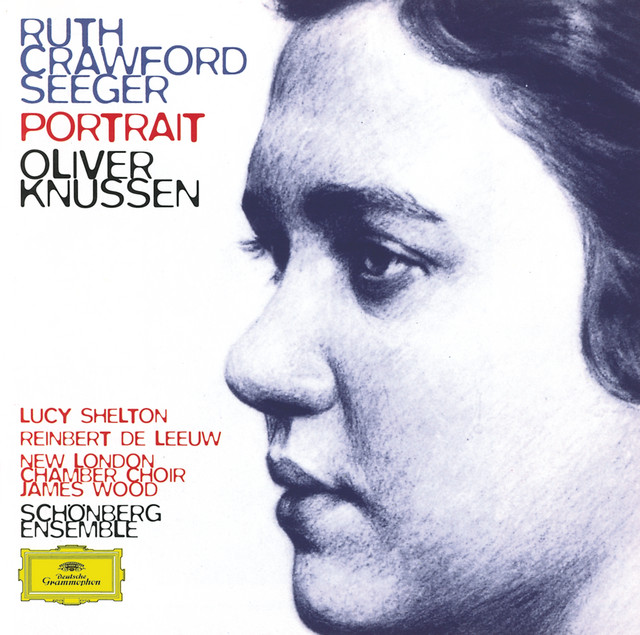
Ruth Crawford Seeger: Music for Small Orchestra; Study in Mixed Accents; Three Songs; Three Chants; String Quartet; Two…
Ruth Crawford Seeger, Lucy Shelton, Schönberg Ensemble, Oliver Knussen
Deep Free Jazz
American Modern Classical
Similar artists
3
/5
Pierre Boulez
Classical
Expressionism
Impressionism
3
/5
Nikolai Rimsky-Korsakov
Saint Petersburg School
Classical
Avant-Garde
2
/5
Sylvain Cambreling
Classical
Spectralism
Avant-Garde
2
/5
Iannis Xenakis
Classical
Stochastic Music
Acousmatic
2
/5
Witold Lutosławski
Avant-Garde
Orchestral
Austro-German Modernism
1
/5
Schönberg Ensemble
Avant-Garde
Minimalism
American Modern Classical
1
/5
Arturo Tamayo
Classical
Orchestral
Stochastic Music
4
/5
Johann Sebastian Bach
Baroque
Classical
Baroque Suite
4
/5
Royal Philharmonic Orchestra
Classical
Classical Bass
Historic Orchestral Performance
4
/5
André Previn
Orchestral Performance
Ballet
Classical
Download our mobile app
Get the Melodigging app and start digging for new genres on the go
Download on the App Store
Get it on Google Play
© 2026 Melodigging
Give feedback
Legal
Melodding was created as a tribute to
Every Noise at Once
, which inspired us to help curious minds keep digging into music's ever-evolving genres.