Genres
Artists
Albums
Make Music
Sign in
Sign in
Artists
Classical
Artists
Classical
Arturo Tamayo
1995–2017
·
8 albums
Listen
1
/5
Genres
Modern Classical
Modern classical is a contemporary strand of instrumental music that applies classical composition techniques to intimate, cinematic settings. It typically foregrounds piano and strings, is sparsely orchestrated, and embraces ambience, repetition, and timbral detail. Rather than the academic modernism of the early 20th century, modern classical as used today refers to accessible, mood-driven works that sit between classical, ambient, and film music. Felt pianos, close‑miked string quartets, tape hiss, drones, soft electronics, and minimal harmonic movement are common, producing a contemplative, emotionally direct sound that translates well to headphones, streaming playlists, and screen media.
Discover
Listen
New Complexity
New Complexity is a movement in contemporary classical composition characterized by extremely detailed notation, dense polyphonic textures, and intricate rhythmic layers. Composers in this school aim to encode a wealth of micro-level information—articulations, dynamics, timbral inflections, and nuanced temporal relationships—directly into the score. The music typically features nested tuplets, rapidly shifting meters, microtonal pitch structures, and extensive use of extended techniques. While often perceived as virtuosic and formidable, its goal is not complexity for its own sake but the precise realization of highly differentiated sound worlds and continuously transforming textures.
Discover
Listen
Stochastic Music
Stochastic music is a 20th‑century avant‑garde approach in which musical parameters are governed by probability theory and random processes rather than fixed, note‑by‑note determination. Instead of traditional melody and harmony, composers shape "sound masses" by controlling statistical features like density, event rate, pitch distributions, durations, and dynamics. Typical tools include Gaussian, Poisson, and Markov processes, which create evolving textures, swarms, and clouds of sound—often realized in both orchestral and electroacoustic settings. The term is most closely associated with Iannis Xenakis, who formalized the method and demonstrated it in landmark works and writings, but it has deeply influenced computer music, experimental electronic practices, and later microsound/granular approaches.
Discover
Listen
Darmstadt School
The Darmstadt School refers to the post–World War II circle of composers who gathered around the Internationale Ferienkurse für Neue Musik (International Summer Courses for New Music) in Darmstadt, West Germany. Characterized by rigorous serial and post-serial techniques, extreme control of musical parameters (pitch, rhythm, dynamics, timbre), and a rejection of tonal and romantic idioms, the style prized structural clarity, pointillist textures, and an ascetic, laboratory-like approach to sound. While aesthetically diverse, its core ethos was a modernist drive toward formal innovation, often engaging electronic media and advanced notation, and deeply influenced by the Second Viennese School—especially Webern’s concise, atomized writing.
Discover
Listen
Concerto For Orchestra
A concerto for orchestra is a 20th‑century orchestral genre that treats the entire orchestra as the virtuoso "soloist." Instead of spotlighting a single instrument against an accompaniment, it rotates concertante roles among sections and individual players, showcasing color, agility, and technical brilliance across the ensemble. While it inherits structural rigor from the symphony and concerto grosso, the genre favors vivid orchestration, sectional solos, and a sense of theatrical display. Composers often use variation, fugal, or arch‑like forms to balance spectacle with architectural coherence.
Discover
Listen
Avant-Garde
Avant-garde music is an umbrella term for boundary-pushing practices that challenge prevailing norms of harmony, rhythm, timbre, form, and performance. It privileges experimentation, conceptual rigor, and a willingness to reframe what counts as music at all. Historically tied to early 20th‑century artistic modernism, avant-garde music introduced atonality, the emancipation of noise, and new forms of notation and process. It embraces indeterminacy, extended techniques, electronics, spatialization, and multimedia performance, treating sound as material to be sculpted, questioned, and reinvented.
Discover
Listen
Concerto
A concerto is a large-scale composition that sets one or more solo instruments in dynamic dialogue with an orchestra. Its core idea is contrast—between soloist and tutti—and the dramatic negotiation of power, color, and thematic responsibility. While Baroque concertos often relied on ritornello form, the Classical era standardized a three-movement plan (fast–slow–fast) with sonata principles in the opening movement. The Romantic period emphasized virtuosity and expressive foregrounding of the soloist, and the 20th–21st centuries broadened the palette with new instruments, harmonies, and formats. Across eras, the concerto remains a showcase for instrumental character, technical brilliance, and the art of orchestral conversation.
Discover
Listen
Orchestral
Orchestral music refers to compositions written for an orchestra—a large ensemble typically built around a string section (violins, violas, cellos, double basses), complemented by woodwinds, brass, percussion, and often harp, keyboard, or other auxiliary instruments. A conductor coordinates the ensemble, shaping balance, phrasing, and expression. The style emphasizes coloristic timbre combinations, dynamic range from the softest pianissimo to explosive tuttis, and textures that can shift seamlessly between transparent chamber-like writing and monumental masses of sound. Orchestral writing underpins concert genres such as symphonies, overtures, and tone poems, as well as opera, ballet, and modern film and game scores. While orchestral writing evolved across centuries, its core craft centers on melody, counterpoint, harmony, register, and orchestration—the art of assigning musical ideas to instruments to achieve clarity, contrast, and narrative impact.
Discover
Listen
Classical
Classical music is the notated art-music tradition of Europe and its global descendants, characterized by durable forms, carefully codified harmony and counterpoint, and a literate score-based practice. The term “classical” can refer broadly to the entire Western art-music lineage from the Medieval era to today, not just the Classical period (c. 1750s–1820s). It privileges long-form structures (such as symphonies, sonatas, concertos, masses, and operas), functional or modal harmony, thematic development, and timbral nuance across ensembles ranging from solo instruments to full orchestras and choirs. Across centuries, the style evolved from chant and modal polyphony to tonal harmony, and later to post-tonal idioms, while maintaining a shared emphasis on written notation, performance practice, and craft.
Discover
Listen
Show all 9 genres
Albums
2017
1
/5
Orchestral Works
Iannis Xenakis Ιάννης Ξενάκης
Stochastic Music
Classical
2013
1
/5
Complete Works for Orchestra, Vol. 5
Bruno Maderna
Darmstadt School
Classical
Concerto
2008
1
/5
Orchestral Works Vol. 5: Metastaseis; Pithoprakta; ST/48; Achorripsis; Syrmos; Hiketides
Iannis Xenakis Ιάννης Ξενάκης / Orchestre philharmonique du Luxembourg / Arturo…
Stochastic Music
Classical
Orchestral
2007
1
/5
Orchestral Works - Vol. III: Synaphaï; Horos; Eridanos; Kyania
Iannis Xenakis Ιάννης Ξενάκης
Stochastic Music
Classical
Orchestral
2007
1
/5
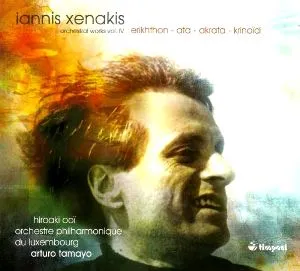
Orchestral Works Vol. IV: Erikhthon; Ata; Akrata; Krinoïdi
Iannis Xenakis Ιάννης Ξενάκης
Stochastic Music
2005
1
/5
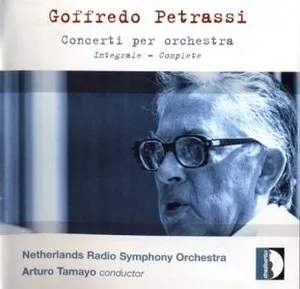
Concerti per orchestra
Goffredo Petrassi / Radio Symfonie Orkest / Arturo Tamayo
Concerto For Orchestra
2000
1
/5
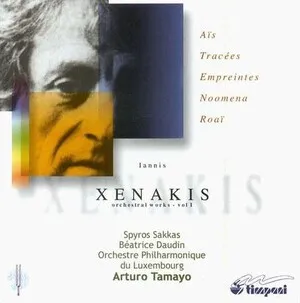
Orchestral Works - Vol. I: Aïs; Tracées; Empreintes; Noomena; Roaï
Iannis Xenakis Ιάννης Ξενάκης
Stochastic Music
Classical
Modern Classical
1995
1
/5
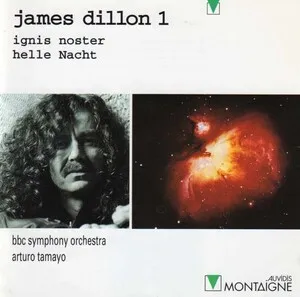
James Dillon 1: ignis noster; helle Nacht
James Dillon / BBC Symphony Orchestra / Arturo Tamayo
New Complexity
Similar artists
2
/5
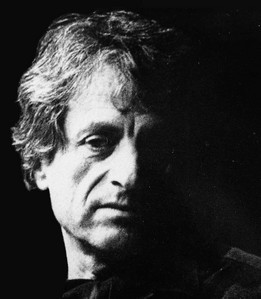
Iannis Xenakis
Classical
Stochastic Music
Acousmatic
3
/5
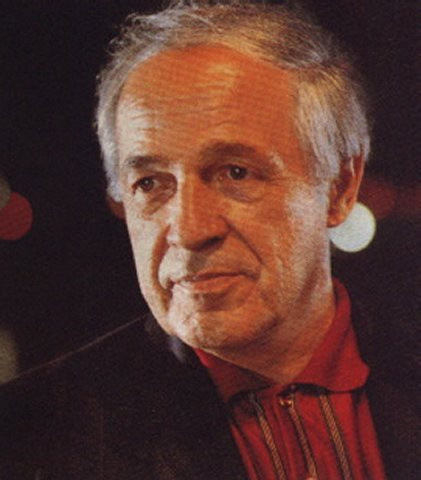
Pierre Boulez
Classical
Serialism
Second Viennese School
4
/5
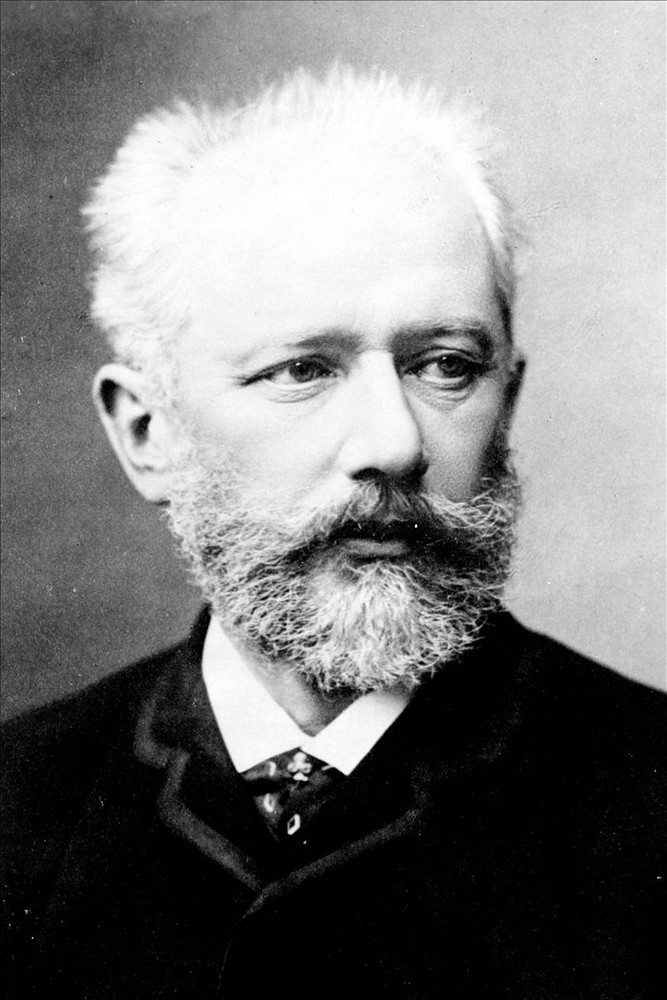
Pyotr Ilyich Tchaikovsky
Classical
Moscow School
Ballet
3
/5
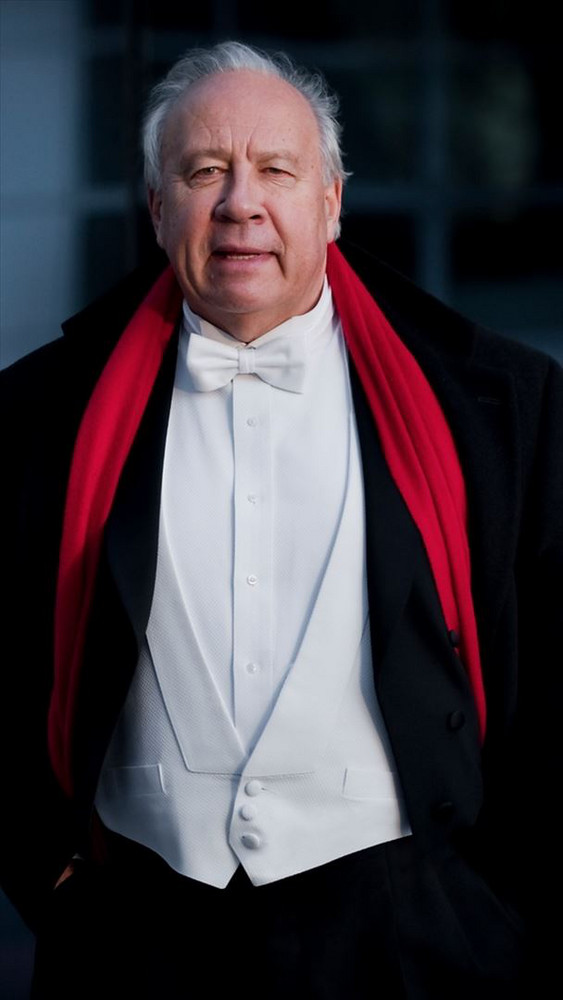
Neeme Järvi
Classical
Orchestral
Concerto
4
/5
London Symphony Orchestra
Classical
Ballet
Concerto
4
/5
Herbert von Karajan
Classical
Symphonic Poem
Symphony
4
/5
Antonín Dvořák
Classical
Symphony
Romantic Classical
3
/5
Boston Symphony Orchestra
Classical
Concerto
Moscow School
3
/5
Chicago Symphony Orchestra
Classical
Choral Symphony
Concerto
3
/5
Fritz Reiner
Classical
Concerto
Orchestral
Download our mobile app
Get the Melodigging app and start digging for new genres on the go
Download on the App Store
Get it on Google Play
© 2026 Melodigging
Give feedback
Legal
Melodding was created as a tribute to
Every Noise at Once
, which inspired us to help curious minds keep digging into music's ever-evolving genres.