Genres
Make Music
Artists
Albums
Challenges
Sign in
Sign in
Albums
By Bruno Maderna
Albums
By Bruno Maderna
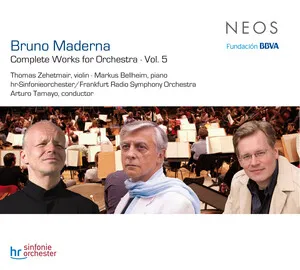
Complete Works for Orchestra, Vol. 5
July 31, 2013
Listen
1
/5
Genres
Darmstadt School
The Darmstadt School refers to the post–World War II circle of composers who gathered around the Internationale Ferienkurse für Neue Musik (International Summer Courses for New Music) in Darmstadt, West Germany. Characterized by rigorous serial and post-serial techniques, extreme control of musical parameters (pitch, rhythm, dynamics, timbre), and a rejection of tonal and romantic idioms, the style prized structural clarity, pointillist textures, and an ascetic, laboratory-like approach to sound. While aesthetically diverse, its core ethos was a modernist drive toward formal innovation, often engaging electronic media and advanced notation, and deeply influenced by the Second Viennese School—especially Webern’s concise, atomized writing.
Discover
Listen
Concerto
A concerto is a large-scale composition that sets one or more solo instruments in dynamic dialogue with an orchestra. Its core idea is contrast—between soloist and tutti—and the dramatic negotiation of power, color, and thematic responsibility. While Baroque concertos often relied on ritornello form, the Classical era standardized a three-movement plan (fast–slow–fast) with sonata principles in the opening movement. The Romantic period emphasized virtuosity and expressive foregrounding of the soloist, and the 20th–21st centuries broadened the palette with new instruments, harmonies, and formats. Across eras, the concerto remains a showcase for instrumental character, technical brilliance, and the art of orchestral conversation.
Discover
Listen
Classical
Classical music is the notated art-music tradition of Europe and its global descendants, characterized by durable forms, carefully codified harmony and counterpoint, and a literate score-based practice. The term “classical” can refer broadly to the entire Western art-music lineage from the Medieval era to today, not just the Classical period (c. 1750s–1820s). It privileges long-form structures (such as symphonies, sonatas, concertos, masses, and operas), functional or modal harmony, thematic development, and timbral nuance across ensembles ranging from solo instruments to full orchestras and choirs. Across centuries, the style evolved from chant and modal polyphony to tonal harmony, and later to post-tonal idioms, while maintaining a shared emphasis on written notation, performance practice, and craft.
Discover
Listen
Similar albums
1989
The Brandenburg Concertos
Johann Sebastian Bach / Orchestra of the Age of Enlightenment
2017
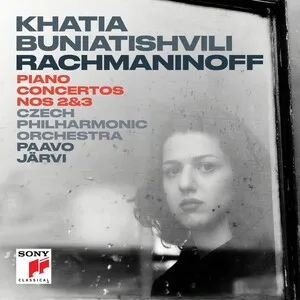
Piano Concertos Nos 2 & 3
Sergey Rakhmaninov Сергей Рахманинов
1997
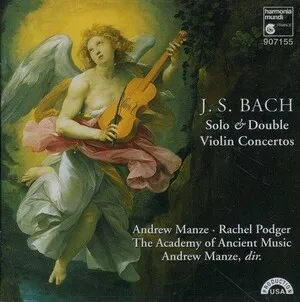
Solo & Double Violin Concertos
Johann Sebastian Bach
2003
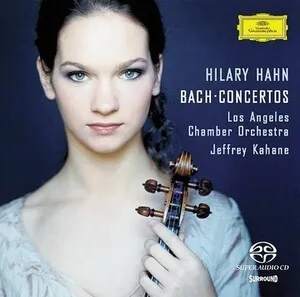
Concertos
Johann Sebastian Bach
1987
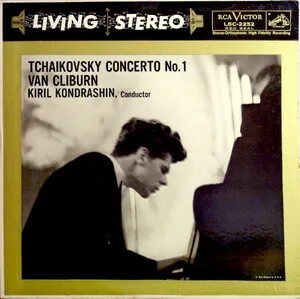
Concerto No. 1
Pyotr Tchaikovsky Пётр Чайковский
1988
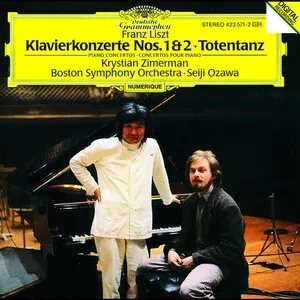
Klavierkonzerte Nos. 1 & 2; Totentanz
Franz Liszt
1995
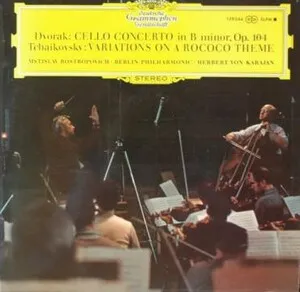
Cello Concerto in B minor, Op. 104 / Variations on a Rococo Theme
Antonín Dvořák / Pyotr Tchaikovsky Пётр Чайковский
2002
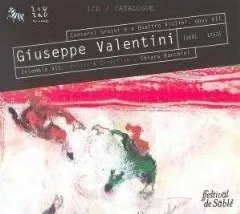
Concerti grossi e a quattro violini, opus VII
Giuseppe Valentini / Ensemble 415 / Chiara Banchini
1968
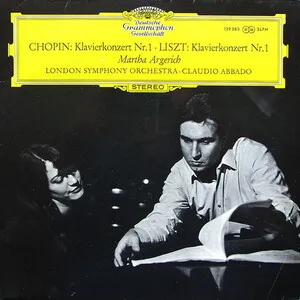
Klavierkonzert Nr.1 / Klavierkonzert Nr.1
Frédéric Chopin / Franz Liszt
1984
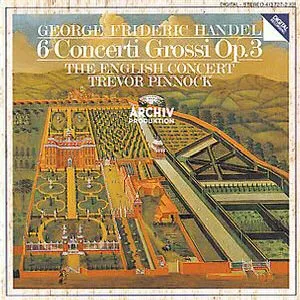
6 Concerti grossi Op. 3
Georg Friedrich Händel / The English Concert / Trevor Pinnock
Download our mobile app
Get the Melodigging app and start digging for new genres on the go
Download on the App Store
Get it on Google Play
© 2026 Melodigging
Give feedback
Legal
Melodding was created as a tribute to
Every Noise at Once
, which inspired us to help curious minds keep digging into music's ever-evolving genres.