Genres
Artists
Albums
Make Music
Sign in
Sign in
Artists
Anatolian Rock
Artists
Anatolian Rock
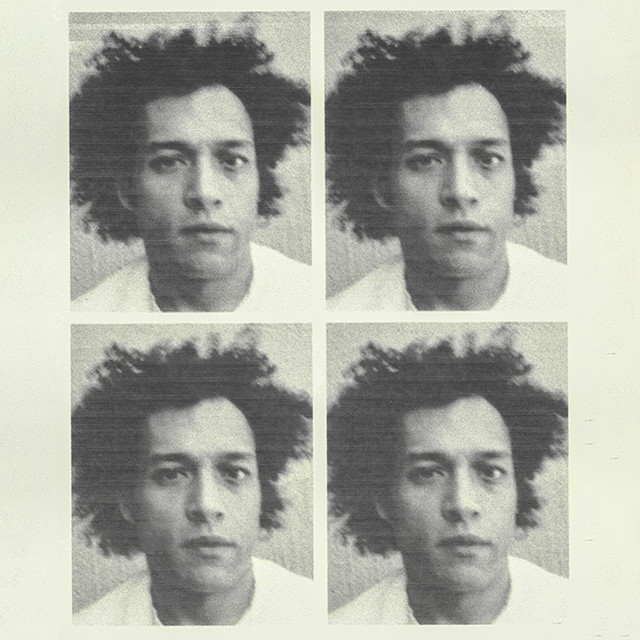
Okay Temiz
1980
·
1 album
Listen
2
/5
Genres
Souldies
Souldies is a modern revival of classic lowrider “oldies” soul—slow, tender ballads rooted in 1960s and early-’70s sweet soul and doo‑wop aesthetics, reimagined by a new generation of largely Chicano/Latinx artists in Southern California. Characterized by warm, analog-leaning production, mellow backbeats, honeyed vocal harmonies, and heart‑on‑sleeve lyricism, the style favors mid‑slow tempos, tape‑like saturation, spring/plate reverb, and minimalist yet expressive arrangements. English and Spanish (or Spanglish) lyrics often explore love, longing, devotion, and cruising/lowrider culture. Souldies sits at the intersection of classic soul, rhythm & blues, northern soul selections, and Latin soul, offering a contemporary, community‑centered sound that feels both timeless and newly personal.
Discover
Listen
Contemporary Jazz
Contemporary jazz is an umbrella term for post-1970 jazz that absorbs advances from post‑bop, fusion, free jazz, modern classical, and global traditions while retaining the core values of improvisation and interaction. It favors a flexible rhythmic feel (from straight‑8 to polyrhythms), modal and post‑tonal harmony, and a producer’s ear for space, texture, and sound design. Unlike earlier era labels tied to a single movement, contemporary jazz denotes a living, evolving practice. It ranges from intimate acoustic trios to electronics‑enhanced ensembles, often using odd meters, ambient timbres, and song forms that move beyond the 32‑bar standard. The result is a wide spectrum—from lyrical, ECM‑influenced spaciousness to groove‑forward, rhythmically intricate music influenced by funk and world traditions.
Discover
Listen
Anatolian Rock
Anatolian rock (also called Anadolu rock or Turkish psych) is a hybrid style that fuses Western rock idioms with Anatolian/Turkish folk traditions and the makam-based modal system. It emerged in the mid-to-late 1960s as Turkish musicians adapted beat, garage, and psychedelic rock to local melodies, scales, and rhythms. Typical instrumentation combines fuzzed electric guitars and bass with amplified bağlama (saz), Farfisa/Hammond organs, and a rock drum kit, often supplemented by traditional percussion. Songs frequently use "aksak" (limping) meters such as 9/8, 7/8, and 5/8, and melodies draw on makams like Hicaz, Hüseyni, Uşşak, Rast, and Kürdi. Lyrics are usually in Turkish and range from folk poetry and mystic allegory to social critique and protest. The style is renowned for its thick, swirling textures—spring reverb, tape saturation, phasing, and wah-wah—while retaining the narrative and modal richness of Anatolian musical heritage. It stands as a signature example of East–West synthesis in popular music.
Discover
Listen
Turkish Psych
Turkish psych (often grouped within Anatolian rock) blends Western psychedelic rock with Turkish folk melodies, modes (makam), and asymmetrical rhythms (usul). It typically features fuzzed‑out electric guitars or electrified bağlama (saz), swirling organs, and spring reverb or tape echo, all supporting melodies that bend and ornament microtonal intervals. Lyrically, it spans social commentary, mystic poetry, and rural imagery. The style is simultaneously hypnotic and driving: odd meters like 9/8 and 7/8 propel grooves while modal drones and Phrygian‑dominant colors evoke a heady, dreamlike atmosphere.
Discover
Listen
Experimental Jazz
Experimental jazz is a broad, exploratory wing of jazz that prioritizes innovation in form, timbre, harmony, rhythm, and ensemble interaction. It stretches beyond conventional song structures and chord progressions, drawing from avant-garde composition, free improvisation, electronic processing, and global musical traditions. While it maintains jazz’s improvisatory core, it often embraces extended techniques, graphic scores, non-standard tunings, and open or shifting meters to expand the music’s expressive and textural possibilities.
Discover
Listen
Jazz Fusion
Jazz fusion (often simply called "fusion") blends the improvisational language and harmonic richness of jazz with the amplified instruments, grooves, and song forms of rock, funk, and R&B. It typically features electric guitars, electric bass or fretless bass, Rhodes electric piano, clavinet, analog and digital synthesizers, and a drum kit playing backbeat- and syncopation-heavy patterns. Hallmarks include extended chords and modal harmony, complex and shifting meters, brisk unison lines, virtuosic improvisation, and a production aesthetic that embraces effects processing and studio craft. The style ranges from fiery, aggressive workouts to polished, atmospheric textures, often within the same piece. Emerging in the late 1960s and flourishing through the 1970s, jazz fusion became a bridge between jazz audiences and rock/funk listeners, shaping later styles such as jazz-funk, smooth jazz, nu jazz, and parts of progressive and technical rock/metal.
Discover
Listen
Free Jazz
Free jazz is a radical branch of jazz that rejects fixed chord progressions, strict meter, and conventional song forms in favor of collective improvisation, textural exploration, and spontaneous interaction. Musicians prioritize timbre, dynamics, and gesture as much as pitch and harmony, often using extended techniques (multiphonics, overblowing, prepared piano) and unconventional sounds. While rooted in the blues and earlier jazz vocabularies, free jazz frees improvisers from pre-set harmonic cycles, allowing lines to unfold over tonal centers, shifting modes, drones, or complete atonality. Rhythm sections may float without a steady pulse, or drive with layered polyrhythms and “energy playing.” The result ranges from contemplative soundscapes to cathartic, high-intensity eruptions. Culturally, the genre intersected with the civil rights era and broader avant-garde movements, emphasizing autonomy, community, and new possibilities for musical expression.
Discover
Listen
Jazz
Jazz is an improvisation-centered music tradition that emerged from African American communities in the early 20th century. It blends blues feeling, ragtime syncopation, European harmonic practice, and brass band instrumentation into a flexible, conversational art. Defining features include swing rhythm (a triplet-based pulse), call-and-response phrasing, blue notes, and extended harmonies built on 7ths, 9ths, 11ths, and 13ths. Jazz is as much a way of making music—spontaneous interaction, variation, and personal sound—as it is a set of forms and tunes. Across its history, jazz has continually hybridized, from New Orleans ensembles and big-band swing to bebop, cool and hard bop, modal and free jazz, fusion, and contemporary cross-genre experiments. Its influence permeates global popular and art music.
Discover
Listen
Show all 8 genres
Albums
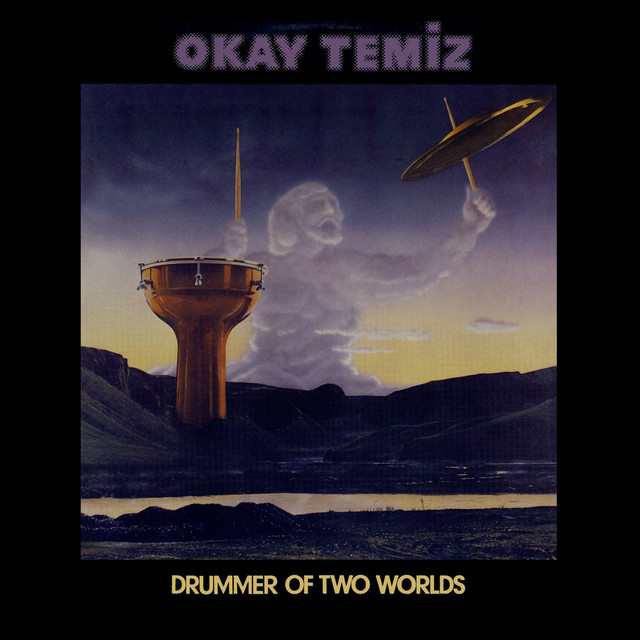
1980
Drummer Of Two Worlds
Okay Temiz
Turkish Psych
Similar artists
4
/5
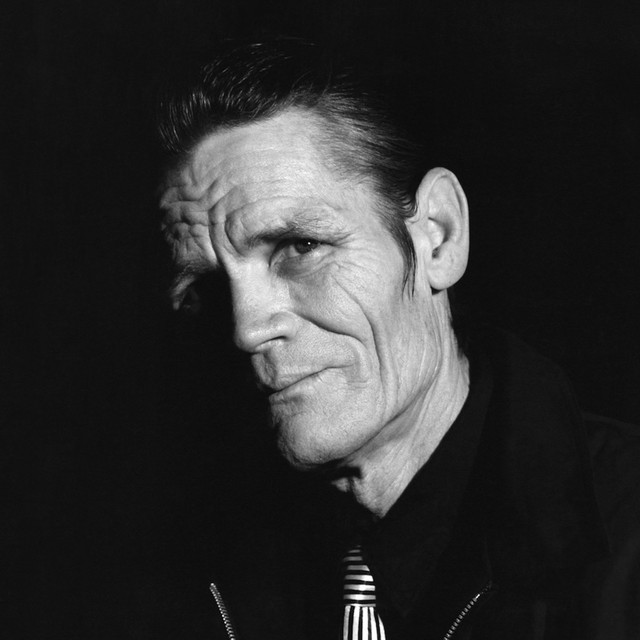
Chet Baker
Cool Jazz
Jazz
Jazz Trumpet
4
/5
Miles Davis
Hard Bop
Jazz
Jazz Fusion
3
/5
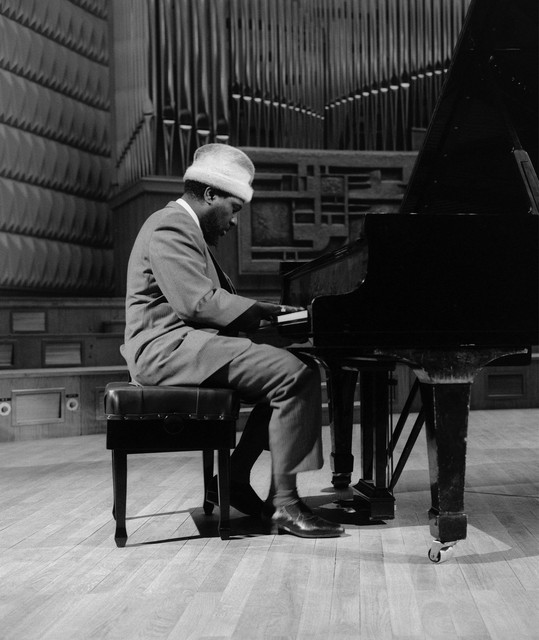
Thelonious Monk
Hard Bop
Jazz
Bebop
3
/5
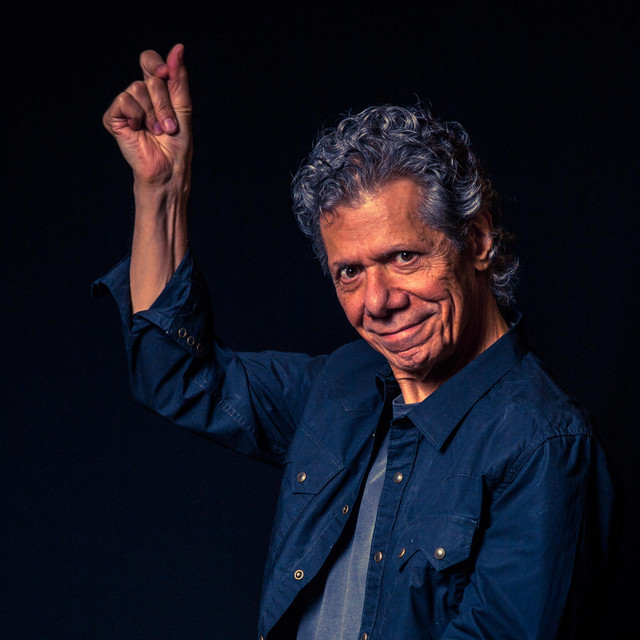
Chick Corea
Ecm Style Jazz
Jazz Fusion
Free Jazz
3
/5
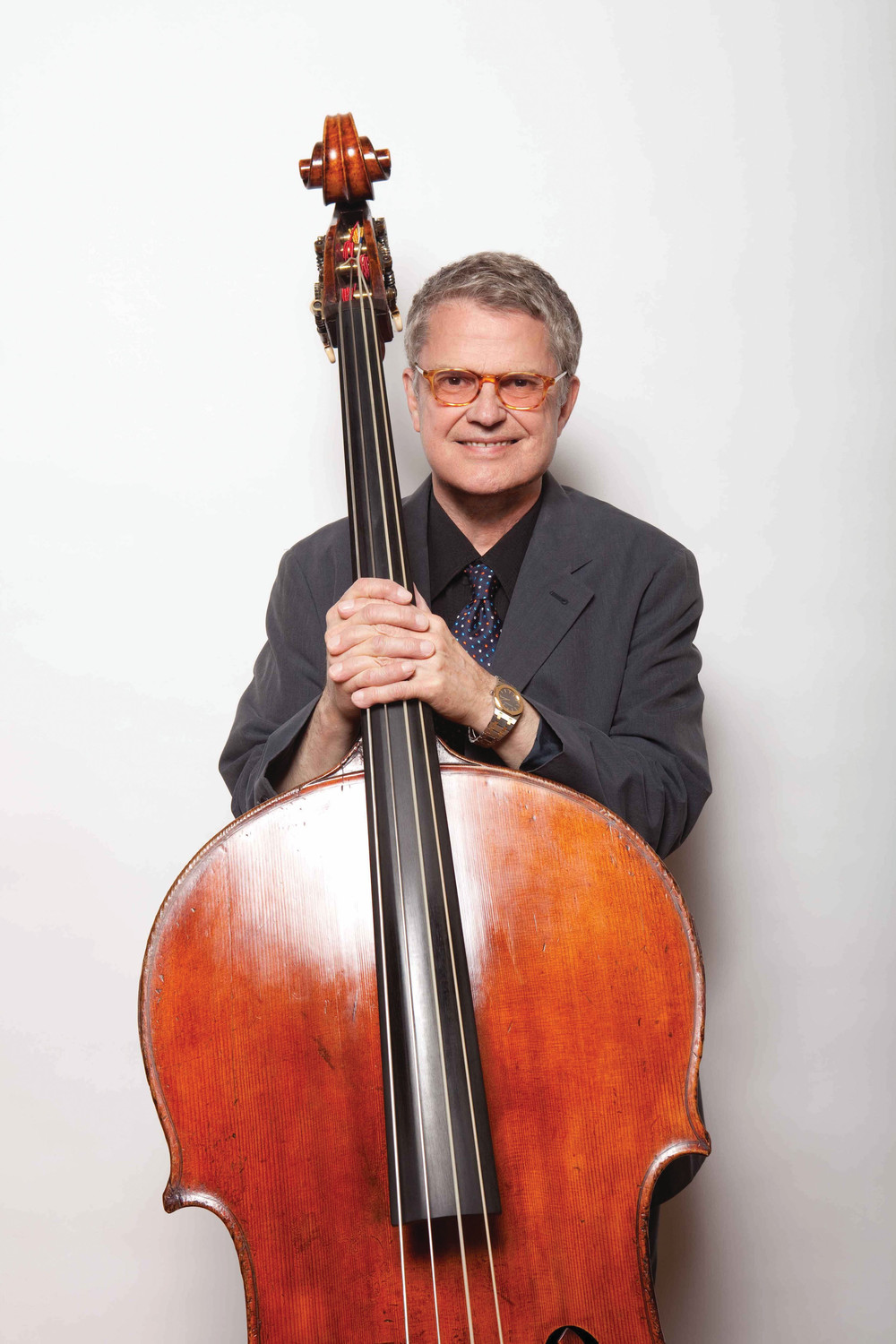
Charlie Haden
Jazz
Avant-Garde Jazz
Big Band
3
/5
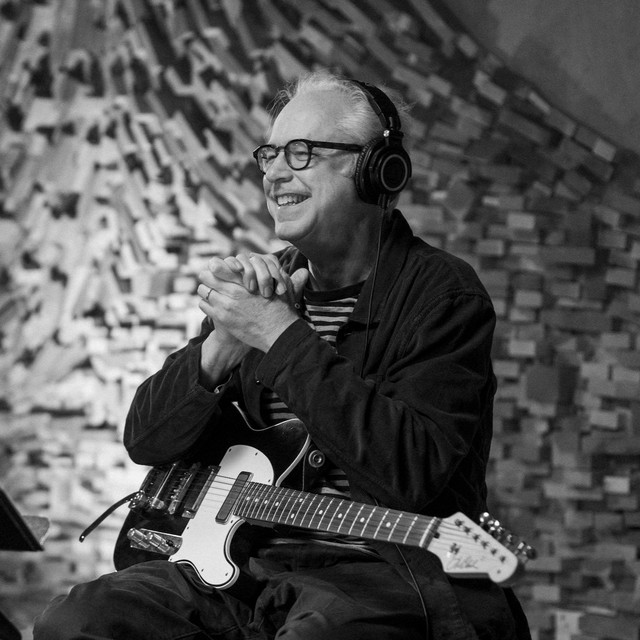
Bill Frisell
Jazz
Free Jazz
Folk
3
/5
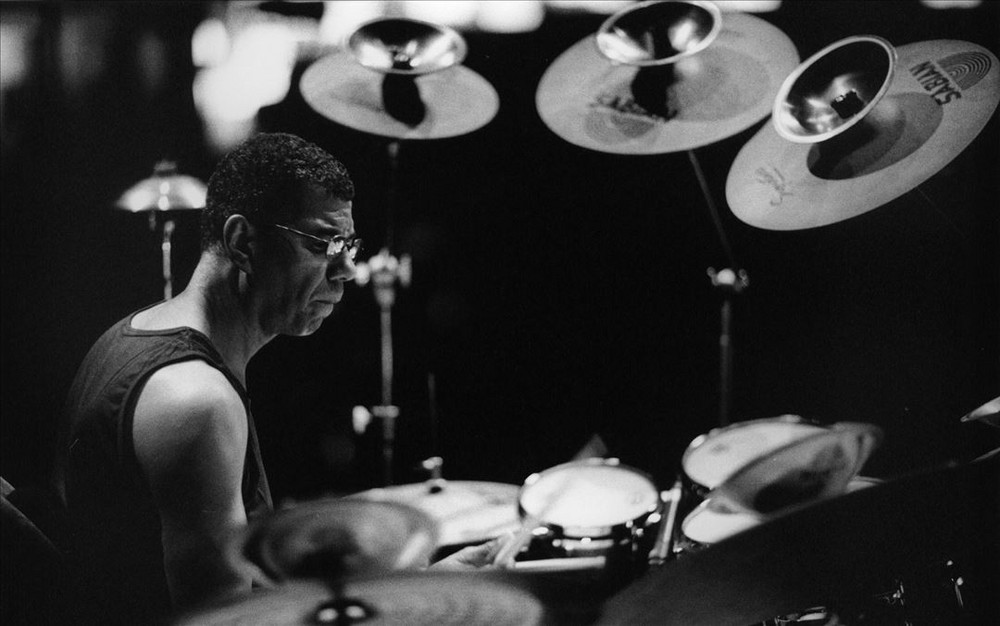
Jack DeJohnette
Jazz
Post-Bop
Ecm Style Jazz
3
/5
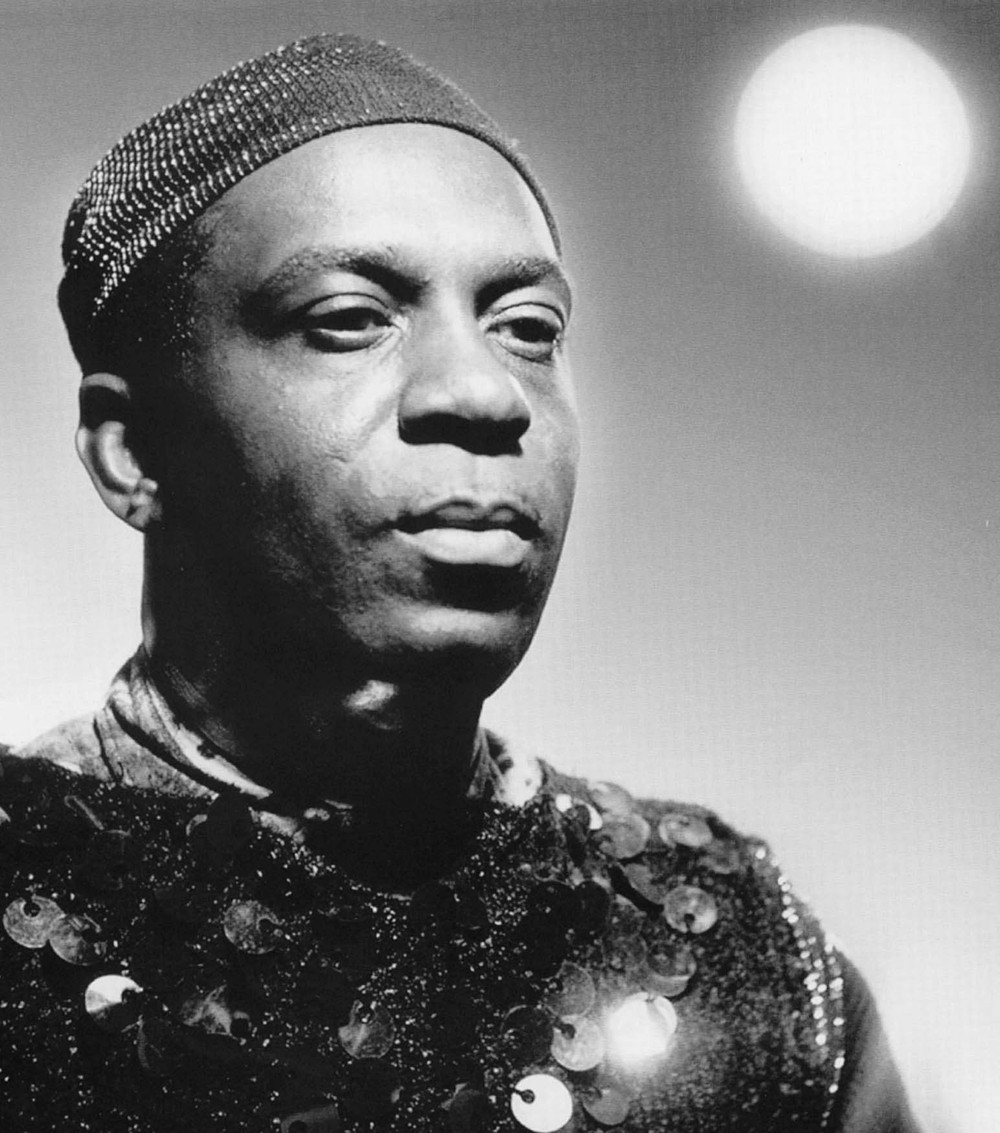
Sun Ra
Free Jazz
Jazz
Avant-Garde Jazz
2
/5
Makaya McCraven
Contemporary Jazz
Jazz
Experimental Jazz
2
/5
Charles Lloyd
Jazz
Post-Bop
Free Jazz
Download our mobile app
Get the Melodigging app and start digging for new genres on the go
Download on the App Store
Get it on Google Play
© 2026 Melodigging
Give feedback
Legal
Melodding was created as a tribute to
Every Noise at Once
, which inspired us to help curious minds keep digging into music's ever-evolving genres.