Genres
Artists
Albums
Make Music
Sign in
Sign in
Artists
Black Metal
Artists
Black Metal
Obsequiae
2019
·
1 album
Listen
2
/5
Genres
Winter Synth
Winter synth is a microgenre of dungeon synth and ambient that evokes wintertime landscapes, quiet snowfall, candlelit interiors, and festive or solstitial moods. Its sound palette favors soft synth pads, bell and celesta tones, choir and string layers, gentle drones, and understated percussion such as sleigh bells or muffled toms. Production typically leans lo‑fi and reverb‑rich, often with tape hiss or room noise to enhance the cozy, nostalgic feel. While largely instrumental, some releases weave in hymn- or carol-like harmonies, wind and fireplace field recordings, or simple leitmotifs that recur across short vignettes. The focus is atmosphere over virtuosity, creating intimate, scenic miniatures that suggest a quiet winter journey or a peaceful night by the hearth.
Discover
Listen
Voidgaze
Voidgaze is a heavy, atmospheric offshoot of shoegaze that fuses dense, down‑tuned guitars with post‑metal weight and blackgaze/atmospheric black metal expansiveness. The sound foregrounds towering walls of fuzz and reverb, but replaces the genre’s classic dreaminess with a cavernous, cosmic darkness—hence the sense of “the void.” Typical tracks pivot between tectonic, slow‑burn passages and explosive peaks: blast‑beat or double‑time surges may erupt beneath layers of smeared guitars, then collapse back into glacial, reverb‑soaked textures. Vocals are usually soft, breathy, or distant in the mix (sometimes screamed as a texture), serving the atmosphere rather than acting as a focal melody. Lyrically, voidgaze tends toward the existential—nature, vastness, decay, memory, and spiritual unease—mirroring the music’s sense of scale and sublimity.
Discover
Listen
Folk Metal
Folk metal blends the power and riff-driven intensity of heavy metal with melodies, instruments, scales, and storytelling traditions from regional folk music. Typical arrangements combine distorted guitars, bass, and drums with fiddles, flutes, whistles, bagpipes, accordions, hurdy-gurdies, bouzoukis, and other traditional instruments. Bands often draw on myth, history, and local folklore for lyrical themes, ranging from epic sagas and battle hymns to drinking songs and pastoral ballads. The style spans a spectrum from aggressive and blackened approaches to upbeat, danceable, and festive moods, making it one of metal’s most diverse and regionally distinctive subgenres.
Discover
Listen
Medieval Black Metal
Medieval black metal is a fusion of second‑wave black metal with the melodic language, instruments, and atmospheres of medieval European music. It retains the raw tremolo‑picked riffing, blast beats, and harsh vocals of black metal, but frames them with modal melodies, droning fifths, and courtly or liturgical timbres. Typical hallmarks include the use (or convincing emulation) of medieval instruments such as hurdy‑gurdy, harp, lute, recorder, bagpipe, and hand percussion, as well as choral textures inspired by Gregorian chant and organum. Harmonically it favors modal scales (Dorian, Aeolian, Phrygian, Mixolydian), open fifths, and cadences reminiscent of early music, often alternating with aggressive black‑metal sections. Lyrically and visually it draws on feudal lore, chivalric romance, plague and warfare, saints’ lives, troubadour poetry, and regional history, creating a distinctly archaic atmosphere within extreme metal.
Discover
Listen
Medieval Metal
Medieval metal is a subgenre of folk metal that fuses the power and riff-driven weight of heavy metal with melodies, modes, and instruments associated with medieval and early modern European music. Centered largely in Germany—where it is known as Mittelalter-Metal or Mittelalter-Rock—the style features prominent use of hurdy-gurdy, bagpipes (Dudelsack), shawms/bombards, recorders, cittern/lute, nyckelharpa, and frame drums alongside distorted electric guitars, bass, and modern drum kits. Songs often draw on medieval dance rhythms (saltarello- or estampie-like pulses), modal melodies (Dorian, Aeolian, Mixolydian), and lyrics referencing legends, minstrelsy, battles, folk tales, and historical themes. Pioneered in the mid-to-late 1990s by bands such as Subway to Sally, In Extremo, and Schandmaul, the genre grew out of Germany’s Neo-Medieval movement and quickly established a vibrant live culture at medieval markets and major festivals.
Discover
Listen
Melodic Black Metal
Melodic black metal blends the cold, tremolo-picked fury of second‑wave black metal with the twin‑guitar harmonies, lead motifs, and songcraft associated with melodic death metal. It retains rasped vocals, blast beats, and a bleak atmosphere, but favors clearer production, memorable guitar themes, and dramatic minor‑key progressions over lo‑fi abrasion. The result is a sound that is simultaneously aggressive and epic, often evoking wintery landscapes, nihilism, myth, and existential grandeur.
Discover
Listen
Black Metal
Black metal is a form of extreme metal defined by fast tempos, tremolo‑picked guitar lines, blast‑beat drumming, shrieked or rasped vocals, and a deliberately raw, icy production aesthetic. Harmonically, it favors minor and modal collections (especially Aeolian and Phrygian), open-string drones, parallel fifths and fourths, tritones, and sparse or suspended chord voicings over blues-derived harmony. Arrangements often employ layered guitars, long-form song structures, and enveloping reverb to create a bleak, otherworldly atmosphere. The genre’s visual and thematic language is equally distinctive: corpse paint, monochrome artwork, and lyrics exploring anti-dogma, nature, pagan myth, cosmic nihilism, and misanthropy. While some scenes have been associated with controversy and extremism, the musical identity centers on sound, atmosphere, and aesthetics rather than any single ideology.
Discover
Listen
Medieval
Medieval music refers to the diverse sacred and secular musical practices of Europe between the fall of the Western Roman Empire and the dawn of the Renaissance. It spans more than eight centuries, from early monophonic chant to the first notated polyphony. Core features include the use of church modes rather than major/minor, extensive reliance on vocal music (Latin sacred chant as well as vernacular song), and the progressive development from unmeasured chant to rhythmic modal notation and, later, mensural notation. Texture evolves from monophony (plainchant, troubadour songs) to organum, conductus, and the motet, culminating in complex isorhythmic works by the late 13th–14th centuries. Secular traditions—troubadours and trouvères in France, Minnesänger in German lands, and the Iberian Cantigas—coexisted with and influenced sacred practice. Instruments such as the vielle, harp, psaltery, recorder, shawm, hurdy-gurdy, and portative organ often doubled or accompanied voices, though much music remained purely vocal.
Discover
Listen
Show all 8 genres
Albums
2019
2
/5
The Palms of Sorrowed Kings
Obsequiae
Medieval Black Metal
Folk Metal
Melodic Black Metal
Similar artists
3
/5
Curta'n Wall
Black Metal
Folk Metal
Medieval
2
/5
VÉHÉMENCE
Epic Black Metal
Medieval Black Metal
Black Metal
1
/5
Darkenhöld
Black Metal
Dark Ambient
French Black Metal
2
/5
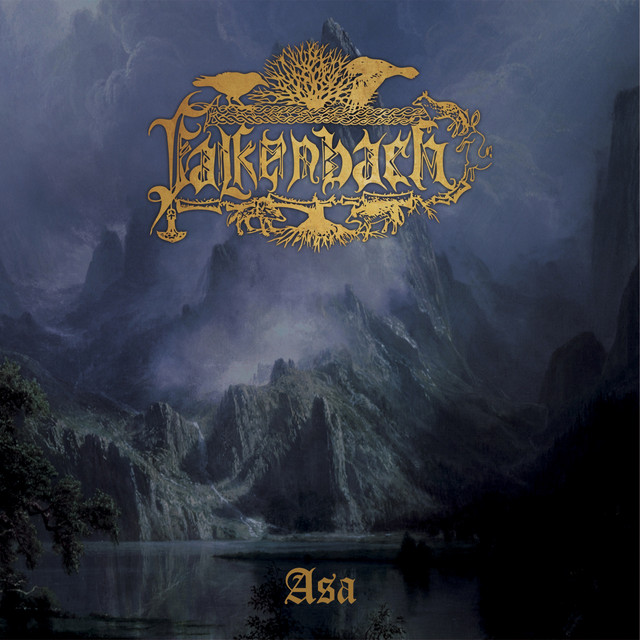
Falkenbach
Folk Metal
Black Metal
Viking Metal
2
/5
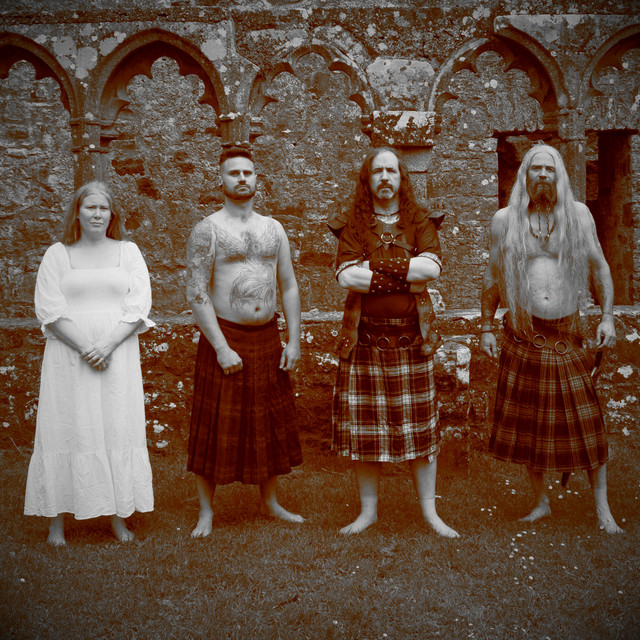
Cruachan
Celtic Metal
Folk Metal
Rock
3
/5
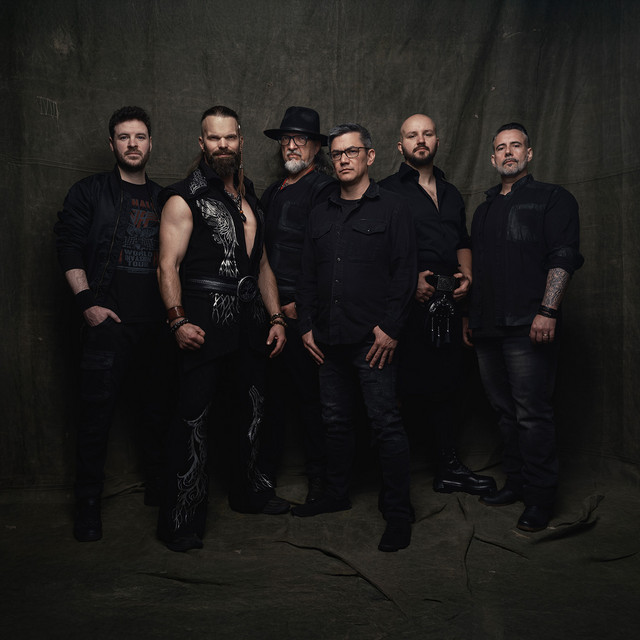
Saltatio Mortis
Medieval
Folk Metal
Folk Rock
3
/5
Eluveitie
Celtic Metal
Folk Metal
Melodic Death Metal
3
/5
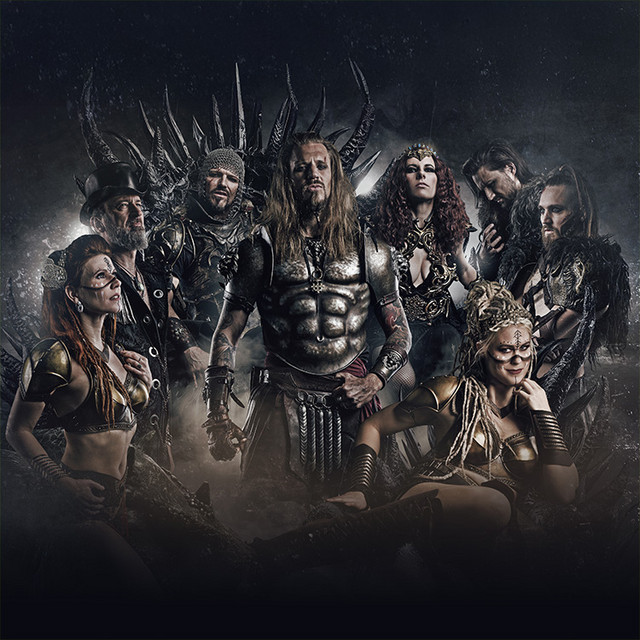
Feuerschwanz
Folk Metal
Medieval Metal
Folk Rock
3
/5
Versengold
Medieval Rock
Folk
Folk Rock
1
/5
Sühnopfer
French Black Metal
Medieval Black Metal
Black Metal
Download our mobile app
Get the Melodigging app and start digging for new genres on the go
Download on the App Store
Get it on Google Play
© 2026 Melodigging
Give feedback
Legal
Melodding was created as a tribute to
Every Noise at Once
, which inspired us to help curious minds keep digging into music's ever-evolving genres.