Genres
Artists
Albums
Make Music
Sign in
Sign in
Artists
Japanoise
Artists
Japanoise
Nisennenmondai
2009–2013
·
3 albums
Listen
Genres
Post-Rock
Post-rock is a style that uses traditional rock instrumentation—guitars, bass, drums, and often piano or strings—to create expansive textures, evolving soundscapes, and dynamic arcs rather than conventional verse–chorus songs. It emphasizes timbre, atmosphere, and gradual development: clean or lightly overdriven guitars drenched in delay and reverb, cyclical ostinatos, layered crescendos, and pronounced quiet–loud dynamics. Vocals, if present, are often sparse, wordless, or treated as another textural layer. The genre draws heavily from ambient, minimalism, krautrock, progressive and space rock, shoegaze, noise rock, and experimental practices, yielding music that can feel cinematic, contemplative, and emotionally cathartic.
Discover
Listen
Minimal Techno
Minimal techno is a stripped-down, precision-focused branch of techno that emphasizes space, repetition, and subtle change over time. It typically uses a small palette of elements—kick, hi-hats, sparse percussion, a bass pulse, and a few tonal stabs or textures—and relies on micro-variations, dynamics, and timbral modulation to create movement. Rather than dense layering, minimal techno foregrounds negative space and groove, often highlighting the interplay between a hypnotic 4/4 kick and minimal percussive details. The result is a deep, immersive club sound where patience, restraint, and nuance are central to the aesthetic.
Discover
Listen
Japanoise
Japanoise is an extreme, experimental branch of noise music that arose in Japan and became known for its overwhelming volume, dense timbral saturation, and improvisatory intensity. The term was popularized by Western writers to describe a constellation of Japanese artists who pushed noise to visceral, physical extremes. Rather than melody or harmony, Japanoise foregrounds texture, feedback, distortion, and the live manipulation of electronics, contact mics, metal objects, and effects chains. Performances often emphasize spontaneity, risk, and theatricality, ranging from static, crushing walls of sound to frenetic cut‑up barrages.
Discover
Listen
Dance
Dance (as a broad, mainstream club- and radio-oriented style) is pop-leaning music designed primarily for dancing, characterized by steady, driving beats, catchy hooks, and production that translates well to nightclubs and large sound systems. It emerged after disco, blending four-on-the-floor rhythms with electronic instrumentation and pop songwriting, and it continually absorbs elements from house, techno, Hi-NRG, synth-pop, and later EDM. Tempos commonly fall between 110–130 BPM, vocals often emphasize memorable choruses, and arrangements are structured for both club mixing and mass appeal.
Discover
Listen
Industrial
Industrial is an experimental electronic music tradition that uses abrasive timbres, mechanical rhythms, and transgressive aesthetics. Its sound palette often includes distorted drum machines, tape loops, metallic percussion, feedback, and found-object recordings alongside synthesizers and samplers. Emerging from late-1970s UK underground art and performance scenes, industrial foregrounds themes of dehumanization, technology, surveillance, and power. Releases frequently embrace anti-commercial presentation, stark graphic design, and confrontational performance art, treating the studio as a laboratory for sonic manipulation rather than a vehicle for conventional songcraft. While early industrial emphasized noise, tape processing, and avant-garde collage, later waves fused the style with dancefloor precision (EBM), rock and metal heft, and club-oriented production, giving rise to a broad post-industrial family that remains influential in experimental, electronic, and popular music.
Discover
Listen
Dance-Punk
Dance-punk is a fusion of punk’s abrasive energy and attitude with the groove-forward rhythms of funk and disco. It favors tight, four-on-the-floor drum patterns, rubbery and syncopated bass lines, choppy, scratchy rhythm guitars, and percussion accents like cowbell and handclaps. Vocals are often shouted, talk-sung, or delivered with sardonic cool, and lyrics tend to be ironic, urban, and socially observant. A first wave emerged in the late 1970s and early 1980s alongside post-punk and no wave scenes (especially in New York and the UK), while a high-profile revival in the early 2000s (centered around DFA Records) brought analog synths, minimalist production, and indie-club sensibilities back to the fore.
Discover
Listen
Krautrock
Krautrock is an experimental form of rock that emerged in late-1960s West Germany, characterized by hypnotic repetition, long-form structures, and a forward-looking embrace of electronics and studio experimentation. It typically features a steady, driving 4/4 “motorik” beat, circular bass ostinatos, sparse harmonic movement, and textural layering that draws from minimalism, free improvisation, and avant-garde composition. Rather than virtuosic solos, the emphasis is on collective groove, trance-inducing momentum, and timbral exploration. The sound ranges from raw, percussive jams to spacious, cosmic electronics, often eschewing conventional Anglo-American blues forms in favor of a distinctly European modernist aesthetic.
Discover
Listen
Instrumental Rock
Instrumental rock is a branch of rock music in which the featured melodies and hooks are carried by instruments—most famously the electric guitar—rather than a lead singer. Emerging in the late 1950s, it emphasizes memorable riffs, strong rhythmic backbeats, and distinctive guitar tones (twang, tremolo picking, and spring reverb), often supported by bass, drums, and sometimes organ or saxophone. It ranges from raw, riff-driven singles to more sophisticated, jazz-tinged or studio-crafted pieces. While closely associated with early surf sounds, instrumental rock is broader, encompassing twangy rock-and-roll, R&B-rooted combo instrumentals, and later virtuoso guitar showcases.
Discover
Listen
Rock
Rock is a broad family of popular music centered on amplified instruments, a strong backbeat, and song forms that foreground riffs, choruses, and anthemic hooks. Emerging from mid‑20th‑century American styles like rhythm & blues, country, and gospel-inflected rock and roll, rock quickly expanded in scope—absorbing folk, blues, and psychedelic ideas—while shaping global youth culture. Core sonic markers include electric guitar (often overdriven), electric bass, drum kit emphasizing beats 2 and 4, and emotive lead vocals. Rock songs commonly use verse–chorus structures, blues-derived harmony, and memorable melodic motifs, ranging from intimate ballads to high‑energy, stadium‑sized performances.
Discover
Listen
Instrumental
Instrumental is music created and performed without sung lyrics, placing the expressive weight on melody, rhythm, harmony, and timbre produced by instruments. As an umbrella practice it appears in many cultures, but its modern identity cohered in Baroque-era Europe when purely instrumental forms such as the sonata, concerto, and dance suites began to flourish. Since then, instrumental thinking—developing motives, structuring form without text, and showcasing timbral contrast—has informed everything from orchestral music and solo piano repertoire to post-rock, film scores, and beat-driven electronic styles. Instrumental works can be intimate (solo or chamber) or expansive (full orchestra), narrative (programmatic) or abstract (absolute music). The absence of lyrics invites listeners to project imagery and emotion, making the style a natural fit for cinema, games, and contemplative listening.
Discover
Listen
Show all 10 genres
Albums
2013
1
/5
N
Nisennenmondai
Japanoise
Dance
Industrial
2009
1
/5
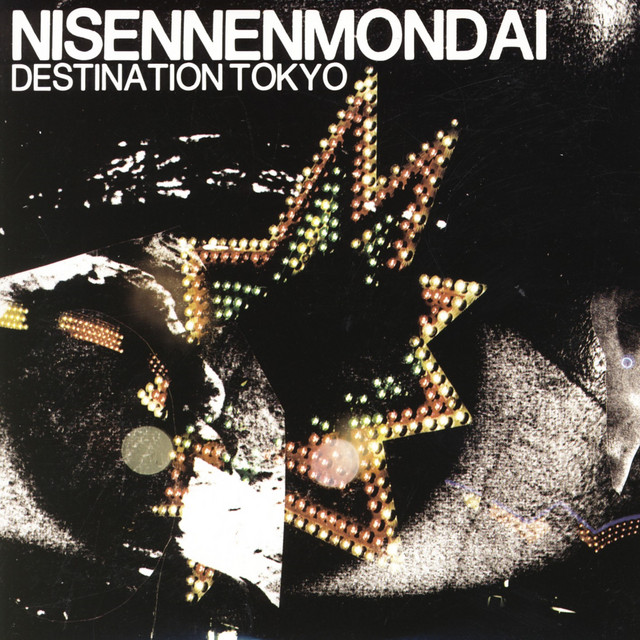
Destination Tokyo
Nisennenmondai
Japanoise
Instrumental Rock
Krautrock
2009
1
/5
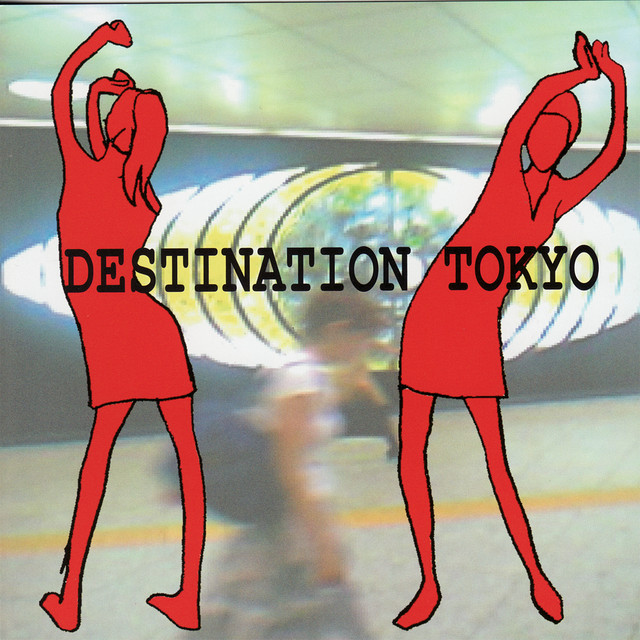
Destination Tokyo
Nisennenmondai
Japanoise
Similar artists
1
/5
Various Artists
Afro-Funk
Alternative Rock
Ambient
3
/5
Stereolab
Experimental Rock
No Wave
Post-Rock
2
/5
Horse Lords
Totalism
Experimental
Experimental Indie Rock
3
/5
Electrelane
Experimental Indie Rock
Krautrock
Indie Rock
2
/5
Tortoise
Experimental Rock
Post-Rock
Chicago School
1
/5
Cul De Sac
Math Rock
Post-Rock
Krautrock
4
/5
Ethel Cain
Countrygaze
Modern Dream Pop
Slowcore
3
/5
Swans
Experimental Rock
Post-Rock
No Wave
2
/5
Merzbow
Japanoise
Noise
Electronic
2
/5
Laika
Art Pop
Downtempo
Krautrock
Download our mobile app
Get the Melodigging app and start digging for new genres on the go
Download on the App Store
Get it on Google Play
© 2026 Melodigging
Give feedback
Legal
Melodding was created as a tribute to
Every Noise at Once
, which inspired us to help curious minds keep digging into music's ever-evolving genres.