Genres
Make Music
Artists
Albums
Challenges
Sign in
Sign in
Albums
By Nisennenmondai
Albums
By Nisennenmondai
N
July 2, 2013
Listen
1
/5
Genres
Japanoise
Japanoise is an extreme, experimental branch of noise music that arose in Japan and became known for its overwhelming volume, dense timbral saturation, and improvisatory intensity. The term was popularized by Western writers to describe a constellation of Japanese artists who pushed noise to visceral, physical extremes. Rather than melody or harmony, Japanoise foregrounds texture, feedback, distortion, and the live manipulation of electronics, contact mics, metal objects, and effects chains. Performances often emphasize spontaneity, risk, and theatricality, ranging from static, crushing walls of sound to frenetic cut‑up barrages.
Discover
Listen
Dance
Dance (as a broad, mainstream club- and radio-oriented style) is pop-leaning music designed primarily for dancing, characterized by steady, driving beats, catchy hooks, and production that translates well to nightclubs and large sound systems. It emerged after disco, blending four-on-the-floor rhythms with electronic instrumentation and pop songwriting, and it continually absorbs elements from house, techno, Hi-NRG, synth-pop, and later EDM. Tempos commonly fall between 110–130 BPM, vocals often emphasize memorable choruses, and arrangements are structured for both club mixing and mass appeal.
Discover
Listen
Industrial
Industrial is an experimental electronic music tradition that uses abrasive timbres, mechanical rhythms, and transgressive aesthetics. Its sound palette often includes distorted drum machines, tape loops, metallic percussion, feedback, and found-object recordings alongside synthesizers and samplers. Emerging from late-1970s UK underground art and performance scenes, industrial foregrounds themes of dehumanization, technology, surveillance, and power. Releases frequently embrace anti-commercial presentation, stark graphic design, and confrontational performance art, treating the studio as a laboratory for sonic manipulation rather than a vehicle for conventional songcraft. While early industrial emphasized noise, tape processing, and avant-garde collage, later waves fused the style with dancefloor precision (EBM), rock and metal heft, and club-oriented production, giving rise to a broad post-industrial family that remains influential in experimental, electronic, and popular music.
Discover
Listen
Rock
Rock is a broad family of popular music centered on amplified instruments, a strong backbeat, and song forms that foreground riffs, choruses, and anthemic hooks. Emerging from mid‑20th‑century American styles like rhythm & blues, country, and gospel-inflected rock and roll, rock quickly expanded in scope—absorbing folk, blues, and psychedelic ideas—while shaping global youth culture. Core sonic markers include electric guitar (often overdriven), electric bass, drum kit emphasizing beats 2 and 4, and emotive lead vocals. Rock songs commonly use verse–chorus structures, blues-derived harmony, and memorable melodic motifs, ranging from intimate ballads to high‑energy, stadium‑sized performances.
Discover
Listen
Similar albums
1993
Desire for Agony
Zeni Geva
1998
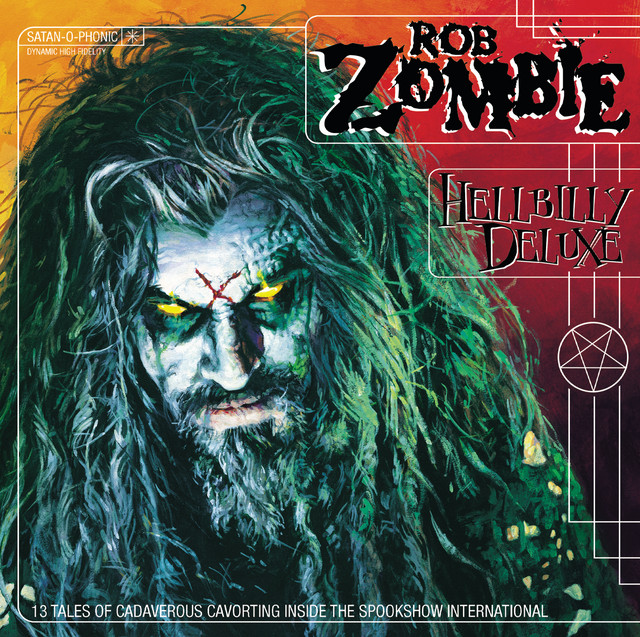
Hellbilly Deluxe
Rob Zombie
2022
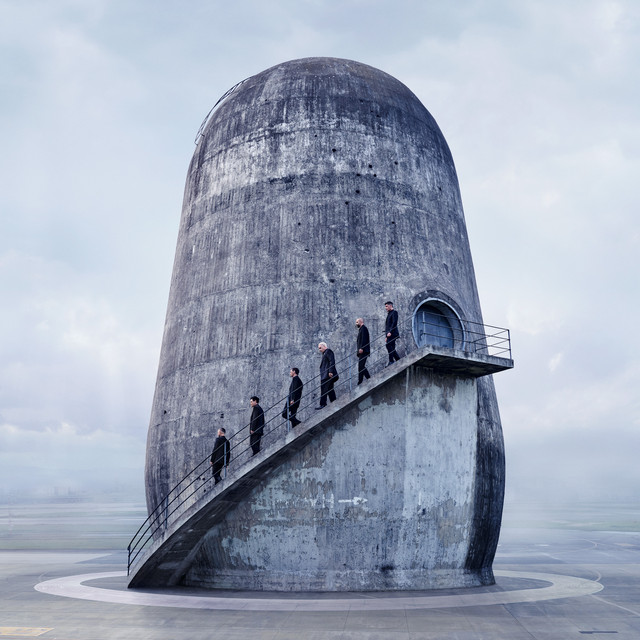
Zeit
Rammstein
2004
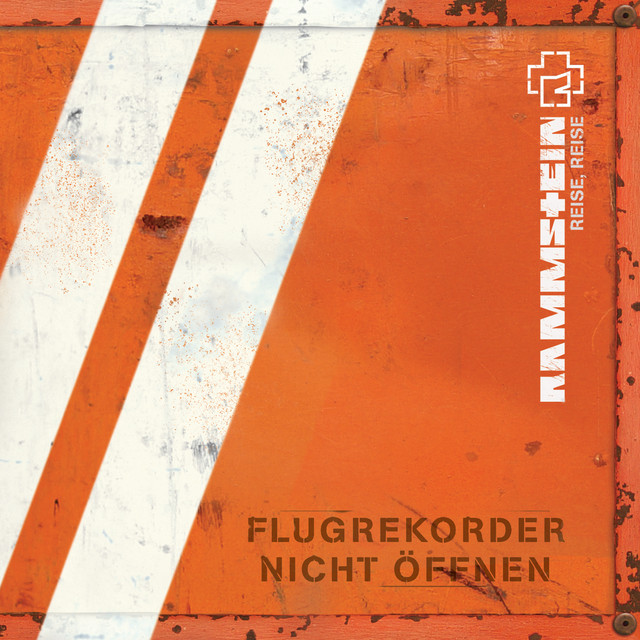
Reise, Reise
Rammstein
1995
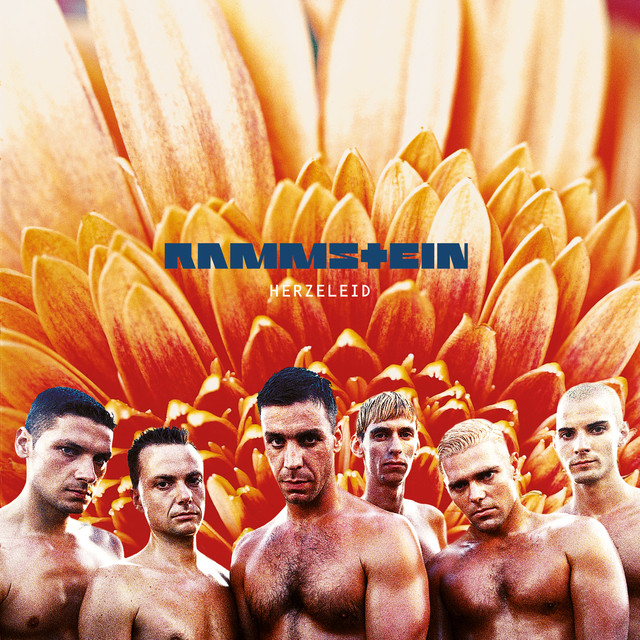
Herzeleid (XXV Anniversary Edition – Remastered)
Rammstein
2008
If
Mindless Self Indulgence
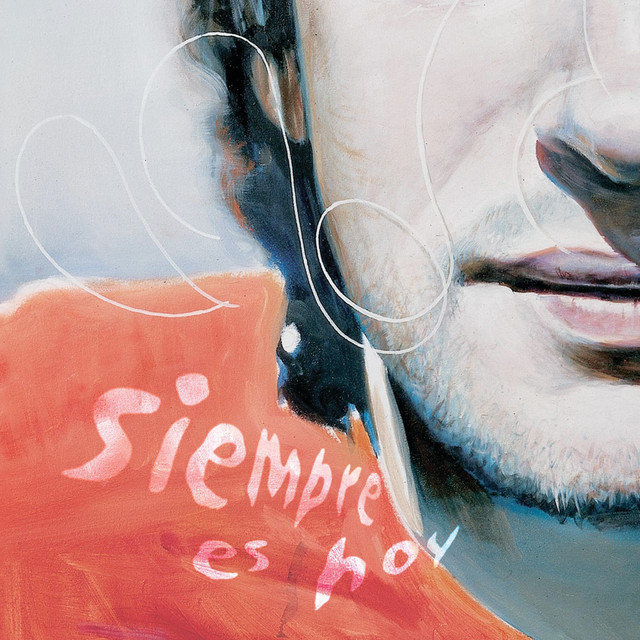
2002
Siempre es hoy
Gustavo Cerati
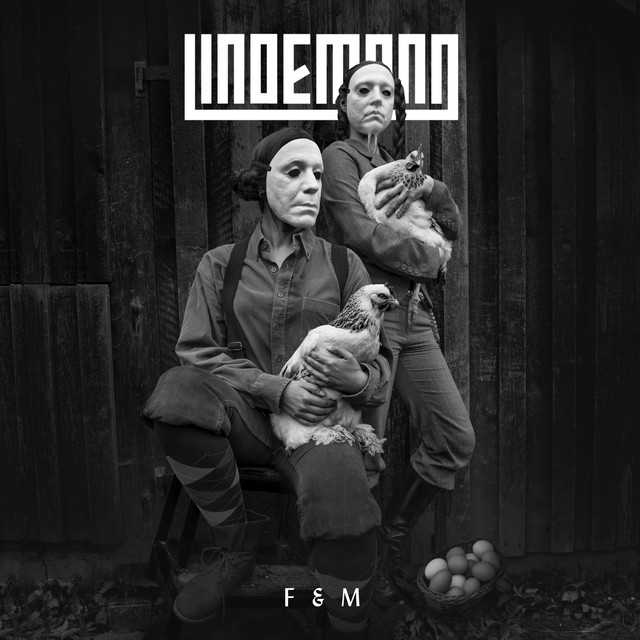
2019
F & M
Lindemann
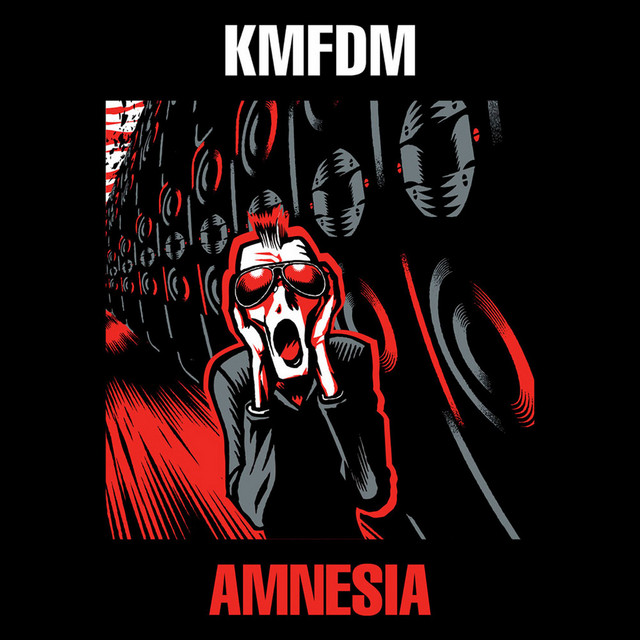
2012
Amnesia
KMFDM
2016
Plagues
Ghostemane
Download our mobile app
Get the Melodigging app and start digging for new genres on the go
Download on the App Store
Get it on Google Play
© 2026 Melodigging
Give feedback
Legal
Melodding was created as a tribute to
Every Noise at Once
, which inspired us to help curious minds keep digging into music's ever-evolving genres.