Genres
Make Music
Artists
Albums
Challenges
Sign in
Sign in
Albums
By Gustavo Cerati
Albums
By Gustavo Cerati
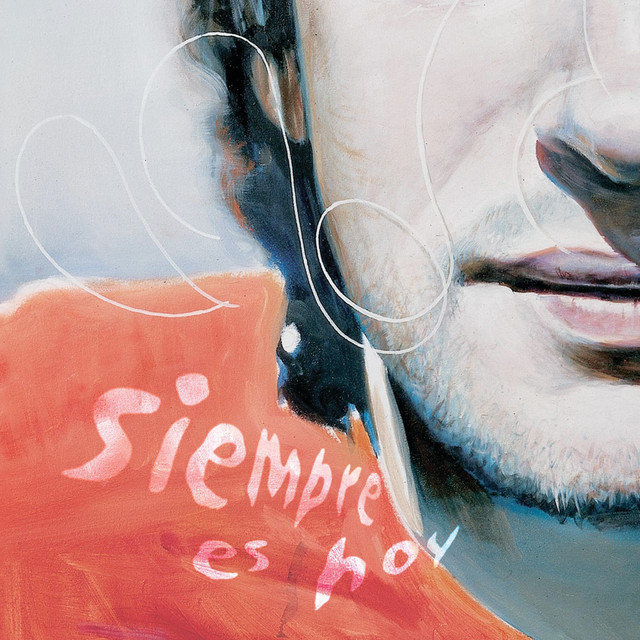
Siempre es hoy
November 11, 2002
Listen
4
/5
Genres
Rock Sónico
Rock sónico is an Argentine alternative rock current from the early-to-mid 1990s that fused shoegaze textures, noise rock abrasion, and dream pop ambience with the melodic sensibility of local rock nacional. It is defined by thick, effects-laden guitar layers, hazy or ethereal vocals, hypnotic mid‑tempo grooves, and a pop-art sensibility that embraced irony, sensuality, and futurist imagery. While indebted to UK/US indie and shoegaze, rock sónico localized those influences through Spanish-language lyrics, danceable rhythms, and production aesthetics that favored saturated timbres and immersive atmospheres.
Discover
Listen
Alternative Dance
Alternative dance blends the textures and songwriting of alternative rock and post‑punk with club‑oriented rhythms and production. Born in the UK at the cusp of the late 1980s “Second Summer of Love,” it embraced house/acid house grooves, sequenced bass lines, and sampling while keeping indie sensibilities, guitars, and song structures. The result is music that works on a dancefloor but still reads like an alternative single. Typical hallmarks include four‑on‑the‑floor or breakbeat drums, jangly or funky guitars, prominent bass (often synth), euphoric pads, and hook‑forward vocals. Landmark albums like New Order’s Technique and Primal Scream’s Screamadelica helped define its palette and ethos.
Discover
Listen
Dance
Dance (as a broad, mainstream club- and radio-oriented style) is pop-leaning music designed primarily for dancing, characterized by steady, driving beats, catchy hooks, and production that translates well to nightclubs and large sound systems. It emerged after disco, blending four-on-the-floor rhythms with electronic instrumentation and pop songwriting, and it continually absorbs elements from house, techno, Hi-NRG, synth-pop, and later EDM. Tempos commonly fall between 110–130 BPM, vocals often emphasize memorable choruses, and arrangements are structured for both club mixing and mass appeal.
Discover
Listen
Argentine Rock
Argentine rock (Rock Nacional) is the Spanish-language rock tradition that emerged in Argentina in the late 1960s. It blended the energy and songcraft of Anglo-American rock and roll with local poetic sensibilities, urban bohemian culture, and distinctive Argentine rhythms and harmony. Across its history, the genre has absorbed folk, blues, psychedelia, progressive rock, new wave, punk, reggae/ska, and pop, while remaining anchored by melodic guitars, expressive vocals, and literate lyrics. Tango’s bittersweet harmonies and the cadences of Argentine folk (chacarera, milonga) subtly inform its phrasing, melodic turns, and lyric tone. The result is a body of music that ranges from intimate and reflective to stadium-sized and anthemic, with a strong emphasis on metaphor-rich storytelling in Rioplatense Spanish.
Discover
Listen
Pop
Pop is a broad, hook-driven style of popular music designed for wide appeal. It emphasizes memorable melodies, concise song structures, polished vocals, and production intended for radio, charts, and mass media. While pop continually absorbs elements from other styles, its core remains singable choruses, accessible harmonies, and rhythmic clarity. Typical forms include verse–pre-chorus–chorus, frequent use of bridges and middle-eights, and ear-catching intros and outros. Pop is not defined by a single instrumentation. It flexibly incorporates acoustic and electric instruments, drum machines, synthesizers, and increasingly digital production techniques, always in service of the song and the hook.
Discover
Listen
Rock
Rock is a broad family of popular music centered on amplified instruments, a strong backbeat, and song forms that foreground riffs, choruses, and anthemic hooks. Emerging from mid‑20th‑century American styles like rhythm & blues, country, and gospel-inflected rock and roll, rock quickly expanded in scope—absorbing folk, blues, and psychedelic ideas—while shaping global youth culture. Core sonic markers include electric guitar (often overdriven), electric bass, drum kit emphasizing beats 2 and 4, and emotive lead vocals. Rock songs commonly use verse–chorus structures, blues-derived harmony, and memorable melodic motifs, ranging from intimate ballads to high‑energy, stadium‑sized performances.
Discover
Listen
Electronic
Electronic is a broad umbrella genre defined by the primary use of electronically generated or electronically processed sound. It encompasses music made with synthesizers, drum machines, samplers, computers, and studio/tape techniques, as well as electroacoustic manipulation of recorded or synthetic sources. The genre ranges from academic and experimental traditions to popular and dance-oriented forms. While its sonic palette is rooted in electricity and circuitry, its aesthetics span minimal and textural explorations, structured song forms, and beat-driven club permutations. Electronic emphasizes sound design, timbre, and studio-as-instrument practices as much as melody and harmony.
Discover
Listen
Similar albums
1999
Bocanada
Gustavo Cerati
1989
Technique
New Order
2009
Heavy Cross
Gossip
2017
Zona de promesas: Mixes 1984-1993
Soda Stereo
2015
Blurryface
Twenty One Pilots
2018
BALLADS 1
Joji
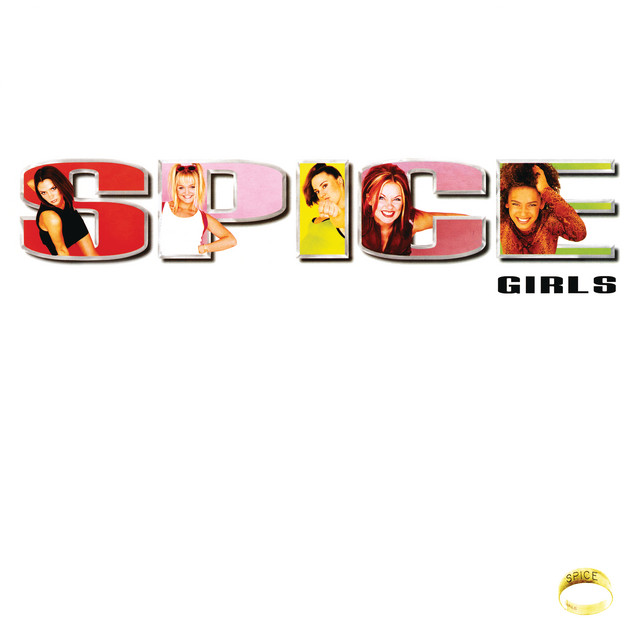
1996
Spice
Spice Girls
2020
Nectar
Joji
2016
Heathens
Twenty One Pilots
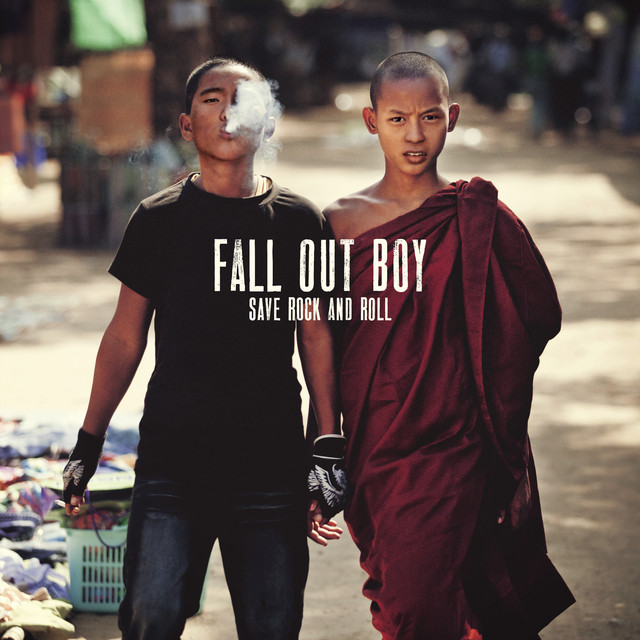
2013
Save Rock And Roll
Fall Out Boy
Download our mobile app
Get the Melodigging app and start digging for new genres on the go
Download on the App Store
Get it on Google Play
© 2026 Melodigging
Give feedback
Legal
Melodding was created as a tribute to
Every Noise at Once
, which inspired us to help curious minds keep digging into music's ever-evolving genres.