Genres
Make Music
Artists
Albums
Challenges
Sign in
Sign in
Albums
By Gossip
Albums
By Gossip
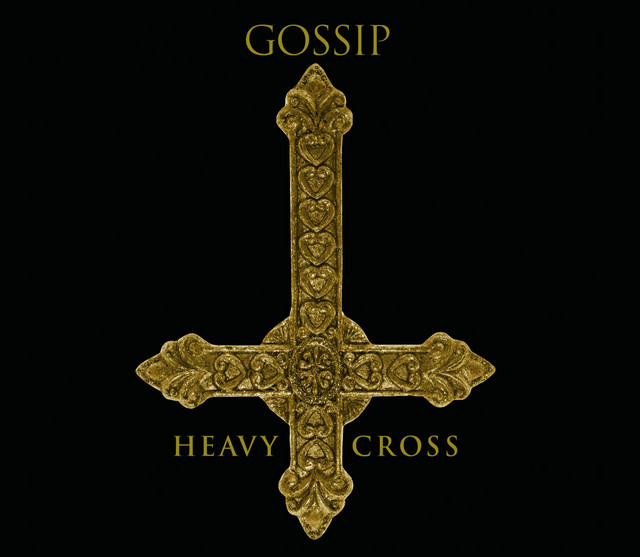
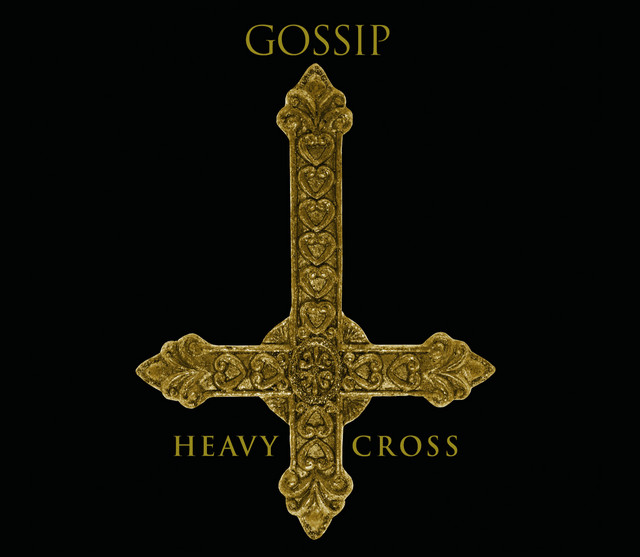
Heavy Cross
April 24, 2009
Listen
3
/5
Genres
New Rave
New rave is a mid‑2000s British-born fusion of indie rock energy and 1990s rave sonics, dressed in day‑glo aesthetics and festival‑size hooks. It pairs live drums, guitars, and chant‑ready vocals with club‑minded synths, sawtooth leads, and heavily sidechained kicks to produce high‑octane, dance‑floor‑friendly songs. Propelled by blogs, MySpace, and hype magazines, the style emphasized communal euphoria and neon futurism while borrowing breakbeats, acid squelches, and rave stabs from earlier UK dance culture. The result is a glossy, maximal sound that feels both nostalgically 90s and distinctly 2000s in its pop-savvy immediacy.
Discover
Listen
Riot Grrrl
Riot grrrl is a feminist punk movement and music scene that emerged in the early 1990s in the United States, centered around Olympia, Washington, and Washington, D.C. It blends the raw immediacy of punk and hardcore with explicitly feminist, anti-sexist, and DIY politics, using zines, community organizing, and confrontational performance to challenge patriarchy in music scenes and society at large. Musically, it favors short, fast, and noisy songs, shout-sung vocals, and simple, forceful chord progressions, while lyrically addressing topics such as bodily autonomy, sexual assault, gender norms, queer identity, and scene politics.
Discover
Listen
Electroclash
Electroclash is a late-1990s/early-2000s fusion of 1980s synth-pop and new wave aesthetics with contemporary club-ready electro, techno, and house production. It pairs deadpan or detached vocals, sexually charged and ironic lyrics, and fashion-forward performance art with analog-sounding drum machines, biting synth basslines, and minimal, mechanical grooves. The style’s signature sound emphasizes retro timbres (saw/square leads, arpeggiators, vocoders), rigid four-on-the-floor or electro-funk rhythms, and a cool, decadent attitude that blurs underground club culture with pop spectacle.
Discover
Listen
Olympia Wa Indie
Olympia WA indie refers to the do‑it‑yourself, lo‑fi‑leaning indie scene that coalesced around Olympia, Washington, centered on labels like K Records and Kill Rock Stars and a strong all‑ages, community‑first ethos. The sound typically favors jangly or fuzzed clean guitars, simple and direct song structures, tape-warm production, and emotionally candid, often idealistic lyrics. While adjacent to punk’s DIY infrastructure, Olympia’s indie approach embraced softness and vulnerability as much as ragged energy, making space for minimalist pop, experimental edges, and politically conscious voices.
Discover
Listen
Alternative Dance
Alternative dance blends the textures and songwriting of alternative rock and post‑punk with club‑oriented rhythms and production. Born in the UK at the cusp of the late 1980s “Second Summer of Love,” it embraced house/acid house grooves, sequenced bass lines, and sampling while keeping indie sensibilities, guitars, and song structures. The result is music that works on a dancefloor but still reads like an alternative single. Typical hallmarks include four‑on‑the‑floor or breakbeat drums, jangly or funky guitars, prominent bass (often synth), euphoric pads, and hook‑forward vocals. Landmark albums like New Order’s Technique and Primal Scream’s Screamadelica helped define its palette and ethos.
Discover
Listen
Queercore
Queercore is a punk-derived music and cultural movement that centers LGBTQ+ experiences, politics, and pleasure. Emerging in the mid-1980s as a reaction against both homophobia in punk scenes and assimilationist tendencies in mainstream gay culture, it embraces a DIY ethos across music, zines, film, and community organizing. Musically, queercore spans from blistering hardcore punk and noisy art-punk to hooky pop‑punk and left‑field indie, with distorted guitars, driving bass, and often shouted or chant-like vocals. Lyrics are frank, confrontational, and frequently witty—tackling sexuality, gender variance, queer desire, anti-fascism, and everyday survival—with a mix of anger, humor, and camp. Beyond sound, queercore is a scene-building practice: small labels, hand-made zines, all-ages shows, and mutual-aid minded organizing that prioritize safe(r) spaces, consent culture, and queer joy.
Discover
Listen
Pop
Pop is a broad, hook-driven style of popular music designed for wide appeal. It emphasizes memorable melodies, concise song structures, polished vocals, and production intended for radio, charts, and mass media. While pop continually absorbs elements from other styles, its core remains singable choruses, accessible harmonies, and rhythmic clarity. Typical forms include verse–pre-chorus–chorus, frequent use of bridges and middle-eights, and ear-catching intros and outros. Pop is not defined by a single instrumentation. It flexibly incorporates acoustic and electric instruments, drum machines, synthesizers, and increasingly digital production techniques, always in service of the song and the hook.
Discover
Listen
Rock
Rock is a broad family of popular music centered on amplified instruments, a strong backbeat, and song forms that foreground riffs, choruses, and anthemic hooks. Emerging from mid‑20th‑century American styles like rhythm & blues, country, and gospel-inflected rock and roll, rock quickly expanded in scope—absorbing folk, blues, and psychedelic ideas—while shaping global youth culture. Core sonic markers include electric guitar (often overdriven), electric bass, drum kit emphasizing beats 2 and 4, and emotive lead vocals. Rock songs commonly use verse–chorus structures, blues-derived harmony, and memorable melodic motifs, ranging from intimate ballads to high‑energy, stadium‑sized performances.
Discover
Listen
Electronic
Electronic is a broad umbrella genre defined by the primary use of electronically generated or electronically processed sound. It encompasses music made with synthesizers, drum machines, samplers, computers, and studio/tape techniques, as well as electroacoustic manipulation of recorded or synthetic sources. The genre ranges from academic and experimental traditions to popular and dance-oriented forms. While its sonic palette is rooted in electricity and circuitry, its aesthetics span minimal and textural explorations, structured song forms, and beat-driven club permutations. Electronic emphasizes sound design, timbre, and studio-as-instrument practices as much as melody and harmony.
Discover
Listen
Similar albums
1999
Le Tigre
Le Tigre
2002
Siempre es hoy
Gustavo Cerati
2000
Clear Hearts Grey Flowers
Jack Off Jill
2008
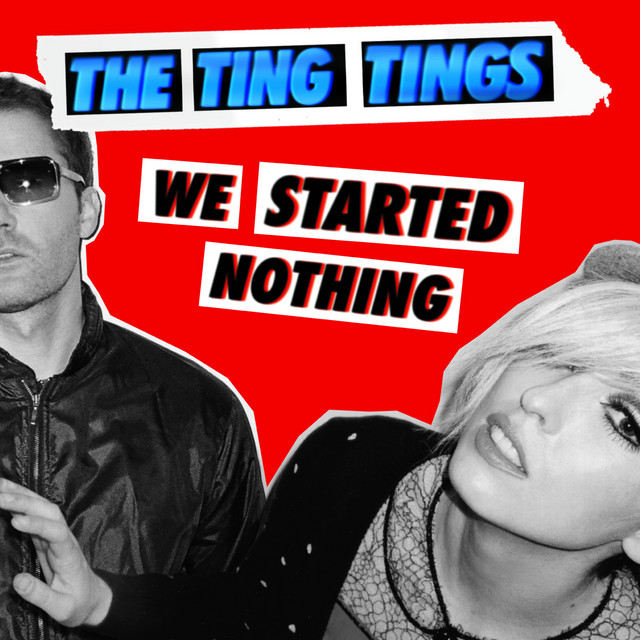
We Started Nothing
The Ting Tings
2008
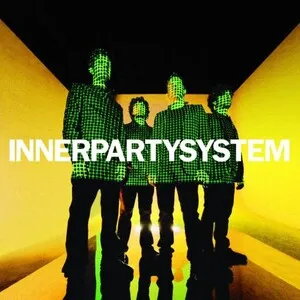
Innerpartysystem
Innerpartysystem
2009
Heavy Cross
Gossip
2005
Nite Versions
Soulwax
2015
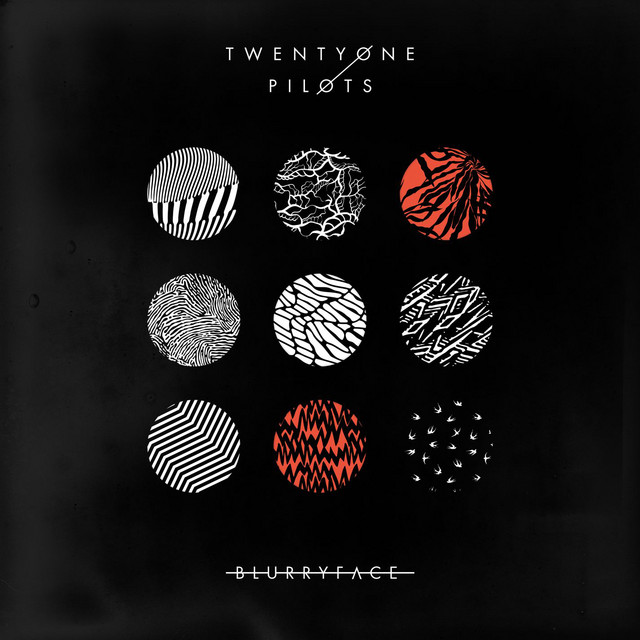
Blurryface
Twenty One Pilots
2018
BALLADS 1
Joji
2008
Crystal Castles
Crystal Castles
Download our mobile app
Get the Melodigging app and start digging for new genres on the go
Download on the App Store
Get it on Google Play
© 2026 Melodigging
Give feedback
Legal
Melodding was created as a tribute to
Every Noise at Once
, which inspired us to help curious minds keep digging into music's ever-evolving genres.