Genres
Artists
Albums
Make Music
Sign in
Sign in
Artists
Neue Deutsche Welle
Artists
Neue Deutsche Welle
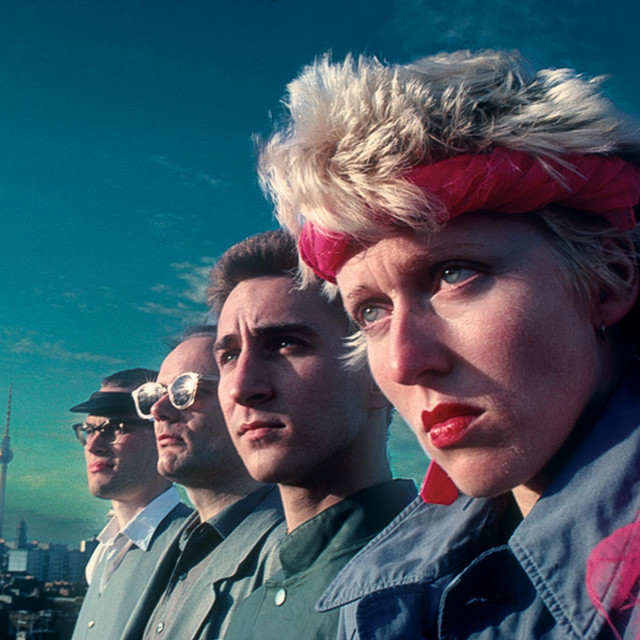
Nina Hagen
1978–1982
·
3 albums
Listen
3
/5
Genres
Indian Indie
Indian indie is the umbrella for independent, non-film music made in India across languages such as Hindi, English, and numerous regional tongues. It is defined more by its DIY production and artist-led release model than by a single sound. Musically, it spans indie pop and rock, folk-fusion, singer‑songwriter ballads, dream‑pop/shoegaze textures, and electronic‑leaning productions. Artists often blend Western harmony and song forms with raga‑tinged melodies, Indian rhythmic feels, and occasional use of traditional instruments like tabla, bansuri, or sitar. The scene grew rapidly with college festivals, small venues, and digital platforms (YouTube, streaming services, Bandcamp), plus boutique labels and festivals such as NH7 Weekender that created national visibility. Lyrically, it tends to be intimate and contemporary—touching on romance, urban life, identity, and nostalgia—while maintaining accessible hooks and warm, organic sonics.
Discover
Listen
Windmill Scene
The Windmill scene refers to the cluster of experimental indie, post‑punk, and art‑rock bands that coalesced around The Windmill pub venue in Brixton, South London. Emerging in the late 2010s, the scene is characterized by knotty rhythms, angular guitars, spoken‑sung or declamatory vocals, and frequent use of saxophone, violin, and synths. Bands associated with the scene blend post‑punk urgency with avant‑prog ambition, no wave abrasion, and jazz-informed spontaneity, often favoring raw, live‑in‑the‑room production aesthetics. Lyrically, the scene leans toward sardonic social observation, surreal storytelling, and metropolitan anxiety, while performances emphasize high energy, improvisational turns, and dynamic contrasts.
Discover
Listen
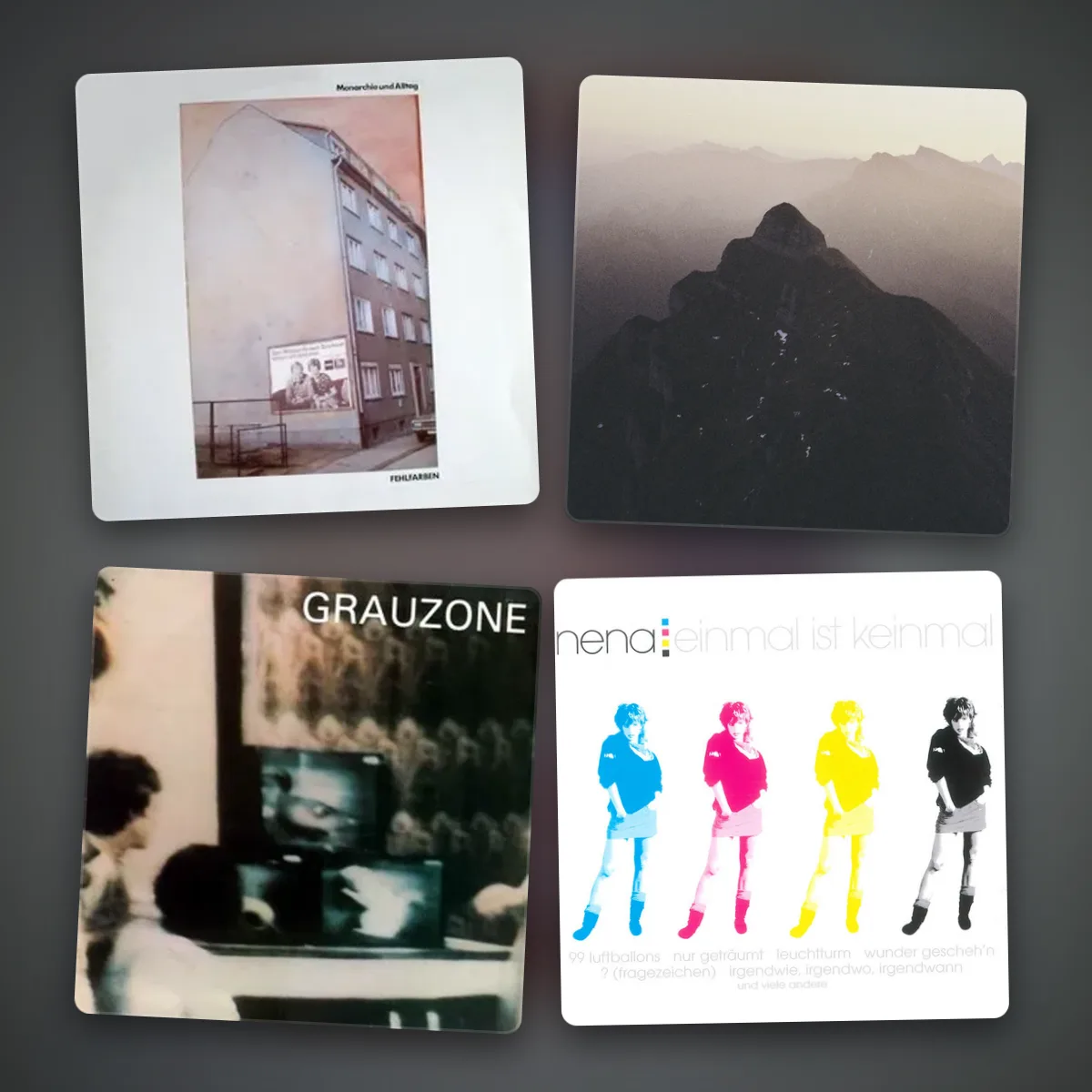
Neue Deutsche Welle
Neue Deutsche Welle (NDW) is a German-language movement of the early 1980s that fused punk and post-punk attitude with new wave and synth-pop sonics. It typically features minimalist arrangements, deadpan or Sprechgesang vocal delivery, and witty, satirical, or absurdist lyrics delivered in German. Musically, NDW leans on simple drum-machine patterns, dry basslines, bright analog synth hooks, and clipped, chorus-treated guitars. The tone oscillates between playful and sardonic, with catchy pop sensibilities rubbing against an art-school, experimental edge. While rooted in underground clubs, the genre briefly crossed into European and global pop charts with enduring hits in the mid-1980s.
Discover
Listen
Deutschrock
Deutschrock is German‑language rock music that foregrounds clear, intelligible lyrics and accessible, guitar‑driven songwriting. While it draws on international rock traditions, its defining trait is the use of German as a lyrical vehicle for everyday stories, social commentary, and personal reflection. Musically, it tends to favor straightforward song forms (verse–chorus), memorable hooks, and mid‑tempo grooves. The palette ranges from blues‑rock and classic rock to pop‑rock and punk‑inflected energy, with keyboards often adding harmonic depth. In popular usage since the 2000s, “Deutschrock” can also refer to a harder, stadium‑oriented branch with an anthemic, working‑class aesthetic. Deutschrock is distinct from Krautrock (which is generally more experimental and often English‑language or instrumental) and from Neue Deutsche Welle (NDW), which brought a quirkier, new‑wave sensibility. It sits as the mainstream and singer‑songwriter‑friendly face of German rock across decades.
Discover
Listen
Glam Punk
Glam punk is a high-energy fusion of the glittery theatrics and pop-savvy hooks of glam rock with the raw speed, sneer, and DIY attack of early punk. It emphasizes swaggering vocals, crunchy guitar riffs, stomping glam beats, and catchy choruses, while retaining a streetwise, confrontational edge. Visually, it mixes androgynous, flamboyant fashion with punk’s torn-leather grit, reflecting themes of decadence, nightlife, and outsider style. Musically it favors short, punchy songs built on power chords and major-key hooks, often colored by handclaps, gang vocals, and simple, memorable riffs.
Discover
Listen
Glam Rock
Glam rock is a style of rock music that emerged in the early 1970s, defined as much by its flamboyant image and theatricality as by its sound. Artists embraced androgynous fashion, glitter, makeup, platform boots, and bold stage personas, using spectacle to amplify simple, catchy, riff-driven songs. Musically, glam rock fuses the drive of 1950s rock and roll with hard rock crunch, bubblegum pop hooks, and a sense of artful provocation. Songs often feature stomping, chant-ready rhythms, big choruses, guitar riffs, handclaps, and shout-along refrains. Lyrically, it leans into themes of fantasy, fame, gender play, street romance, and campy drama, blurring the line between pop accessibility and avant-garde performance.
Discover
Listen
New Wave
New wave is a broad, pop-oriented umbrella for styles that emerged in the mid-to-late 1970s as a sleeker, more melodic outgrowth of punk culture. Initially, the term varied by region: in the United States it was first used by critics and labels (famously Sire Records’ “Don’t Call It Punk” campaign in 1977) to rebrand punk-associated artists with more radio-friendly aesthetics; in the United Kingdom it encompassed a wider constellation of fresh, stylish post-punk-era sounds. Over time, “new wave” became a catch‑all for hooky guitar pop, synth-driven songs, danceable rhythms, and modernist production sensibilities. Sonically, it blends tight, upbeat rhythms (often disco- and reggae-informed), clean chorus/flanger guitars, prominent synthesizers, and concise, hook-led songwriting. Its visual identity—sharp suits, futurist imagery, and fashion-forward presentation—was integral, aligning with the rise of music television and emphasizing art-school wit, irony, and modern urban themes.
Discover
Listen
Post-Punk
Post-punk is a broadly experimental strain of rock that emerged in the late 1970s as artists sought to push beyond the speed, simplicity, and orthodoxy of first-wave punk. It typically features angular, bass-forward grooves; jagged or minimal guitar lines; stark, spacious production; and an openness to dub, funk, electronic, and avant-garde ideas. Lyrics often examine alienation, urban decay, politics, and the inner life with artful or abstract delivery. A studio-as-instrument approach, emphasis on rhythm section interplay, and an appetite for non-rock textures (tape effects, drum machines, found sound, synths) distinguish the style. The result can be danceable yet tense, cerebral yet visceral, and emotionally restrained yet intensely expressive.
Discover
Listen
Punk
Punk is a fast, abrasive, and minimalist form of rock music built around short songs, stripped-down instrumentation, and confrontational, anti-establishment lyrics. It emphasizes DIY ethics, raw energy, and immediacy over virtuosity, often featuring distorted guitars, shouted or sneered vocals, and simple, catchy melodies. Typical songs run 1–3 minutes, sit around 140–200 BPM, use power chords and basic progressions (often I–IV–V), and favor live, unpolished production. Beyond sound, punk is a cultural movement encompassing zines, independent labels, political activism, and a fashion vocabulary of ripped clothes, leather, and safety pins.
Discover
Listen
Punk Rock
Punk rock is a fast, raw, and stripped‑down form of rock music that foregrounds energy, attitude, and the DIY ethic over technical polish. Songs are short (often 90–180 seconds), in 4/4, and driven by down‑stroked power‑chord guitars, eighth‑note bass, and relentless backbeat drumming. Vocals are shouted or sneered rather than crooned, and lyrics are direct, often political, anti‑establishment, or wryly humorous. Production is intentionally unvarnished, prioritizing immediacy and live feel over studio perfection. Beyond sound, punk rock is a culture and practice: independent labels, fanzines, all‑ages venues, self‑organized tours, and a participatory scene that values inclusivity, affordability, and self‑reliance.
Discover
Listen
Brazilian Rock
Brazilian rock is the umbrella term for rock music created in Brazil, sung mostly in Portuguese, and colored by the country’s regional rhythms, harmonic language, and social context. From its 1960s roots in rock and roll and Jovem Guarda, through the psychedelic and Tropicália experiments at the decade’s end, to the post-dictatorship explosion of 1980s “BRock,” the style has continually absorbed global rock currents while retaining a distinctly Brazilian identity. You’ll hear electric guitars alongside samba and baião grooves, bossa/MPB chords, and lyrics that move between youthful romance, biting social commentary, and poetic introspection. Today, Brazilian rock spans classic, alternative, indie, and heavy strands, remaining a foundational pillar of Brazilian popular music.
Discover
Listen
Show all 11 genres
Albums
1982
3
/5
Nunsexmonkrock
Nina Hagen
Neue Deutsche Welle
1980
2
/5
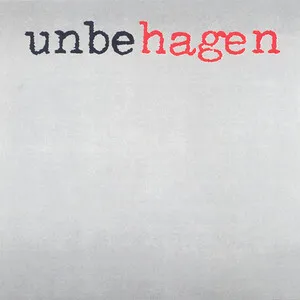
Unbehagen
Nina Hagen Band
Deutschrock
Neue Deutsche Welle
1978
3
/5
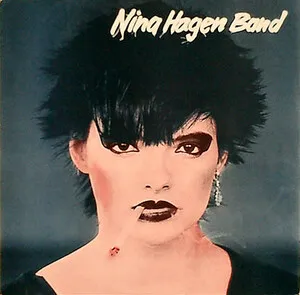
Nina Hagen Band
Nina Hagen Band
Glam Punk
Deutschrock
Glam Rock
Similar artists
4
/5
Wir sind Helden
Covertronica
German Indie
German Indie Pop
3
/5
Spliff
Neue Deutsche Welle
Deutschrock
Italo Dance
2
/5
DAF
Old School Ebm
Ebm
Electronic
2
/5
Ideal
Neue Deutsche Welle
Electronic
New Wave
2
/5
Fehlfarben
Neue Deutsche Welle
Coldwave
Krautrock
4
/5
Herbert Grönemeyer
Liedermacher
Neue Deutsche Welle
Deutschrock
3
/5
BIBIZA
Neue Deutsche Welle
German Indie
German Indie Pop
3
/5
Joachim Witt
Neue Deutsche Welle
Modern Downshift
Neue Deutsche Härte
3
/5
Extrabreit
Neue Deutsche Welle
Schlager
Windmill Scene
2
/5
Grauzone
Minimal Wave
Neue Deutsche Welle
Coldwave
Download our mobile app
Get the Melodigging app and start digging for new genres on the go
Download on the App Store
Get it on Google Play
© 2026 Melodigging
Give feedback
Legal
Melodding was created as a tribute to
Every Noise at Once
, which inspired us to help curious minds keep digging into music's ever-evolving genres.