Genres
Artists
Albums
Make Music
Sign in
Sign in
Artists
Old School Ebm
Artists
Old School Ebm
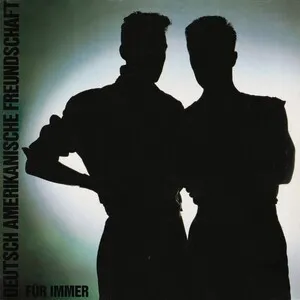
DAF
1981–2017
·
11 albums
Listen
2
/5
Genres
Windmill Scene
The Windmill scene refers to the cluster of experimental indie, post‑punk, and art‑rock bands that coalesced around The Windmill pub venue in Brixton, South London. Emerging in the late 2010s, the scene is characterized by knotty rhythms, angular guitars, spoken‑sung or declamatory vocals, and frequent use of saxophone, violin, and synths. Bands associated with the scene blend post‑punk urgency with avant‑prog ambition, no wave abrasion, and jazz-informed spontaneity, often favoring raw, live‑in‑the‑room production aesthetics. Lyrically, the scene leans toward sardonic social observation, surreal storytelling, and metropolitan anxiety, while performances emphasize high energy, improvisational turns, and dynamic contrasts.
Discover
Listen
J-Division
J-division is a contemporary Japanese media‑mix pop and hip‑hop scene centered on “2.5D” idol projects and voice‑actor (seiyu) character units. Songs are typically credited to fictional characters and performed by their voice actors, fusing glossy J‑pop with EDM drops, trap‑influenced beats, and anison (anime song) theatricality. The “division” idea reflects franchise formats that pit city‑ or team‑based units against one another in story‑driven releases, live events, and stage productions. The sound ranges from bright, dance‑floor J‑pop to cypher‑style rap tracks, often featuring tightly choreographed hooks, stacked harmonies, dramatic key changes, and narrative lyrics that extend a franchise’s worldbuilding.
Discover
Listen
Dark Disco
Dark disco is a mid‑tempo, nocturnal strain of club music that fuses the hypnotic pulse of disco with the grit of post‑punk, EBM, coldwave, and industrial. It favors ominous basslines, minor‑key harmonies, reverb‑soaked guitars and vocals, and analog synth textures, resulting in a moody, cinematic atmosphere that is equally suited to sweaty basements and late‑night festival stages. Tempos typically sit between 105–120 BPM, with emphasis on groove, tension, and shadowy drama rather than maximal speed or brightness.
Discover
Listen
Sovietwave
Sovietwave is a retrofuturist microgenre of electronic music that blends the hazy, sample-based nostalgia of vaporwave with the analog synth palettes and cinematic sentiment of late–Cold War era soundtracks. It aims to evoke imagined futures and everyday atmospheres of the Soviet period through audio patina, archival voices, and melancholic, slow-moving harmonies. Typical tracks feature tape hiss, radio static, and excerpts from newsreels, educational films, or cosmonaut broadcasts, set against synth pads, simple drum programming, and minor-key progressions. The result is a bittersweet, dreamy sound that feels both distant and familiar—reconstructing a “lost future” through the sonic memory of the USSR and post-Soviet popular culture.
Discover
Listen
Old School Ebm
Old school EBM (Electronic Body Music) is the early, raw form of EBM that emerged in the early-to-mid 1980s. It blends the machine-pulse of sequenced electronic basslines with minimal, martial drum programming, shouted or barked vocals, and an overall stark, industrial aesthetic. Characterized by 4/4, mid-tempo beats (roughly 110–130 BPM), call-and-response hooks, and gritty synth textures, it prioritizes physical impact—music designed for the dancefloor—with a stripped-down, utilitarian approach. Thematically it often references technology, urban/industrial life, discipline, and social tension, delivered with a terse, slogan-like lyrical style.
Discover
Listen
Ebm
Electronic Body Music (EBM) is a post-industrial dance music style that fuses the stark textures and aesthetics of industrial and synth‑punk with propulsive, club‑ready rhythms. Built on sequenced, repetitive basslines, rigid 4/4 kick patterns, and clipped, military‑tight percussion, EBM favors mostly undistorted, barked or chanted vocals and confrontational, sometimes political or provocative themes. Its sound is physical and kinetic—designed for bodies on the dance floor—yet retains the minimalist, machine‑driven discipline of early industrial and new wave electronics.
Discover
Listen
Neue Deutsche Welle
Neue Deutsche Welle (NDW) is a German-language movement of the early 1980s that fused punk and post-punk attitude with new wave and synth-pop sonics. It typically features minimalist arrangements, deadpan or Sprechgesang vocal delivery, and witty, satirical, or absurdist lyrics delivered in German. Musically, NDW leans on simple drum-machine patterns, dry basslines, bright analog synth hooks, and clipped, chorus-treated guitars. The tone oscillates between playful and sardonic, with catchy pop sensibilities rubbing against an art-school, experimental edge. While rooted in underground clubs, the genre briefly crossed into European and global pop charts with enduring hits in the mid-1980s.
Discover
Listen
Electro
Electro is an early 1980s machine-funk style built around drum machines (especially the Roland TR-808), sequenced basslines, and a futuristic, robotic aesthetic. It emphasizes syncopated rhythms, sparse arrangements, and timbres drawn from analog and early digital synthesizers. Vocals, when present, are often delivered via vocoder or rap-style chants, reinforcing a sci‑fi, cyborg persona. Electro’s grooves powered breakdance culture, and its sonic palette—crisp 808 kicks, snappy snares, dry claps, cowbells, and squelchy bass—became foundational to later techno and bass music.
Discover
Listen
Dark Wave
Dark wave is a moody, melancholic offshoot of post-punk and new wave that emphasizes minor-key harmonies, somber timbres, and introspective or romantic lyrical themes. It blends the icy textures of early synthesizers and drum machines with reverb-laden guitars and melodic, driving basslines. The style typically features baritone or ethereal vocals, atmospheric production with heavy use of chorus, delay, and reverb, and tempos that range from slow and brooding to mid-tempo and danceable. Dark wave spans both guitar-oriented and synth-forward approaches, and often overlaps with related movements such as coldwave, minimal wave, and ethereal wave.
Discover
Listen
Minimal Synth
Minimal synth is a sparse, DIY strand of early electronic music built around a small palette of analog synthesizers, drum machines, and austere melodies. It favors economy: short, hook-like motifs; rigid, metronomic rhythms; and cool, detached vocals that sit in stark relief against the electronics. The sound is defined by dry drum machine patterns (often 2–4 bar loops), monophonic basslines, simple minor-key harmonies, and limited effects—typically delay and reverb used tastefully rather than lavishly. Emerging from post-punk and new wave’s experimental fringes, it captured a mood that was simultaneously intimate and mechanical, melancholic yet danceable. Originally circulated on cassettes and 7" singles via small independent labels, minimal synth has since become a collectors’ and archivists’ favorite, with a 2000s revival highlighting how its disciplined restraint and analog textures anticipated later retro-synth and underground electronic movements.
Discover
Listen
New Beat
New beat is a Belgian electronic dance music style that emerged in the mid-to-late 1980s. It is defined by dark, rubbery basslines, hard-hitting but minimal grooves, and a deliberately slow tempo (typically around 100–115 BPM), in contrast to the faster house and hi-NRG of the time. Stylistically it fuses the cold textures of new wave and EBM with Italo/euro-disco sequencing, acid squelches, hip‑hop sampling aesthetics, and early house production, often featuring monotone chants or spoken hooks, eerie pads, and sharp orchestral hits. Originally a club-born phenomenon in Belgium, it rapidly spread across Western Europe, leaving a strong imprint on the continent’s late-1980s dance culture.
Discover
Listen
Industrial
Industrial is an experimental electronic music tradition that uses abrasive timbres, mechanical rhythms, and transgressive aesthetics. Its sound palette often includes distorted drum machines, tape loops, metallic percussion, feedback, and found-object recordings alongside synthesizers and samplers. Emerging from late-1970s UK underground art and performance scenes, industrial foregrounds themes of dehumanization, technology, surveillance, and power. Releases frequently embrace anti-commercial presentation, stark graphic design, and confrontational performance art, treating the studio as a laboratory for sonic manipulation rather than a vehicle for conventional songcraft. While early industrial emphasized noise, tape processing, and avant-garde collage, later waves fused the style with dancefloor precision (EBM), rock and metal heft, and club-oriented production, giving rise to a broad post-industrial family that remains influential in experimental, electronic, and popular music.
Discover
Listen
Synth-Pop
Synth-pop is a pop-oriented style that foregrounds the synthesizer as its primary instrument, often paired with drum machines and sequencers. It favors clean, melodic hooks, concise song structures, and a sleek, modernist sound that ranges from cool and minimal to lush and romantic. Emerging at the turn of the 1980s from the UK new wave and post-punk scenes, synth-pop leveraged affordable analog and then digital keyboards to bring electronic textures into the mainstream. Its sonic palette includes arpeggiated basslines, shimmering pads, bright leads, gated or machine-driven drums, and polished vocals that convey both futuristic detachment and emotional immediacy.
Discover
Listen
Coldwave
Coldwave is a European post-punk offshoot characterized by icy, minimalist arrangements, prominent basslines, sparse drum machines, and a detached vocal delivery. Emerging first in France (and neighboring Belgium) in the late 1970s and peaking through the mid-1980s, it blends punk’s austerity with the synthetic textures of early analog keyboards and stark, minor-key guitar figures. The mood is melancholic and introspective—often sung in French or English—favoring rigid rhythms, chorus-drenched guitars, and compact songwriting that foregrounds atmosphere over virtuosity. Its "cold" aesthetic refers as much to the emotional temperature of the music as to the gray-toned production: dry snares, steely bass, and reverb used not for lushness but for distance.
Discover
Listen
New Wave
New wave is a broad, pop-oriented umbrella for styles that emerged in the mid-to-late 1970s as a sleeker, more melodic outgrowth of punk culture. Initially, the term varied by region: in the United States it was first used by critics and labels (famously Sire Records’ “Don’t Call It Punk” campaign in 1977) to rebrand punk-associated artists with more radio-friendly aesthetics; in the United Kingdom it encompassed a wider constellation of fresh, stylish post-punk-era sounds. Over time, “new wave” became a catch‑all for hooky guitar pop, synth-driven songs, danceable rhythms, and modernist production sensibilities. Sonically, it blends tight, upbeat rhythms (often disco- and reggae-informed), clean chorus/flanger guitars, prominent synthesizers, and concise, hook-led songwriting. Its visual identity—sharp suits, futurist imagery, and fashion-forward presentation—was integral, aligning with the rise of music television and emphasizing art-school wit, irony, and modern urban themes.
Discover
Listen
Post-Punk
Post-punk is a broadly experimental strain of rock that emerged in the late 1970s as artists sought to push beyond the speed, simplicity, and orthodoxy of first-wave punk. It typically features angular, bass-forward grooves; jagged or minimal guitar lines; stark, spacious production; and an openness to dub, funk, electronic, and avant-garde ideas. Lyrics often examine alienation, urban decay, politics, and the inner life with artful or abstract delivery. A studio-as-instrument approach, emphasis on rhythm section interplay, and an appetite for non-rock textures (tape effects, drum machines, found sound, synths) distinguish the style. The result can be danceable yet tense, cerebral yet visceral, and emotionally restrained yet intensely expressive.
Discover
Listen
Electropunk
Electropunk fuses the confrontational energy and DIY ethos of punk with the timbres and machinery of electronic music. Instead of guitars and live drums, it leans on aggressive synthesizers, drum machines, samplers, and effects, delivering short, high-impact songs with shouted or sneered vocals. The sound is raw, minimal, and often deliberately abrasive: distorted basslines, square- and saw-tooth leads, clipped claps and snares, and overdriven mixes that prize attitude over polish. Tempos typically range from mid-tempo stomp to frenetic club pace, and arrangements favor tight verse–chorus forms, sudden breaks, and noise-washed codas. The aesthetics are anti-virtuosic, performance-art friendly, and intensely physical—made to be felt as much as heard.
Discover
Listen
Synth Punk
Synth punk is a raw, high‑energy fusion of punk’s velocity and attitude with the abrasive, synthetic timbres of analog keyboards, drum machines, and noise gear. Instead of guitar-driven riffs, synth punk typically foregrounds distorted monosynth bass lines, cheap combo organs, or primitive sequencers pounding out repetitive patterns at punk tempos. Vocals are often shouted, sneered, or delivered deadpan; lyrics skewer consumer culture, media saturation, technology, and urban alienation. Production values tend toward the minimal and DIY: overdriven inputs, tape saturation, room mics, and purposeful crudity. The result is a confrontational, mechanical churn—danceable yet hostile—that helped open a direct line between punk, early industrial, and later synth-oriented underground scenes.
Discover
Listen
Krautrock
Krautrock is an experimental form of rock that emerged in late-1960s West Germany, characterized by hypnotic repetition, long-form structures, and a forward-looking embrace of electronics and studio experimentation. It typically features a steady, driving 4/4 “motorik” beat, circular bass ostinatos, sparse harmonic movement, and textural layering that draws from minimalism, free improvisation, and avant-garde composition. Rather than virtuosic solos, the emphasis is on collective groove, trance-inducing momentum, and timbral exploration. The sound ranges from raw, percussive jams to spacious, cosmic electronics, often eschewing conventional Anglo-American blues forms in favor of a distinctly European modernist aesthetic.
Discover
Listen
Pop
Pop is a broad, hook-driven style of popular music designed for wide appeal. It emphasizes memorable melodies, concise song structures, polished vocals, and production intended for radio, charts, and mass media. While pop continually absorbs elements from other styles, its core remains singable choruses, accessible harmonies, and rhythmic clarity. Typical forms include verse–pre-chorus–chorus, frequent use of bridges and middle-eights, and ear-catching intros and outros. Pop is not defined by a single instrumentation. It flexibly incorporates acoustic and electric instruments, drum machines, synthesizers, and increasingly digital production techniques, always in service of the song and the hook.
Discover
Listen
Electronic
Electronic is a broad umbrella genre defined by the primary use of electronically generated or electronically processed sound. It encompasses music made with synthesizers, drum machines, samplers, computers, and studio/tape techniques, as well as electroacoustic manipulation of recorded or synthetic sources. The genre ranges from academic and experimental traditions to popular and dance-oriented forms. While its sonic palette is rooted in electricity and circuitry, its aesthetics span minimal and textural explorations, structured song forms, and beat-driven club permutations. Electronic emphasizes sound design, timbre, and studio-as-instrument practices as much as melody and harmony.
Discover
Listen
Show all 21 genres
Albums
2017
2
/5
Der Mussolini (Giorgio Moroder & Denis Naidanow Remix)
DAF
Old School Ebm
Electro
Electronic
2017
1
/5
Der Mussolini (Giorgio Moroder & Denis Naidanow)
DAF
Old School Ebm
Electro
Electronic
2016
2
/5
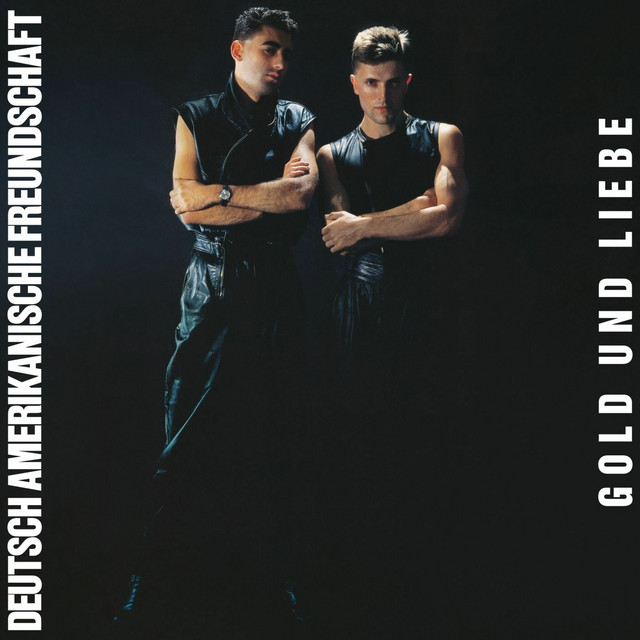
Gold Und Liebe
DAF
Old School Ebm
Electro
Electronic
2016
2
/5
Alles Ist Gut
DAF
Old School Ebm
Ebm
Electronic
2016
1
/5
Alles Ist Gut
DAF
Old School Ebm
Ebm
Electronic
2016
1
/5
Alles ist gut
Deutsch Amerikanische Freundschaft
Neue Deutsche Welle
Ebm
Electropunk
1987
1
/5
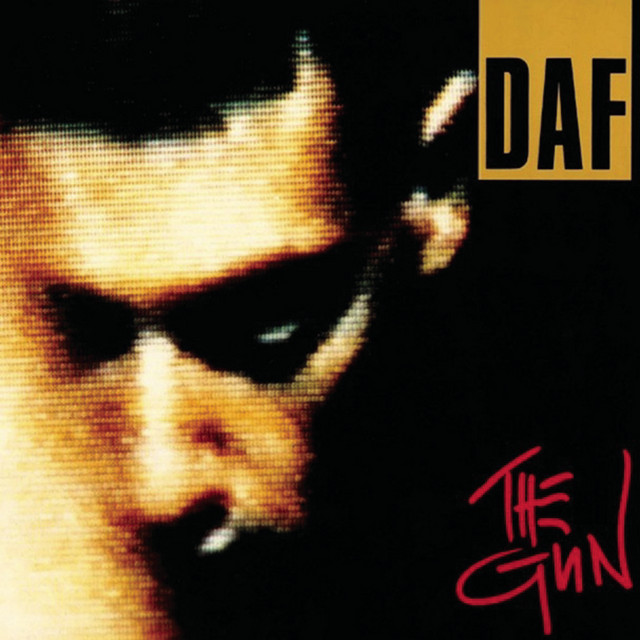
The Gun
DAF
Old School Ebm
1985
2
/5
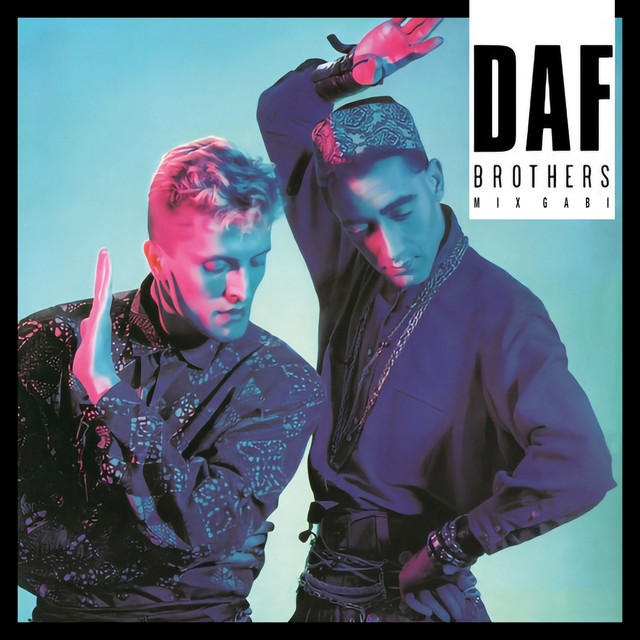
Brothers (Mix Gabi)
DAF
Old School Ebm
Electro
Electronic
1981
1
/5
Alles ist Gut
DAF
Old School Ebm
Ebm
Electronic
1981
1
/5
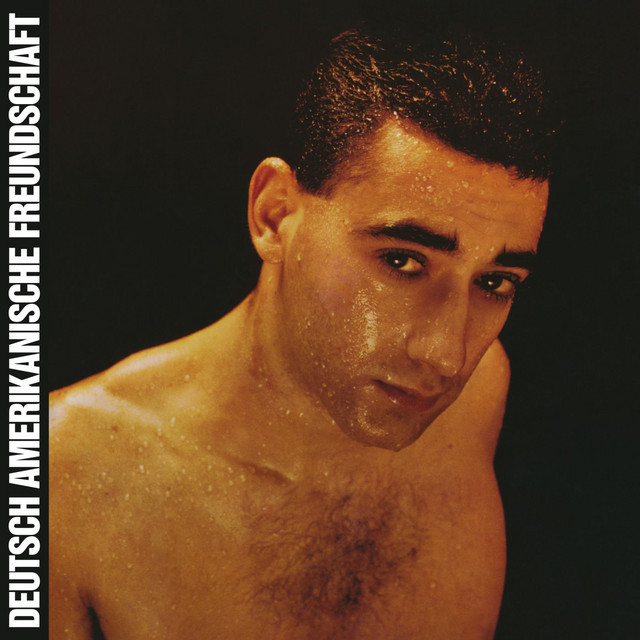
Gold und Liebe
Deutsch Amerikanische Freundschaft
Neue Deutsche Welle
Old School Ebm
Minimal Synth
1st Step to Heaven
DAF
New Beat
Similar artists
3
/5
Orange Sector
Old School Ebm
Ebm
Electronic
1
/5
Various Artists
Afro-Funk
Alternative Rock
Ambient
2
/5
Portion Control
Industrial
Old School Ebm
Coldwave
Deutsch Amerikanische Freundschaft
Neue Deutsche Welle
Electronic
Industrial
3
/5
VNV Nation
Industrial
Electronic
Futurepop
3
/5
Combichrist
Aggrotech
Ebm
Electronic
1
/5
Wumpscut
Industrial
Power Noise
Electronic
2
/5
Sturm Café
Old School Ebm
Ebm
Electronic
3
/5
OOMPH!
Neue Deutsche Härte
Electronic
Rock
2
/5
Front Line Assembly
Ebm
Industrial
Electro-Industrial
Download our mobile app
Get the Melodigging app and start digging for new genres on the go
Download on the App Store
Get it on Google Play
© 2026 Melodigging
Give feedback
Legal
Melodding was created as a tribute to
Every Noise at Once
, which inspired us to help curious minds keep digging into music's ever-evolving genres.