Genres
Artists
Albums
Make Music
Sign in
Sign in
Artists
Indie Rock
Artists
Indie Rock
Wir sind Helden
2005
·
1 album
Listen
4
/5
Genres
Covertronica
Covertronica is a microgenre centered on electronically produced cover versions of well‑known songs. Artists retain the recognizability of the original melodies and hooks, but reimagine them with contemporary electronic palettes—glossy synths, side‑chained pads, drum machines, 808s, and modern pop/EDM production. The style thrives on clever reharmonization (e.g., minor/major flips), tempo shifts, and textural redesign, often translating rock, soul, or classic pop into sleek electropop/indietronica frameworks. Vocals are typically polished and upfront, with stacked harmonies, tight autotune as a color (when desired), and arrangement tricks such as filtered intros, half‑time drops, and breakdowns that mirror club and synth‑pop dynamics. Because the repertoire comes from existing songs, covertronica is as much about curatorial taste and arrangement craft as it is about sound design, making it a meeting point between DJ culture’s recontextualization and the singer‑producer era of the internet.
Discover
Listen
Windmill Scene
The Windmill scene refers to the cluster of experimental indie, post‑punk, and art‑rock bands that coalesced around The Windmill pub venue in Brixton, South London. Emerging in the late 2010s, the scene is characterized by knotty rhythms, angular guitars, spoken‑sung or declamatory vocals, and frequent use of saxophone, violin, and synths. Bands associated with the scene blend post‑punk urgency with avant‑prog ambition, no wave abrasion, and jazz-informed spontaneity, often favoring raw, live‑in‑the‑room production aesthetics. Lyrically, the scene leans toward sardonic social observation, surreal storytelling, and metropolitan anxiety, while performances emphasize high energy, improvisational turns, and dynamic contrasts.
Discover
Listen
German Indie
German indie is a broad umbrella for independent rock and pop made in Germany, characterized by guitar-driven arrangements, literate German-language lyrics, and a strong DIY/label culture. It blends the energy of punk and post-punk with the melodic sensibility of indie pop and the textural curiosity of shoegaze and electronic music. Many acts place emphasis on everyday realism, social observation, and self-reflection, often delivered with irony or understated wit. The scene is closely tied to influential indie labels and collectives, and it values authenticity over glossy mainstream production.
Discover
Listen
German Indie Pop
German indie pop blends the melodic sensibilities and DIY ethos of indie pop with German-language lyricism and the legacy of German alternative movements. It typically features jangly or clean electric guitars, warm bass lines, understated drums, and tasteful use of synthesizers. Lyric themes often focus on everyday realism, wry social observation, love, and identity, delivered in a conversational, literate tone. Production ranges from lo‑fi intimacy to polished but restrained clarity, prioritizing songcraft and lyrical content over showy virtuosity.
Discover
Listen
Indie Rock
Indie rock is a subgenre of rock and a branch of alternative rock that coalesced in the early–mid 1980s around independent labels and DIY practices in the United Kingdom, the United States, and New Zealand. Defined less by a single sound than by an ethos, indie rock favors non‑mainstream approaches, self‑recording and small‑label distribution, and an interest in pop‑informed melody and eclectic experimentation. Hallmarks include jangly or fuzzed guitars, intimate or deadpan vocals, off‑kilter song structures, and production that often preserves a raw, “authentic” feel rather than glossy studio polish.
Discover
Listen
Neue Deutsche Welle
Neue Deutsche Welle (NDW) is a German-language movement of the early 1980s that fused punk and post-punk attitude with new wave and synth-pop sonics. It typically features minimalist arrangements, deadpan or Sprechgesang vocal delivery, and witty, satirical, or absurdist lyrics delivered in German. Musically, NDW leans on simple drum-machine patterns, dry basslines, bright analog synth hooks, and clipped, chorus-treated guitars. The tone oscillates between playful and sardonic, with catchy pop sensibilities rubbing against an art-school, experimental edge. While rooted in underground clubs, the genre briefly crossed into European and global pop charts with enduring hits in the mid-1980s.
Discover
Listen
Indie Pop
Indie pop is a melodic, DIY-rooted branch of alternative music that blends the immediacy of pop songwriting with the independence and aesthetics of underground scenes. It typically features jangly, clean-toned guitars, tuneful bass lines, compact song structures, and intimate, literate lyrics that balance sweetness with subtle melancholy. The sound often leans toward bright chord progressions, earworm choruses, and understated production, favoring charm and personality over gloss. Culturally, indie pop is tied to small labels, fanzines, and community radio, with influential scenes and imprints such as Postcard, Sarah, and Creation laying the groundwork for its global diffusion.
Discover
Listen
Deutschrock
Deutschrock is German‑language rock music that foregrounds clear, intelligible lyrics and accessible, guitar‑driven songwriting. While it draws on international rock traditions, its defining trait is the use of German as a lyrical vehicle for everyday stories, social commentary, and personal reflection. Musically, it tends to favor straightforward song forms (verse–chorus), memorable hooks, and mid‑tempo grooves. The palette ranges from blues‑rock and classic rock to pop‑rock and punk‑inflected energy, with keyboards often adding harmonic depth. In popular usage since the 2000s, “Deutschrock” can also refer to a harder, stadium‑oriented branch with an anthemic, working‑class aesthetic. Deutschrock is distinct from Krautrock (which is generally more experimental and often English‑language or instrumental) and from Neue Deutsche Welle (NDW), which brought a quirkier, new‑wave sensibility. It sits as the mainstream and singer‑songwriter‑friendly face of German rock across decades.
Discover
Listen
Pop Rock
Pop rock blends the hook-focused immediacy of pop with the instrumentation and drive of rock. It prioritizes catchy melodies, concise song structures, and polished production while retaining guitars, bass, and drums as core elements. Typical pop rock tracks use verse–pre-chorus–chorus forms, strong vocal harmonies, and memorable riffs. The sound ranges from jangly and bright to mildly overdriven and arena-ready, aiming for radio-friendly appeal without abandoning rock’s rhythmic punch.
Discover
Listen
Pop
Pop is a broad, hook-driven style of popular music designed for wide appeal. It emphasizes memorable melodies, concise song structures, polished vocals, and production intended for radio, charts, and mass media. While pop continually absorbs elements from other styles, its core remains singable choruses, accessible harmonies, and rhythmic clarity. Typical forms include verse–pre-chorus–chorus, frequent use of bridges and middle-eights, and ear-catching intros and outros. Pop is not defined by a single instrumentation. It flexibly incorporates acoustic and electric instruments, drum machines, synthesizers, and increasingly digital production techniques, always in service of the song and the hook.
Discover
Listen
Rock
Rock is a broad family of popular music centered on amplified instruments, a strong backbeat, and song forms that foreground riffs, choruses, and anthemic hooks. Emerging from mid‑20th‑century American styles like rhythm & blues, country, and gospel-inflected rock and roll, rock quickly expanded in scope—absorbing folk, blues, and psychedelic ideas—while shaping global youth culture. Core sonic markers include electric guitar (often overdriven), electric bass, drum kit emphasizing beats 2 and 4, and emotive lead vocals. Rock songs commonly use verse–chorus structures, blues-derived harmony, and memorable melodic motifs, ranging from intimate ballads to high‑energy, stadium‑sized performances.
Discover
Listen
German Pop
German pop (Deutschpop) is mainstream popular music produced in Germany and/or performed in the German language, blending international pop conventions with local melodic sensibilities and lyrical themes. It emphasizes memorable hooks, clean and modern production, and relatable storytelling about love, everyday life, and personal identity. While its roots intersect with Schlager and beat music, contemporary German pop also borrows from new wave/synth-pop, rock, and, more recently, hip-hop and electronic dance music. The style ranges from acoustic singer‑songwriter ballads to glossy, radio‑ready anthems and danceable tracks, unified by strong choruses, clear diction, and accessible, emotive lyrics.
Discover
Listen
Show all 12 genres
Albums
2005
4
/5
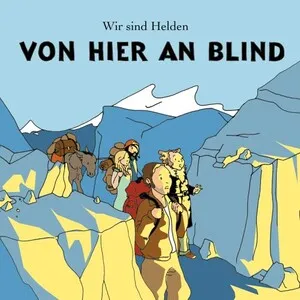
Von hier an blind
Wir sind Helden
Deutschrock
Indie Rock
Pop
Similar artists
2
/5
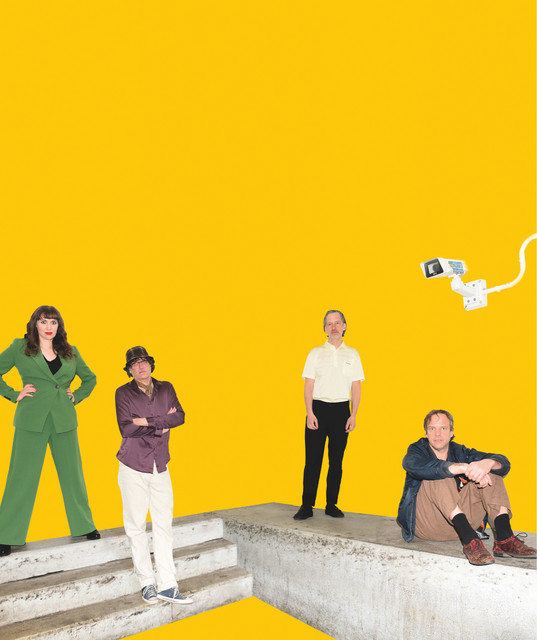
Die Sterne
Hamburger Schule
Indie Rock
Rock
2
/5
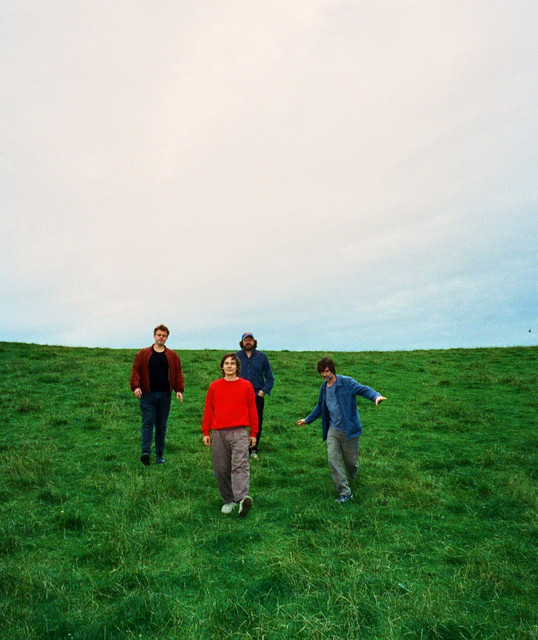
Die Höchste Eisenbahn
Hamburger Schule
German Indie
German Indie Pop
5
/5
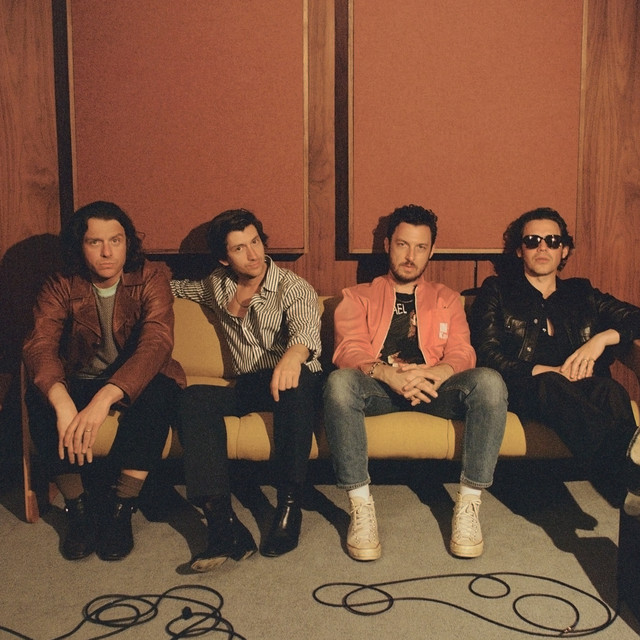
Arctic Monkeys
Garage Rock
Indie
Indie Rock
4
/5
Alex G
Slacker Rock
Lo-Fi
Rock
4
/5
Car Seat Headrest
Indie Rock
Slacker Rock
Furry
3
/5
Japanese Breakfast
Eugene Indie
Rock
Indie Rock
3
/5
The Radio Dept.
Dream Pop
Nordic Shoegaze
Shoegaze
3
/5
of Montreal
Elephant 6
Rock
Indie Rock
3
/5
Gossip
Olympia Wa Indie
Queercore
Rock
1
/5
Various Artists
Afro-Funk
Alternative Rock
Ambient
Download our mobile app
Get the Melodigging app and start digging for new genres on the go
Download on the App Store
Get it on Google Play
© 2026 Melodigging
Give feedback
Legal
Melodding was created as a tribute to
Every Noise at Once
, which inspired us to help curious minds keep digging into music's ever-evolving genres.