Genres
Artists
Albums
Make Music
Sign in
Sign in
Artists
Neue Deutsche Welle
Artists
Neue Deutsche Welle
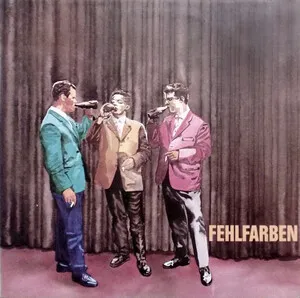
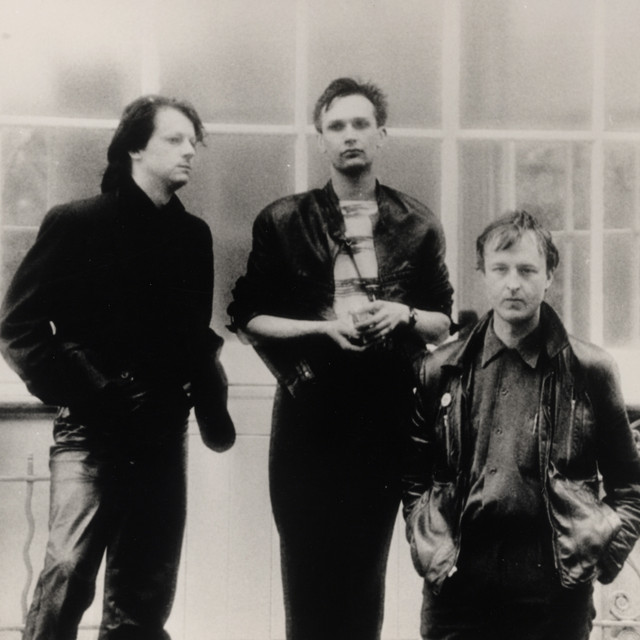
Fehlfarben
1980–1981
·
2 albums
Listen
2
/5
Genres
Windmill Scene
The Windmill scene refers to the cluster of experimental indie, post‑punk, and art‑rock bands that coalesced around The Windmill pub venue in Brixton, South London. Emerging in the late 2010s, the scene is characterized by knotty rhythms, angular guitars, spoken‑sung or declamatory vocals, and frequent use of saxophone, violin, and synths. Bands associated with the scene blend post‑punk urgency with avant‑prog ambition, no wave abrasion, and jazz-informed spontaneity, often favoring raw, live‑in‑the‑room production aesthetics. Lyrically, the scene leans toward sardonic social observation, surreal storytelling, and metropolitan anxiety, while performances emphasize high energy, improvisational turns, and dynamic contrasts.
Discover
Listen
J-Division
J-division is a contemporary Japanese media‑mix pop and hip‑hop scene centered on “2.5D” idol projects and voice‑actor (seiyu) character units. Songs are typically credited to fictional characters and performed by their voice actors, fusing glossy J‑pop with EDM drops, trap‑influenced beats, and anison (anime song) theatricality. The “division” idea reflects franchise formats that pit city‑ or team‑based units against one another in story‑driven releases, live events, and stage productions. The sound ranges from bright, dance‑floor J‑pop to cypher‑style rap tracks, often featuring tightly choreographed hooks, stacked harmonies, dramatic key changes, and narrative lyrics that extend a franchise’s worldbuilding.
Discover
Listen
Neue Deutsche Welle
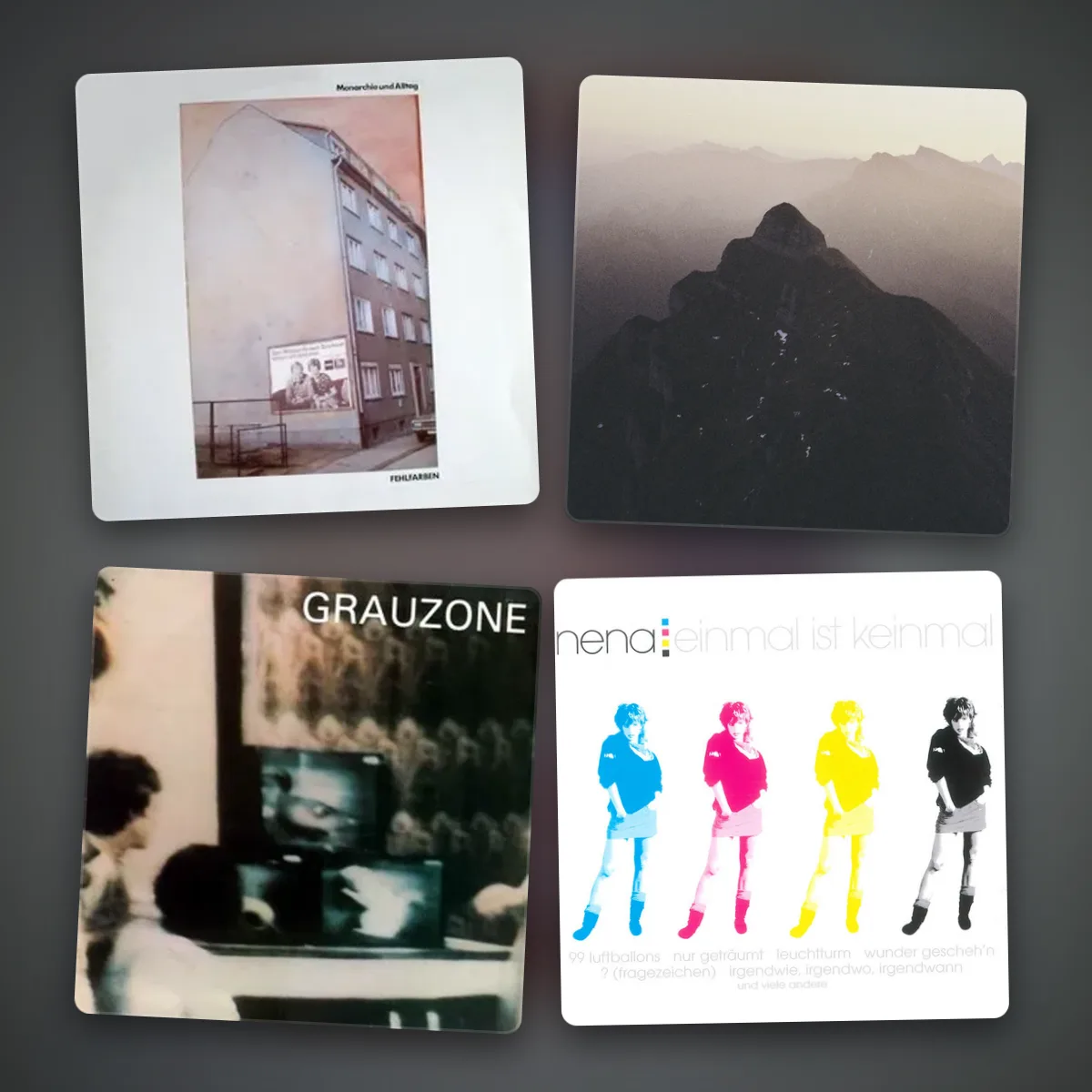
Neue Deutsche Welle (NDW) is a German-language movement of the early 1980s that fused punk and post-punk attitude with new wave and synth-pop sonics. It typically features minimalist arrangements, deadpan or Sprechgesang vocal delivery, and witty, satirical, or absurdist lyrics delivered in German. Musically, NDW leans on simple drum-machine patterns, dry basslines, bright analog synth hooks, and clipped, chorus-treated guitars. The tone oscillates between playful and sardonic, with catchy pop sensibilities rubbing against an art-school, experimental edge. While rooted in underground clubs, the genre briefly crossed into European and global pop charts with enduring hits in the mid-1980s.
Discover
Listen
Coldwave
Coldwave is a European post-punk offshoot characterized by icy, minimalist arrangements, prominent basslines, sparse drum machines, and a detached vocal delivery. Emerging first in France (and neighboring Belgium) in the late 1970s and peaking through the mid-1980s, it blends punk’s austerity with the synthetic textures of early analog keyboards and stark, minor-key guitar figures. The mood is melancholic and introspective—often sung in French or English—favoring rigid rhythms, chorus-drenched guitars, and compact songwriting that foregrounds atmosphere over virtuosity. Its "cold" aesthetic refers as much to the emotional temperature of the music as to the gray-toned production: dry snares, steely bass, and reverb used not for lushness but for distance.
Discover
Listen
Post-Punk
Post-punk is a broadly experimental strain of rock that emerged in the late 1970s as artists sought to push beyond the speed, simplicity, and orthodoxy of first-wave punk. It typically features angular, bass-forward grooves; jagged or minimal guitar lines; stark, spacious production; and an openness to dub, funk, electronic, and avant-garde ideas. Lyrics often examine alienation, urban decay, politics, and the inner life with artful or abstract delivery. A studio-as-instrument approach, emphasis on rhythm section interplay, and an appetite for non-rock textures (tape effects, drum machines, found sound, synths) distinguish the style. The result can be danceable yet tense, cerebral yet visceral, and emotionally restrained yet intensely expressive.
Discover
Listen
New Wave
New wave is a broad, pop-oriented umbrella for styles that emerged in the mid-to-late 1970s as a sleeker, more melodic outgrowth of punk culture. Initially, the term varied by region: in the United States it was first used by critics and labels (famously Sire Records’ “Don’t Call It Punk” campaign in 1977) to rebrand punk-associated artists with more radio-friendly aesthetics; in the United Kingdom it encompassed a wider constellation of fresh, stylish post-punk-era sounds. Over time, “new wave” became a catch‑all for hooky guitar pop, synth-driven songs, danceable rhythms, and modernist production sensibilities. Sonically, it blends tight, upbeat rhythms (often disco- and reggae-informed), clean chorus/flanger guitars, prominent synthesizers, and concise, hook-led songwriting. Its visual identity—sharp suits, futurist imagery, and fashion-forward presentation—was integral, aligning with the rise of music television and emphasizing art-school wit, irony, and modern urban themes.
Discover
Listen
Punk
Punk is a fast, abrasive, and minimalist form of rock music built around short songs, stripped-down instrumentation, and confrontational, anti-establishment lyrics. It emphasizes DIY ethics, raw energy, and immediacy over virtuosity, often featuring distorted guitars, shouted or sneered vocals, and simple, catchy melodies. Typical songs run 1–3 minutes, sit around 140–200 BPM, use power chords and basic progressions (often I–IV–V), and favor live, unpolished production. Beyond sound, punk is a cultural movement encompassing zines, independent labels, political activism, and a fashion vocabulary of ripped clothes, leather, and safety pins.
Discover
Listen
Krautrock
Krautrock is an experimental form of rock that emerged in late-1960s West Germany, characterized by hypnotic repetition, long-form structures, and a forward-looking embrace of electronics and studio experimentation. It typically features a steady, driving 4/4 “motorik” beat, circular bass ostinatos, sparse harmonic movement, and textural layering that draws from minimalism, free improvisation, and avant-garde composition. Rather than virtuosic solos, the emphasis is on collective groove, trance-inducing momentum, and timbral exploration. The sound ranges from raw, percussive jams to spacious, cosmic electronics, often eschewing conventional Anglo-American blues forms in favor of a distinctly European modernist aesthetic.
Discover
Listen
Pop
Pop is a broad, hook-driven style of popular music designed for wide appeal. It emphasizes memorable melodies, concise song structures, polished vocals, and production intended for radio, charts, and mass media. While pop continually absorbs elements from other styles, its core remains singable choruses, accessible harmonies, and rhythmic clarity. Typical forms include verse–pre-chorus–chorus, frequent use of bridges and middle-eights, and ear-catching intros and outros. Pop is not defined by a single instrumentation. It flexibly incorporates acoustic and electric instruments, drum machines, synthesizers, and increasingly digital production techniques, always in service of the song and the hook.
Discover
Listen
Rock
Rock is a broad family of popular music centered on amplified instruments, a strong backbeat, and song forms that foreground riffs, choruses, and anthemic hooks. Emerging from mid‑20th‑century American styles like rhythm & blues, country, and gospel-inflected rock and roll, rock quickly expanded in scope—absorbing folk, blues, and psychedelic ideas—while shaping global youth culture. Core sonic markers include electric guitar (often overdriven), electric bass, drum kit emphasizing beats 2 and 4, and emotive lead vocals. Rock songs commonly use verse–chorus structures, blues-derived harmony, and memorable melodic motifs, ranging from intimate ballads to high‑energy, stadium‑sized performances.
Discover
Listen
Show all 10 genres
Albums
1981
1
/5
33 Tage in Ketten
Fehlfarben
Neue Deutsche Welle
1980
3
/5
Monarchie und Alltag
Fehlfarben
Neue Deutsche Welle
New Wave
Pop
Similar artists
2
/5
DAF
Old School Ebm
Ebm
Electronic
2
/5
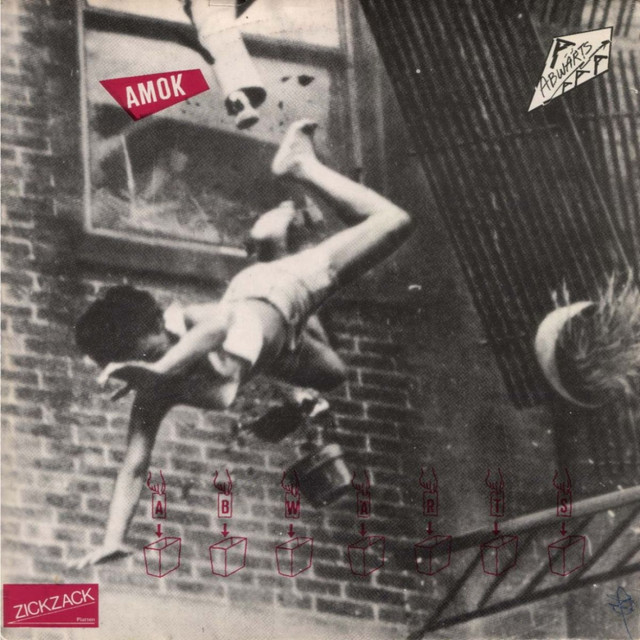
Abwärts
Neue Deutsche Welle
Coldwave
Deathrock
2
/5
Grauzone
Minimal Wave
Neue Deutsche Welle
Coldwave
1
/5
Palais Schaumburg
Neue Deutsche Welle
Krautrock
Post-Punk
2
/5
Xmal Deutschland
Coldwave
Dark Wave
Deathrock
2
/5
Fliehende Stürme
Coldwave
Dark Wave
Deathrock
1
/5
Pyrolator
Neue Deutsche Welle
Coldwave
Krautrock
2
/5
Cabaret Voltaire
Industrial
Acid House
Avant-Garde
2
/5
NILS KEPPEL
Coldwave
Dark Wave
German Indie
2
/5
bishkek
Coldwave
Dark Wave
Neue Deutsche Welle
Download our mobile app
Get the Melodigging app and start digging for new genres on the go
Download on the App Store
Get it on Google Play
© 2026 Melodigging
Give feedback
Legal
Melodding was created as a tribute to
Every Noise at Once
, which inspired us to help curious minds keep digging into music's ever-evolving genres.