Genres
Artists
Albums
Make Music
Sign in
Sign in
Artists
Neue Deutsche Welle
Artists
Neue Deutsche Welle
Pyrolator
1979–2013
·
3 albums
Listen
1
/5
Genres
New Isolationism
New isolationism is a contemporary strain of isolationist ambient and post-industrial minimalism that emerged in the 2010s, particularly around Scandinavian experimental labels and studios. It foregrounds intimate, close-mic’d sound, negative space, and a quiet-but-present noise floor; its pieces feel both internal and architectural, like rooms built from reverb tails, tape hiss, and soft electronics. Sonically, the style blends glacial drones, fragile chamber timbres (strings, organ, piano), lo‑fi electronics, and field recordings into stark, slow-evolving tableaux. Melodic information is sparse—often only a few tones or gestures—while rhythm is either absent or reduced to distant pulses, heartbeats, or mechanical cycles. Vocals, when they appear, are murmured, diaristic, or abstracted by pitch and time manipulation. Aesthetically, new isolationism is post‑internet and diaristic: it captures solitude, memory, and dislocation with a palette that feels personal yet estranged, drawing as much from contemporary gallery sound practice as from classic dark ambient.
Discover
Listen
Neue Deutsche Welle
Neue Deutsche Welle (NDW) is a German-language movement of the early 1980s that fused punk and post-punk attitude with new wave and synth-pop sonics. It typically features minimalist arrangements, deadpan or Sprechgesang vocal delivery, and witty, satirical, or absurdist lyrics delivered in German. Musically, NDW leans on simple drum-machine patterns, dry basslines, bright analog synth hooks, and clipped, chorus-treated guitars. The tone oscillates between playful and sardonic, with catchy pop sensibilities rubbing against an art-school, experimental edge. While rooted in underground clubs, the genre briefly crossed into European and global pop charts with enduring hits in the mid-1980s.
Discover
Listen
Coldwave
Coldwave is a European post-punk offshoot characterized by icy, minimalist arrangements, prominent basslines, sparse drum machines, and a detached vocal delivery. Emerging first in France (and neighboring Belgium) in the late 1970s and peaking through the mid-1980s, it blends punk’s austerity with the synthetic textures of early analog keyboards and stark, minor-key guitar figures. The mood is melancholic and introspective—often sung in French or English—favoring rigid rhythms, chorus-drenched guitars, and compact songwriting that foregrounds atmosphere over virtuosity. Its "cold" aesthetic refers as much to the emotional temperature of the music as to the gray-toned production: dry snares, steely bass, and reverb used not for lushness but for distance.
Discover
Listen
Industrial
Industrial is an experimental electronic music tradition that uses abrasive timbres, mechanical rhythms, and transgressive aesthetics. Its sound palette often includes distorted drum machines, tape loops, metallic percussion, feedback, and found-object recordings alongside synthesizers and samplers. Emerging from late-1970s UK underground art and performance scenes, industrial foregrounds themes of dehumanization, technology, surveillance, and power. Releases frequently embrace anti-commercial presentation, stark graphic design, and confrontational performance art, treating the studio as a laboratory for sonic manipulation rather than a vehicle for conventional songcraft. While early industrial emphasized noise, tape processing, and avant-garde collage, later waves fused the style with dancefloor precision (EBM), rock and metal heft, and club-oriented production, giving rise to a broad post-industrial family that remains influential in experimental, electronic, and popular music.
Discover
Listen
Krautrock
Krautrock is an experimental form of rock that emerged in late-1960s West Germany, characterized by hypnotic repetition, long-form structures, and a forward-looking embrace of electronics and studio experimentation. It typically features a steady, driving 4/4 “motorik” beat, circular bass ostinatos, sparse harmonic movement, and textural layering that draws from minimalism, free improvisation, and avant-garde composition. Rather than virtuosic solos, the emphasis is on collective groove, trance-inducing momentum, and timbral exploration. The sound ranges from raw, percussive jams to spacious, cosmic electronics, often eschewing conventional Anglo-American blues forms in favor of a distinctly European modernist aesthetic.
Discover
Listen
Space Rock
Space rock is a psychedelic branch of rock characterized by long-form, hypnotic grooves, swirling guitars awash in delay and reverb, and prominent analog synthesizers that evoke cosmic or interstellar imagery. The music often emphasizes texture and atmosphere over conventional song structures, creating expansive soundscapes that feel weightless and otherworldly. Emerging in late-1960s Britain from the overlap of psychedelic rock, early progressive rock, and experimental electronics, space rock frequently employs motorik-leaning rhythms, modal or drone-based harmony, and science-fiction themes. Extended improvisations, phased and fuzz-drenched timbres, and tape or echo effects are common, encouraging a sense of forward drift and cosmic exploration.
Discover
Listen
Experimental
Experimental music is an umbrella term for practices that prioritize exploration, process, and discovery over adherence to established genre norms. It embraces new sound sources, nonstandard tuning systems, indeterminacy and chance operations, graphic and open-form scores, extended techniques, and technology-led sound design (tape, electronics, computers, and live processing). Rather than a single style, it is a methodology and ethos: testing hypotheses about sound, structure, and performance, often blurring boundaries between composition, improvisation, sound art, and performance art. Listeners can expect unfamiliar timbres, unusual forms, and an emphasis on how music is made as much as the resulting sound.
Discover
Listen
Electronic
Electronic is a broad umbrella genre defined by the primary use of electronically generated or electronically processed sound. It encompasses music made with synthesizers, drum machines, samplers, computers, and studio/tape techniques, as well as electroacoustic manipulation of recorded or synthetic sources. The genre ranges from academic and experimental traditions to popular and dance-oriented forms. While its sonic palette is rooted in electricity and circuitry, its aesthetics span minimal and textural explorations, structured song forms, and beat-driven club permutations. Electronic emphasizes sound design, timbre, and studio-as-instrument practices as much as melody and harmony.
Discover
Listen
Show all 8 genres
Albums
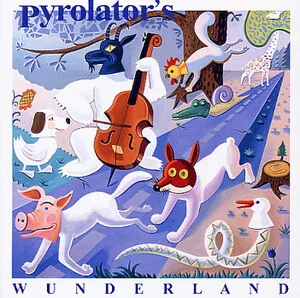
2013
1
/5
Wunderland
Pyrolator
Neue Deutsche Welle
1981
1
/5
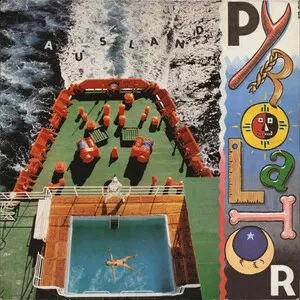
Ausland
Pyrolator
Neue Deutsche Welle
1979
1
/5
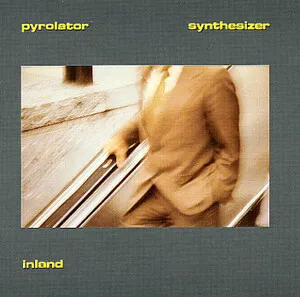
Inland
Pyrolator
Neue Deutsche Welle
Electronic
Experimental
Similar artists
2
/5
DAF
Old School Ebm
Ebm
Electronic
1
/5
Various Artists
Afro-Funk
Alternative Rock
Ambient
2
/5
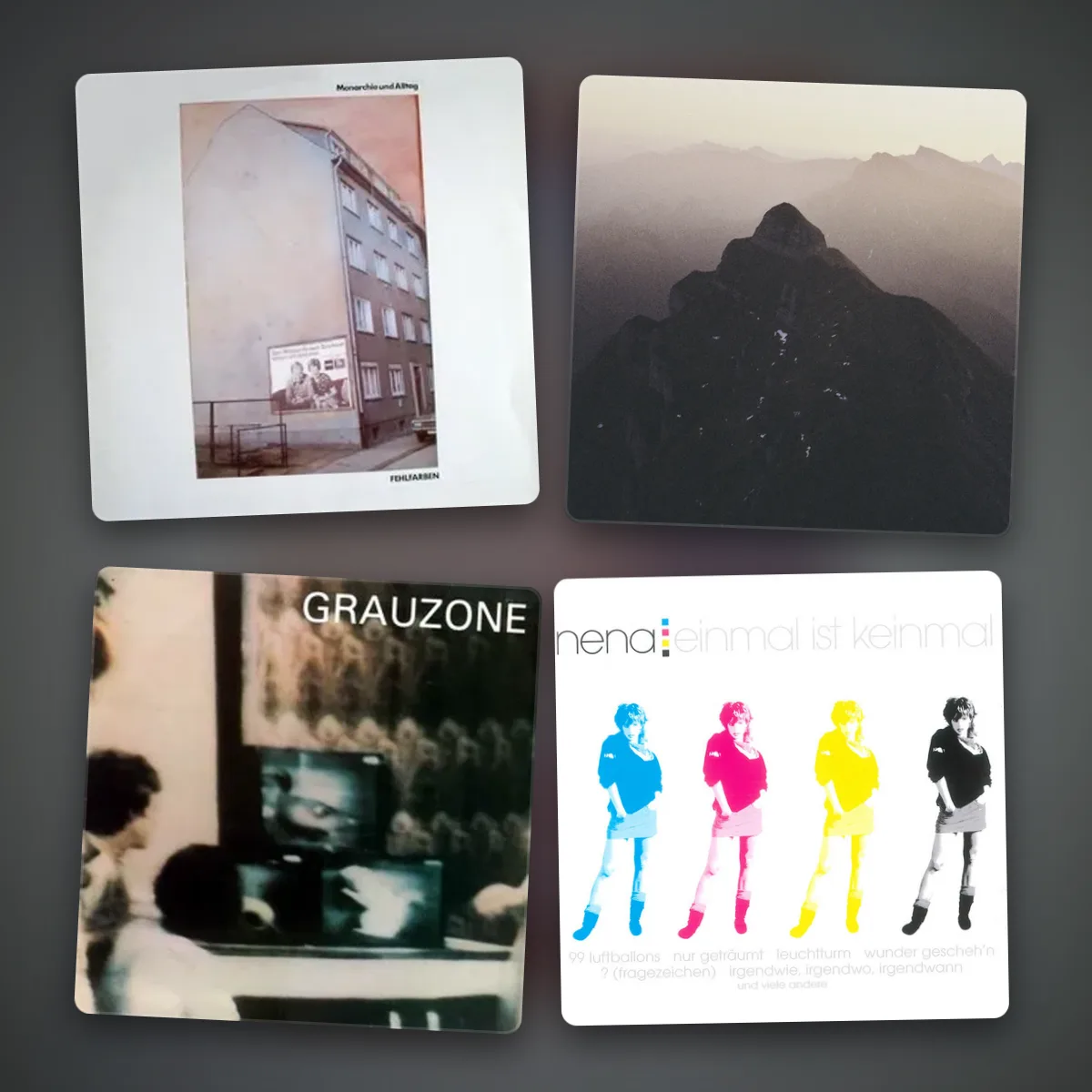
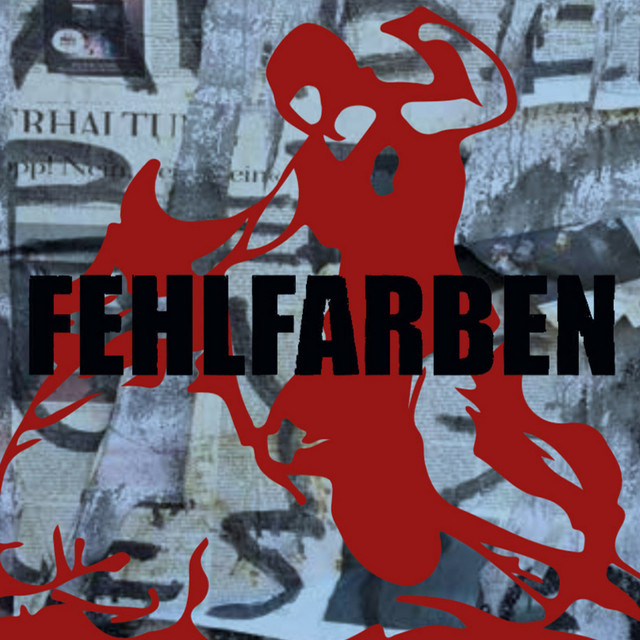
Fehlfarben
Neue Deutsche Welle
Coldwave
Krautrock
2
/5
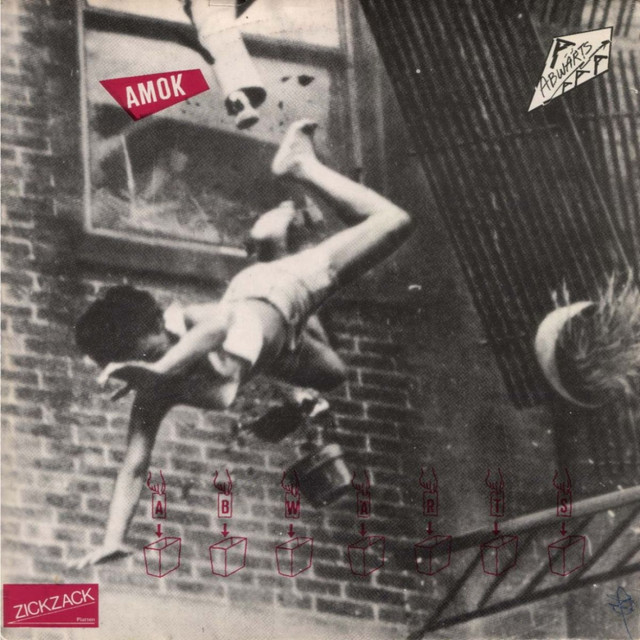
Abwärts
Neue Deutsche Welle
Coldwave
Deathrock
2
/5
Chrome
Avant-Garde
Coldwave
Deathrock
1
/5
Der Plan
Avant-Garde
Coldwave
Krautrock
1
/5
Monoton
Coldwave
Neue Deutsche Welle
Space Rock
3
/5
Kraftwerk
Synth-Pop
Electronic
Electro
3
/5
Tangerine Dream
Berlin School
Progressive Electronic
Ambient
3
/5
CAN
Krautrock
No Wave
Experimental Rock
Download our mobile app
Get the Melodigging app and start digging for new genres on the go
Download on the App Store
Get it on Google Play
© 2026 Melodigging
Give feedback
Legal
Melodding was created as a tribute to
Every Noise at Once
, which inspired us to help curious minds keep digging into music's ever-evolving genres.