Genres
Artists
Albums
Make Music
Sign in
Sign in
Artists
Big Beat
Artists
Big Beat
Niemen
1971–2023
·
3 albums
Listen
3
/5
Genres
Big Beat
Big beat is a high-energy style of electronic dance music built around heavy, looped breakbeats, overdriven drums, and bold, riff-driven hooks. It typically blends hip hop sampling techniques with the attitude and instrumentation of rock, creating an immediately impactful, party-focused sound. Characterized by distorted basslines, chunky drum breaks, sirens, vocal shouts, and funk or rock samples, big beat favors maximalist, crowd-pleasing arrangements. It rose to mainstream prominence in the mid-to-late 1990s through UK acts who popularized it in clubs, on radio, and via music videos that emphasized its unruly, fun-loving aesthetic.
Discover
Listen
Poezja Śpiewana
Poezja śpiewana (sung poetry) is a Polish song tradition in which existing poems or poetically crafted lyrics are set to intimate, text‑first musical settings. Musically, it draws on cabaret, French‑style chanson, folk and singer‑songwriter idioms, favoring voice with guitar or piano, subtle chamber textures, and restrained rhythm sections. The melody and phrasing closely follow the prosody of the Polish language and the poem’s imagery, while harmony often leans on tonal or lightly jazz‑tinged palettes that keep the words in the foreground. Artists interpret works by renowned poets (e.g., Osiecka, Tuwim, Leśmian) with theatrical nuance and clear diction. The result sits between concert music and popular song: lyrical, literate, and emotionally direct, meant as much for listening and reflection as for performance.
Discover
Listen
Art Pop
Art pop is a strand of pop music that treats the pop song as a canvas for high-concept ideas, experimental techniques, and cross-media aesthetics. It marries accessible melodies and hooks with the visual culture of art schools, the conceptual rigor of the avant-garde, and the studio-as-instrument ethos. Sonically, art pop favors eclectic instrumentation (synths, orchestral timbres, guitars, found sounds), unusual song forms, and sophisticated harmony. It often employs collage, musique concrète–like textures, and theatrical vocal delivery while still keeping a pop-facing surface. Beyond sound, art pop is deeply visual and conceptual: albums are framed as coherent artworks, stagecraft and video are integral, and lyrics tend toward intertextuality, character work, irony, and social commentary. The result is pop that is both immediate and idea-driven.
Discover
Listen
Jazz Rock
Jazz rock is a hybrid style that merges the improvisational language and harmonic richness of jazz with the amplified energy, backbeat, and song forms of rock. It typically features electric guitar, bass, and drums alongside jazz-oriented instruments such as saxophone, trumpet, and keyboards, often arranged in horn sections. Extended chords, syncopation, and improvisation coexist with catchy riffs and driving grooves, yielding music that is both virtuosic and accessible. While closely related to jazz fusion, jazz rock generally keeps a stronger tie to rock songcraft and backbeat-centered rhythms.
Discover
Listen
Pop Rock
Pop rock blends the hook-focused immediacy of pop with the instrumentation and drive of rock. It prioritizes catchy melodies, concise song structures, and polished production while retaining guitars, bass, and drums as core elements. Typical pop rock tracks use verse–pre-chorus–chorus forms, strong vocal harmonies, and memorable riffs. The sound ranges from jangly and bright to mildly overdriven and arena-ready, aiming for radio-friendly appeal without abandoning rock’s rhythmic punch.
Discover
Listen
Progressive Rock
Progressive rock is a rock subgenre that expands the genre’s formal, harmonic, and conceptual boundaries. It favors long-form compositions, intricate arrangements, and virtuosic musicianship, often drawing on Western classical, jazz, folk, and psychedelic idioms. Typical hallmarks include multi-part suites, shifting time signatures, extended instrumental passages, recurring motifs, and concept albums that present unified themes or narratives. The sound palette commonly features electric guitar, bass, and drums alongside an array of keyboards (Hammond organ, Mellotron, Moog/ARP synthesizers, piano), woodwinds or brass, and occasional orchestral additions. Lyrics often explore science fiction, mythology, philosophy, social commentary, and introspective themes.
Discover
Listen
Sonorism
Sonorism is a post–World War II Polish avant‑garde current that makes sound color, texture, and unconventional timbral combinations the primary musical material. Rather than developing melodies and harmonies in a traditional sense, sonorist works organize music into blocks or masses of sound that transform through color, density, and register. Emerging within the “Polish School” of the late 1950s and 1960s, sonorism embraces extended instrumental techniques, novel orchestration, and experimental notations. Its aesthetics foreground glissandi, clusters, aleatoric layers, and dramatic contrasts to create visceral, often eerie or cathartic soundscapes that challenged serial orthodoxy and expanded orchestral imagination.
Discover
Listen
Rock
Rock is a broad family of popular music centered on amplified instruments, a strong backbeat, and song forms that foreground riffs, choruses, and anthemic hooks. Emerging from mid‑20th‑century American styles like rhythm & blues, country, and gospel-inflected rock and roll, rock quickly expanded in scope—absorbing folk, blues, and psychedelic ideas—while shaping global youth culture. Core sonic markers include electric guitar (often overdriven), electric bass, drum kit emphasizing beats 2 and 4, and emotive lead vocals. Rock songs commonly use verse–chorus structures, blues-derived harmony, and memorable melodic motifs, ranging from intimate ballads to high‑energy, stadium‑sized performances.
Discover
Listen
Show Tunes
Show tunes are songs written for stage musicals and revues, designed to advance plot, reveal character, or provide memorable set‑piece moments. They favor strong, singable melodies, clear structures (often AABA 32‑bar or verse–chorus), witty and narrative lyrics, and orchestrations that support drama and choreography. While rooted in the Great American Songbook, show tunes draw on operetta, vaudeville, ragtime, jazz, and popular songcraft, and they are typically performed by stage voices (from legit to belt) with pit orchestras. Because many became popular standards beyond the theater, show tunes occupy a central place in American popular music and are frequently adapted for cabaret, big band, and vocal jazz.
Discover
Listen
Show all 9 genres
Albums
2023
3
/5
Pamiętam ten dzień
Czesław Niemen
Poezja Śpiewana
1972
1
/5
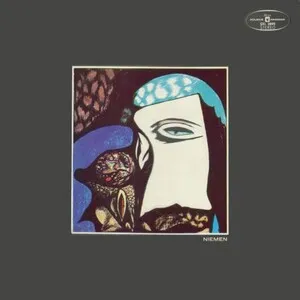
Niemen vol. 1
Czesław Niemen
Sonorism
1971
2
/5
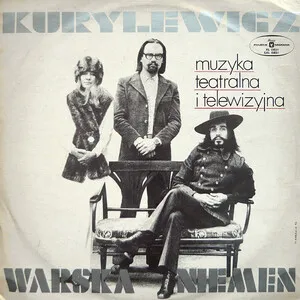
Muzyka teatralna i telewizyjna
Kurylewicz Warska Niemen
Show Tunes
Poezja Śpiewana
Similar artists
1
/5
Various Artists
Afro-Funk
Alternative Rock
Ambient
5
/5
Lady Gaga
Pop
Art Pop
Dance-Pop
4
/5
Frank Sinatra
Big Band
Jazz
Swing
3
/5
PJ Harvey
Alternative Rock
Singer-Songwriter
Rock
2
/5
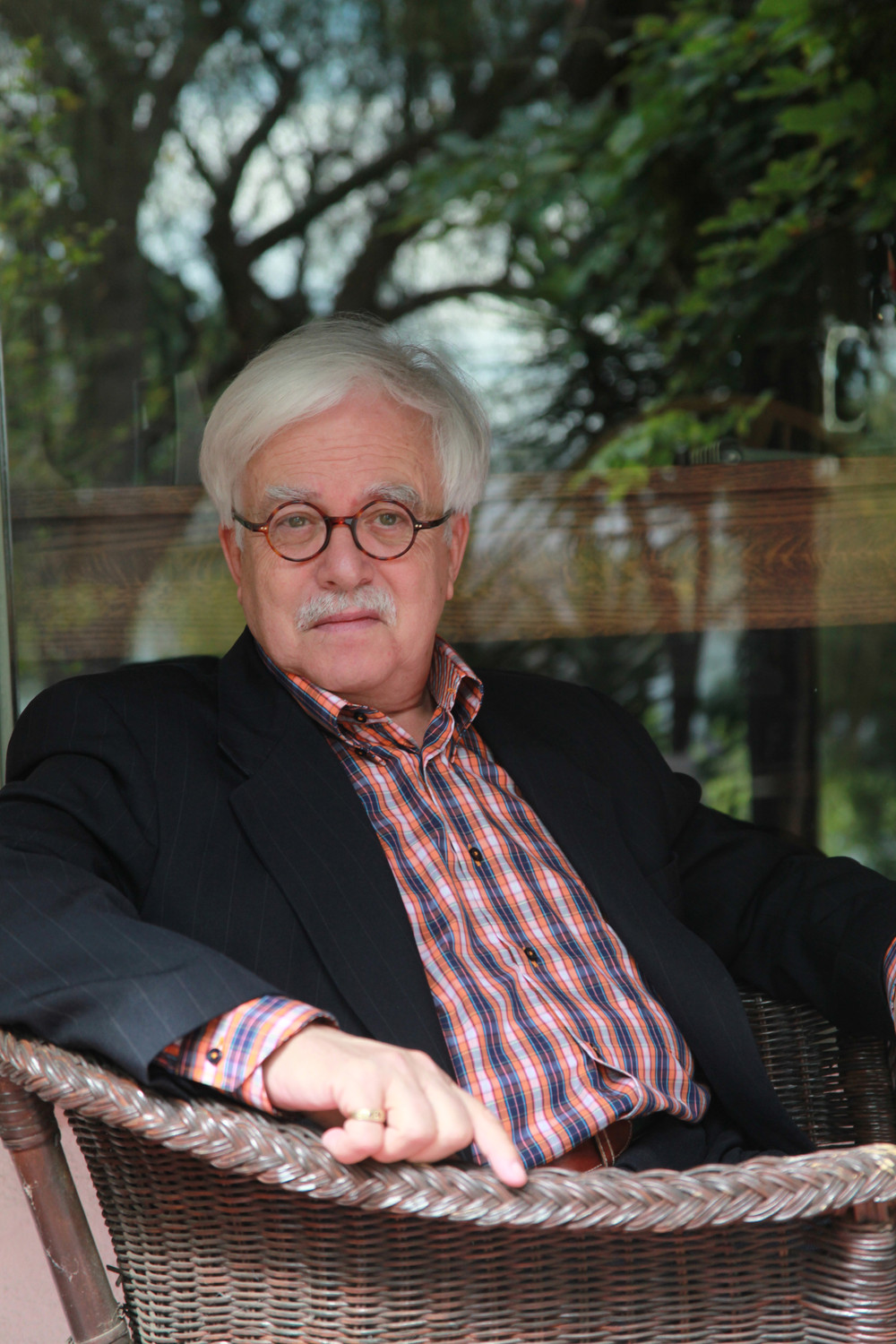
Van Dyke Parks
Art Pop
Baroque Pop
Calypso
4
/5
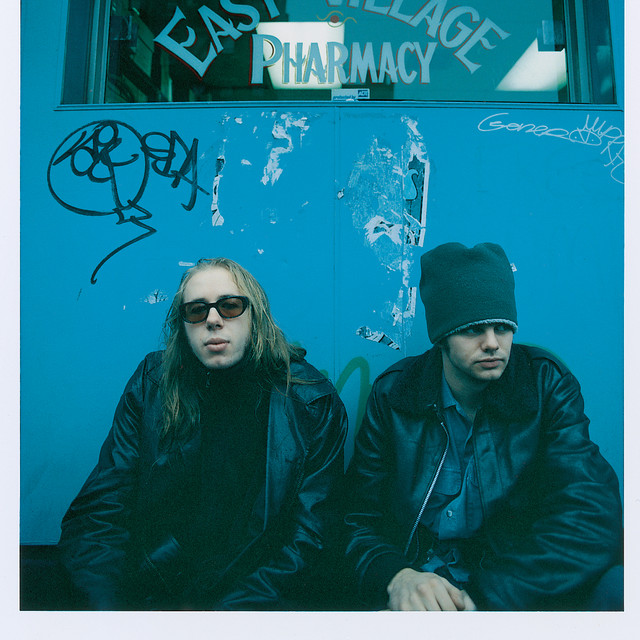
Faithless
Big Beat
Downtempo
Trip Hop
4
/5
The Chemical Brothers
Big Beat
Electronic
Breakbeat
4
/5
The Prodigy
Big Beat
Breakbeat
Rave
4
/5
Armand Van Helden
Speed Garage
Funky House
Vocal House
4
/5
Fatboy Slim
Big Beat
Electronic
Electronica
Download our mobile app
Get the Melodigging app and start digging for new genres on the go
Download on the App Store
Get it on Google Play
© 2026 Melodigging
Give feedback
Legal
Melodding was created as a tribute to
Every Noise at Once
, which inspired us to help curious minds keep digging into music's ever-evolving genres.