Genres
Artists
Albums
Make Music
Sign in
Sign in
Artists
Baroque
Artists
Baroque
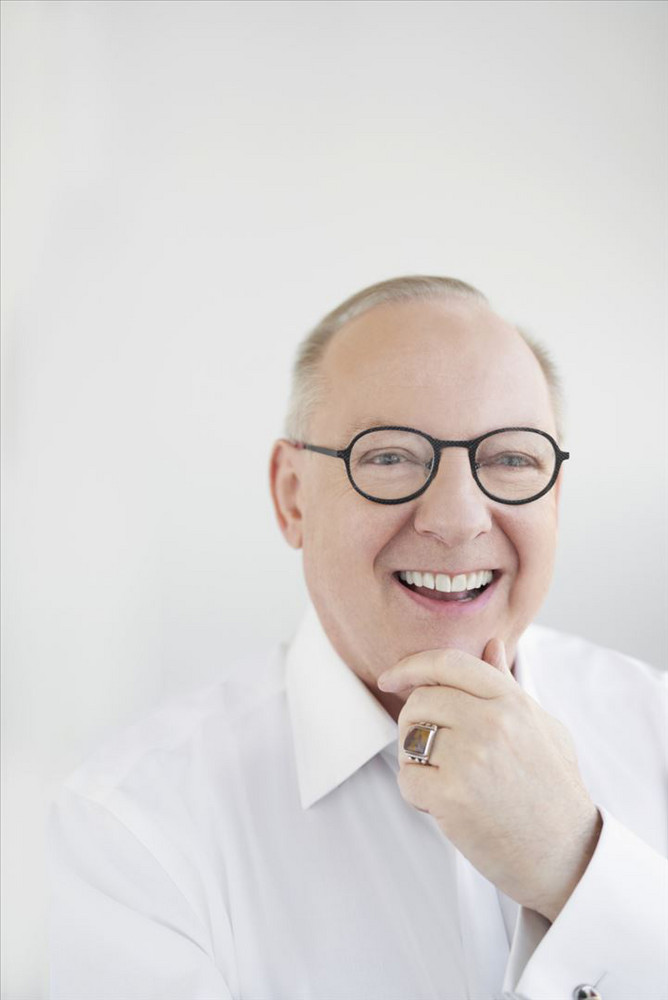
Nicholas McGegan
1988–2016
·
3 albums
Listen
2
/5
Genres
Chamber Orchestra
A chamber orchestra is a small, flexible orchestra typically ranging from about 15 to 45 musicians. It preserves the clarity and intimacy of chamber music while retaining orchestral color and range. Compared with a full symphony orchestra, it uses reduced forces—often single or paired winds and brass, a compact string body, and limited percussion—producing a transparent, agile sound. Chamber orchestras perform repertoire from the Baroque and Classical eras through to contemporary works, and they frequently revive older pieces with historically informed approaches. The format lends itself to conductor-led or conductorless performance, encouraging close ensemble listening, elegant phrasing, and finely detailed articulation.
Discover
Listen
Classical Bassoon
Classical bassoon refers to the body of Western art‑music written for, or prominently featuring, the bassoon—from the late Baroque through the Classical and Romantic eras into the present. It encompasses solo concertos and sonatas, chamber music (often with piano or strings), and characteristic orchestral writing that showcases the instrument’s wide expressive range. A double‑reed, non‑transposing bass voice of the woodwind family, the bassoon spans approximately A1 to E5, moving from a dark, plummy low register to a vocal, singing tenor and a pungent, characterful upper range. Its agility, comic timing, and cantabile line made it a favorite for both witty scherzi and deeply lyrical slow movements. Classical bassoon practice also codified idiomatic articulation (legato cantilena, ultra‑clean staccato), voice‑leading across breaks, and the expressive use of dynamics that remain foundational to woodwind writing.
Discover
Listen
Concerto
A concerto is a large-scale composition that sets one or more solo instruments in dynamic dialogue with an orchestra. Its core idea is contrast—between soloist and tutti—and the dramatic negotiation of power, color, and thematic responsibility. While Baroque concertos often relied on ritornello form, the Classical era standardized a three-movement plan (fast–slow–fast) with sonata principles in the opening movement. The Romantic period emphasized virtuosity and expressive foregrounding of the soloist, and the 20th–21st centuries broadened the palette with new instruments, harmonies, and formats. Across eras, the concerto remains a showcase for instrumental character, technical brilliance, and the art of orchestral conversation.
Discover
Listen
Baroque
Baroque is a period and style of Western art music spanning roughly 1600–1750. It is characterized by the birth of functional tonality, the widespread use of basso continuo (figured bass), and a love of contrast—between soloist and ensemble, loud and soft, and different timbres. Hallmark genres and forms of the era include opera, cantata, oratorio, concerto (especially the concerto grosso), dance suite, sonata, and fugue. Textures range from expressive monody to intricate counterpoint, and melodies are richly ornamented with trills, mordents, and appoggiaturas. Baroque music flourished in churches, courts, and theaters across Europe, with regional styles (Italian, French, German, English) shaping distinctive approaches to rhythm, dance, harmony, and ornamentation.
Discover
Listen
Baroque Woodwind
Baroque woodwind refers to the repertoire, instruments, and performance practices for wind instruments during the Baroque era (ca. 1600–1750). Core instruments include the recorder (blockflute), the one-keyed transverse flute (traverso), the Baroque oboe (hautbois), and the bassoon (evolving from the dulcian). These instruments were built with different bores, fingerings, and reeds from modern counterparts, yielding a more vocal, reedy, and delicately colored sound. The style embraces solo sonatas with basso continuo, trio sonatas, orchestral suites, and concerti—often framed by dance-derived forms and ritornello structures. Ornamentation (agréments), rhetorical phrasing, notes inégales (in French contexts), and affect-driven articulation are essential, along with historically typical pitch (often around A=415) and well/meantone temperaments.
Discover
Listen
Opera
Opera is a large-scale theatrical genre that combines music, drama, and visual spectacle, in which the story is primarily conveyed through singing accompanied by an orchestra. It unites solo voices, ensembles, and chorus with staging, costumes, and often dance to create a total artwork. Emerging in late Renaissance Italy and flourishing in the Baroque era, opera developed signature forms such as recitative (speech-like singing that advances the plot) and aria (lyrical numbers that explore character and emotion). Over the centuries it evolved diverse national styles—Italian bel canto, French grand opéra, German music drama—while continually experimenting with orchestration, harmony, narrative structure, and stagecraft.
Discover
Listen
Classical
Classical music is the notated art-music tradition of Europe and its global descendants, characterized by durable forms, carefully codified harmony and counterpoint, and a literate score-based practice. The term “classical” can refer broadly to the entire Western art-music lineage from the Medieval era to today, not just the Classical period (c. 1750s–1820s). It privileges long-form structures (such as symphonies, sonatas, concertos, masses, and operas), functional or modal harmony, thematic development, and timbral nuance across ensembles ranging from solo instruments to full orchestras and choirs. Across centuries, the style evolved from chant and modal polyphony to tonal harmony, and later to post-tonal idioms, while maintaining a shared emphasis on written notation, performance practice, and craft.
Discover
Listen
Show all 7 genres
Albums
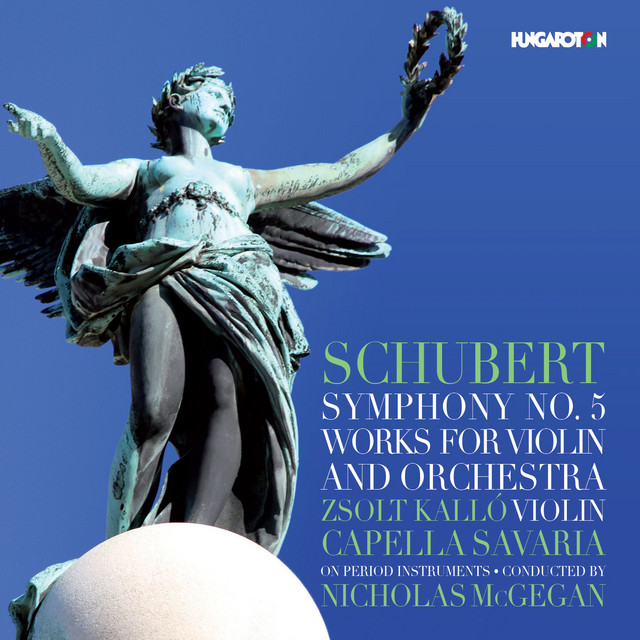
2016
Schubert: Symphony No. 5 and Works for Violin & Orchestra
Franz Schubert, Zsolt Kallo, Capella Savaria, Nicholas McGegan
Chamber Orchestra
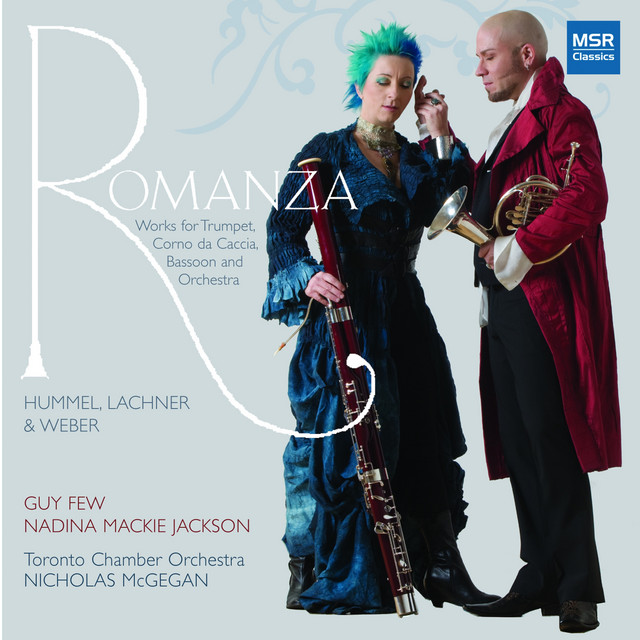
2008
Romanza - Works for Trumpet, Corno da Caccia, Bassoon and Orchestra
Nadina Mackie Jackson, Guy Few, Nicholas McGegan, Toronto Chamber Orchestra
Classical Bassoon
1988
Vivaldi: Flute Concertos & Recorder Concertos
Vivaldi; Janet See, Marion Verbruggen, Philharmonia Baroque Orchestra, Nicholas…
Baroque Woodwind
Similar artists
3
/5
Giovanni Antonini
Baroque
Classical
Opera
4
/5
George Frideric Handel
Classical
Opera Seria
Classical Countertenor
4
/5
English Chamber Orchestra
Baroque
Classical
Concerto
3
/5
Academy of Ancient Music
Classical
Concerto
Baroque
3
/5
Il Giardino Armonico
Baroque
Classical
Opera
3
/5
Scottish Chamber Orchestra
Classical
Baroque
Chamber Music
2
/5
Franz Liszt Chamber Orchestra
Classical
Baroque
Concerto
2
/5
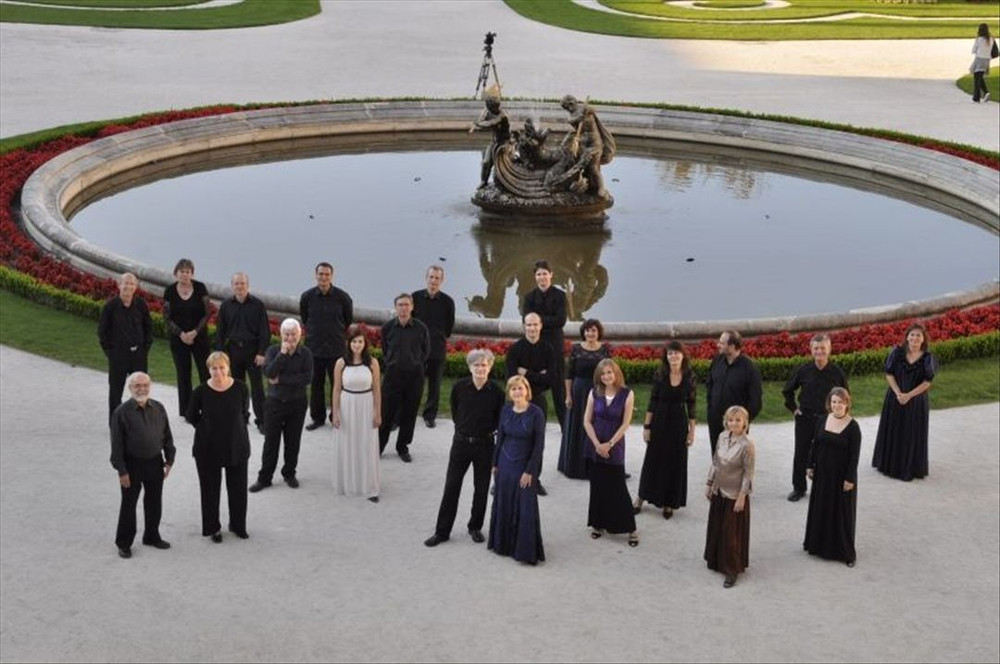
Capella Savaria
Baroque
Chamber Music
Concerto
4
/5
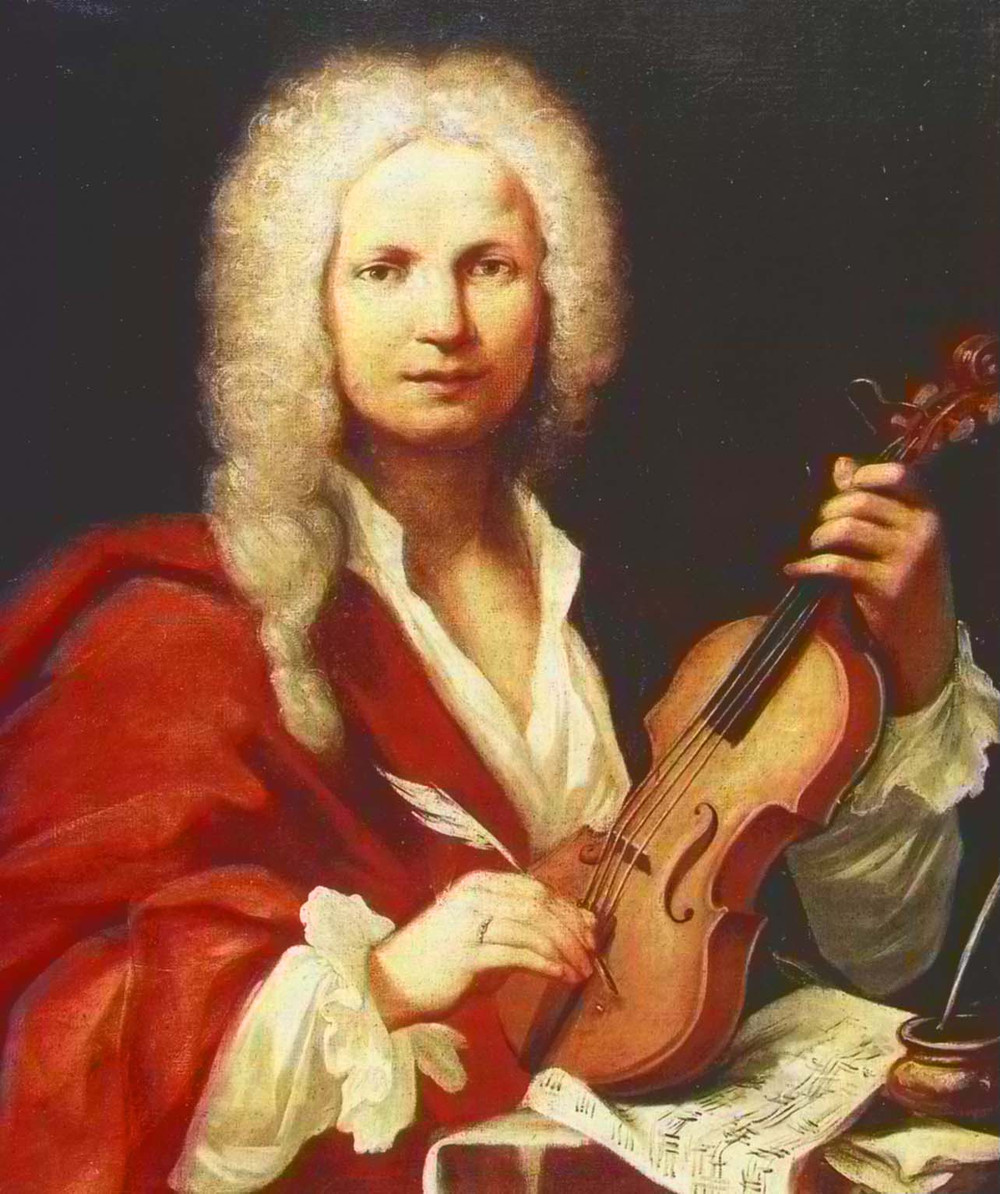
Antonio Vivaldi
Baroque
Classical
Opera Seria
3
/5
Israel Philharmonic Orchestra
Baroque
Classical
Concerto
Download our mobile app
Get the Melodigging app and start digging for new genres on the go
Download on the App Store
Get it on Google Play
© 2026 Melodigging
Give feedback
Legal
Melodding was created as a tribute to
Every Noise at Once
, which inspired us to help curious minds keep digging into music's ever-evolving genres.