Genres
Artists
Albums
Make Music
Sign in
Sign in
Artists
Vocaloid Metal
Artists
Vocaloid Metal
Neru
2013–2025
·
5 albums
Listen
3
/5
Genres
Men Chika
Men chika (メン地下) is the Japanese underground male idol scene, made up of boy groups who perform high-energy J‑pop and dance-pop in small live houses, theaters, and idol events rather than on major mainstream stages. Musically it blends glossy J‑pop songwriting with club-ready EDM/electropop production, punchy hooks built for call-and-response, and chant breaks designed for wotagei/fan MIX participation. Songs commonly feature bright synths, four-on-the-floor or trap-inflected grooves, stacked gang shouts, and key‑change finales. Lyrically the focus is on youth, dreams, devotion, and intimacy with fans—reinforced by close-contact fan practices like cheki (instax photos) and meet-and-greets. Culturally, men chika parallels the long-running “chika idol” (underground idol) movement on the women’s side, but orients to a largely female fanbase and a circuit centered on Tokyo live houses and regional circuits. It is as much a participatory fan culture as it is a sound, shaping how songs are arranged, staged, and monetized.
Discover
Listen
Neru
Neru (寝る—“to sleep” in Japanese) is a Japanese-born microgenre of sleep and relaxation music that coalesced online in the 2010s. It blends ultra-soft ambient textures, hush‑toned lo‑fi beats, and environmental soundscapes (rain, night insects, room tone) designed to lull the listener toward rest, study focus, or meditative calm. Musically, neru favors slow tempos (or no pulse at all), warm tape‑like coloration, soft piano or electric piano, airy synth pads, and field recordings, with frequent use of gentle modal or pentatonic figures and extended jazz‑pop chords (maj7, add9). Producers often incorporate binaural/isochronic elements, very wide stereo fields, and long reverbs to evoke a cocoon of sound. Aesthetically and in platform culture, neru sits at the intersection of Japanese kankyō ongaku (environmental music), modern ambient/new age, lo‑fi hip hop’s cozy visual world, and the streaming era’s “sleep/focus” ecosystem (YouTube, NicoNico, Spotify, Apple Music), where it appears in bedtime and overnight playlists, frequently labeled with Japanese tags such as 寝る or おやすみ.
Discover
Listen
Jirai Kei
Jirai kei is a recent Japanese internet-born pop micro‑genre and aesthetic that blends cute, sugary sounds with darker, obsessive and self‑destructive themes. The term comes from a fashion/aesthetic scene associated with yamikawaii and menhera culture, and in music it describes songs that sound soft and adorable on the surface but conceal lyrics about toxic love, dependency, jealousy, and emotional volatility. Sonically, jirai kei draws from J‑pop and Vocaloid traditions (denpa/picopop brightness, catchy hooks) while adopting modern hyperpop gloss, trap/EDM percussion, and highly edited, youthful vocals. The contrast between childlike, pastel timbres and intense, confessional writing is central to the style, making it both immediately hooky and emotionally sharp—an audio embodiment of “cute but dangerous.”
Discover
Listen
Otacore
Otacore is a fan-driven, internet-native umbrella for music centered on anime, manga, gaming, and broader otaku culture. Rather than a single strict musical style, it describes a cluster of scenes where pop, electronic, rock, and rap intersect with anime aesthetics, story tropes, and character/fandom references. Typical otacore repertoires include Vocaloid productions, anisong-style pop/rock, high-energy EDM with kawaii sound design, nightcore-style edits, game-inspired chiptune flourishes, and cover cultures (English/Japanese) tied to anime and game franchises. Distribution and discovery are powered by platforms such as Nico Nico Douga, YouTube, SoundCloud, streaming playlists, and later TikTok, where memeability, fan videos (AMVs), and vtuber performances help songs spread globally.
Discover
Listen
Soundclown
Soundclown is an internet-born remix and mashup style that thrives on comedic juxtaposition, bait‑and‑switch reveals, and hyper-referential sample collage. It blends pop hits, game and cartoon music, ad jingles, meme sounds, and viral speech into quick-cut audio gags. The genre developed across YouTube and SoundCloud, favoring shock humor, nostalgia, and absurdity over traditional song form. Hallmarks include sudden key/tempo whiplash, exaggerated pitch-shifts, ear‑rending “earrape” peaks, and punchline drops that transform a familiar source into something hilariously incongruent. Because it is fundamentally platform-native, soundclown is as much a memetic editing culture as a musical style. Its tracks often function like sonic shitposts: fast, punchy, and built for instant recognition and shareability.
Discover
Listen
Chamber Psych
Chamber psych blends the intimate, acoustic instrumentation and careful arrangements of chamber pop with the hazy textures, tape-warm production, and surreal harmonies of psychedelic pop. Expect strings, woodwinds, vibraphone, Mellotron, and harpsichord to sit alongside vintage keyboards, gently motorik drums, and fluttering tape delays. Vocals are often close‑mic’d and breathy, melodies skew wistful or otherworldly, and songs privilege mood and arrangement craft over volume. The result feels simultaneously handcrafted and dreamlike: miniature orchestras scoring psychedelic reveries.
Discover
Listen
Diy Emo
DIY emo is a grassroots, home-recorded and community-driven branch of contemporary emo that blends twinkly Midwest-emo guitar work, confessional lyricism, and pop-punk urgency with a distinctly lo‑fi, self-produced aesthetic. It foregrounds the ethics of the do‑it‑yourself underground: basement shows, tape or Bandcamp releases, collective touring, and a preference for intimacy over polish. Sonically, it leans on clean, chiming guitars, melodic basslines, dynamic drumming, and unvarnished vocals that veer from soft-spoken to cathartic sing-alongs. Rather than chasing radio gloss, DIY emo embraces rawness and vulnerability—often capturing the feel of a crowded living room show—while channeling themes of friendship, mental health, hometowns, and the bittersweet transitions of early adulthood.
Discover
Listen
Vocaloid Metal
Vocaloid metal is a fusion of heavy metal and the Japanese vocal-synth scene, built around voicebanks such as Hatsune Miku, Megurine Luka, GUMI, IA, and Yuzuki Yukari. Producers program lead vocals using Vocaloid (or related vocal-synths/UTAU), then arrange them over guitars, bass, and metal drumming ranging from power-metal gallops to metalcore breakdowns. The style mirrors the broad spectrum of metal: from melodic power and symphonic strains to djent and metalcore aggression. Because the lead voice is synthetic, precise micro-edits to pitch, timbre, vibrato, phonemes, and dynamics are possible, enabling acrobatic melodies at extreme tempos, theatrical character songs, and even approximations of screams via sound design. Emerging from the Nico Nico Douga and dōjin circles, Vocaloid metal flourished online, where producers, illustrators, and fan communities co-create songs, PVs, and concept albums. Its sound sits at the crossroads of otaku culture, internet-native production, and modern Japanese metal.
Discover
Listen
Vocaloid
Vocaloid is a music genre and production culture centered on songs performed by synthesized singing voices, most famously the virtual singer Hatsune Miku. Producers compose and arrange tracks, then program lyrics and melodies into voicebanks to create lead vocals that sound like human singers. While the repertoire spans many styles, Vocaloid is strongly associated with Japanese pop, rock, and electronic dance music aesthetics. Songs are often released online with striking illustrated artwork and animated "PV" videos, and they are disseminated through platforms such as Nico Nico Douga and YouTube by independent creators and labels. The genre’s hallmark is the combination of catchy, hyper-bright melodies, energetic rhythm sections, and expressive vocal programming (tuning) that leverages timbral artifacts unique to synthesized voices. A vibrant fan community drives remixes, covers, live concerts with virtual avatars, and continual evolution of stylistic norms.
Discover
Listen
Punk
Punk is a fast, abrasive, and minimalist form of rock music built around short songs, stripped-down instrumentation, and confrontational, anti-establishment lyrics. It emphasizes DIY ethics, raw energy, and immediacy over virtuosity, often featuring distorted guitars, shouted or sneered vocals, and simple, catchy melodies. Typical songs run 1–3 minutes, sit around 140–200 BPM, use power chords and basic progressions (often I–IV–V), and favor live, unpolished production. Beyond sound, punk is a cultural movement encompassing zines, independent labels, political activism, and a fashion vocabulary of ripped clothes, leather, and safety pins.
Discover
Listen
Punk Rock
Punk rock is a fast, raw, and stripped‑down form of rock music that foregrounds energy, attitude, and the DIY ethic over technical polish. Songs are short (often 90–180 seconds), in 4/4, and driven by down‑stroked power‑chord guitars, eighth‑note bass, and relentless backbeat drumming. Vocals are shouted or sneered rather than crooned, and lyrics are direct, often political, anti‑establishment, or wryly humorous. Production is intentionally unvarnished, prioritizing immediacy and live feel over studio perfection. Beyond sound, punk rock is a culture and practice: independent labels, fanzines, all‑ages venues, self‑organized tours, and a participatory scene that values inclusivity, affordability, and self‑reliance.
Discover
Listen
Rock
Rock is a broad family of popular music centered on amplified instruments, a strong backbeat, and song forms that foreground riffs, choruses, and anthemic hooks. Emerging from mid‑20th‑century American styles like rhythm & blues, country, and gospel-inflected rock and roll, rock quickly expanded in scope—absorbing folk, blues, and psychedelic ideas—while shaping global youth culture. Core sonic markers include electric guitar (often overdriven), electric bass, drum kit emphasizing beats 2 and 4, and emotive lead vocals. Rock songs commonly use verse–chorus structures, blues-derived harmony, and memorable melodic motifs, ranging from intimate ballads to high‑energy, stadium‑sized performances.
Discover
Listen
Show all 12 genres
Albums
2025
2
/5
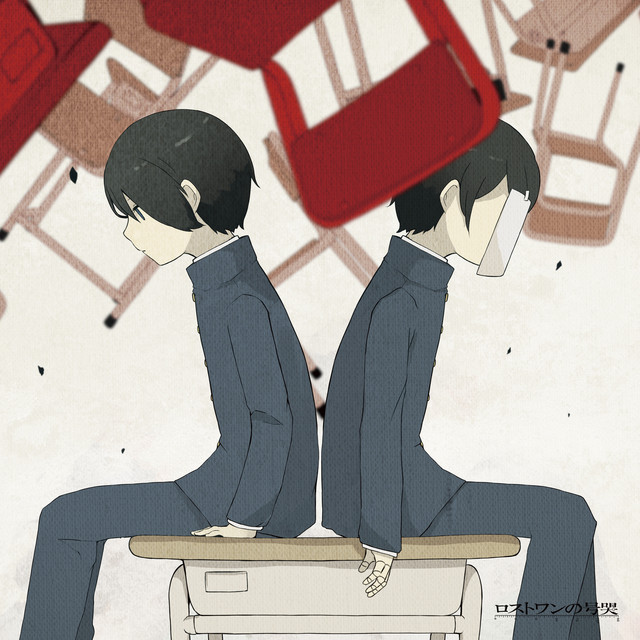
ロストワンの号哭
Neru
Vocaloid Metal
2018
1
/5
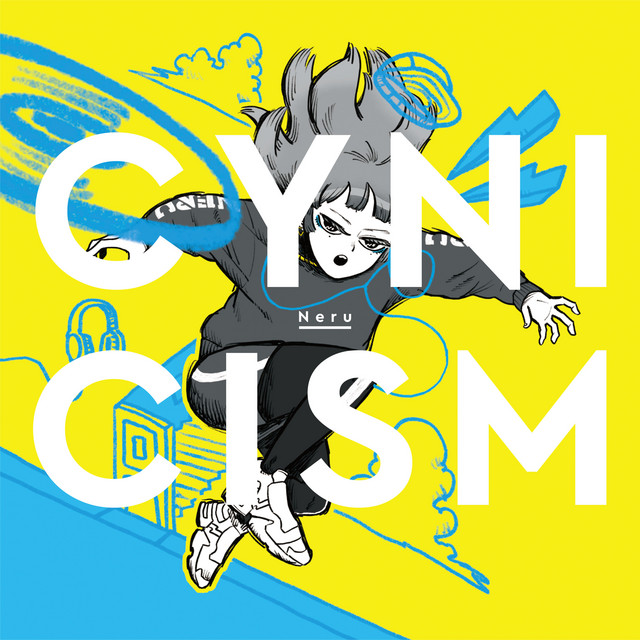
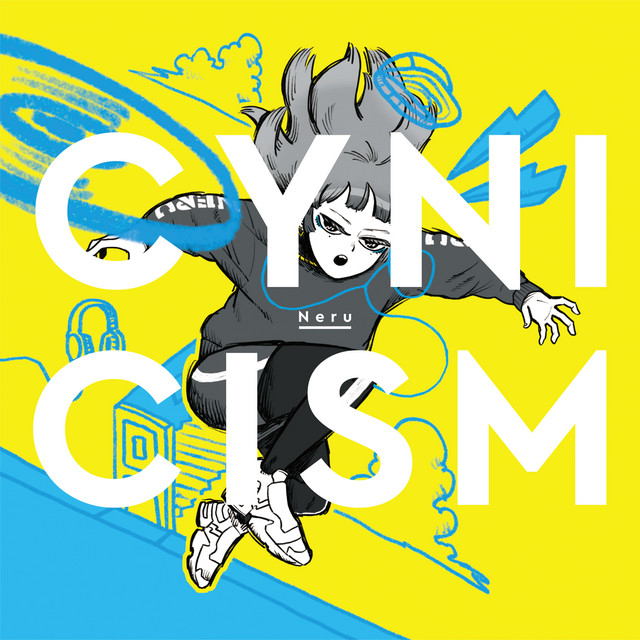
CYNICISM
Neru
Vocaloid Metal
2018
3
/5
CYNICISM
Neru
Vocaloid Metal
2015
3
/5
マイネームイズラヴソング
Neru
Vocaloid Metal
2013
3
/5
世界征服
Neru
Vocaloid Metal
Punk
Punk Rock
Similar artists
3
/5
Kagamine Rin
Men Chika
Neru
Vocaloid
4
/5
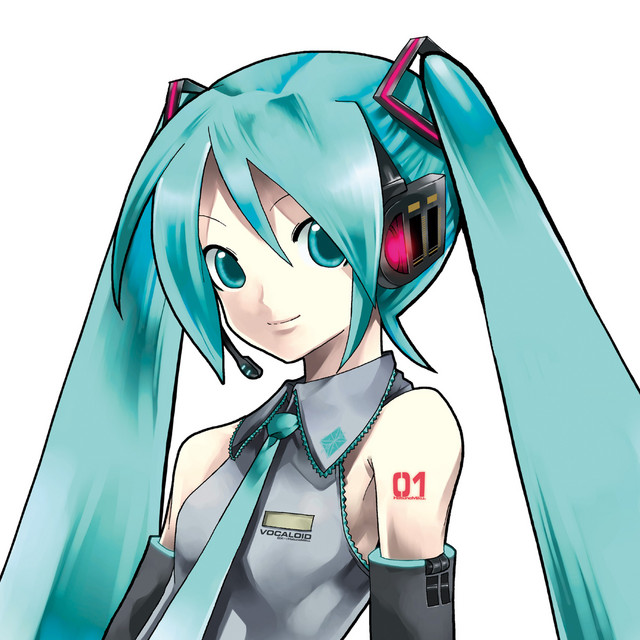
Hatsune Miku
Vocaloid
Yakousei
Digital Horror
3
/5
Kagamine Len
Men Chika
Vocaloid
Vocaloid Metal
4
/5
重音テト
Men Chika
Neru
Vocaloid
3
/5
PinocchioP
Men Chika
Neru
Vocaloid
3
/5
Kairikibear
Vocaloid
Men Chika
Neru
3
/5
32ki
Men Chika
Neru
Vocaloid
3
/5
Jin
Idol Game
Men Chika
Neru
3
/5
Nayutalien
Men Chika
Neru
Vocaloid
3
/5
Chinozo
Men Chika
Neru
Vocaloid
Download our mobile app
Get the Melodigging app and start digging for new genres on the go
Download on the App Store
Get it on Google Play
© 2026 Melodigging
Give feedback
Legal
Melodding was created as a tribute to
Every Noise at Once
, which inspired us to help curious minds keep digging into music's ever-evolving genres.