Genres
Artists
Albums
Make Music
Sign in
Sign in
Artists
Jeongak
Artists
Jeongak
National Gugak Center
1987–1999
·
2 albums
Listen
1
/5
Genres
Traditional Music
Traditional music is an umbrella term used in the mid–20th century by folklorists and ethnomusicologists to denote community-rooted, orally transmitted repertoires tied to social ritual, work, celebration, and storytelling. Unlike commercial pop or art-music traditions, traditional music is typically learned by ear, varies regionally, and evolves slowly through communal participation. It often features modal melodies, cyclic rhythms, heterophony or unison singing, and indigenous instruments whose timbres are integral to local identity. Lyrics tend to preserve language, history, and collective memory. While the musical practices themselves can be ancient, the phrase “traditional music” emerged to replace earlier, narrower or colonial framings like “folk” or “ethnic” music, foregrounding continuity, locality, and living practice rather than exoticism.
Discover
Listen
Jeongak
Jeongak is the refined classical court and aristocratic music of Korea, encompassing ritual (aak), Chinese-derived (dangak), and native court (hyangak) traditions under a broader aesthetic of elegance, restraint, and balance. It is performed on an ensemble of wind, string, and percussion instruments such as piri and daegeum (oboes and transverse bamboo flutes), haegeum (two‑string fiddle), gayageum and geomungo (zithers), and various drums and gongs. The style emphasizes calm tempi, cyclical rhythmic patterns (jangdan), heterophonic texture, and subtle ornamentation (sigimsae and nonghyeon). Core repertory includes suites like Yeongsanhoesang and Boheoja and the stately music for royal ancestral rites (Jongmyo Jeryeak). Jeongak is closely associated with Confucian court culture and literati ideals, privileging poise, precision, and contemplative beauty.
Discover
Listen
Hyangak
Hyangak literally means “native music” and denotes the repertoire of indigenous Korean court and aristocratic music, as distinguished from imported Chinese (dangak) and Confucian ritual (aak) traditions. It is characterized by stately pacing, spacious phrasing aligned to breath and gesture, and elegant heterophonic textures in which multiple instruments render the same melody with individualized ornamentation. Typical hyangak ensembles feature the three iconic native strings—geomungo (zither), gayageum (zither), and hyangbipa (pear-shaped lute)—alongside winds such as daegeum (large transverse bamboo flute), piri (double-reed oboe), junggeum and sogeum (smaller flutes), and bowed haegeum, supported by timekeeping percussion like janggu (hourglass drum), buk (barrel drum), bak (clapper), and jwago. Modal language centers on Korean pentatonic modes (notably pyeongjo and gyemyeonjo), subtle intonation, and ornate sigimsae (ornamentation), yielding a serene yet dignified sound ideal for banquets and ceremonial occasions. The iconic piece “Sujecheon” stands as a hallmark of the style.
Discover
Listen
Albums
1999
1
/5
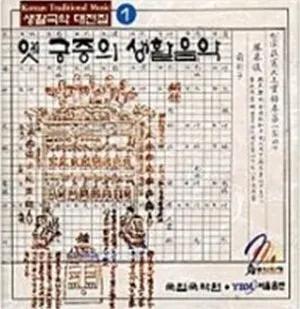
옛 궁중의 생활음악 (The Living Korean Classical Music Collection 1)
국립국악원 연주단 [National Gugak Center Orchestra]
Jeongak
1987
1
/5
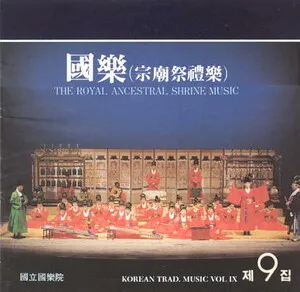
國樂(宗廟祭禮樂)
National Gugak Center 국립국악원
Hyangak
Jeongak
Similar artists
1
/5
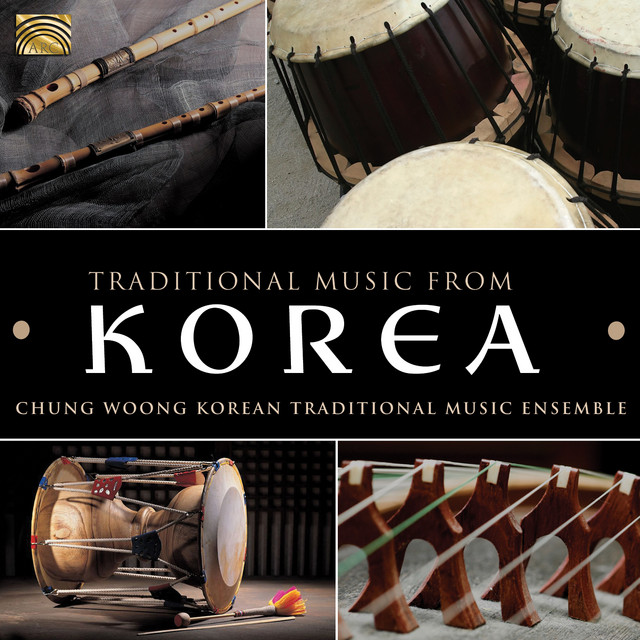
Chung Woong Korean Traditional Music Ensemble
Japanese Classical
Traditional Music
Hyangak
1
/5
Jeong Ga Ak Hoe
Traditional Music
Gagok
Jeongak
3
/5
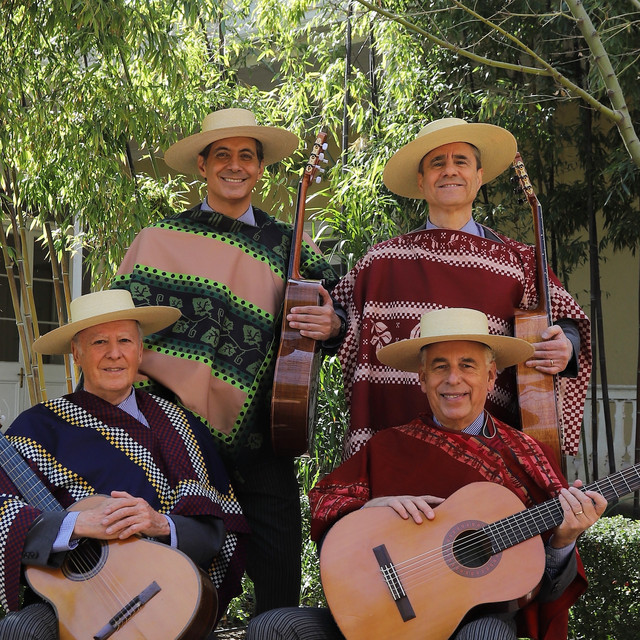
Los Huasos Quincheros
Tonada Chilena
Folclor Andino
Musica Nublensina
3
/5
Ntencane
Traditional Music
3
/5
Duma
Traditional Music
3
/5
Khuzani
Traditional Music
Maskanda
3
/5
Benny Mayengani
Maskanda
Traditional Music
3
/5
J JOHN THE BIG BABY
Traditional Music
Private School Piano
Bolobedu House
3
/5
Chief Stephen Osita Osadebe
Traditional Music
Fuji
Highlife
3
/5
刘珂矣
Traditional Music
Gufeng
Download our mobile app
Get the Melodigging app and start digging for new genres on the go
Download on the App Store
Get it on Google Play
© 2026 Melodigging
Give feedback
Legal
Melodding was created as a tribute to
Every Noise at Once
, which inspired us to help curious minds keep digging into music's ever-evolving genres.