Your digging level
Description
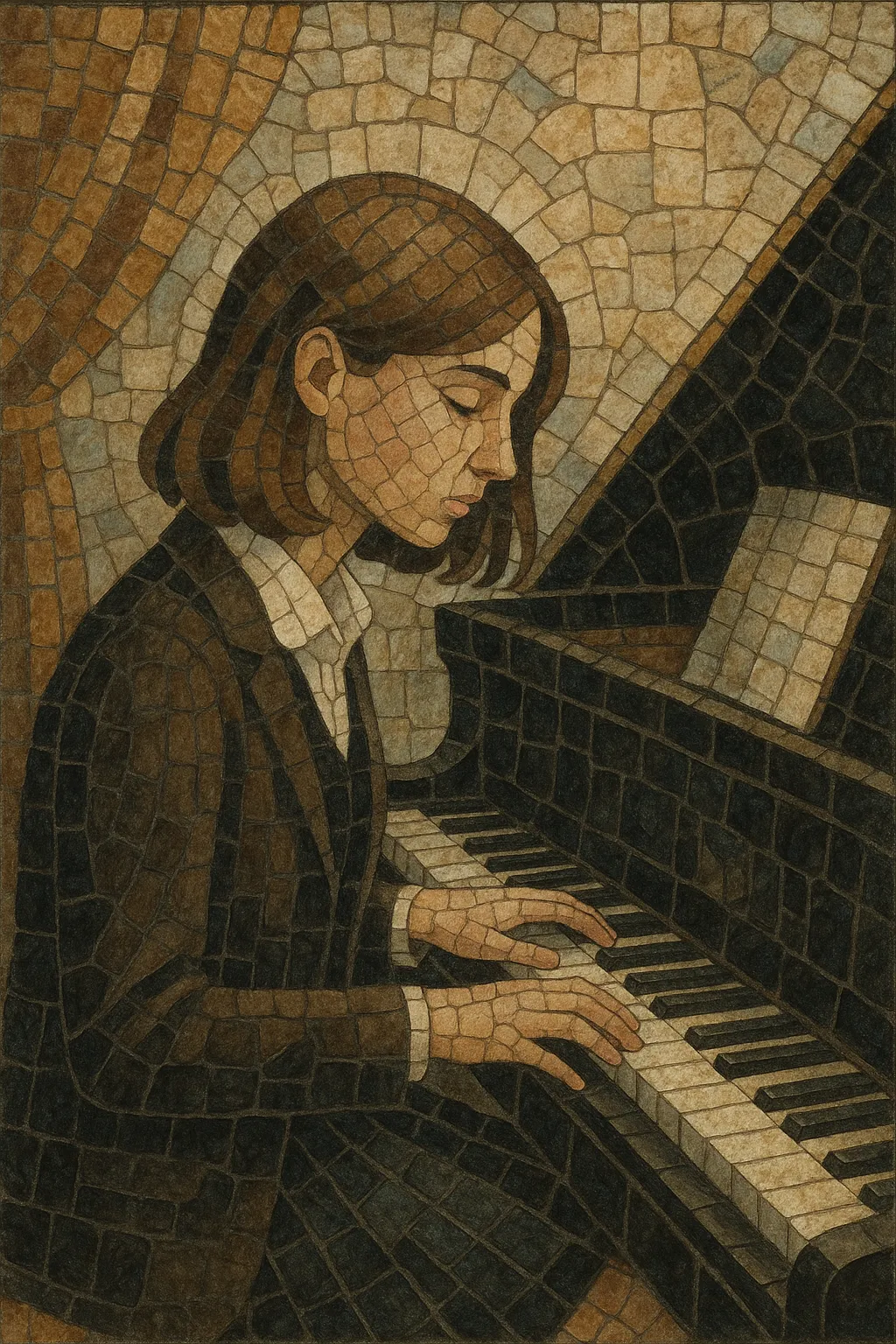
Private school piano is a contemporary pop microstyle centered on piano-led singer‑songwriter ballads and mid‑tempo anthems with polished, conservatory‑adjacent playing and intimate, emotive vocals.
The style emphasizes clear, melodic right‑hand figures, broken‑chord patterns, and dynamic swells that bloom into cinematic choruses. Production is spacious and pristine—close‑miked piano, tasteful reverb, light percussion, and occasional strings—supporting lyrical themes of romance, self‑reflection, and coming‑of‑age. While its roots draw from earlier piano rock and adult contemporary balladry, its aesthetic became especially associated with UK artists who emerged in the streaming era and often trained in formal or high‑quality music programs.
History
Private school piano coalesced in the UK during the early 2010s as a recognizable stream within mainstream and indie pop. It drew on 2000s piano rock and adult contemporary ballads but pivoted toward a sleeker, more intimate sound shaped by modern recording practices and conservatory‑honed technique. Early breakthrough singles and covers—circulating widely on YouTube and later on streaming platforms—helped solidify the palette: close‑miked piano, breathy vocals, and restrained rhythm sections.
Playlists and sync placements (TV dramas, film trailers, commercials) amplified its reach. The format favored songs that start with a vulnerable piano intro and build to cathartic, string‑tinted choruses—an arc that performs well in editorial playlists and emotional visual contexts. Artists trained in strong UK music programs benefited from industry infrastructure and live-performance circuits that showcased solo piano sets.
The label "private school" describes the polished performance demeanor and refined production rather than any strict biographical requirement. The sound’s hallmarks—articulate voicings, subtle rubato, and elegant dynamics—project an upscale, recital‑ready finish that distinguishes it from rougher indie or lo‑fi approaches.
The style remains a dependable lane for chart‑friendly ballads and festival sing‑alongs. It overlaps with piano rock and adult contemporary, but its streaming‑native arrangements, modern topline writing, and cinematic crescendos keep it current. Newer artists continue to blend it with indie pop sensitivity and filmic string writing.