Genres
Artists
Albums
Make Music
Sign in
Sign in
Artists
Solipsynthm
Artists
Solipsynthm
Mystery Skulls
2011–2026
·
20 albums
Listen
3
/5
Genres
Lo-Fi Hip Hop
Lo-fi hip hop is a mellow, sample-driven offshoot of hip hop that emphasizes warm, imperfect textures, simple loops, and relaxed grooves over virtuosic rapping or dense production. Producers often foreground tape hiss, vinyl crackle, and bit-depth artifacts to evoke a cozy, worn-in feeling that complements the genre’s minimal, repetitive structures. Built from boom-bap drum programming, jazzy chord progressions, and short melodic motifs, lo-fi hip hop typically functions as instrumental background music for reading, studying, or unwinding. Its aesthetics are closely tied to internet culture—especially 24/7 livestreams and anime-inspired visuals—making it one of the most recognizable “ambient hip hop” sounds of the streaming era.
Discover
Listen
Edm
EDM (Electronic Dance Music) refers to the mainstream, festival-oriented wave of electronic dance styles that rose to global prominence in the early 2010s. It emphasizes high-energy drops, ear-catching toplines, and crowd-pleasing arrangements designed for large stages and mass audiences. Musically, EDM typically sits around 124–130 BPM with a strong four-on-the-floor kick, wide supersaw leads, bright plucks, and heavily sidechained pads and basses for a pumping feel. Tracks are structured around tension-and-release: intros and builds lead to explosive drops, followed by breakdowns that rebuild energy. Vocals and pop-style songwriting frequently appear, enabling crossover success on radio and streaming platforms.
Discover
Listen
Glitch Hop Edm
Glitch hop EDM is a bass-heavy, midtempo offshoot of glitch and hip-hop that adopts the large-scale sound design, drops, and festival-ready structures of contemporary EDM. It typically runs around 90–115 BPM with a swung or syncopated hip-hop groove, while employing stutter edits, tape stops, bitcrushing, buffer repeats, granular chops, and intricate automation to create the characteristic "glitched" feel. Tracks often feature thick, modulated basslines; punchy, off-kilter drums; chopped vocals and foley; and harmonies that borrow from jazz, funk, and soul, all arranged in EDM-style buildups and drops.
Discover
Listen
Modern Funk
Modern funk is a 21st‑century revitalization of late‑’70s/’80s boogie and electro‑funk aesthetics, filtered through contemporary R&B, hip‑hop production, and indie dance scenes. It emphasizes pocket‑tight grooves, syncopated basslines (often synth‑driven), crisp drum‑machine patterns, bright polyphonic synths, talkbox/vocoder leads, and clean, choppy rhythm guitar. Compared with classic funk, modern funk leans more on analog and early‑digital synth colors (Juno, Prophet, DX7, Moog), Linn/808/909‑style drums, glossy mixes, and ear‑candy arrangement details. Lyrically, it favors feel‑good party vibes, love themes, and everyday swagger, aiming for dancefloor immediacy with a retro‑futurist sheen.
Discover
Listen
Solipsynthm
Solipsynthm is an internet-age, indie-minded strain of synth-pop and electropop marked by intimate, self-focused songwriting and glossy, pastel-toned electronics. The name blends “solipsism” and “synth,” pointing to diaristic lyrics delivered over soft analog-style pads, glassy arpeggios, and gently pulsing drum machines. The style favors bedroom-scale production that feels confessional rather than confrontational: airy, close-mic’d vocals sit in reverb-kissed spaces; 80s-leaning chords (maj7/add9) and neon leads shimmer over midtempo grooves. It borrows the sparkle of classic synth-pop, the moodiness of dream pop, and the DIY spirit of netlabel-era indie electronic, but channels them toward interior narratives and small, carefully textured arrangements.
Discover
Listen
Electronica
Electronica is a broad, largely 1990s umbrella term for a spectrum of electronic music crafted as much for immersive, album‑oriented listening as for clubs and raves. It gathers elements from techno, house, ambient, breakbeat, IDM, and hip hop production, emphasizing synthesizers, drum machines, samplers, and studio experimentation. The sound can range from downtempo and atmospheric to hard‑hitting and breakbeat‑driven, but it typically foregrounds sound design, texture, and mood over strict dance‑floor utility. In the mid‑to‑late 1990s the term was used by labels and press—especially in the United States—to market and introduce diverse electronic acts to mainstream rock and pop audiences.
Discover
Listen
Alternative Dance
Alternative dance blends the textures and songwriting of alternative rock and post‑punk with club‑oriented rhythms and production. Born in the UK at the cusp of the late 1980s “Second Summer of Love,” it embraced house/acid house grooves, sequenced bass lines, and sampling while keeping indie sensibilities, guitars, and song structures. The result is music that works on a dancefloor but still reads like an alternative single. Typical hallmarks include four‑on‑the‑floor or breakbeat drums, jangly or funky guitars, prominent bass (often synth), euphoric pads, and hook‑forward vocals. Landmark albums like New Order’s Technique and Primal Scream’s Screamadelica helped define its palette and ethos.
Discover
Listen
Electro
Electro is an early 1980s machine-funk style built around drum machines (especially the Roland TR-808), sequenced basslines, and a futuristic, robotic aesthetic. It emphasizes syncopated rhythms, sparse arrangements, and timbres drawn from analog and early digital synthesizers. Vocals, when present, are often delivered via vocoder or rap-style chants, reinforcing a sci‑fi, cyborg persona. Electro’s grooves powered breakdance culture, and its sonic palette—crisp 808 kicks, snappy snares, dry claps, cowbells, and squelchy bass—became foundational to later techno and bass music.
Discover
Listen
Indie
Indie (short for “independent”) began as music made and released outside the major-label system, where a DIY ethos shaped everything from songwriting and recording to artwork and touring. As a sound, indie is eclectic but often features jangly or overdriven guitars, intimate or understated vocals, melodic basslines, and unvarnished production that foregrounds authenticity over gloss. It spans rock, pop, and folk while welcoming electronic textures and lo‑fi aesthetics. Lyrics typically focus on personal observation, small details, and wry self-awareness rather than overt virtuosity or spectacle. Beyond style, indie describes a culture: small labels and stores, college/alternative radio, fanzines/blogs, community venues, and scenes that value experimentation, individuality, and artistic control.
Discover
Listen
Synth-Pop
Synth-pop is a pop-oriented style that foregrounds the synthesizer as its primary instrument, often paired with drum machines and sequencers. It favors clean, melodic hooks, concise song structures, and a sleek, modernist sound that ranges from cool and minimal to lush and romantic. Emerging at the turn of the 1980s from the UK new wave and post-punk scenes, synth-pop leveraged affordable analog and then digital keyboards to bring electronic textures into the mainstream. Its sonic palette includes arpeggiated basslines, shimmering pads, bright leads, gated or machine-driven drums, and polished vocals that convey both futuristic detachment and emotional immediacy.
Discover
Listen
Disco
Disco is a dance-music genre and nightlife subculture that crystallized in the United States during the 1970s, drawing especially from African-American, Italian-American, Latino, and queer club communities. Musically, disco is typified by a steady four-on-the-floor kick drum, syncopated and melodic electric-bass lines, lush string sections, bright brass and horns, electric pianos and synthesizers, and percussive, choppy rhythm guitars. Arrangements often feature orchestral colors, handclaps, congas, and vibraphone or bell textures, all engineered to deliver a continuous, groove-forward experience for the dance floor. The style combines the rich orchestration and romantic sweep of Philadelphia soul with the bottom-end drive of funk and the songcraft of contemporary R&B/pop, delivered in DJ-friendly extended mixes and 12-inch singles designed for club play.
Discover
Listen
Dance
Dance (as a broad, mainstream club- and radio-oriented style) is pop-leaning music designed primarily for dancing, characterized by steady, driving beats, catchy hooks, and production that translates well to nightclubs and large sound systems. It emerged after disco, blending four-on-the-floor rhythms with electronic instrumentation and pop songwriting, and it continually absorbs elements from house, techno, Hi-NRG, synth-pop, and later EDM. Tempos commonly fall between 110–130 BPM, vocals often emphasize memorable choruses, and arrangements are structured for both club mixing and mass appeal.
Discover
Listen
Funk
Funk is a rhythm-forward African American popular music style that centers on groove, syncopation, and interlocking parts. Rather than emphasizing complex chord progressions, funk builds tight, repetitive vamps that highlight the rhythm section and create an irresistible dance feel. The genre is marked by syncopated drum patterns, melodic yet percussive bass lines, choppy guitar "chanks," punchy horn stabs, call‑and‑response vocals, and a strong backbeat. Funk’s stripped-down harmony, prominent use of the one (accenting the downbeat), and polyrhythmic layering draw deeply from soul, rhythm and blues, jazz, gospel, and African rhythmic traditions. From James Brown’s late-1960s innovations through the expansive P-Funk universe and the slicker sounds of the 1970s and 1980s, funk has continually evolved while seeding countless other genres, from disco and hip hop to house and modern R&B.
Discover
Listen
Pop
Pop is a broad, hook-driven style of popular music designed for wide appeal. It emphasizes memorable melodies, concise song structures, polished vocals, and production intended for radio, charts, and mass media. While pop continually absorbs elements from other styles, its core remains singable choruses, accessible harmonies, and rhythmic clarity. Typical forms include verse–pre-chorus–chorus, frequent use of bridges and middle-eights, and ear-catching intros and outros. Pop is not defined by a single instrumentation. It flexibly incorporates acoustic and electric instruments, drum machines, synthesizers, and increasingly digital production techniques, always in service of the song and the hook.
Discover
Listen
Rock
Rock is a broad family of popular music centered on amplified instruments, a strong backbeat, and song forms that foreground riffs, choruses, and anthemic hooks. Emerging from mid‑20th‑century American styles like rhythm & blues, country, and gospel-inflected rock and roll, rock quickly expanded in scope—absorbing folk, blues, and psychedelic ideas—while shaping global youth culture. Core sonic markers include electric guitar (often overdriven), electric bass, drum kit emphasizing beats 2 and 4, and emotive lead vocals. Rock songs commonly use verse–chorus structures, blues-derived harmony, and memorable melodic motifs, ranging from intimate ballads to high‑energy, stadium‑sized performances.
Discover
Listen
Electronic
Electronic is a broad umbrella genre defined by the primary use of electronically generated or electronically processed sound. It encompasses music made with synthesizers, drum machines, samplers, computers, and studio/tape techniques, as well as electroacoustic manipulation of recorded or synthetic sources. The genre ranges from academic and experimental traditions to popular and dance-oriented forms. While its sonic palette is rooted in electricity and circuitry, its aesthetics span minimal and textural explorations, structured song forms, and beat-driven club permutations. Electronic emphasizes sound design, timbre, and studio-as-instrument practices as much as melody and harmony.
Discover
Listen
Show all 16 genres
Albums
2026
Moving to New York Mixtape
Mystery Skulls
Electro
Electronic
Electronica
2026
2
/5
Maximum Joy
Mystery Skulls
Solipsynthm
2024
1
/5
Ultra Rare Vol.3
Mystery Skulls
Solipsynthm
2024
2
/5
Ultra Rare Vol.3
Mystery Skulls
Solipsynthm
2024
2
/5
You'll Never See Me Again
Mystery Skulls
Solipsynthm
2024
2
/5
Forever (Lofi)
Mystery Skulls
Solipsynthm
Electronic
Lo-Fi Hip Hop
2024
1
/5
Ghost - Lofi
Mystery Skulls
Solipsynthm
2023
2
/5
The Gold Album
Mystery Skulls
Solipsynthm
2022
2
/5
Beam Me Up
Mystery Skulls
Solipsynthm
Electronic
Indie
2022
1
/5
Be With You
Mystery Skulls
Solipsynthm
2020
2
/5
Ultra Rare Vol 2
Mystery Skulls
Solipsynthm
Electronic
Synth-Pop
2020
2
/5
Now Or Never
Mystery Skulls
Solipsynthm
Electronic
Indie
2019
3
/5
Back To Life
Mystery Skulls
Solipsynthm
Electronic
Synth-Pop
2017
3
/5
One of Us
Mystery Skulls
Solipsynthm
Alternative Dance
Electronic
2016
1
/5
Believe
Mystery Skulls
Solipsynthm
Electronic
2015
3
/5
Ultra Rare Vol 1
Mystery Skulls
Solipsynthm
Electronic
Funk
2014
2
/5
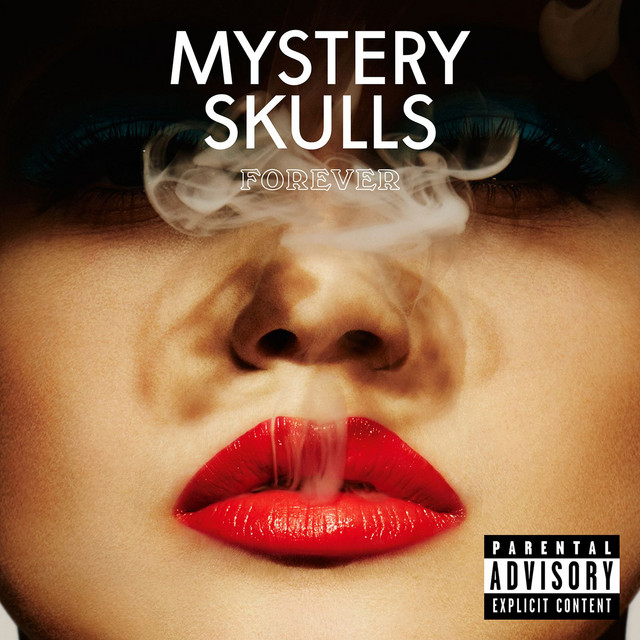
Forever
Mystery Skulls
Solipsynthm
Electronic
Pop
2014
3
/5
Forever
Mystery Skulls
Solipsynthm
Electronic
Pop
2014
1
/5
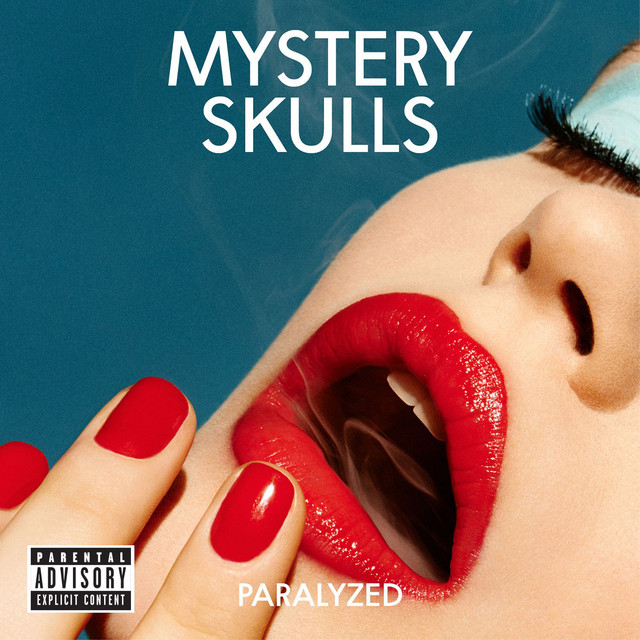
Paralyzed
Mystery Skulls
Solipsynthm
Electronic
2011
3
/5
EP
Mystery Skulls
Solipsynthm
Disco
Electro
Similar artists
4
/5
Depeche Mode
Synth-Pop
Electronic
Dance-Rock
2
/5
Young Ejecta
Solipsynthm
Synth-Pop
Electronic
1
/5
Various Artists
Afro-Funk
Alternative Rock
Ambient
5
/5
Gorillaz
Alternative Hip Hop
Electronic
Modern Rock
5
/5
Charli xcx
Hyperpop
Candy Pop
Art Pop
4
/5
New Order
Synth-Pop
Madchester
New Wave
3
/5
Ladytron
Synth-Pop
Alternative Dance
Electroclash
5
/5
The Chainsmokers
Pop
Electronic
Dance-Pop
3
/5
Gossip
Olympia Wa Indie
Queercore
Rock
5
/5
Paramore
Emo Pop
Candy Pop
Pixie
Download our mobile app
Get the Melodigging app and start digging for new genres on the go
Download on the App Store
Get it on Google Play
© 2026 Melodigging
Give feedback
Legal
Melodding was created as a tribute to
Every Noise at Once
, which inspired us to help curious minds keep digging into music's ever-evolving genres.