Genres
Artists
Albums
Make Music
Sign in
Sign in
Artists
Synth-Pop
Artists
Synth-Pop
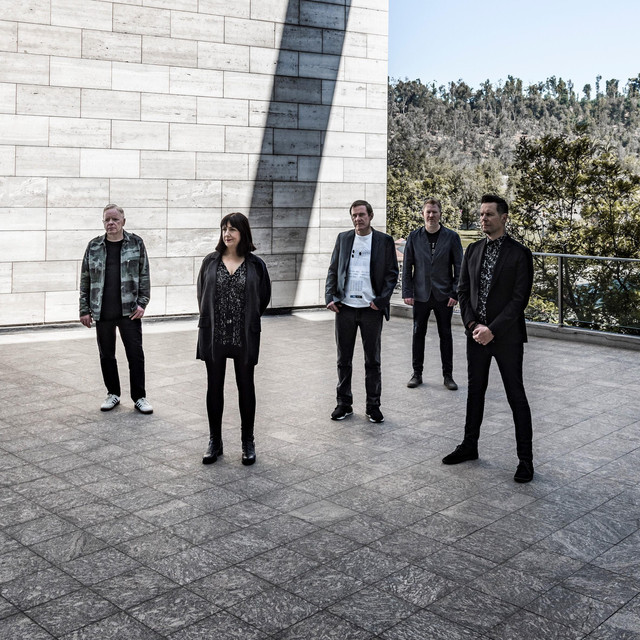
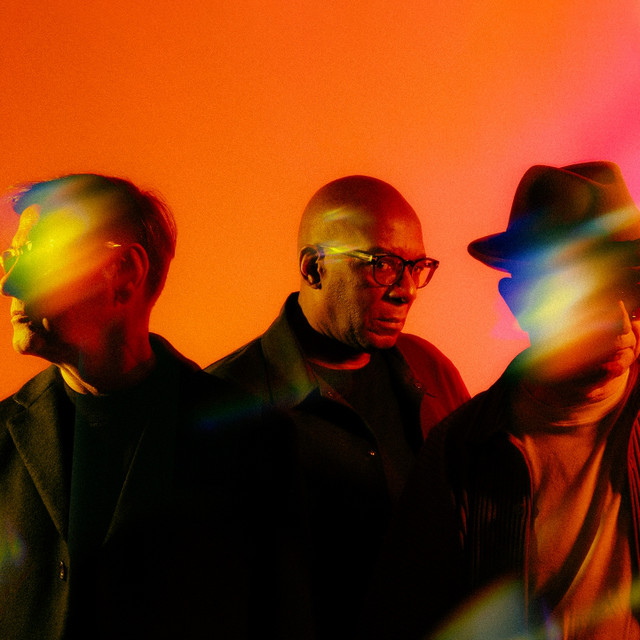
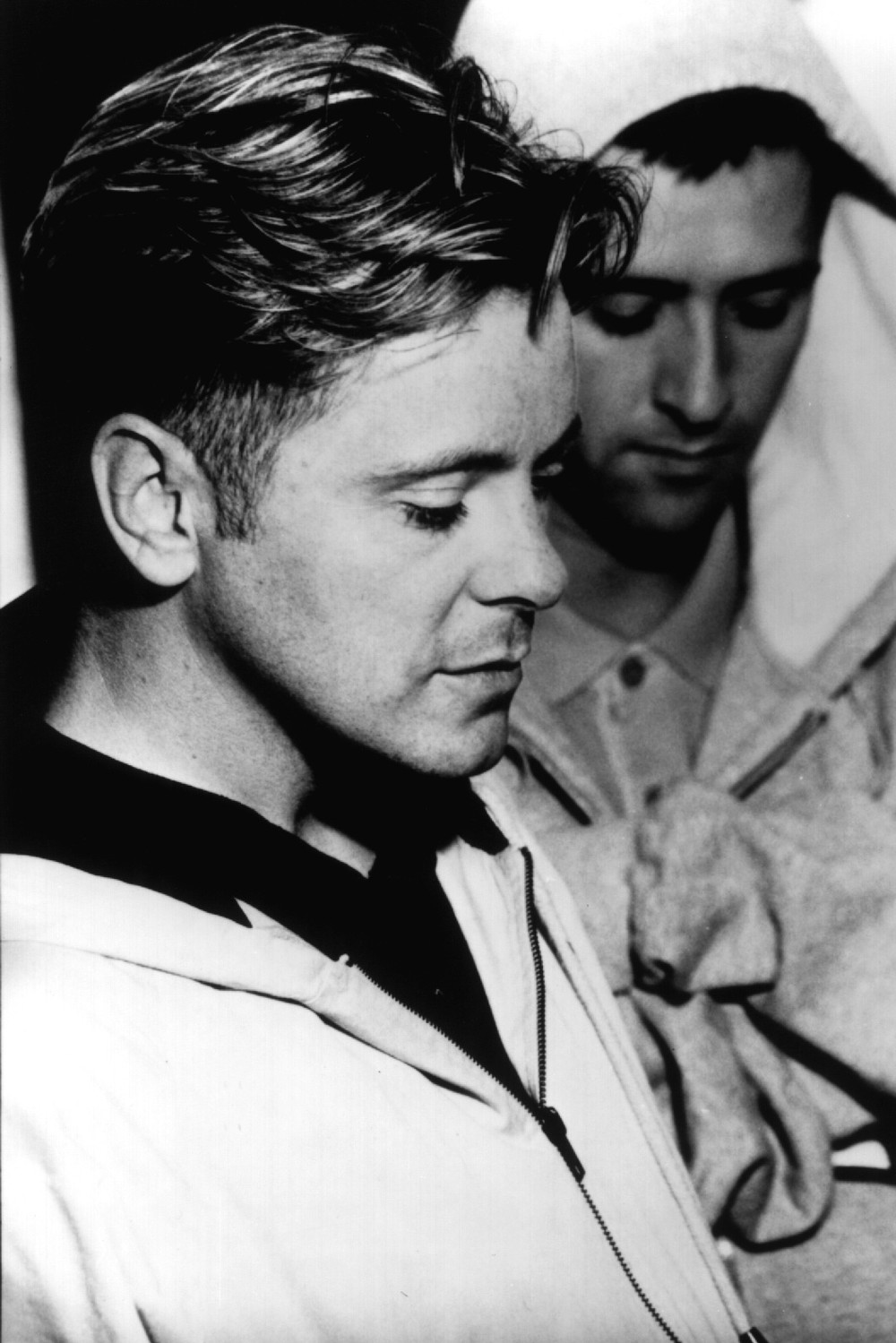
New Order
1983–1993
·
5 albums
Listen
4
/5
Genres
Chill Pop
Chill pop is a contemporary pop micro‑genre that blends radio‑friendly songwriting with the mellow textures of chillout and lo‑fi aesthetics. It favors soft vocals, smooth synths, clean guitar plucks, understated bass, and relaxed, mid‑tempo grooves. Instead of big, bombastic hooks, chill pop tends toward intimate, conversational melodies and minimal, airy arrangements. Production often borrows from bedroom pop and alternative R&B—subtle trap hi‑hats, warm saturation, roomy reverbs, and gentle side‑chain compression—to create a breezy, pastel sound palette well suited to playlists and late‑night listening. Lyrically, chill pop is introspective and relatable: romance, longing, gentle optimism, and coming‑of‑age themes delivered in a plain‑spoken, whisper‑close tone. The result sits between indie pop’s understated cool and mainstream pop’s catchy structures, optimized for the streaming era’s mood‑driven consumption.
Discover
Listen
Experimental Club Music
Experimental club music (often called post-club or deconstructed club) is a hybrid, avant‑garde approach to club production and performance that treats the dancefloor as a laboratory. It uses the grammar of contemporary club forms—heavy sub‑bass, kick patterns, samples, MC or chopped vocals—as raw material to be cut apart, collaged, and reassembled. Instead of four‑to‑the‑floor regularity, it favors asymmetry, abrupt contrasts, negative space, and extreme sound design drawn from noise, industrial, grime, ballroom/vogue, reggaeton, and internet culture. The result ranges from skeletal, percussive workouts to dense, cinematic soundscapes that can be as confrontational as they are cathartic. Just as importantly, the scene has been a site of diasporic, queer, and trans expression, where identity and politics are embedded in sonic choices and performance practice.
Discover
Listen
Flint Sound
Flint sound is a contemporary Michigan rap style centered in Flint, United States. It is characterized by fast, minimal, piano- or organ-led beats, dry and upfront vocals, and bar-by-bar “punch‑in” delivery that often rides slightly ahead of or behind the grid for a conversational, off‑kilter feel. The production typically favors bright piano loops, staccato 808 slides, crisp claps or rimshots, and sparse percussion, leaving plenty of space for relentless punchlines, gritty street reportage, and mischievous humor. While hard-edged and streetwise, the style frequently leans into charismatic personality and wit, making it both aggressive and infectious for dancing.
Discover
Listen
Indie Dream Pop
Indie dream pop blends the hazy, reverb-heavy atmospheres of classic dream pop with the songwriting sensibilities and DIY production ethos of indie music. Typical tracks feature soft, breathy vocals floating over lush guitar textures, analog-leaning synth pads, and understated drum grooves. The sound privileges mood and texture—chorus- and delay-washed guitars, shimmering synths, and gauzy reverbs—while keeping melodies tuneful and intimate. Compared with 1980s dream pop, the "indie" strand leans more on bedroom production, compact song forms, and approachable hooks. Lyrically, themes often center on memory, longing, youth, and small emotional details, delivered in a close-mic, confessional style. The overall aesthetic is nocturnal, nostalgic, and gently hypnotic.
Discover
Listen
Indie Pop Rap
Indie pop rap blends the melodic hooks and DIY aesthetic of indie pop with conversational, often introspective rap delivery. The production favors warm, guitar- or synth-led beats, understated drums, and lo‑fi textures over bombastic trap maximalism. Lyrically, it leans personal and relatable—relationships, coming of age, mental health, and day-to-day vignettes—delivered in a half-sung, half-rapped style. The sound was shaped by bedroom producers and the streaming era, where low-stakes, catchy songs with intimate vocals thrive on playlists and social media.
Discover
Listen
Indie Shoegaze
Indie shoegaze is a modern fusion of indie rock songcraft with the texture-heavy aesthetics of classic shoegaze. It keeps the haze: washed-out guitars drenched in reverb and delay, breathy or buried vocals, and a strong emphasis on atmosphere. Unlike the denser, sometimes overwhelming walls of sound in late-’80s/early-’90s shoegaze, indie shoegaze tends to prize clearer hooks, jangly patterns, and compact song forms. The result is a gauzy, melodic sound that feels intimate and contemporary while still dreamily saturated.
Discover
Listen
Modern Indie Folk
Modern indie folk is a 2010s-era evolution of indie folk that blends intimate, acoustic songwriting with contemporary production aesthetics. It keeps the core of folk—storytelling, fingerpicked guitars, and close-miked vocals—but expands the palette with ambient textures, chamber-style strings, subtle electronics, cinematic reverb, and spacious, headphone-first mixes. The result is a sound that feels both handcrafted and atmospheric: confessional lyrics carried by hushed deliveries, layered harmonies, and warm analog or tape-like saturation, often moving between 4/4 and swaying 6/8/12/8 meters. At its center are themes of memory, nature, relationships, and quiet self-reckoning, expressed through vivid imagery and minimalist arrangements that bloom into emotive crescendos.
Discover
Listen
Shimmer Psych
Shimmer psych is a contemporary strand of neo‑psychedelia that pairs sparkling, chorus‑washed guitars and gauzy vocal harmonies with dreamy pop songcraft. It emphasizes high‑end "shimmer," tape‑soft saturation, hypnagogic textures, and melodic hooks, sitting between dream pop, jangle pop, and classic psychedelic rock. Typical tracks are mid‑tempo, built on warm bass lines, gentle motorik or laid‑back breakbeats, and drenched in reverb, phaser, and delay. The result is sun‑bleached, nostalgic, and kaleidoscopic rather than heavy or jam‑oriented.
Discover
Listen
Tech-Noir
Tech-noir is a musical subgenre and aesthetic within the synthwave and darksynth scenes, characterized by a dark, cinematic, and dystopian atmosphere. It draws heavy inspiration from 1980s science fiction and neo-noir films, blending retro-futuristic synthesizer melodies with driving basslines and industrial elements. The music often incorporates narrative storytelling, spoken word samples, and soundscapes that evoke a sense of urban decay, high-tech menace, and cynical romance.
Discover
Listen
Popwave
Popwave is a song‑forward branch of synthwave that fuses glossy 1980s pop aesthetics with contemporary electronic production. Where classic synthwave often favors instrumental, cinematic moods, popwave puts vocals and hooks at the center: big choruses, radio‑ready structures, and emotive lyrics about youth, night drives, neon‑lit romance, and bittersweet nostalgia. Sonically it leans on analog‑styled polysynths, driving eighth‑note basslines, gated‑reverb drums, shimmering guitars, and frequent sax or lead‑guitar cameos—yet it’s mixed and mastered to modern pop standards. The result is a style that feels simultaneously retro and current: the color and optimism of 80s chart pop, filtered through the songwriting discipline of today’s electropop and the sound design DNA of synthwave.
Discover
Listen
Beats
Beats is a loose, producer-driven category for rhythm-forward instrumentals built around hip‑hop drum patterns without necessarily being rap songs or featuring vocals. It functions as an umbrella for stock, "type," and backing tracks used by rappers, singers, streamers, and content creators, spanning boom‑bap swing to trap hi‑hat grids and R&B‑leaning grooves. On streaming platforms it often appears as standalone instrumentals packaged by tempo, mood, or artist style (e.g., “trap type beat,” “R&B instrumental,” “club beat”), prioritizing portability and utility over artist identity. While rooted in hip‑hop production aesthetics—kicks, snares, 808s, chopped samples—Beats blends downtempo, electronic, and contemporary R&B sensibilities, aiming for clarity, loopability, and immediate vibe.
Discover
Listen
Classify
Classify is a streaming-era microgenre that blends light classical technique with contemporary pop repertoire, typically presented as unobtrusive instrumental covers. It prioritizes soft dynamics, gentle tempos, and intimate recording to create a calm, elegant backdrop suitable for studying, working, or events. Most arrangements are for solo piano, string quartet, cello/piano duos, or small chamber ensembles. Harmonies remain diatonic and consonant, melodies are clearly voiced, and textures favor arpeggios, ostinati, and sustained legato lines. The overall aesthetic borrows from modern classical and new age moods while retaining the familiarity of pop song forms.
Discover
Listen
J-Division
J-division is a contemporary Japanese media‑mix pop and hip‑hop scene centered on “2.5D” idol projects and voice‑actor (seiyu) character units. Songs are typically credited to fictional characters and performed by their voice actors, fusing glossy J‑pop with EDM drops, trap‑influenced beats, and anison (anime song) theatricality. The “division” idea reflects franchise formats that pit city‑ or team‑based units against one another in story‑driven releases, live events, and stage productions. The sound ranges from bright, dance‑floor J‑pop to cypher‑style rap tracks, often featuring tightly choreographed hooks, stacked harmonies, dramatic key changes, and narrative lyrics that extend a franchise’s worldbuilding.
Discover
Listen
Modern Goth
Modern goth is a contemporary evolution of the original goth and darkwave aesthetics, blending post-punk basslines, reverb-drenched guitars, and analog synth textures with current production practices. It favors minor-key harmonies, baritone or breathy vocals, and skeletal drum-machine patterns that evoke a cinematic, nocturnal mood. Compared with 1980s forebears, modern goth leans more heavily on synthesizers, EBM-adjacent grooves, and minimalist arrangements, often shaped by DIY, modular, and bedroom-production workflows. The result is a sound that is dancefloor-friendly yet introspective, simultaneously cold, romantic, and starkly modern.
Discover
Listen
Wave
Wave is an internet-born electronic genre that emerged in the mid‑2010s, blending half‑time trap rhythms with ambient pads, emotive minor‑key harmony, and dubstep-informed sound design. It favors atmosphere and mood over maximal aggression, often pairing wide, reverb‑washed textures with weighty 808 subs and sparse melodic leads. Tracks typically sit around 120–140 BPM with a half‑time feel (60–70 BPM perceived), featuring crisp hi‑hat flicks, roomy snares on beat three, and long, cinematic builds and breakdowns. Vocals, when present, tend to be ethereal phrases or chopped one‑shots used as textures rather than full verses. While rooted in online communities and labels/collectives, Wave gradually crossed over to physical club spaces, maintaining a balance between headphone introspection and dancefloor momentum.
Discover
Listen
Retro Pop
Retro pop is contemporary pop music that deliberately evokes the sound, songwriting, and studio aesthetics of earlier eras—most commonly the late 1970s and 1980s, but also the 1960s girl‑group era, 1970s disco, soft rock, and early 1990s pop-R&B. Hallmarks include analog-leaning synth textures, danceable four-on-the-floor or funky backbeats, prominent basslines, glossy chorus-heavy guitars, gated-reverb drums, stacked background vocals, and big, unforgettable hooks. While its palette looks backward, retro pop uses modern production workflows—tight low-end, streaming-friendly loudness, and contemporary vocal processing—so it feels nostalgic yet current. Lyrically, retro pop often pairs timeless pop themes (romance, yearning, nightlife, bittersweet memories) with sleek, neon-tinged imagery and cinematic nostalgia, bridging classic pop sensibilities with today’s chart expectations.
Discover
Listen
Madchester
Madchester is a late-1980s Manchester music scene and sound that fused jangly indie/alternative rock with acid house, funk, and psychedelic influences. It emphasized danceable grooves, repetitive basslines, baggy drum feels, and anthemic, chant-like choruses. More than a sonic palette, Madchester was a cultural moment centered around Factory Records, the Haçienda nightclub, and a hedonistic rave-meets-guitar-pop aesthetic. Its artists bridged club culture and indie rock, popularizing house-derived rhythms and ecstatic, communal live energy within a band format.
Discover
Listen
Alternative Dance
Alternative dance blends the textures and songwriting of alternative rock and post‑punk with club‑oriented rhythms and production. Born in the UK at the cusp of the late 1980s “Second Summer of Love,” it embraced house/acid house grooves, sequenced bass lines, and sampling while keeping indie sensibilities, guitars, and song structures. The result is music that works on a dancefloor but still reads like an alternative single. Typical hallmarks include four‑on‑the‑floor or breakbeat drums, jangly or funky guitars, prominent bass (often synth), euphoric pads, and hook‑forward vocals. Landmark albums like New Order’s Technique and Primal Scream’s Screamadelica helped define its palette and ethos.
Discover
Listen
Synth-Pop
Synth-pop is a pop-oriented style that foregrounds the synthesizer as its primary instrument, often paired with drum machines and sequencers. It favors clean, melodic hooks, concise song structures, and a sleek, modernist sound that ranges from cool and minimal to lush and romantic. Emerging at the turn of the 1980s from the UK new wave and post-punk scenes, synth-pop leveraged affordable analog and then digital keyboards to bring electronic textures into the mainstream. Its sonic palette includes arpeggiated basslines, shimmering pads, bright leads, gated or machine-driven drums, and polished vocals that convey both futuristic detachment and emotional immediacy.
Discover
Listen
New Wave
New wave is a broad, pop-oriented umbrella for styles that emerged in the mid-to-late 1970s as a sleeker, more melodic outgrowth of punk culture. Initially, the term varied by region: in the United States it was first used by critics and labels (famously Sire Records’ “Don’t Call It Punk” campaign in 1977) to rebrand punk-associated artists with more radio-friendly aesthetics; in the United Kingdom it encompassed a wider constellation of fresh, stylish post-punk-era sounds. Over time, “new wave” became a catch‑all for hooky guitar pop, synth-driven songs, danceable rhythms, and modernist production sensibilities. Sonically, it blends tight, upbeat rhythms (often disco- and reggae-informed), clean chorus/flanger guitars, prominent synthesizers, and concise, hook-led songwriting. Its visual identity—sharp suits, futurist imagery, and fashion-forward presentation—was integral, aligning with the rise of music television and emphasizing art-school wit, irony, and modern urban themes.
Discover
Listen
Post-Punk
Post-punk is a broadly experimental strain of rock that emerged in the late 1970s as artists sought to push beyond the speed, simplicity, and orthodoxy of first-wave punk. It typically features angular, bass-forward grooves; jagged or minimal guitar lines; stark, spacious production; and an openness to dub, funk, electronic, and avant-garde ideas. Lyrics often examine alienation, urban decay, politics, and the inner life with artful or abstract delivery. A studio-as-instrument approach, emphasis on rhythm section interplay, and an appetite for non-rock textures (tape effects, drum machines, found sound, synths) distinguish the style. The result can be danceable yet tense, cerebral yet visceral, and emotionally restrained yet intensely expressive.
Discover
Listen
Dance
Dance (as a broad, mainstream club- and radio-oriented style) is pop-leaning music designed primarily for dancing, characterized by steady, driving beats, catchy hooks, and production that translates well to nightclubs and large sound systems. It emerged after disco, blending four-on-the-floor rhythms with electronic instrumentation and pop songwriting, and it continually absorbs elements from house, techno, Hi-NRG, synth-pop, and later EDM. Tempos commonly fall between 110–130 BPM, vocals often emphasize memorable choruses, and arrangements are structured for both club mixing and mass appeal.
Discover
Listen
Pop
Pop is a broad, hook-driven style of popular music designed for wide appeal. It emphasizes memorable melodies, concise song structures, polished vocals, and production intended for radio, charts, and mass media. While pop continually absorbs elements from other styles, its core remains singable choruses, accessible harmonies, and rhythmic clarity. Typical forms include verse–pre-chorus–chorus, frequent use of bridges and middle-eights, and ear-catching intros and outros. Pop is not defined by a single instrumentation. It flexibly incorporates acoustic and electric instruments, drum machines, synthesizers, and increasingly digital production techniques, always in service of the song and the hook.
Discover
Listen
Electronic
Electronic is a broad umbrella genre defined by the primary use of electronically generated or electronically processed sound. It encompasses music made with synthesizers, drum machines, samplers, computers, and studio/tape techniques, as well as electroacoustic manipulation of recorded or synthetic sources. The genre ranges from academic and experimental traditions to popular and dance-oriented forms. While its sonic palette is rooted in electricity and circuitry, its aesthetics span minimal and textural explorations, structured song forms, and beat-driven club permutations. Electronic emphasizes sound design, timbre, and studio-as-instrument practices as much as melody and harmony.
Discover
Listen
Show all 24 genres
Albums
1993
3
/5
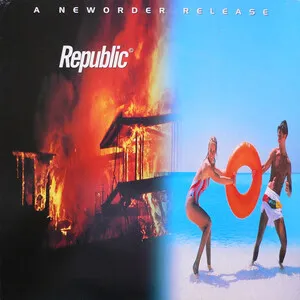
Republic
New Order
Madchester
1989
3
/5
Technique
New Order
Madchester
Alternative Dance
Synth-Pop
1986
4
/5
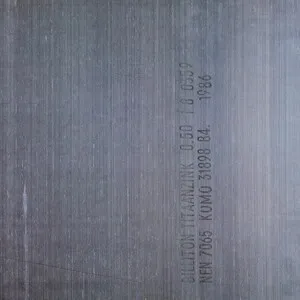
Brotherhood
New Order
Alternative Dance
Electronic
Pop
1985
3
/5
Low-Life
New Order
Alternative Dance
Synth-Pop
New Wave
1983
4
/5
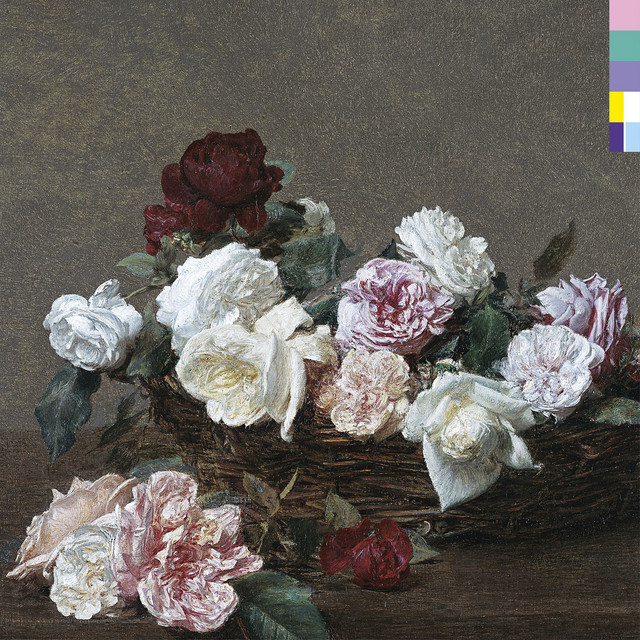
Power, Corruption & Lies
New Order
New Wave
Synth-Pop
Post-Punk
Similar artists
1
/5
Various Artists
Afro-Funk
Alternative Rock
Ambient
2
/5
A Certain Ratio
Madchester
Alternative Dance
New Wave
3
/5
Electronic
Alternative Dance
Britpop
Madchester
4
/5
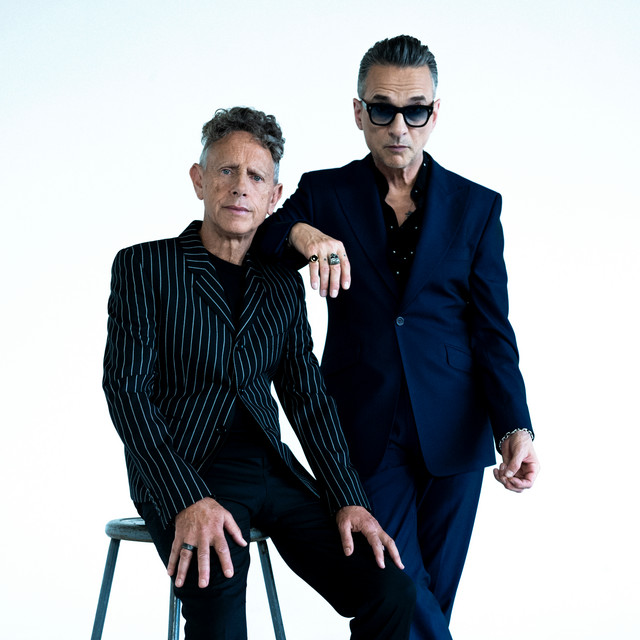
Depeche Mode
Synth-Pop
Electronic
Dance-Rock
4
/5
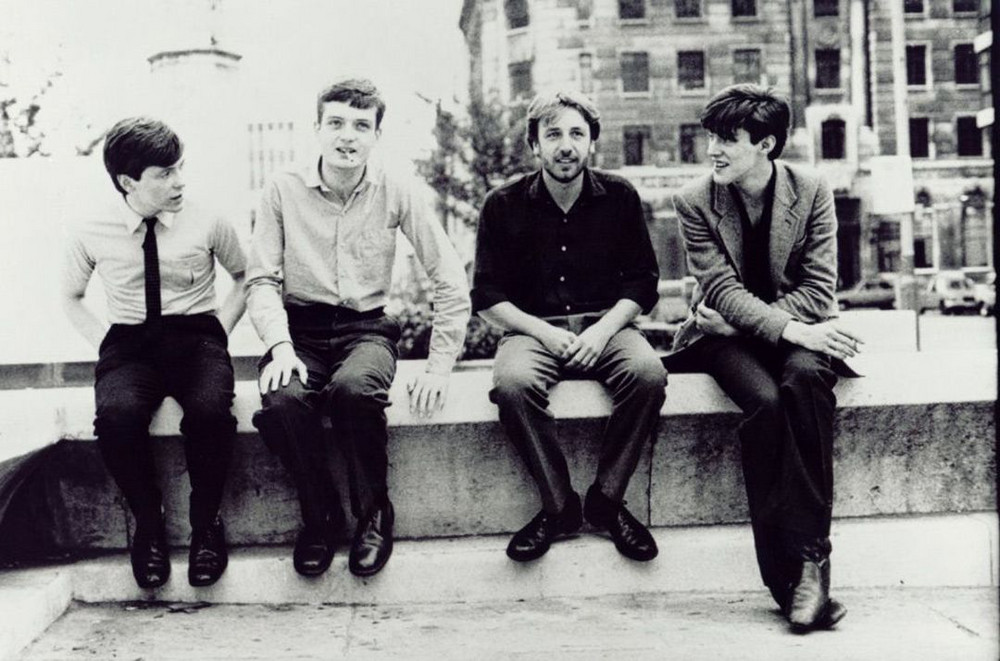
Joy Division
Gothic Rock
Post-Punk
Madchester
5
/5
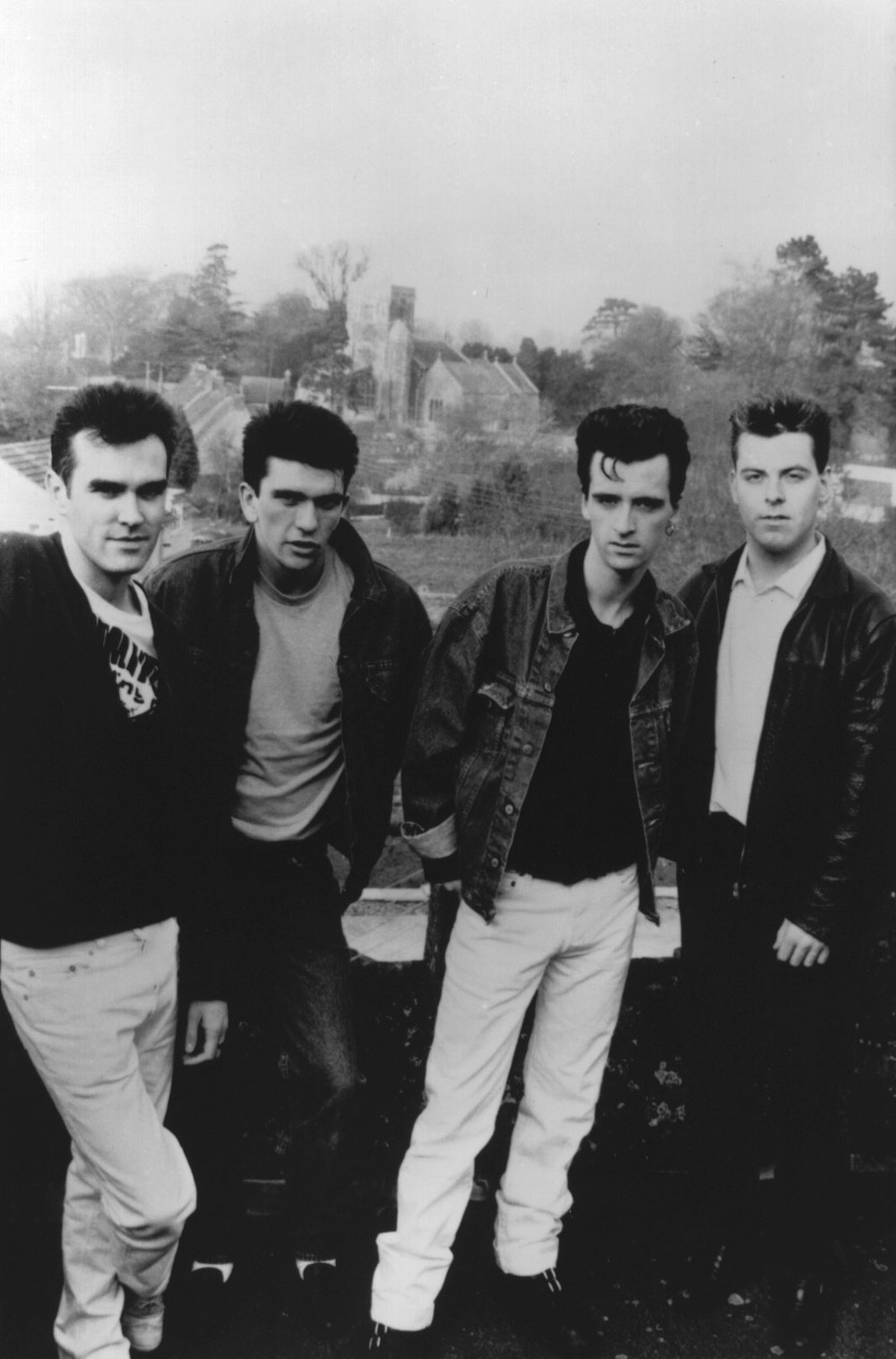
The Smiths
Jangle Pop
Madchester
New Wave
5
/5
The Cure
Gothic Rock
Post-Punk
New Wave
3
/5
The Fall
Post-Punk
New Wave
Rock
3
/5
Japan
New Wave
Synth-Pop
New Pop
2
/5
Magazine
Art Punk
New Wave
Post-Punk
Download our mobile app
Get the Melodigging app and start digging for new genres on the go
Download on the App Store
Get it on Google Play
© 2026 Melodigging
Give feedback
Legal
Melodding was created as a tribute to
Every Noise at Once
, which inspired us to help curious minds keep digging into music's ever-evolving genres.