Genres
Artists
Albums
Make Music
Sign in
Sign in
Artists
Classical
Artists
Classical
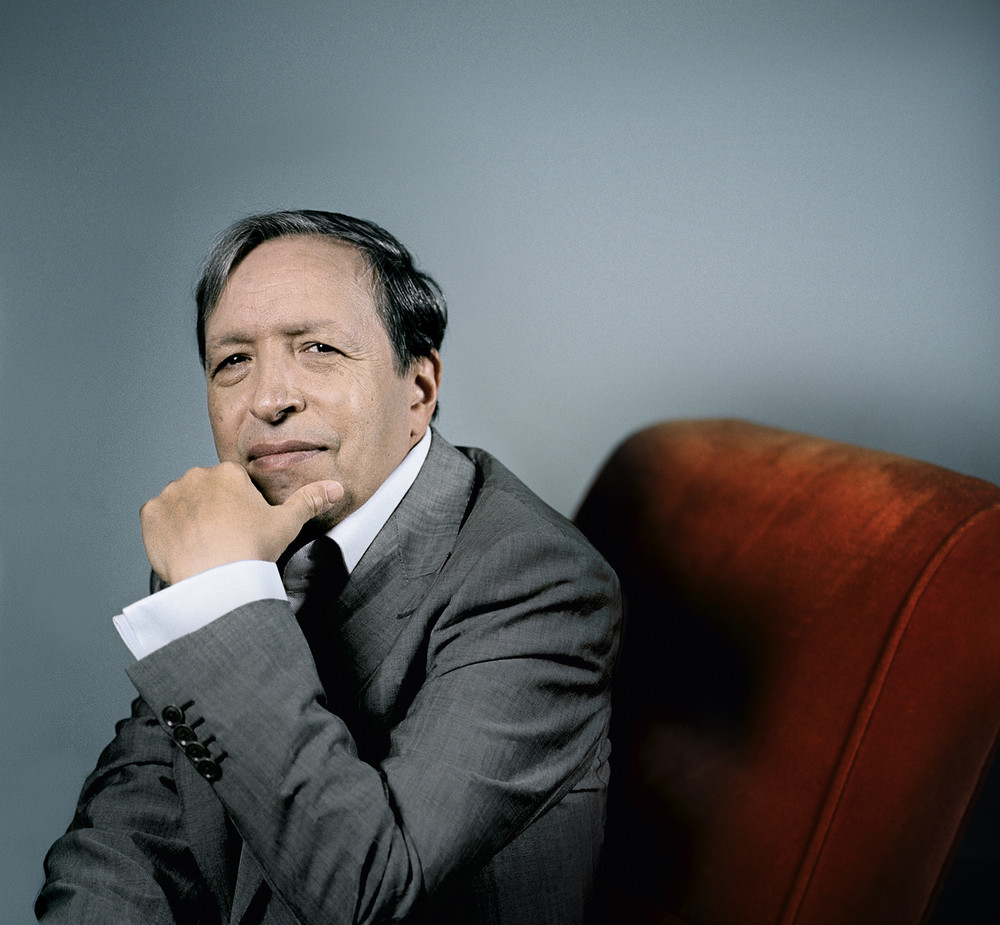
Murray Perahia
1984–2002
·
2 albums
Listen
3
/5
Genres
Pet Calming
Pet calming is a functional micro‑genre designed to reduce stress and arousal in companion animals—primarily dogs and cats—during triggering situations such as owner absence, fireworks, vet visits, thunderstorms, or travel. Musically it favors very slow tempos, sparse arrangements, soft timbres (piano, pads, gentle strings, warm guitars), long sustains, smooth envelopes, and stable, consonant harmonies. Dynamics are kept narrow and transients are tamed to avoid startle responses. Many releases add gentle environmental ambiences (rain, ocean, rustling leaves) or unobtrusive pink/white‑noise beds to mask external sounds. Structures are highly repetitive with gradual variation so the soundscape feels predictable and safe. While aimed at non‑human listeners, the genre is informed by animal‑behavior findings (e.g., predictable low‑arousal sound reduces stress) and by human relaxation idioms (ambient, new age, lullaby). It is commonly delivered as long‑form, streaming‑friendly content that owners can loop for hours.
Discover
Listen
Impromptu
An impromptu is a short Romantic-era character piece—most often for solo piano—designed to sound spontaneous and improvisatory. While the music gives the impression of free invention, it typically follows clear small forms (often ternary ABA or a rounded binary) and balances lyrical melody with ornamental figuration. Impromptus tend to feature cantabile right-hand lines, flowing arpeggiation, rich Romantic harmony, and flexible rubato, making them popular salon pieces and concert encores.
Discover
Listen
Étude
An étude is a short solo instrumental piece, most commonly for piano, designed to develop a specific technical skill while also standing as a musically satisfying work. Emerging in the early 19th century from pedagogical "studies," the concert étude transformed drill-like patterns (arpeggios, octaves, double notes, leaps, rapid scales, polyrhythms) into expressive miniatures suitable for the stage. Typical études are through-composed or ternary in shape, last a few minutes, and center on a single technical focus that is woven into the musical fabric. Although most associated with the piano, the étude tradition extends to violin, winds, brass, and other instruments, where sets of studies target instrument-specific techniques. Over time the genre has ranged from classical tonality (Czerny, Chopin) to late-Romantic and modern harmonic languages (Rachmaninoff, Scriabin, Debussy) and into avant-garde textures and extended techniques (Ligeti).
Discover
Listen
Classical Piano
Classical piano is the tradition of composing and performing music for the acoustic piano within the Western classical lineage. It emphasizes formal clarity, tonal harmony, contrapuntal writing, and expressive nuance across the full compass of the instrument. Its core repertoire ranges from Classical-era sonatas and variations to Romantic character pieces, études, dances, and 20th-century impressionistic and modernist works. Pianists exploit dynamics, articulation, pedaling, and touch to shape phrases, imitate orchestral textures, and project both intimate lyricism and large-scale drama.
Discover
Listen
Classical Performance
Classical performance refers to the interpretive tradition of presenting Western classical repertoire in concert and studio settings. Rather than defining a compositional style, it describes how ensembles and soloists realize written scores through technique, tone, phrasing, and stylistic choices across eras from Baroque to contemporary. It centers on fidelity to the score and historically informed practice, while allowing space for interpretive nuance such as tempo flexibility, articulation, and dynamic shading. Typical forces include soloists, chamber groups, choirs, and orchestras performing in acoustically resonant venues or purpose-built studios, captured by production teams specialized in naturalistic sound.
Discover
Listen
Classical
Classical music is the notated art-music tradition of Europe and its global descendants, characterized by durable forms, carefully codified harmony and counterpoint, and a literate score-based practice. The term “classical” can refer broadly to the entire Western art-music lineage from the Medieval era to today, not just the Classical period (c. 1750s–1820s). It privileges long-form structures (such as symphonies, sonatas, concertos, masses, and operas), functional or modal harmony, thematic development, and timbral nuance across ensembles ranging from solo instruments to full orchestras and choirs. Across centuries, the style evolved from chant and modal polyphony to tonal harmony, and later to post-tonal idioms, while maintaining a shared emphasis on written notation, performance practice, and craft.
Discover
Listen
Western Classical
Western classical is the notated art-music tradition that developed in Europe from medieval Christian chant into the large-scale secular and sacred forms of the Baroque, Classical, Romantic, and modern eras. It is characterized by staff notation, evolving systems of modality and tonality, and forms such as symphony, sonata, concerto, mass, opera, and chamber music. Across its history, Western classical established an extensive theory of harmony and counterpoint, refined orchestration across strings, winds, brass, and percussion, and cultivated performance practices from a cappella chant to full symphonic and operatic forces. Its repertoire, pedagogy, and institutions (conservatories, orchestras, opera houses) made it a global reference point for compositional craft and instrumental technique.
Discover
Listen
Show all 7 genres
Albums
2002
3
/5
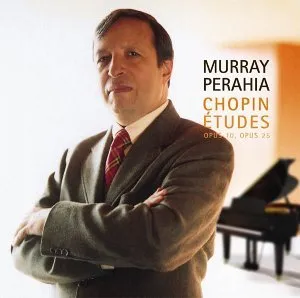
Études: Opus 10, Opus 25
Frédéric Chopin / Murray Perahia
Étude
1984
2
/5
Impromptus D 899 & D 935
Franz Schubert / Murray Perahia
Impromptu
Classical
Similar artists
4
/5
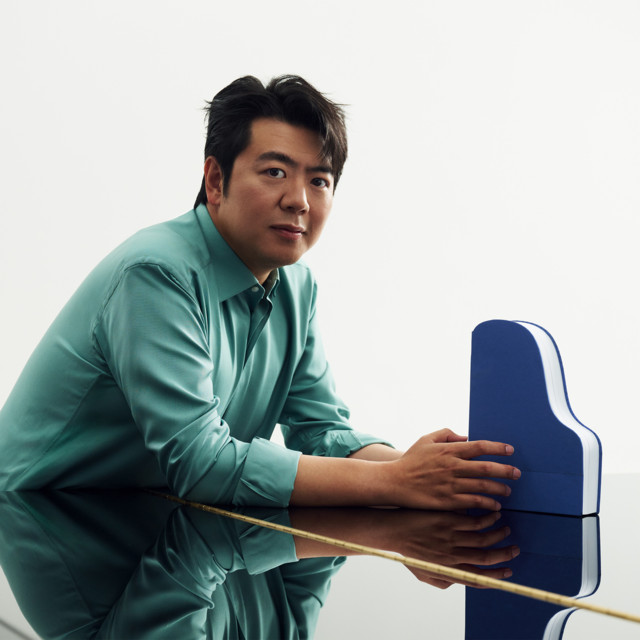
Lang Lang
Chinese Classical Performance
Classical Performance
Classical
4
/5
Wolfgang Amadeus Mozart
Classical
Requiem
Classical Period
4
/5
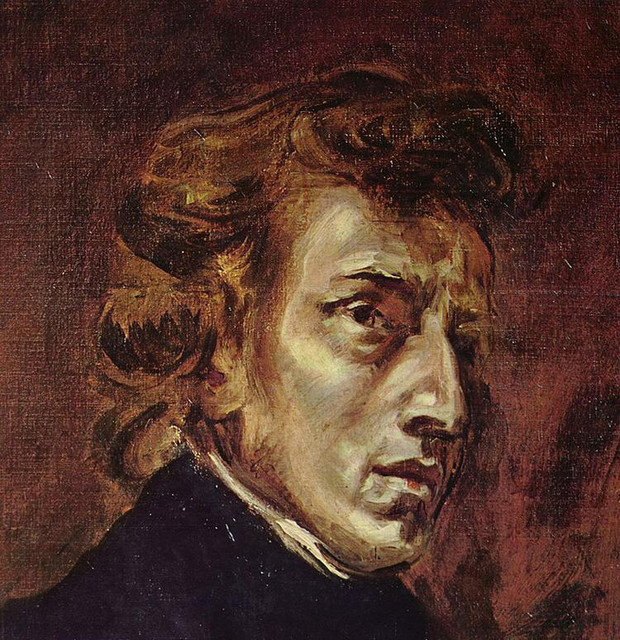
Frédéric Chopin
Classical
Character Piece
Nocturne
4
/5
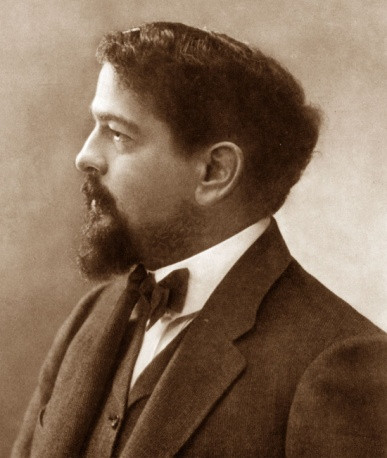
Claude Debussy
Impressionism
Classical
Classical Piano
4
/5
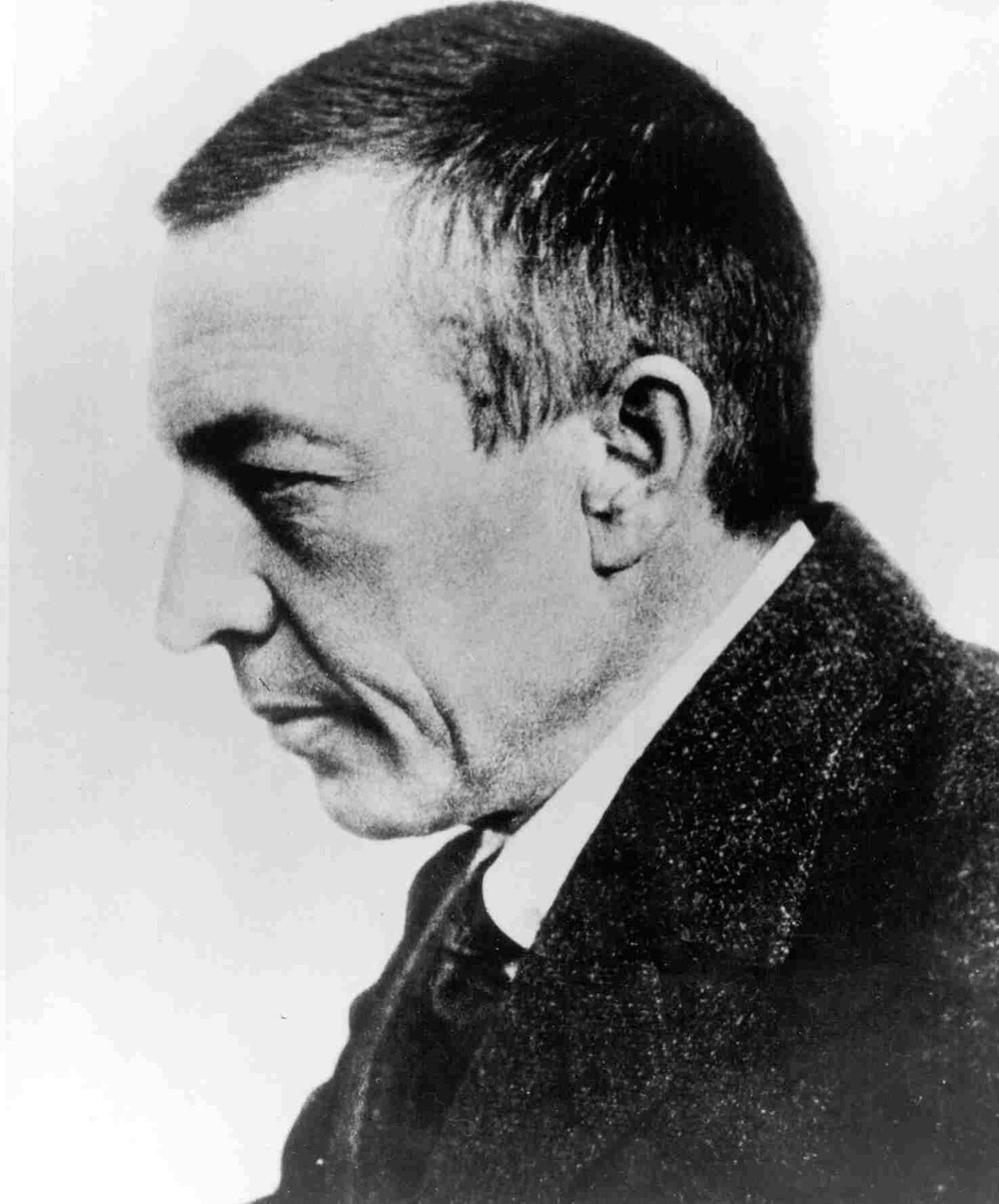
Sergei Rachmaninoff
Classical
Moscow School
Choral Concerto
4
/5
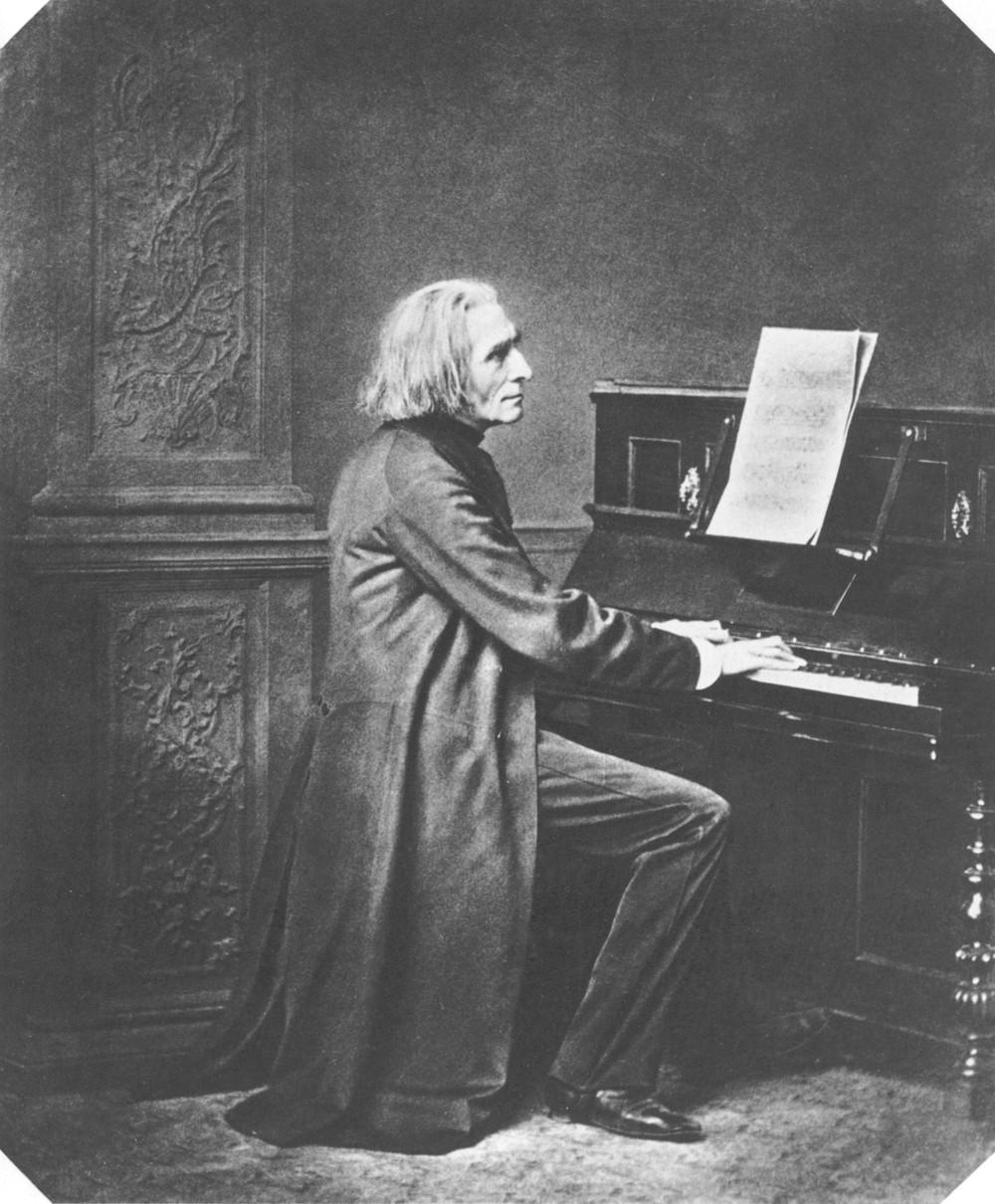
Franz Liszt
New German School
Classical
Classical Piano
4
/5
Johann Sebastian Bach
Baroque
Classical
Baroque Suite
4
/5
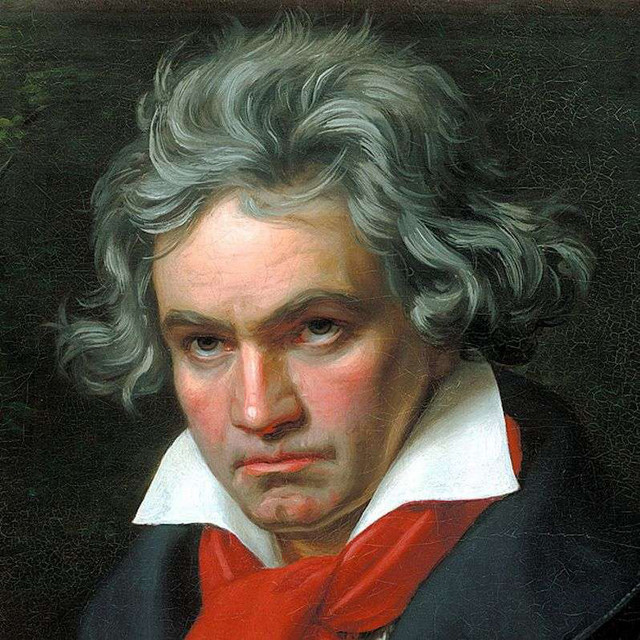
Ludwig van Beethoven
Classical
Classical Period
Romantic Classical
4
/5
Academy of St. Martin in the Fields
Classical
Classical Performance
Baroque
4
/5
Erik Satie
Impressionism
Classical
Neoclassicism
Download our mobile app
Get the Melodigging app and start digging for new genres on the go
Download on the App Store
Get it on Google Play
© 2026 Melodigging
Give feedback
Legal
Melodding was created as a tribute to
Every Noise at Once
, which inspired us to help curious minds keep digging into music's ever-evolving genres.