Genres
Artists
Albums
Make Music
Sign in
Sign in
Artists
Exotica
Artists
Exotica
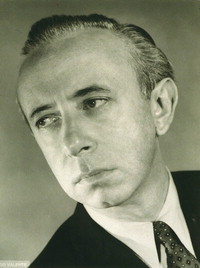
Morton Gould
1 album
Listen
2
/5
Genres
Exotica
Exotica is a mid‑century style of mood music that blends jazz harmony, easy‑listening orchestration, and a collage of global percussion and timbral signifiers meant to evoke imaginary tropical, Polynesian, Asian, African, and Latin locales. Characterized by vibraphone and marimba leads, lush strings, woodwinds, wordless vocals, bird calls, gongs, and abundant reverberation, it creates a cinematic “armchair travel” experience. Rather than documenting specific traditions, exotica assembles stylized sound cues—Afro‑Cuban grooves, Polynesian drum patterns, pentatonic and whole‑tone colors—into atmospheric mini‑dramas. The genre flourished alongside postwar tiki culture and hi‑fi/stereo demonstrations, prioritizing vivid spatial staging and evocative orchestration over virtuoso soloing.
Discover
Listen
March
A march is a musical genre and form designed to accompany orderly movement, most commonly military processions, parades, and ceremonial events. It is typically in duple meter (2/4 or 4/4) or compound duple (6/8), with a steady tempo that supports synchronized stepping. Classical and concert marches evolved a characteristic multi-strain structure: an introduction, two strains, a key-changing trio, a break strain ("dogfight"), and a final strain, often with a strong cadential "stinger." Instrumentation centers on winds and percussion—brass, woodwinds, snare and bass drums, and cymbals—producing a bright, projecting sonority suitable for outdoor performance. While the style is pan-European in origin, the late-19th- and early-20th-century "golden age" of the American march, led by John Philip Sousa, codified the concert march’s form, orchestration, and performance practice, influencing wind band music worldwide.
Discover
Listen
Classical
Classical music is the notated art-music tradition of Europe and its global descendants, characterized by durable forms, carefully codified harmony and counterpoint, and a literate score-based practice. The term “classical” can refer broadly to the entire Western art-music lineage from the Medieval era to today, not just the Classical period (c. 1750s–1820s). It privileges long-form structures (such as symphonies, sonatas, concertos, masses, and operas), functional or modal harmony, thematic development, and timbral nuance across ensembles ranging from solo instruments to full orchestras and choirs. Across centuries, the style evolved from chant and modal polyphony to tonal harmony, and later to post-tonal idioms, while maintaining a shared emphasis on written notation, performance practice, and craft.
Discover
Listen
Albums
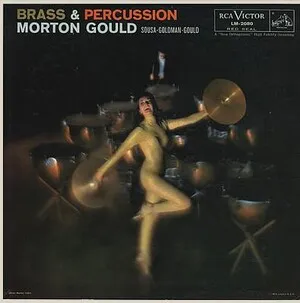
Brass and Percussion
Morton Gould
March
Similar artists
3
/5
Stanley Black
Light Music
Classical
Exotica
2
/5
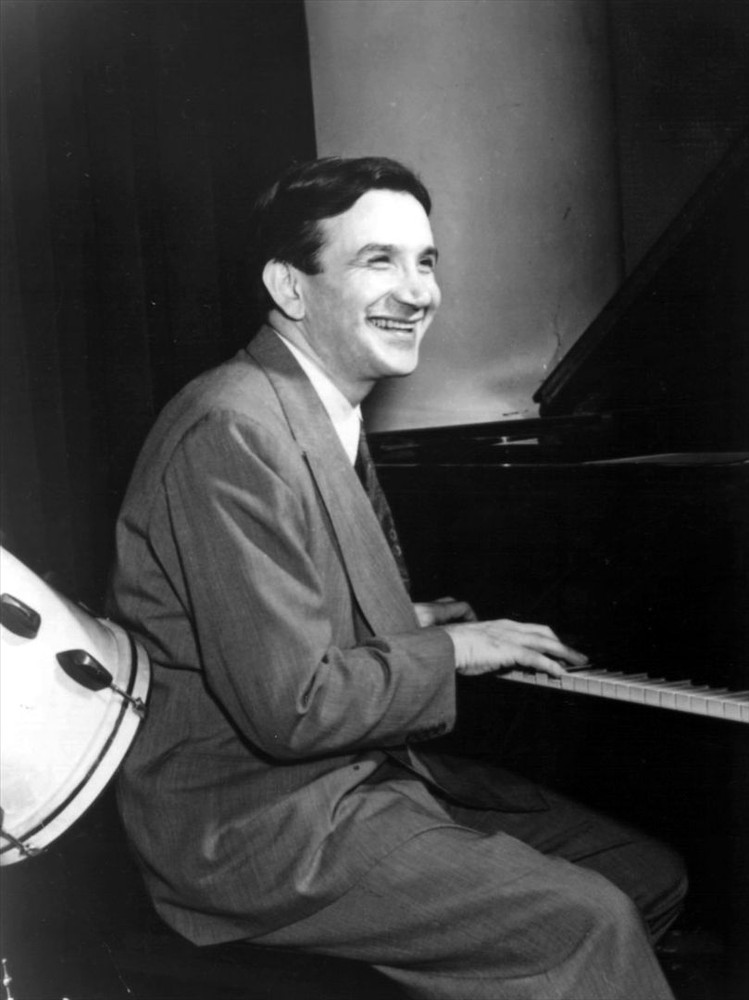
Raymond Scott
Acousmatic
Electronic
Children's Music
1
/5
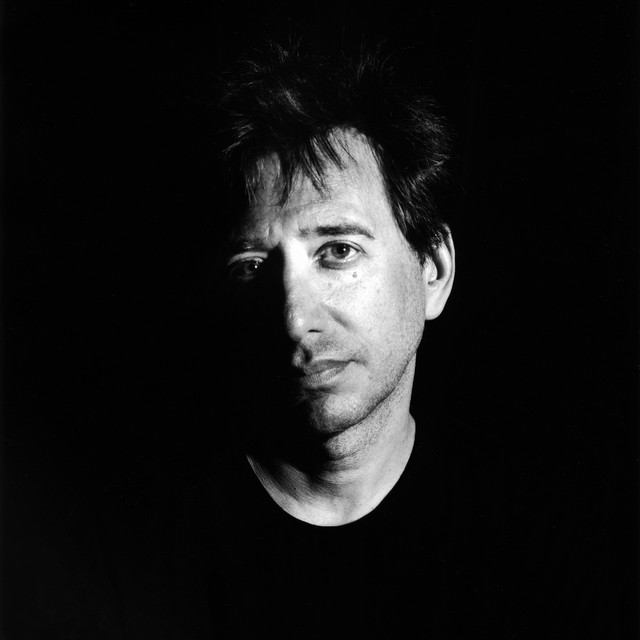
John Zorn
Avant-Garde Jazz
Free Improvisation
Jazz
1
/5
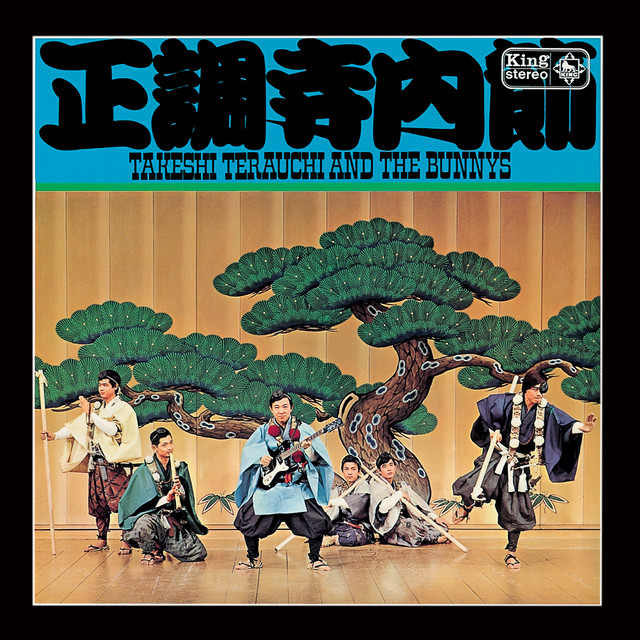
寺内タケシとバニーズ
Surf Rock
Eleki
Drone Metal
4
/5
Academy of St. Martin in the Fields
Classical
Classical Performance
Baroque
3
/5
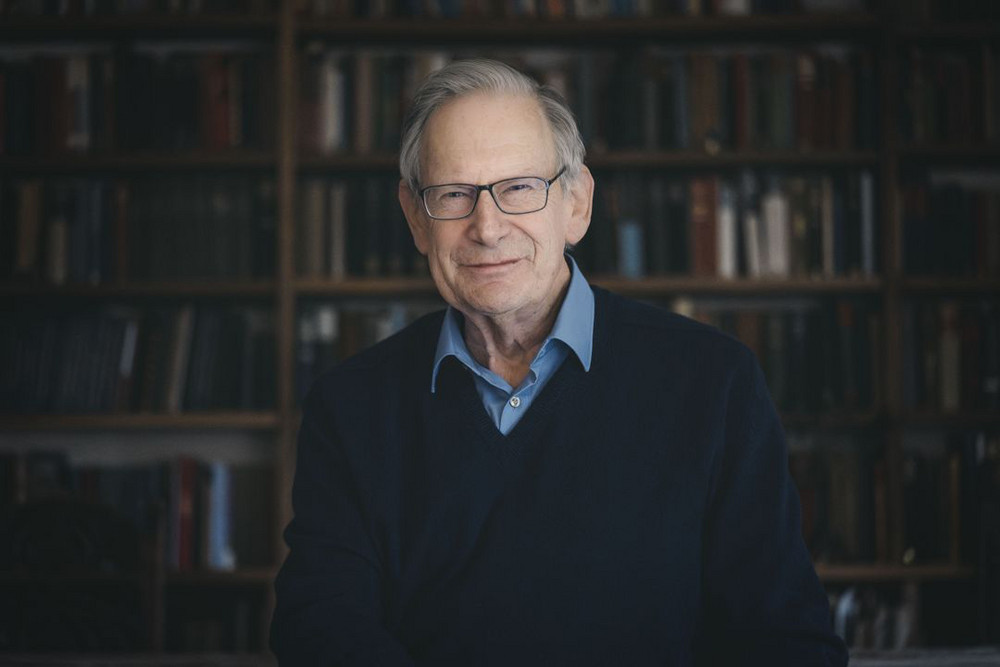
John Eliot Gardiner
Classical
Choral
Requiem
3
/5
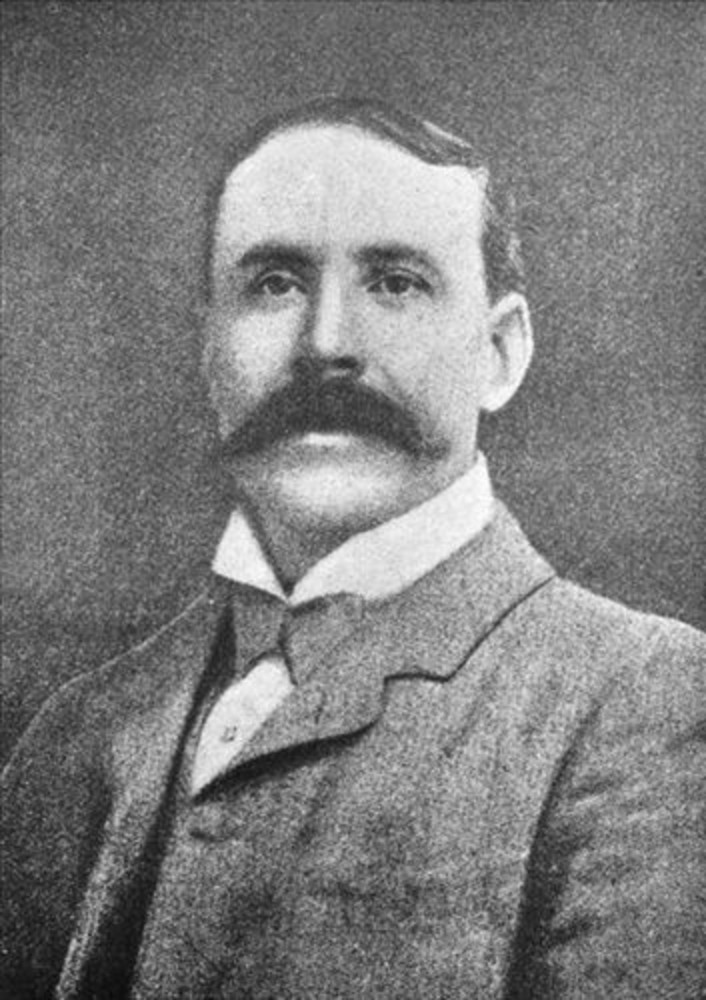
Edward Elgar
Classical
Deep Soundtrack
Pet Calming
3
/5
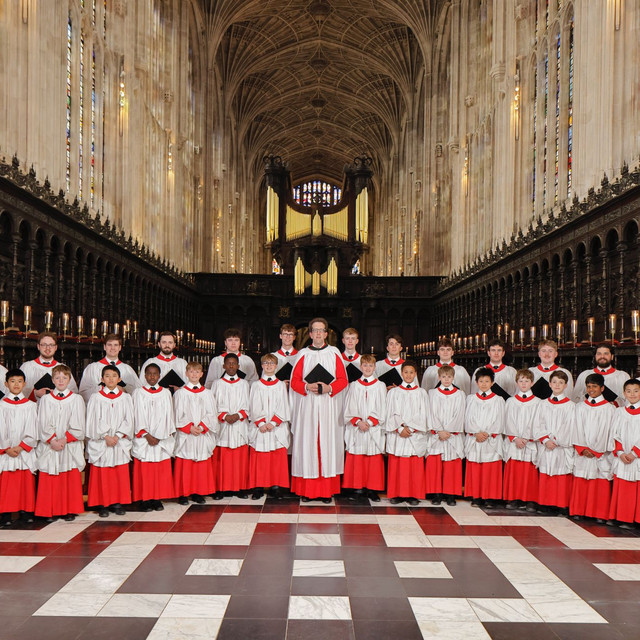
Choir of King's College, Cambridge
Requiem
Choral
Christmas Music
3
/5
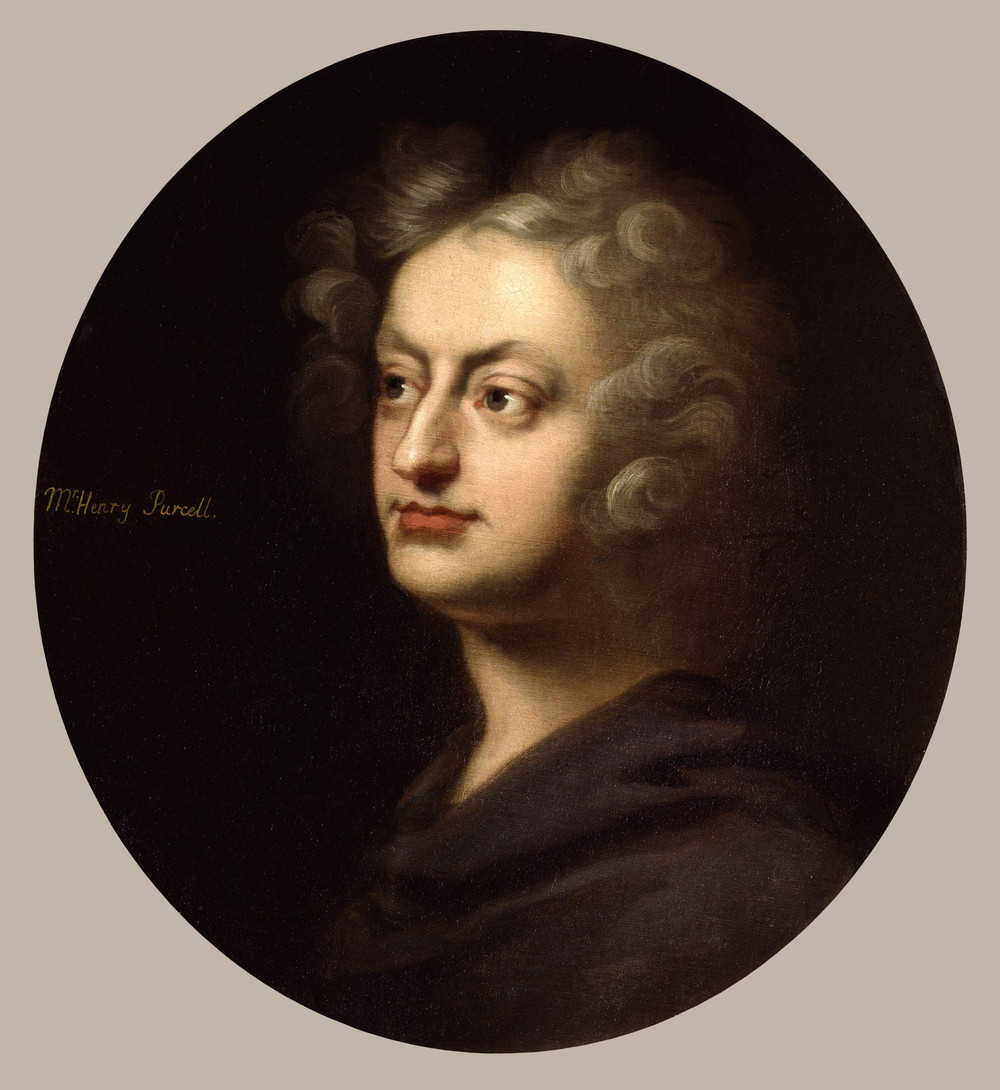
Henry Purcell
Classical
Fantasia
Baroque
3
/5
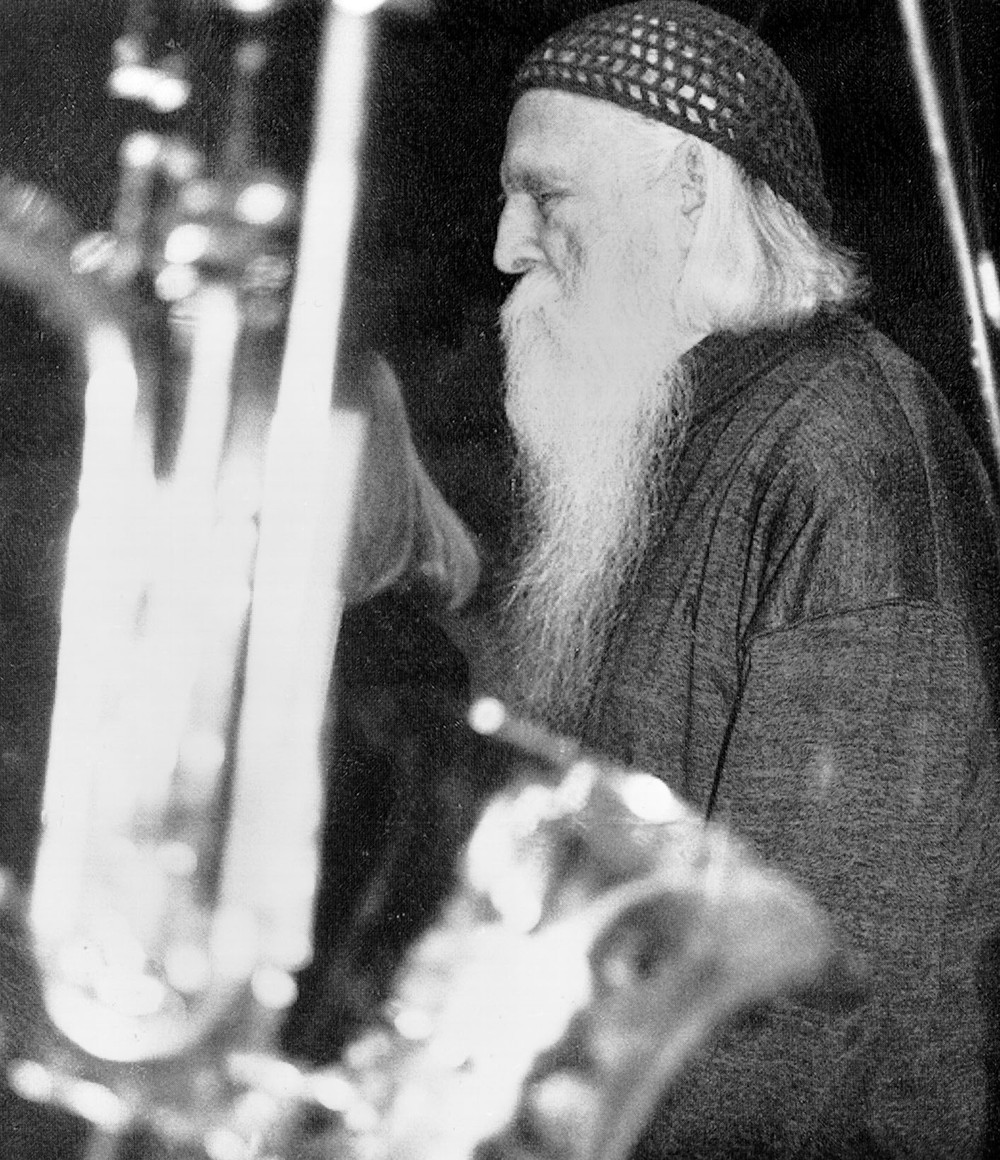
Moondog
Outsider
Avant-Garde
Classical
Download our mobile app
Get the Melodigging app and start digging for new genres on the go
Download on the App Store
Get it on Google Play
© 2026 Melodigging
Give feedback
Legal
Melodding was created as a tribute to
Every Noise at Once
, which inspired us to help curious minds keep digging into music's ever-evolving genres.