Genres
Artists
Albums
Make Music
Sign in
Sign in
Artists
Choral
Artists
Choral
Monteverdi Orchestra
1990
·
1 album
Listen
2
/5
Genres
Funeral March
A funeral march is a slow, processional march composed to accompany or evoke rites of mourning, commemoration, and state or military funerals. It typically features a measured, steady pulse that mimics the cadence of a procession, sombre minor keys, and dark orchestral colors. While the form appears in diverse contexts—from stand‑alone band pieces to movements within symphonies and operas—its musical fingerprint is consistent: heavy dotted rhythms, low-register emphasis (brass, bassoons, cellos/basses), restrained dynamics, and melodic lines that unfold with dignified gravity. A contrasting lyrical middle section (often in a relative or parallel major) before a return of the opening strain is common. Over time, the funeral march became a powerful expressive archetype, shaping the musical language of public mourning and becoming a recurring topos in concert music and beyond.
Discover
Listen
March
A march is a musical genre and form designed to accompany orderly movement, most commonly military processions, parades, and ceremonial events. It is typically in duple meter (2/4 or 4/4) or compound duple (6/8), with a steady tempo that supports synchronized stepping. Classical and concert marches evolved a characteristic multi-strain structure: an introduction, two strains, a key-changing trio, a break strain ("dogfight"), and a final strain, often with a strong cadential "stinger." Instrumentation centers on winds and percussion—brass, woodwinds, snare and bass drums, and cymbals—producing a bright, projecting sonority suitable for outdoor performance. While the style is pan-European in origin, the late-19th- and early-20th-century "golden age" of the American march, led by John Philip Sousa, codified the concert march’s form, orchestration, and performance practice, influencing wind band music worldwide.
Discover
Listen
Classical
Classical music is the notated art-music tradition of Europe and its global descendants, characterized by durable forms, carefully codified harmony and counterpoint, and a literate score-based practice. The term “classical” can refer broadly to the entire Western art-music lineage from the Medieval era to today, not just the Classical period (c. 1750s–1820s). It privileges long-form structures (such as symphonies, sonatas, concertos, masses, and operas), functional or modal harmony, thematic development, and timbral nuance across ensembles ranging from solo instruments to full orchestras and choirs. Across centuries, the style evolved from chant and modal polyphony to tonal harmony, and later to post-tonal idioms, while maintaining a shared emphasis on written notation, performance practice, and craft.
Discover
Listen
Choral
Choral refers to music written for and performed by a choir—an ensemble of voices organized into sections such as soprano, alto, tenor, and bass (SATB), or same-voice groupings (SSA, TTBB). It encompasses both sacred and secular repertoire and may be sung a cappella or with accompaniment by organ, piano, or full orchestra. Stylistically, choral music ranges from chant-like monophony to intricate polyphony and rich homophonic textures. Texts are drawn from liturgy, scripture, poetry, and vernacular sources, and are set in many languages. Performance contexts include church services, concert halls, and community events, making choral one of the most socially embedded and widely practiced forms of ensemble music. Across history, choral music has served as a laboratory for vocal counterpoint, word painting, and text-driven form, while functioning as a cultural bridge among religious rites, national traditions, and contemporary concert practice.
Discover
Listen
Albums
1990
2
/5
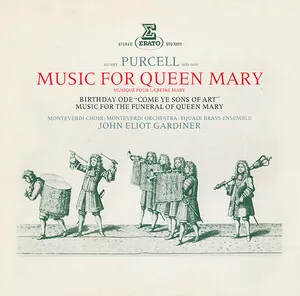
Music for Queen Mary
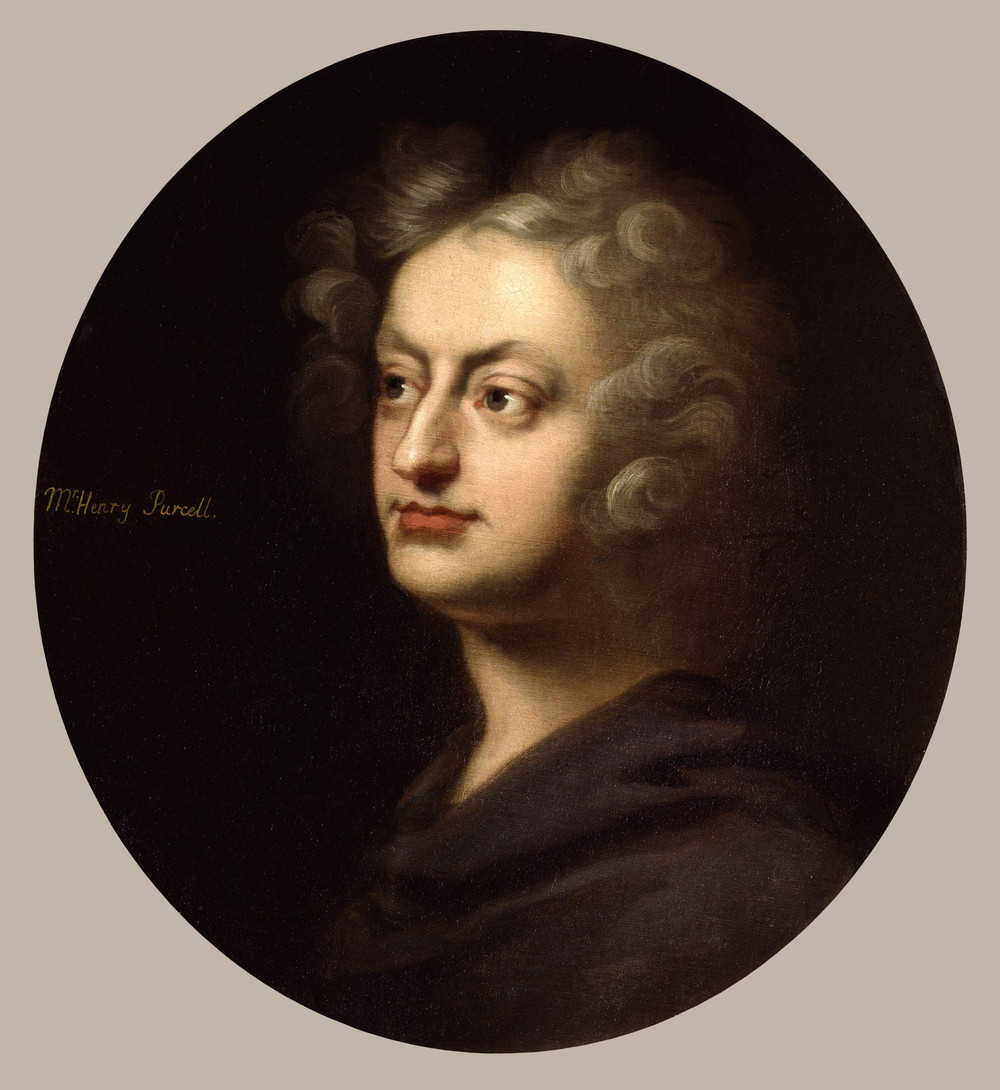
Henry Purcell
Funeral March
March
Similar artists
3
/5
John Eliot Gardiner
Classical
Choral
Requiem
3
/5
Choir of King's College, Cambridge
Requiem
Choral
Christmas Music
3
/5
Henry Purcell
Classical
Fantasia
Baroque
4
/5
Academy of St. Martin in the Fields
Classical
Classical Performance
Baroque
2
/5
Philip Ledger
Choral
Requiem
Concerto Grosso
4
/5
Johann Sebastian Bach
Baroque
Classical
Baroque Suite
4
/5
Wolfgang Amadeus Mozart
Classical
Requiem
Classical Period
4
/5
Berliner Philharmoniker
Classical
Romantic Classical
Romanticism
4
/5
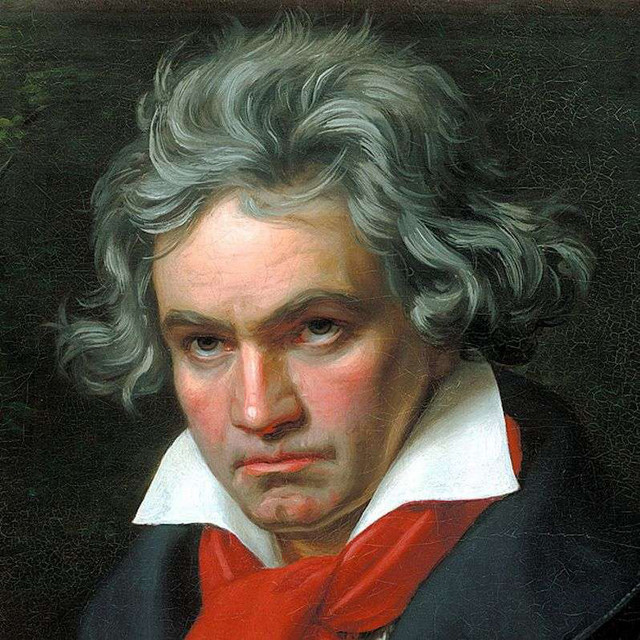
Ludwig van Beethoven
Classical
Classical Period
Romantic Classical
4
/5
Herbert von Karajan
Classical
Symphonic Poem
Symphony
Download our mobile app
Get the Melodigging app and start digging for new genres on the go
Download on the App Store
Get it on Google Play
© 2026 Melodigging
Give feedback
Legal
Melodding was created as a tribute to
Every Noise at Once
, which inspired us to help curious minds keep digging into music's ever-evolving genres.