Genres
Artists
Albums
Make Music
Sign in
Sign in
Artists
Gypsy Jazz
Artists
Gypsy Jazz
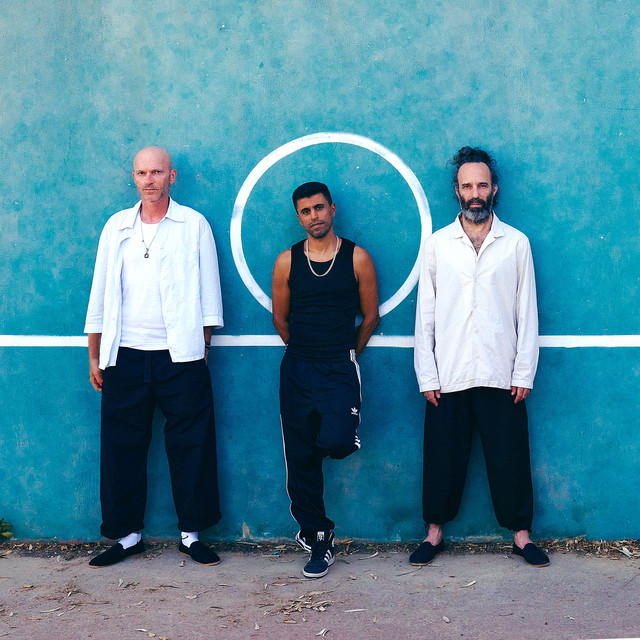
Monsieur Periné
2012–2022
·
9 albums
Listen
4
/5
Genres
Gogeo
Gogeo is a high-energy Latin-electronic club microgenre that emerged from the Mexican underground party and car-audio scenes. It is characterized by a fusion of Guaracha-style lead riffs, Tribal Guarachero percussion, and aggressive EDM drops, all underpinned by oversized sub-bass frequencies designed to rattle car sound systems. The aesthetic bridges the gap between festival-ready Electro-Latin energy and the raw, bass-heavy functionalism of street party music, often featuring catchy Spanish vocal chops and metallic synth textures.
Discover
Listen
Latin Indie
Latin indie is a broad umbrella for Spanish- and Portuguese-language independent music scenes across Latin America and the Latin diaspora. It blends the DIY ethos and sonic palettes of global indie rock and indie pop with regional rhythms, folk traditions, and electronic textures. While stylistically diverse—from jangly guitars and dreamy synth-pop to folktronica and cumbia-inflected grooves—Latin indie is united by an independent production mindset, intimate and poetic lyricism, and a taste for warm, reverb-soaked aesthetics. Artists commonly release through local indie labels or self-release, and they build audiences via blogs, small venues, and festival circuits before reaching wider streaming platforms. The genre’s identity crystallized in the mid-to-late 2000s, as scenes in Mexico, Argentina, Chile, Colombia, and the U.S. Latinx community cross-pollinated online, eventually becoming a defining contemporary movement in Spanish-language alternative music.
Discover
Listen
Colombian Pop
Colombian pop is mainstream Spanish-language pop made in Colombia that blends global pop songwriting with the country’s tropical and Andean rhythms. It typically pairs catchy, radio-friendly hooks with rhythmic flavors from cumbia and vallenato, and—since the 2010s—select elements from reggaeton and urban Latin styles. Arrangements often feature polished guitar or piano foundations, layered percussion, and bright synths, while occasional accordion lines, guache, or caja vallenata nod to local tradition. Lyrically, Colombian pop centers on romance, personal growth, and identity, delivered in clear, conversational Spanish (sometimes with English phrases) aimed at broad audiences.
Discover
Listen
Latin Alternative
Latin alternative is an umbrella term for genre-bending music made by Latin American and US Latino artists that sits outside mainstream Latin pop. It blends alternative and indie rock attitudes with Latin rhythmic vocabularies (cumbia, salsa, ska, reggae), hip hop, and electronic production. The style privileges experimentation, hybridity, and scene-driven authenticity rather than commercial formulas. Lyrics are often in Spanish (sometimes bilingual or Spanglish), and themes range from the personal and poetic to social and political commentary. The movement coalesced in the mid-to-late 1990s around U.S. media and festivals (e.g., LAMC), helping connect diverse scenes from Mexico, Argentina, Chile, Colombia, Puerto Rico, and beyond.
Discover
Listen
Swing Revival
Swing revival (often called neo-swing) is a late‑20th‑century resurgence of 1930s–1940s big band swing and jump blues, performed with modern rock and pop energy. Bands typically feature punchy horn sections, walking bass, four‑to‑the‑bar guitar, and crooner or shout‑style vocals that celebrate nightlife, dancing, and retro style. While firmly rooted in classic swing arranging, the revival emphasizes contemporary production, faster tempos, and stage showmanship. It also intersected with a broader vintage culture—zoot suits, lindy hop, and cocktail aesthetics—bringing partner dance back to mainstream club stages and television.
Discover
Listen
Latin Pop
Latin pop is mainstream pop music performed primarily in Spanish (and sometimes Portuguese) that blends contemporary pop songwriting with Latin American and Iberian rhythms, harmonies, and vocal stylings. It typically features verse–pre-chorus–chorus forms, catchy hooks, polished production, and a balance between rhythmic drive and romantic lyric themes. Classic Latin pop often leans on bolero- and ballad-informed melodies and soft-rock textures, while modern Latin pop readily incorporates dance-pop, electronic, and urbano elements (such as reggaeton-influenced grooves) without losing its sing-along pop core.
Discover
Listen
Latin Folk
Latin folk is a broad umbrella for singer‑songwriter and ensemble music that draws on traditional folk forms from across Latin America while presenting them in contemporary, often acoustically driven arrangements. It emphasizes storytelling, social and poetic lyricism, and the timbres of regional instruments such as the guitar, charango, quena, zampoña, cuatro, and bombo legüero. Rhythmic cells are borrowed from pan‑regional traditions (chacarera, cueca, zamba, huayno, joropo, son, and others), yet songs are commonly shaped in accessible verse‑chorus structures. While its roots are centuries old, the modern genre coalesced during the mid‑20th‑century folk revival and the Nueva Canción movements, which linked ancestral sounds with contemporary concerns such as identity, justice, and cultural memory.
Discover
Listen
Latin
Latin (as a genre label) is a broad umbrella used by the recording industry to categorize popular music rooted in Latin America, the Caribbean, and the Iberian world, often characterized by syncopated Afro-diasporic rhythms, dance-forward grooves, and lyrics primarily in Spanish or Portuguese. As a marketplace category that took shape in the mid-20th century United States, it gathers diverse traditions—Afro-Cuban, Brazilian, Mexican, and Caribbean styles—into a shared space. In practice, "Latin" spans everything from big-band mambo and bolero ballads to contemporary pop, rock, hip hop, and dance fusions produced by artists of Latin American heritage.
Discover
Listen
Gypsy Jazz
Gypsy jazz (often called jazz manouche) is an acoustic, string-driven style of swing developed by Romani musicians in Paris in the 1930s, most famously by guitarist Django Reinhardt and violinist Stéphane Grappelli with the Quintette du Hot Club de France. Its signature sound pairs percussive rhythm-guitar strumming (la pompe) with virtuosic single-note lines, violin leads, and a walking double bass, typically without drums or horns. Harmonically, it blends American swing-era jazz changes with European influences such as musette waltzes and classical voice-leading, yielding rich dominant chords, diminished passing harmony, and chromatic approach lines. The result is a bright, agile, and highly danceable style that can be both exuberant and lyrical.
Discover
Listen
Swing
Swing is a jazz style centered on a buoyant, danceable groove created by a walking bass, four-to-the-bar rhythm guitar, a backbeat emphasis on 2 and 4, and a lilted “swung” eighth-note feel. Typically performed by big bands (saxes, trumpets, trombones, and a rhythm section) as well as small combos, it balances written arrangements with improvised solos. Hallmarks include call-and-response between horn sections, riff-based melodies, shout choruses that build intensity near the end of an arrangement, and rich sectional voicings grounded in blues language and ii–V–I harmonic motion. Tempos range from medium to brisk, serving social dances like the Lindy Hop and Jitterbug. Swing’s expressive phrasing, dance-floor focus, and sophisticated arranging made it the dominant popular music of the late 1930s and early 1940s.
Discover
Listen
Jazz
Jazz is an improvisation-centered music tradition that emerged from African American communities in the early 20th century. It blends blues feeling, ragtime syncopation, European harmonic practice, and brass band instrumentation into a flexible, conversational art. Defining features include swing rhythm (a triplet-based pulse), call-and-response phrasing, blue notes, and extended harmonies built on 7ths, 9ths, 11ths, and 13ths. Jazz is as much a way of making music—spontaneous interaction, variation, and personal sound—as it is a set of forms and tunes. Across its history, jazz has continually hybridized, from New Orleans ensembles and big-band swing to bebop, cool and hard bop, modal and free jazz, fusion, and contemporary cross-genre experiments. Its influence permeates global popular and art music.
Discover
Listen
Electronic
Electronic is a broad umbrella genre defined by the primary use of electronically generated or electronically processed sound. It encompasses music made with synthesizers, drum machines, samplers, computers, and studio/tape techniques, as well as electroacoustic manipulation of recorded or synthetic sources. The genre ranges from academic and experimental traditions to popular and dance-oriented forms. While its sonic palette is rooted in electricity and circuitry, its aesthetics span minimal and textural explorations, structured song forms, and beat-driven club permutations. Electronic emphasizes sound design, timbre, and studio-as-instrument practices as much as melody and harmony.
Discover
Listen
Guaracha
Guaracha is a fast‑paced Cuban song–dance genre known for witty, satirical, and often picaresque lyrics delivered over a driving Afro‑Cuban groove. It typically uses the son clave (in 2–3 or 3–2 orientation), call‑and‑response coros, and a lively montuno section that invites dance and audience participation. Originally tied to popular and comic theater, guaracha later became a staple of Cuban conjuntos and charangas, and it survives in the salsa repertoire as a label for brisk, upbeat numbers. Instrumentation commonly includes voice(s), guitar or tres, bass, bongó, maracas, claves, and often trumpets or charanga flute/violins. Harmonies are straightforward and bright (major keys, I–IV–V with frequent secondary dominants), while the rhythmic feel is relentlessly syncopated and festive. The term should not be confused with modern "guaracha edm" (a separate, contemporary club style); historical Cuban guaracha is a distinct traditional genre with roots in 19th‑century Havana and theatrical culture.
Discover
Listen
Show all 13 genres
Albums
2022
1
/5
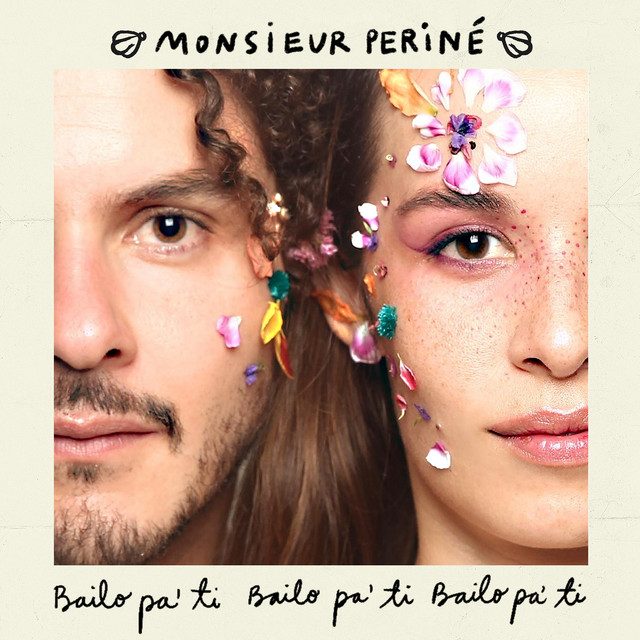
Bailo Pa Ti
Monsieur Periné
Gypsy Jazz
2022
2
/5
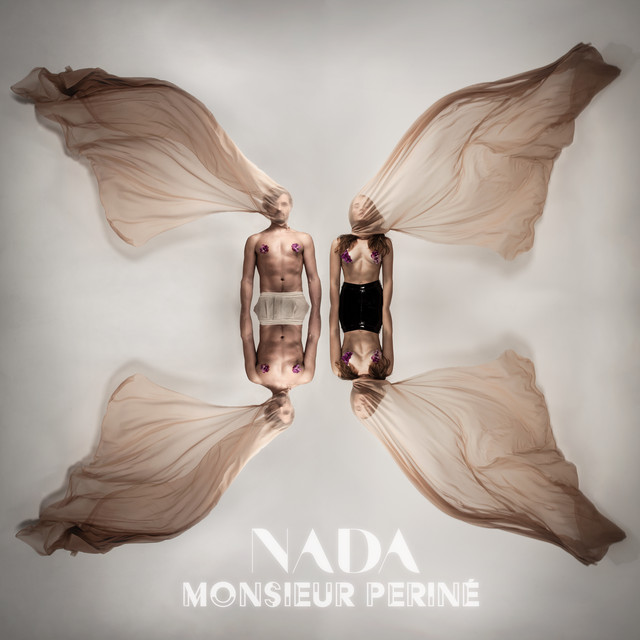
Nada
Monsieur Periné
Gypsy Jazz
2021
2
/5
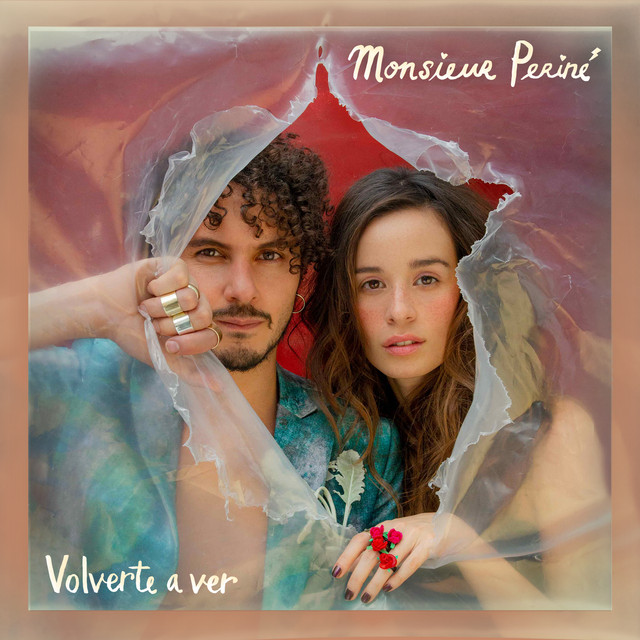
Volverte a Ver
Monsieur Periné
Gypsy Jazz
2018
3
/5
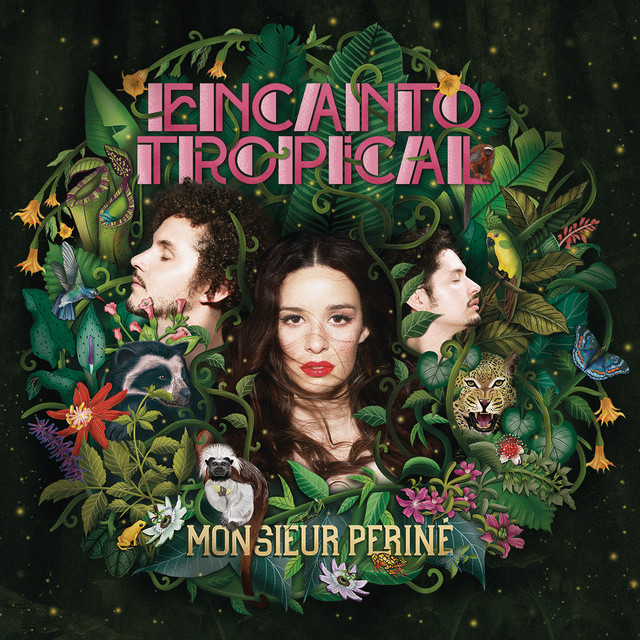
Encanto Tropical
Monsieur Periné
Gypsy Jazz
2018
3
/5
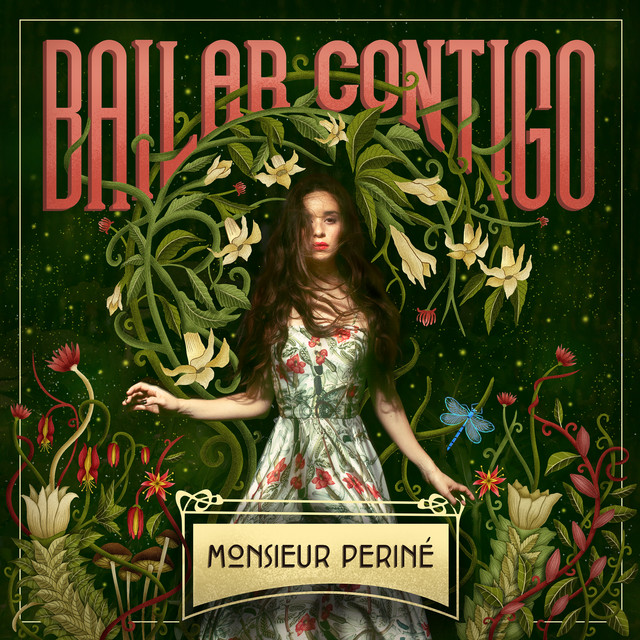
Bailar Contigo
Monsieur Periné
Gypsy Jazz
Latin Folk
2015
4
/5
Caja de Música
Monsieur Periné
Gypsy Jazz
Electronic
Jazz
2015
3
/5
Caja de Música (Edición Especial)
Monsieur Periné
Gypsy Jazz
Electronic
Jazz
2012
3
/5
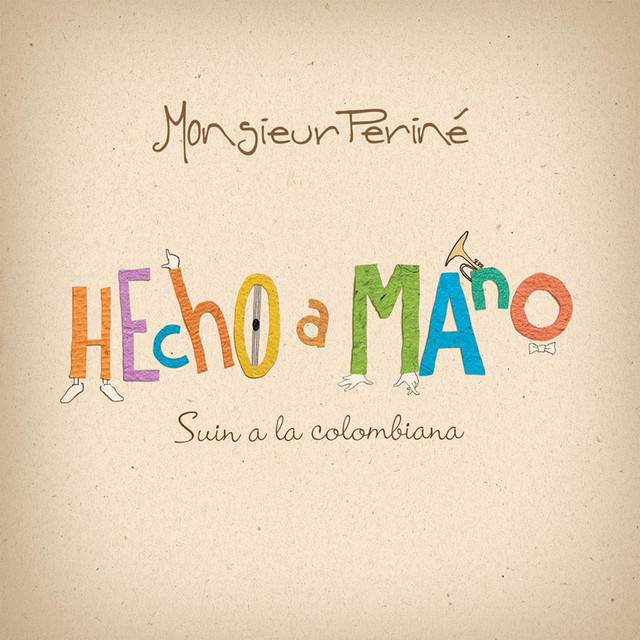
Hecho a Mano
Monsieur Periné
Gypsy Jazz
2012
1
/5
Hecho a mano
Monsieur Periné
Swing Revival
Similar artists
2
/5
The Lost Fingers
Gypsy Jazz
Electro Swing
Swing
1
/5
Various Artists
Afro-Funk
Alternative Rock
Ambient
2
/5
Balkan Beat Box
Gypsy Fusion
Balkan Brass Band
Gypsy Punk
3
/5
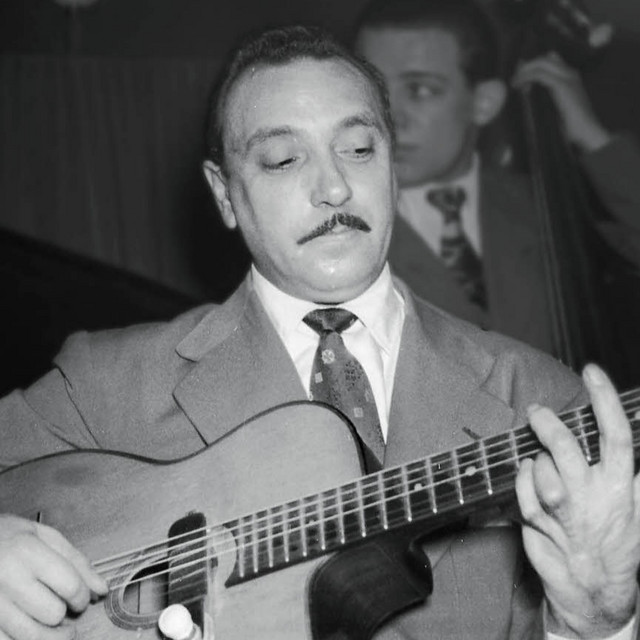
Django Reinhardt
Gypsy Jazz
Jazz
Ragtime
3
/5
Stéphane Grappelli
Gypsy Jazz
Jazz
French Jazz
2
/5
Biréli Lagrène
Gypsy Jazz
French Jazz
Jazz
4
/5
Natalia Lafourcade
Bolero
Latin Folk
Latin
3
/5
Gábor Szabó
Spiritual Jazz
Gypsy Jazz
Jazz
5
/5
Lady Gaga
Pop
Art Pop
Dance-Pop
5
/5
Hans Zimmer
Country Dawn
Soundtrack
Classical
Download our mobile app
Get the Melodigging app and start digging for new genres on the go
Download on the App Store
Get it on Google Play
© 2026 Melodigging
Give feedback
Legal
Melodding was created as a tribute to
Every Noise at Once
, which inspired us to help curious minds keep digging into music's ever-evolving genres.