Genres
Artists
Albums
Make Music
Sign in
Sign in
Artists
Latin Alternative
Artists
Latin Alternative
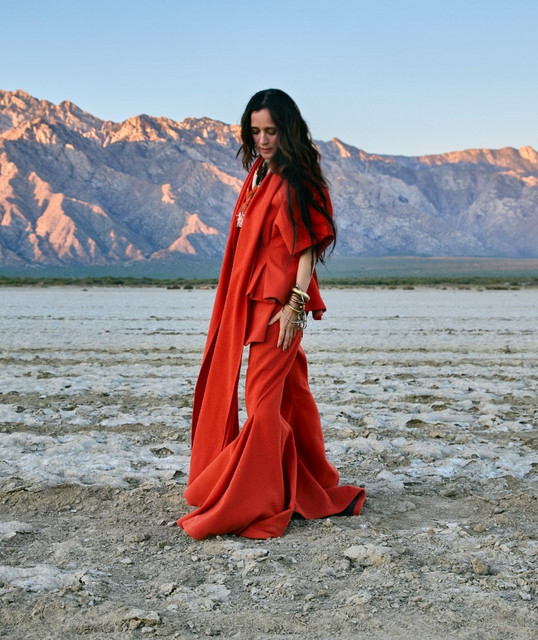
Mon Laferte
2003–2026
·
14 albums
Listen
5
/5
Genres
Reggaeton Chileno
Reggaeton chileno is the Chilean iteration of urbano built on the classic dembow pulse, but colored by local slang, DIY internet aesthetics, and frequent crossover with Latin trap and pop. The style keeps reggaeton’s dance‑floor focus while alternating between glossy, melodic hooks and grittier street energy. Chilean artists often rap‑sing with heavy autotune over minimal, sub‑driven beats, blending romantic themes with barrio pride and club culture. From neoperreo’s avant‑club experiments to radio‑ready hits, the scene is both online‑native and chart‑minded, reflecting Chile’s vibrant, collaborative urbano ecosystem.
Discover
Listen
Manso Indie
Manso indie is an Argentine strand of indie rock and indie pop that blossomed in the 2010s, centered largely in the Cuyo region (especially Mendoza). The word “manso” in regional slang evokes something cool, chill, and pleasant, and the music mirrors that mood: warm guitars, laid‑back vocals, melodic bass lines, and unfussy, DIY‑friendly production. Sonically, it favors mid‑tempo grooves, jangly or chorus‑washed guitars, gentle synth pads, and roomy drums. Lyrics tend to be intimate and observational—romance, friendship, youth, and city or small‑town scenes—delivered with an understated, conversational tone. While connected to the broader Argentine “rock nacional” lineage, manso indie distinguishes itself by its mellow dynamics, sun‑dappled harmonies, and a preference for vibe and songcraft over virtuosity.
Discover
Listen
Indie Triste
Indie triste ("sad indie") is a Spanish‑language micro‑scene of indie pop/folk that foregrounds intimate, melancholic songwriting and understated, bedroom‑made production. Its core sound blends soft acoustic guitars, gently pulsing rhythms, close‑mic’d vocals, and lo‑fi textures, often wrapped in reverb and tape‑like warmth. Thematically, the songs dwell on heartache, small‑town longing, fleeting youth, and late‑night introspection. While rooted in indie folk and singer‑songwriter traditions, the style embraces contemporary bedroom pop aesthetics and dream‑pop atmospheres, prioritizing mood and storytelling over virtuoso display.
Discover
Listen
Latin Indie
Latin indie is a broad umbrella for Spanish- and Portuguese-language independent music scenes across Latin America and the Latin diaspora. It blends the DIY ethos and sonic palettes of global indie rock and indie pop with regional rhythms, folk traditions, and electronic textures. While stylistically diverse—from jangly guitars and dreamy synth-pop to folktronica and cumbia-inflected grooves—Latin indie is united by an independent production mindset, intimate and poetic lyricism, and a taste for warm, reverb-soaked aesthetics. Artists commonly release through local indie labels or self-release, and they build audiences via blogs, small venues, and festival circuits before reaching wider streaming platforms. The genre’s identity crystallized in the mid-to-late 2000s, as scenes in Mexico, Argentina, Chile, Colombia, and the U.S. Latinx community cross-pollinated online, eventually becoming a defining contemporary movement in Spanish-language alternative music.
Discover
Listen
Latin Alternative
Latin alternative is an umbrella term for genre-bending music made by Latin American and US Latino artists that sits outside mainstream Latin pop. It blends alternative and indie rock attitudes with Latin rhythmic vocabularies (cumbia, salsa, ska, reggae), hip hop, and electronic production. The style privileges experimentation, hybridity, and scene-driven authenticity rather than commercial formulas. Lyrics are often in Spanish (sometimes bilingual or Spanglish), and themes range from the personal and poetic to social and political commentary. The movement coalesced in the mid-to-late 1990s around U.S. media and festivals (e.g., LAMC), helping connect diverse scenes from Mexico, Argentina, Chile, Colombia, Puerto Rico, and beyond.
Discover
Listen
Alternative Rock
Alternative rock is a broad umbrella for guitar-based rock that emerged from the independent and college-radio scenes as a counterpoint to mainstream, commercial rock. It blends the energy and ethos of punk with the textural and songwriting experiments of post-punk, new wave, jangle pop, and noise rock, often foregrounding introspective or socially aware lyrics. Across its many strains—from the melodic minimalism of college rock to the loud-quiet-loud dynamics of grunge and the artful experimentation of Radiohead-era modernism—alternative rock prioritizes authenticity, sonic individuality, and a do-it-yourself approach. Its sound ranges from chiming, chorus-laden clean guitars to abrasive distortion and feedback, supported by straightforward rock rhythms or off-kilter grooves, and production that can be either raw and live-sounding or polished yet unconventional.
Discover
Listen
Latin Pop
Latin pop is mainstream pop music performed primarily in Spanish (and sometimes Portuguese) that blends contemporary pop songwriting with Latin American and Iberian rhythms, harmonies, and vocal stylings. It typically features verse–pre-chorus–chorus forms, catchy hooks, polished production, and a balance between rhythmic drive and romantic lyric themes. Classic Latin pop often leans on bolero- and ballad-informed melodies and soft-rock textures, while modern Latin pop readily incorporates dance-pop, electronic, and urbano elements (such as reggaeton-influenced grooves) without losing its sing-along pop core.
Discover
Listen
Salsa
Salsa is a pan–Latin dance music forged primarily in New York City by Puerto Rican, Cuban, and other Caribbean diasporas. It synthesizes Afro‑Cuban rhythmic blueprints, Puerto Rican bomba and plena, jazz harmony, big‑band horn writing, and Nuyorican street culture into a tightly arranged yet improvisation‑friendly style. The music lives on the clave (either 2‑3 or 3‑2), with layered percussion (congas, bongó, timbales, cowbell, güiro, maracas), a tumbao bass that anticipates the beat, and piano montuno guajeos that interlock with the rhythm section. Call‑and‑response vocals (coro/pregón), punchy horn mambos and moñas, and instrumental solos energize the montuno section. Tempos range from medium to fast in 4/4, optimized for social dancing (commonly “on1” or “on2”). Across decades, salsa has branched into harder, percussion‑forward “salsa dura,” smoother “salsa romántica,” and regional scenes in Puerto Rico, Venezuela, and Colombia, while continuing to influence—and be influenced by—neighboring tropical and jazz idioms.
Discover
Listen
Singer-Songwriter
Singer-songwriter is a song-focused style in which the same person writes, composes, and performs their own material, often accompanying themselves on acoustic guitar or piano. It emphasizes personal voice, lyrical intimacy, and storytelling over elaborate production. Arrangements are typically sparse, allowing the melody, words, and performance nuance to carry the song’s emotional weight. While rooted in folk and blues traditions, singer-songwriter embraces pop and rock songcraft, producing works that can range from quiet confessional ballads to subtly orchestrated, radio-ready pieces.
Discover
Listen
Canción Melódica
Canción melódica is a Spanish popular song tradition centered on emotive, melody-forward ballads delivered by powerful vocalists and framed by lush, orchestral arrangements. It is the Spanish counterpart to Europe’s mainstream schlager and the Italian canzone tradition, but with clear ties to Iberian styles and Latin romanticism. Characterized by dramatic vocal climaxes, key changes near the finale, and string-heavy, cinematic backdrops, the style privileges memorable melodies, heartfelt lyrics, and a polished, elegant sound. Its themes revolve around love, longing, heartbreak, and resilience, using poetic images and rhetorical flourishes to maximize emotional impact. The genre achieved mass popularity in Spain and the Spanish-speaking world from the late 1960s through the 1980s, and its repertoire remains a staple of television galas, festival circuits, and nostalgic revivals.
Discover
Listen
Latin Rock
Latin rock blends the instrumentation and attitude of rock with Afro‑Latin and Caribbean rhythms, percussion, and song forms. Typical bands combine electric guitars, bass, and drum kit with congas, bongos, timbales, and hand percussion, creating a driving, danceable groove grounded in the clave. Vocals may be in Spanish, Portuguese, Spanglish, or English, and lyrics range from love songs and urban life to social and political commentary. Harmonically, Latin rock draws from blues/rock progressions but frequently incorporates modal colors (Dorian, Mixolydian) and montuno‑style vamps borrowed from salsa and Afro‑Cuban traditions. The result sits comfortably between club‑ready rhythm and arena‑sized rock energy.
Discover
Listen
Blues Rock
Blues rock is a guitar-driven style that fuses the raw feeling and 12‑bar structures of the blues with the power, volume, and rhythmic punch of rock. It emphasizes riff-based songs, pentatonic and blues-scale soloing, call‑and‑response between voice and guitar, and an expressive, often gritty vocal delivery. Typical ensembles are power trios (guitar, bass, drums) or quartet formats adding second guitar, keyboards, or harmonica, and performances commonly feature extended improvisation. Sonically, it favors overdriven tube-amp tones, sustained bends, vibrato, and dynamic contrasts, moving from shuffles and boogies to straight‑eighth rock grooves.
Discover
Listen
Folk Rock
Folk rock is a fusion genre that blends the narrative lyricism, modal melodies, and acoustic timbres of traditional folk with the backbeat, amplification, and song structures of rock. It typically pairs acoustic or traditional instruments (acoustic guitar, mandolin, fiddle) with a rock rhythm section (electric guitar, bass, drums), often featuring chiming 12‑string guitar textures, close vocal harmonies, and socially conscious or storytelling lyrics. The result ranges from intimate, reflective ballads with a steady backbeat to more anthemic, roots‑driven rock. Emerging in the mid‑1960s through artists such as Bob Dylan and The Byrds, folk rock became a gateway for traditional and roots materials to enter mainstream popular music, and it seeded later movements from country rock and Americana to jangle pop and modern indie folk.
Discover
Listen
Pop Soul
Pop soul is a crossover style that blends the emotive vocals, gospel-rooted harmonies, and backbeat of soul music with the concise song forms, catchy hooks, and polished production of mainstream pop. It emphasizes memorable choruses, smooth lead vocals, tight background harmonies, and radio-friendly arrangements designed for broad appeal. The sound is often defined by a crisp rhythm section, tambourine on the backbeat, melodic bass lines, piano/organ comping, handclaps, and lush string or horn arrangements. Originating with the Motown hit-making model, pop soul prized sophisticated songwriting and sleek studio craft that could connect equally on the dance floor and the pop charts.
Discover
Listen
Art Pop
Art pop is a strand of pop music that treats the pop song as a canvas for high-concept ideas, experimental techniques, and cross-media aesthetics. It marries accessible melodies and hooks with the visual culture of art schools, the conceptual rigor of the avant-garde, and the studio-as-instrument ethos. Sonically, art pop favors eclectic instrumentation (synths, orchestral timbres, guitars, found sounds), unusual song forms, and sophisticated harmony. It often employs collage, musique concrète–like textures, and theatrical vocal delivery while still keeping a pop-facing surface. Beyond sound, art pop is deeply visual and conceptual: albums are framed as coherent artworks, stagecraft and video are integral, and lyrics tend toward intertextuality, character work, irony, and social commentary. The result is pop that is both immediate and idea-driven.
Discover
Listen
Pop Rock
Pop rock blends the hook-focused immediacy of pop with the instrumentation and drive of rock. It prioritizes catchy melodies, concise song structures, and polished production while retaining guitars, bass, and drums as core elements. Typical pop rock tracks use verse–pre-chorus–chorus forms, strong vocal harmonies, and memorable riffs. The sound ranges from jangly and bright to mildly overdriven and arena-ready, aiming for radio-friendly appeal without abandoning rock’s rhythmic punch.
Discover
Listen
Pop
Pop is a broad, hook-driven style of popular music designed for wide appeal. It emphasizes memorable melodies, concise song structures, polished vocals, and production intended for radio, charts, and mass media. While pop continually absorbs elements from other styles, its core remains singable choruses, accessible harmonies, and rhythmic clarity. Typical forms include verse–pre-chorus–chorus, frequent use of bridges and middle-eights, and ear-catching intros and outros. Pop is not defined by a single instrumentation. It flexibly incorporates acoustic and electric instruments, drum machines, synthesizers, and increasingly digital production techniques, always in service of the song and the hook.
Discover
Listen
Rock
Rock is a broad family of popular music centered on amplified instruments, a strong backbeat, and song forms that foreground riffs, choruses, and anthemic hooks. Emerging from mid‑20th‑century American styles like rhythm & blues, country, and gospel-inflected rock and roll, rock quickly expanded in scope—absorbing folk, blues, and psychedelic ideas—while shaping global youth culture. Core sonic markers include electric guitar (often overdriven), electric bass, drum kit emphasizing beats 2 and 4, and emotive lead vocals. Rock songs commonly use verse–chorus structures, blues-derived harmony, and memorable melodic motifs, ranging from intimate ballads to high‑energy, stadium‑sized performances.
Discover
Listen
Ska
Ska is a Jamaican popular music style characterized by a brisk 4/4 groove, off‑beat guitar or piano upstrokes (the “skank”), walking bass lines, and punchy horn riffs. Emerging in late‑1950s Kingston dancehalls, ska fused local mento and calypso with American rhythm & blues and jazz, creating a lively sound that celebrated independence‑era optimism and street culture. Across time, ska evolved through distinct waves: the original Jamaican ska of the early 1960s, the racially integrated and politically aware 2 Tone movement in late‑1970s Britain, and the third‑wave explosion in the 1990s that blended ska with punk energy around the world.
Discover
Listen
Latin
Latin (as a genre label) is a broad umbrella used by the recording industry to categorize popular music rooted in Latin America, the Caribbean, and the Iberian world, often characterized by syncopated Afro-diasporic rhythms, dance-forward grooves, and lyrics primarily in Spanish or Portuguese. As a marketplace category that took shape in the mid-20th century United States, it gathers diverse traditions—Afro-Cuban, Brazilian, Mexican, and Caribbean styles—into a shared space. In practice, "Latin" spans everything from big-band mambo and bolero ballads to contemporary pop, rock, hip hop, and dance fusions produced by artists of Latin American heritage.
Discover
Listen
Vocal Jazz
Vocal jazz is a jazz tradition in which the human voice is treated as an instrument—matching the phrasing, articulation, and timbral nuance of horns or piano. Singers often improvise melodically and rhythmically, including using scat singing (nonsense syllables) to emulate instrumental solos. At the same time, many vocal‑jazz performances favor traditional, pop‑leaning song structures and clear lyric delivery, reducing the overall role of extended improvisation compared with small‑group instrumental jazz. Repertoires frequently draw from Tin Pan Alley and Broadway standards (the Great American Songbook), rendered with swing, ballad, or Latin feels.
Discover
Listen
Ranchera
Ranchera (canción ranchera) is a traditional Mexican song genre characterized by passionate, emotive vocals; memorable, singable melodies; and direct, heartfelt lyrics about love, heartbreak, drinking, patriotism, rural life, and personal honor. Although its roots reach back to rural song traditions of the late 18th and early 19th centuries, ranchera consolidated as a national popular style before the Mexican Revolution and was later projected across Latin America through the Golden Age of Mexican cinema. The genre is commonly performed with mariachi (violins, trumpets, vihuela, guitarra, guitarrón), but it can also appear with norteño, banda, or solo voice-and-guitar arrangements. Musically, rancheras often use simple strophic or verse–chorus forms, tonal harmonies (I–IV–V with occasional secondary dominants or modulations), and meters in 3/4 (vals ranchero) or 2/4 and 4/4 (ranchera alegre or ranchera lenta). Vocal delivery features expressive rubato, dramatic dynamic arcs, and the iconic grito (a shouted cry) between phrases.
Discover
Listen
Bolero
Bolero is both a Spanish dance-music form from the late 18th century and, later, a Cuban song style from the late 19th century. The Spanish bolero emerged as a moderately slow solo or partner dance in 3/4 time, shaped by Andalusian song-dance traditions. It typically features guitar accompaniment and castanets, and its sung texts often follow the seguidilla stanza pattern. In Cuba, bolero evolved into a romantic ballad—most often in 2/4 (later also felt in 4/4)—performed by singers, trios, and salon ensembles. Cuban bolero emphasizes intimate, lyrical melodies, guitar-led accompaniment (often with requinto), and gentle Afro-Caribbean rhythmic undercurrents (habanera feel, soft bongo, claves), becoming one of Latin America’s quintessential love-song forms.
Discover
Listen
Mariachi
Mariachi is a traditional Mexican ensemble and performance practice that crystallized in western Mexico (especially Jalisco, Colima, Nayarit, and Michoacán) and later became a national and international emblem of Mexican music. Modern mariachi bands typically feature multiple violins, two trumpets, and a rhythm section anchored by the high‑pitched, five‑string vihuela and the deep, fretless guitarrón, often alongside a standard guitar and, in some historic or regional variants, the Mexican harp. The sound balances bright, projecting trumpets and soaring violins over rich strummed textures and a powerful, melodic bass line. Repertoire spans regional sones (including son jalisciense), huapangos, rancheras, corridos, boleros, waltzes, and polkas. Vocal delivery is central: most players sing in stacked harmonies, trade lead verses, and punctuate performances with expressive gritos (exclamations). Costuming (charro suits) and stylized stagecraft are integral to the genre’s identity.
Discover
Listen
Show all 24 genres
Albums
2026
Femme Fatale Vol. 2
Mon Laferte
Latin Alternative
Latin Indie
Latin Pop
2025
5
/5
Femme fatale
Mon Laferte
Canción Melódica
Latin Alternative
Latin Indie
2025
3
/5
Otra Noche de Llorar
Mon Laferte
Latin Alternative
Latin Indie
Canción Melódica
2023
4
/5
Autopoiética
Mon Laferte
Latin Alternative
Latin
Latin Pop
2021
1940 Carmen
Mon Laferte
Alternative Rock
Blues Rock
Latin Pop
2021
4
/5
SEIS
Mon Laferte
Ranchera
Bolero
Mariachi
2018
4
/5
Norma
Mon Laferte
Latin Pop
Salsa
Singer-Songwriter
2018
3
/5
Invéntame
Mon Laferte
Latin Alternative
Latin Indie
2018
4
/5
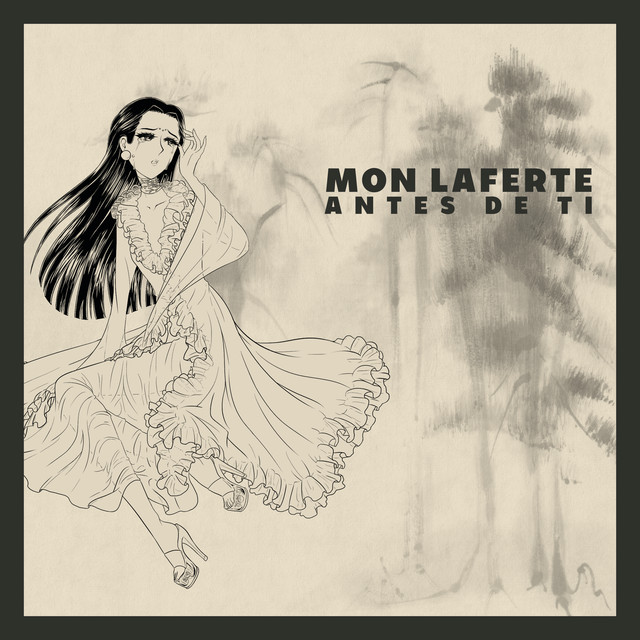
Antes De Ti
Mon Laferte
Latin Alternative
Latin Indie
2017
5
/5
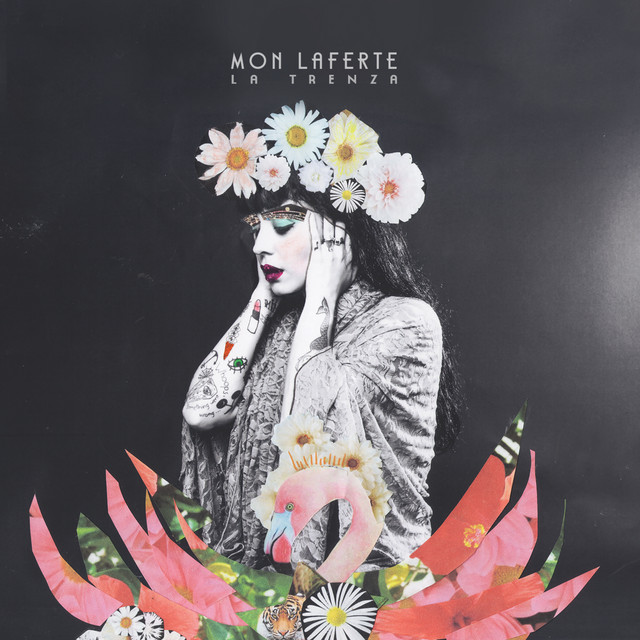
La trenza
Mon Laferte
Latin Pop
Latin Alternative
Latin Indie
2015
5
/5
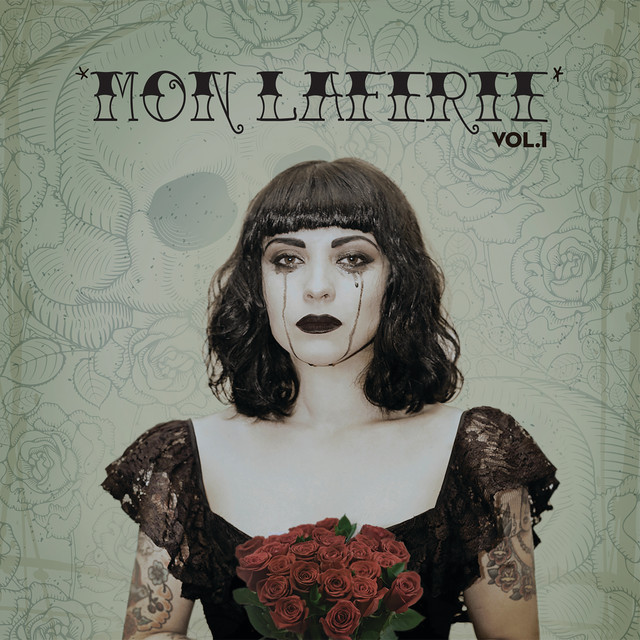
Mon Laferte, Vol. 1
Mon Laferte
Latin Pop
Latin Alternative
Latin Indie
2013
Tornasol
Mon Laferte
Alternative Rock
Folk Rock
Latin Rock
2011
Desechable
Mon Laferte
Latin
Latin Rock
Pop
2003
La chica de rojo
Monserrat
Latin Pop
Pop
Similar artists
4
/5
Natalia Lafourcade
Bolero
Latin Folk
Latin
1
/5
Various Artists
Afro-Funk
Alternative Rock
Ambient
4
/5
Jorge Drexler
Nueva Canción
Candombe
Nueva Trova
4
/5
Julieta Venegas
Latin Pop
Latin Alternative
Latin
3
/5
Javiera Mena
Electronica Chilena
Pop
Synth-Pop
3
/5
Helado Negro
Deep Latin Alternative
Latin Alternative
Latin Indie
3
/5
David Byrne
Art Punk
Art Pop
Art Rock
4
/5
Siddhartha
Latin Alternative
Mexican Indie
Rock En Español
5
/5
Shakira
Latin
Latin Pop
Pop
5
/5
Luis Miguel
Bolero
Latin Pop
Mariachi
Download our mobile app
Get the Melodigging app and start digging for new genres on the go
Download on the App Store
Get it on Google Play
© 2026 Melodigging
Give feedback
Legal
Melodding was created as a tribute to
Every Noise at Once
, which inspired us to help curious minds keep digging into music's ever-evolving genres.