Genres
Artists
Albums
Make Music
Sign in
Sign in
Artists
Nueva Canción
Artists
Nueva Canción
Jorge Drexler
1999–2025
·
12 albums
Listen
4
/5
Genres
Latin Afrobeat
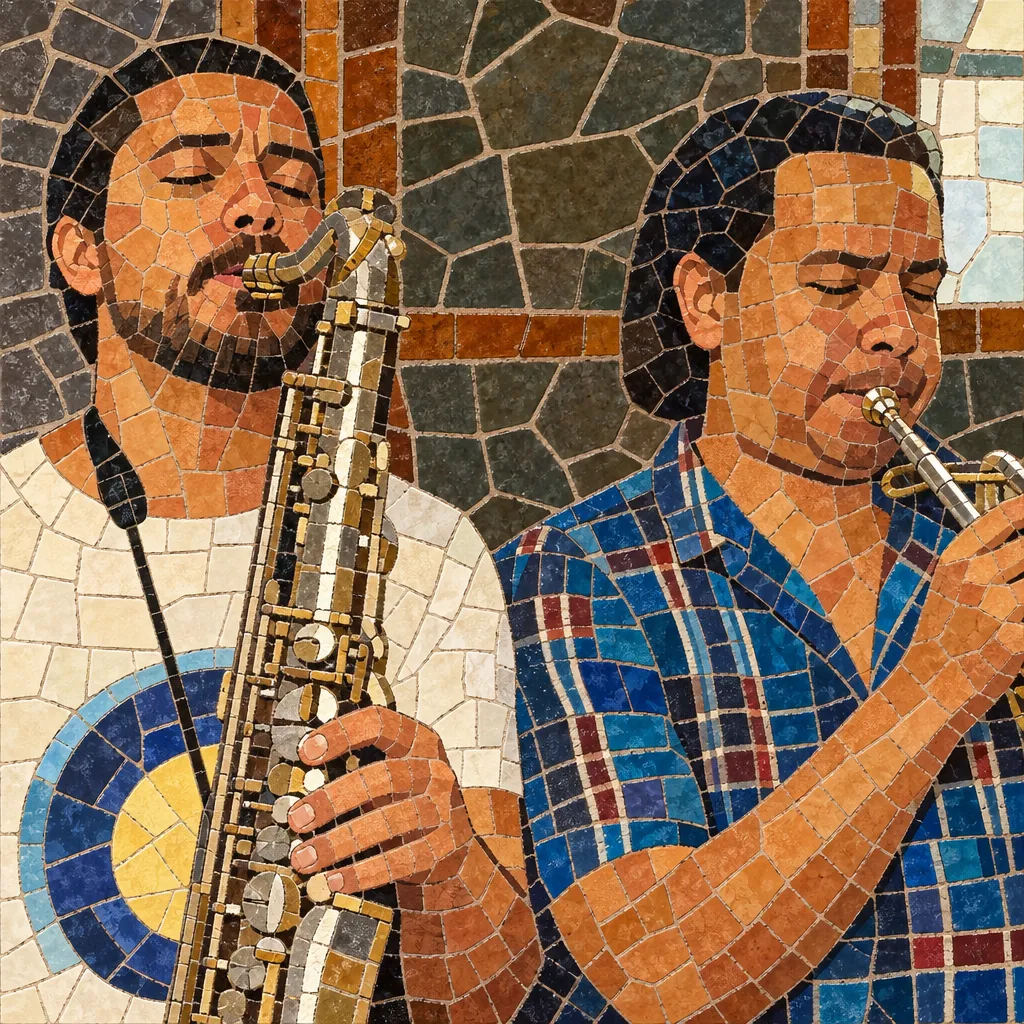
Latin Afrobeat is a contemporary fusion style that welds the polyrhythmic engine of West African Afrobeat with Latin American and Caribbean grooves. It often marries Afrobeat’s interlocking drum kit, shekere, and highlife‑style guitars with salsa/cumbia percussion sections, montuno piano figures, and bold horn arrangements. The result is a dance‑forward, big‑ensemble sound: long vamps, call‑and‑response vocals (frequently in Spanish or Portuguese), syncopated bass ostinati, and brass stabs—recorded with a warm, live, analog aesthetic. While it honors Fela Kuti’s Afrobeat blueprint, it colors that framework with Afro‑Cuban jazz harmony, salsa horn voicings, and coastal Colombia/Brazilian percussion idioms.
Discover
Listen
Manso Indie
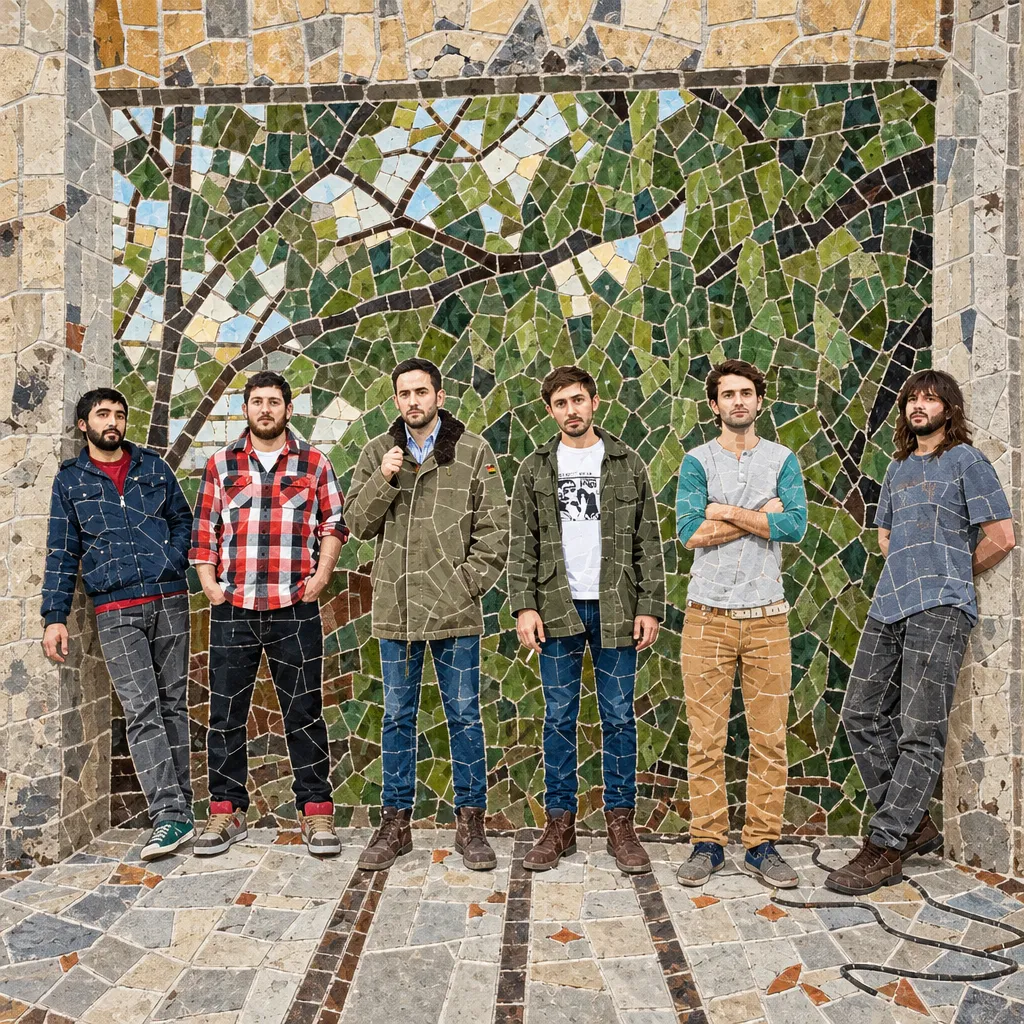
Manso indie is an Argentine strand of indie rock and indie pop that blossomed in the 2010s, centered largely in the Cuyo region (especially Mendoza). The word “manso” in regional slang evokes something cool, chill, and pleasant, and the music mirrors that mood: warm guitars, laid‑back vocals, melodic bass lines, and unfussy, DIY‑friendly production. Sonically, it favors mid‑tempo grooves, jangly or chorus‑washed guitars, gentle synth pads, and roomy drums. Lyrics tend to be intimate and observational—romance, friendship, youth, and city or small‑town scenes—delivered with an understated, conversational tone. While connected to the broader Argentine “rock nacional” lineage, manso indie distinguishes itself by its mellow dynamics, sun‑dappled harmonies, and a preference for vibe and songcraft over virtuosity.
Discover
Listen
Nova Mpb
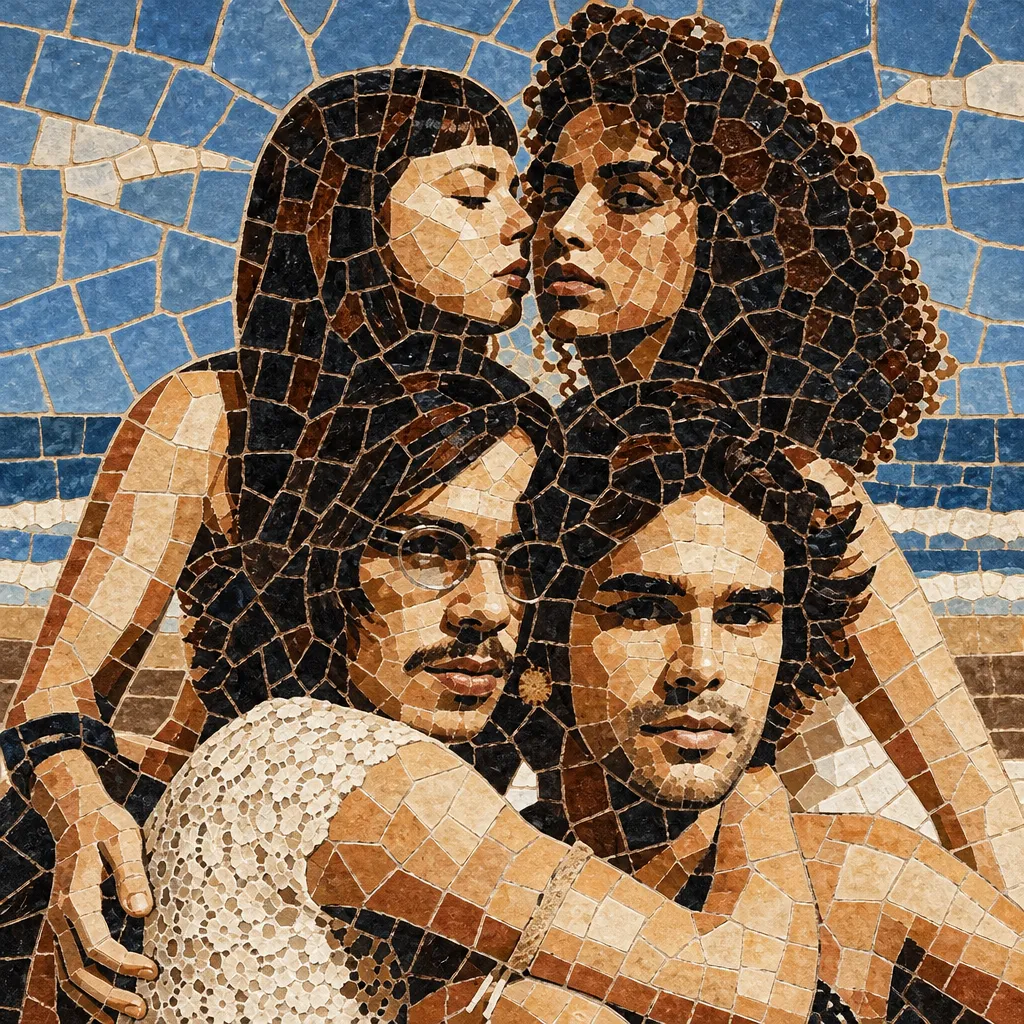
Nova MPB ("new Música Popular Brasileira") is a contemporary wave of Brazilian popular music that renews the classic MPB ethos with indie, electronic, neo‑soul, and modern pop production. Artists in this scene preserve the melodic richness, poetic lyricism, and rhythmic DNA of bossa nova and samba while embracing lo‑fi textures, synth pads, and intimate, close‑mic vocals. Compared to classic MPB, nova MPB tends to be more minimalist and bedroom‑studio friendly, favoring warm, analog‑leaning timbres and restrained grooves. Lyrics often blend romantic and introspective themes with snapshots of urban life, identity, and the everyday, delivered in Portuguese with a natural, conversational flow.
Discover
Listen
Indie Triste
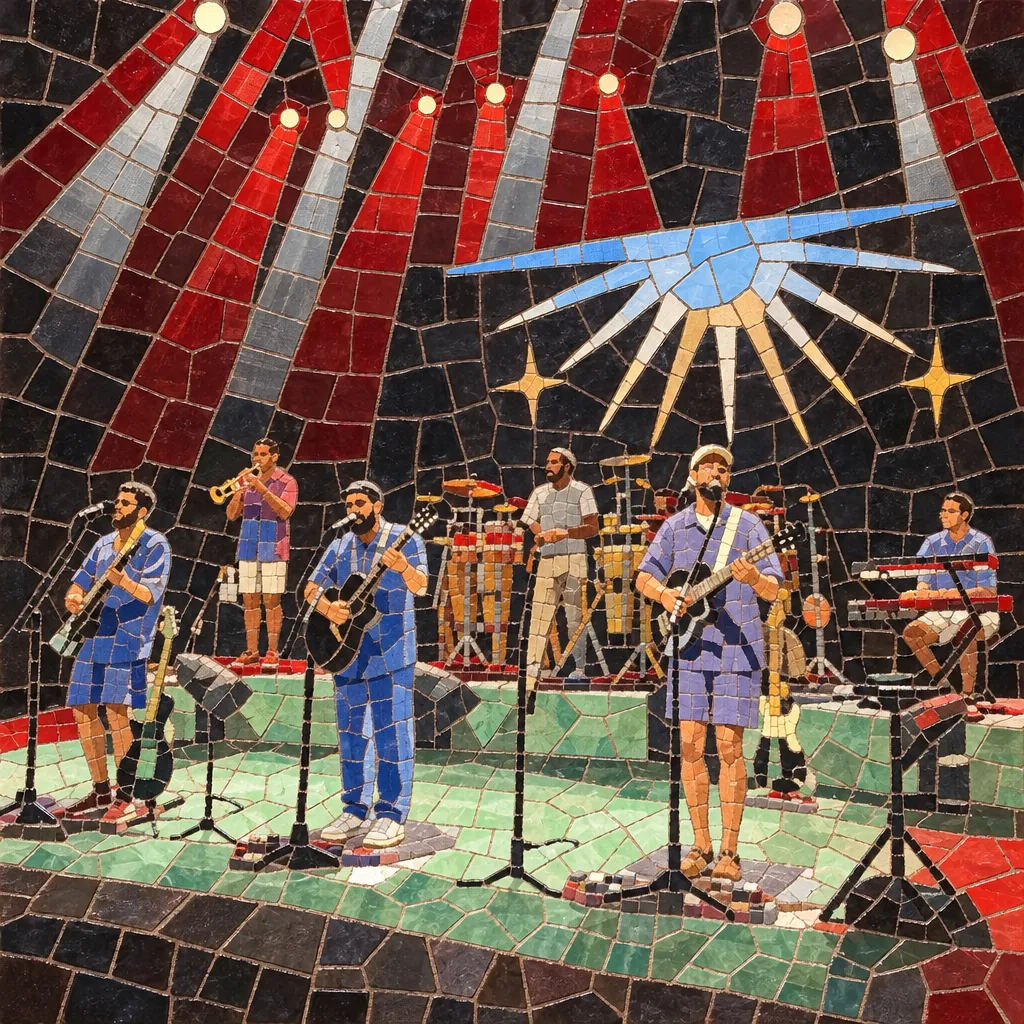
Indie triste ("sad indie") is a Spanish‑language micro‑scene of indie pop/folk that foregrounds intimate, melancholic songwriting and understated, bedroom‑made production. Its core sound blends soft acoustic guitars, gently pulsing rhythms, close‑mic’d vocals, and lo‑fi textures, often wrapped in reverb and tape‑like warmth. Thematically, the songs dwell on heartache, small‑town longing, fleeting youth, and late‑night introspection. While rooted in indie folk and singer‑songwriter traditions, the style embraces contemporary bedroom pop aesthetics and dream‑pop atmospheres, prioritizing mood and storytelling over virtuoso display.
Discover
Listen
Latin R&b
Latin R&B blends the smooth vocal stylings, harmony-rich chords, and intimate storytelling of contemporary R&B with the rhythms, language, and melodic sensibilities of the Latin world. Typical productions feature half‑time trap/R&B grooves, lush pads, electric pianos, 808 bass, and syncopated percussion that nods to dembow, bachata, or bolero. Sung largely in Spanish (often with Spanglish hooks), the genre centers on romance, desire, heartbreak, and late‑night introspection. Melisma, ad‑libs, and airy harmonies sit alongside minimalist beats, nylon‑string or clean electric guitar licks, and occasional samples from classic Latin styles. The result is a sensual, modern sound that bridges U.S. R&B aesthetics with Caribbean and Latin American rhythmic DNA.
Discover
Listen
New Mpb
New MPB (Nova Música Popular Brasileira in English usage) is a 2010s–2020s wave that refreshes classic MPB’s songwriting craft with indie, R&B, hip‑hop, and electronic production. It keeps the genre’s hallmark: sophisticated harmony, intimate vocals, and poetry‑forward lyrics in Portuguese. Sonically, you’ll hear nylon‑string guitars and Rhodes pianos beside drum machines, 808s, and warm synths. Rhythms nod to samba, bossa nova, baião, and funk carioca while embracing modern pop swing and hip‑hop backbeats. The result is stylish, urban, and contemporary—romantic and reflective, yet danceable and groove‑savvy.
Discover
Listen
Latin Alternative
Latin alternative is an umbrella term for genre-bending music made by Latin American and US Latino artists that sits outside mainstream Latin pop. It blends alternative and indie rock attitudes with Latin rhythmic vocabularies (cumbia, salsa, ska, reggae), hip hop, and electronic production. The style privileges experimentation, hybridity, and scene-driven authenticity rather than commercial formulas. Lyrics are often in Spanish (sometimes bilingual or Spanglish), and themes range from the personal and poetic to social and political commentary. The movement coalesced in the mid-to-late 1990s around U.S. media and festivals (e.g., LAMC), helping connect diverse scenes from Mexico, Argentina, Chile, Colombia, Puerto Rico, and beyond.
Discover
Listen
Latin Pop
Latin pop is mainstream pop music performed primarily in Spanish (and sometimes Portuguese) that blends contemporary pop songwriting with Latin American and Iberian rhythms, harmonies, and vocal stylings. It typically features verse–pre-chorus–chorus forms, catchy hooks, polished production, and a balance between rhythmic drive and romantic lyric themes. Classic Latin pop often leans on bolero- and ballad-informed melodies and soft-rock textures, while modern Latin pop readily incorporates dance-pop, electronic, and urbano elements (such as reggaeton-influenced grooves) without losing its sing-along pop core.
Discover
Listen
Nueva Canción
Nueva canción is a Latin American song movement that emerged in the 1960s, blending traditional folk forms with contemporary, socially engaged songwriting. It foregrounds poetic, politically conscious lyrics that address social justice, labor, indigenous rights, anti-imperialism, and everyday dignity. Musically, it draws on Andean and Southern Cone folk idioms—such as cueca, zamba, and chacarera—alongside pan-Latin ballad traditions. Typical instrumentation includes nylon-string guitar, charango, quena and zampoña (panpipes), bombo legüero, and rich vocal harmonies, often arranged for ensembles. The style’s melodic language favors modal inflections and singable, anthemic choruses designed for communal participation. While it became a continent-wide phenomenon, Chilean artists were especially pivotal in shaping its aesthetics and political ethos, with the movement later radiating into Argentina, Uruguay, and Spain.
Discover
Listen
Nueva Trova
Nueva trova is a Cuban singer‑songwriter movement that emerged in the late 1960s, blending the poetic intimacy of the island’s older trova tradition with socially conscious, often revolutionary, lyrics. It is typically guitar‑led and intimate, but can expand to small ensembles with subtle jazz‑inflected harmonies, echoing the filin (feeling) style and the romanticism of bolero while drawing rhythmic color from Cuban son and guajira. While aesthetically close to the broader Latin American nueva canción, nueva trova is distinctly Cuban in its idiom, metaphorical language, and engagement with post‑1959 cultural life.
Discover
Listen
Latin Folk
Latin folk is a broad umbrella for singer‑songwriter and ensemble music that draws on traditional folk forms from across Latin America while presenting them in contemporary, often acoustically driven arrangements. It emphasizes storytelling, social and poetic lyricism, and the timbres of regional instruments such as the guitar, charango, quena, zampoña, cuatro, and bombo legüero. Rhythmic cells are borrowed from pan‑regional traditions (chacarera, cueca, zamba, huayno, joropo, son, and others), yet songs are commonly shaped in accessible verse‑chorus structures. While its roots are centuries old, the modern genre coalesced during the mid‑20th‑century folk revival and the Nueva Canción movements, which linked ancestral sounds with contemporary concerns such as identity, justice, and cultural memory.
Discover
Listen
Cantautor
Cantautor refers to the Spanish-language singer‑songwriter tradition in which the performer is the primary author of both lyrics and music, often accompanying themselves on acoustic guitar or piano. The style foregrounds poetic, narrative, and socially engaged lyrics, delivered with an intimate vocal approach and simple, folk-leaning harmonies. While it overlaps with global singer‑songwriter currents, cantautor developed a distinct identity in Spain and Latin America through its connection to local poetry, vernacular folk idioms, and political expression during the 1960s–1980s.
Discover
Listen
Singer-Songwriter
Singer-songwriter is a song-focused style in which the same person writes, composes, and performs their own material, often accompanying themselves on acoustic guitar or piano. It emphasizes personal voice, lyrical intimacy, and storytelling over elaborate production. Arrangements are typically sparse, allowing the melody, words, and performance nuance to carry the song’s emotional weight. While rooted in folk and blues traditions, singer-songwriter embraces pop and rock songcraft, producing works that can range from quiet confessional ballads to subtly orchestrated, radio-ready pieces.
Discover
Listen
Latin Ballad
Latin ballad (balada romántica) is a sentimental, melodically rich style of Spanish-language popular song that evolved directly from the Cuban/Mexican bolero tradition. It emphasizes expressive vocals, lush harmonic progressions, and romantic narratives about love, heartbreak, longing, and reconciliation. The genre coalesced in the early 1960s in Los Angeles and Southern California, where Latin-American and Mexican-American songwriters, arrangers, and singers modernized bolero aesthetics with contemporary pop orchestration, crooner-style delivery, and studio production techniques. Typically set at slow-to-medium tempos, Latin ballads feature piano or nylon‑string guitar, warm string sections, and climactic modulations that heighten emotional impact.
Discover
Listen
Pop
Pop is a broad, hook-driven style of popular music designed for wide appeal. It emphasizes memorable melodies, concise song structures, polished vocals, and production intended for radio, charts, and mass media. While pop continually absorbs elements from other styles, its core remains singable choruses, accessible harmonies, and rhythmic clarity. Typical forms include verse–pre-chorus–chorus, frequent use of bridges and middle-eights, and ear-catching intros and outros. Pop is not defined by a single instrumentation. It flexibly incorporates acoustic and electric instruments, drum machines, synthesizers, and increasingly digital production techniques, always in service of the song and the hook.
Discover
Listen
Latin
Latin (as a genre label) is a broad umbrella used by the recording industry to categorize popular music rooted in Latin America, the Caribbean, and the Iberian world, often characterized by syncopated Afro-diasporic rhythms, dance-forward grooves, and lyrics primarily in Spanish or Portuguese. As a marketplace category that took shape in the mid-20th century United States, it gathers diverse traditions—Afro-Cuban, Brazilian, Mexican, and Caribbean styles—into a shared space. In practice, "Latin" spans everything from big-band mambo and bolero ballads to contemporary pop, rock, hip hop, and dance fusions produced by artists of Latin American heritage.
Discover
Listen
Trova
Trova is a Cuban singer‑songwriter tradition that emerged in the late 19th century, centered on itinerant guitar‑accompanied vocalists who composed and performed their own songs. Characterized by intimate, lyrical delivery and refined guitar accompaniment, trova blends Spanish poetic songcraft with Cuban rhythmic sensibilities (notably the habanera pulse). Themes commonly include love, longing, social observation, and patriotic sentiment, often presented in strophic forms suitable for serenades or small gatherings. The tradition laid the groundwork for Cuban bolero and later songwriter movements, preserving a focus on melody, poetic text, and expressive, ornamented vocal lines.
Discover
Listen
Candombe
Candombe is an Afro‑Uruguayan percussion tradition centered on the interplay of three barrel drums called tamboriles: chico (the high, time‑keeping drum), repique (the improvisatory, conversational drum), and piano (the deep, bass foundation). Played in a forward‑moving parade formation known as a cuerda de tambores, its groove is driven by a characteristic clave‑like timeline articulated on the shell (madera) and by the interlocking parts of the three drums. Beyond rhythm, candombe is a living cultural practice linked to Afro‑Uruguayan neighborhoods in Montevideo—especially Barrio Sur, Palermo, and Cordón—where comparsas (troupes) combine drummers, dancers, flag bearers, and emblematic characters (mamas viejas, gramilleros, and the escobero). While primarily percussive, modern song forms and fusions often add vocals, guitar, bass, and keyboards, projecting candombe into jazz, pop, and rock contexts while retaining its unmistakable swing and street‑parade energy.
Discover
Listen
Show all 18 genres
Albums
2025
2
/5
El fin y el medio
Jorge Drexler
Nueva Canción
Nueva Trova
Candombe
2024
2
/5
Derrumbe
Jorge Drexler
Nueva Canción
Nueva Trova
Candombe
2022
3
/5
Tinta y tiempo
Jorge Drexler
Nueva Canción
Nueva Trova
Latin Alternative
2022
2
/5
Cinturón Blanco
Jorge Drexler
Nueva Canción
2021
2
/5
La Guerrilla de la Concordia
Jorge Drexler
Nueva Canción
2017
4
/5
Salvavidas de hielo
Jorge Drexler
Nueva Canción
Nueva Trova
Candombe
2010
3
/5
Amar la trama
Jorge Drexler
Nueva Canción
Latin Pop
Pop
2006
3
/5
12 segundos de oscuridad
Jorge Drexler
Nueva Canción
2005
3
/5
Al otro lado del rio
Jorge Drexler
Nueva Canción
Nueva Trova
Trova
2005
4
/5
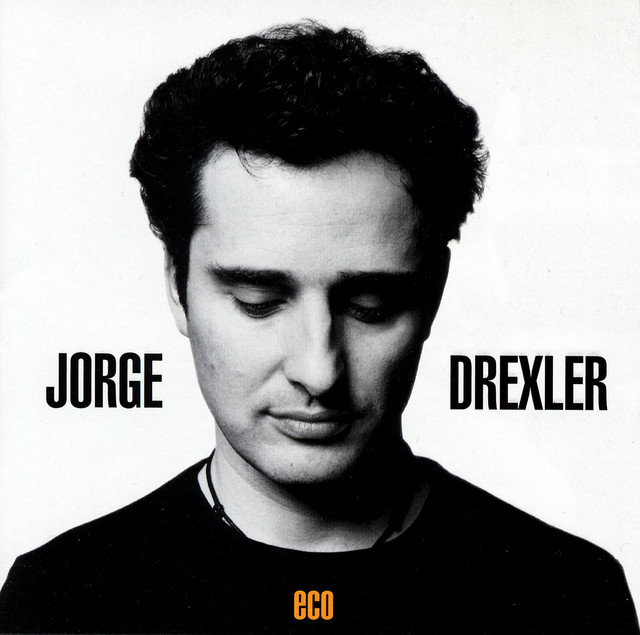
Eco
Jorge Drexler
Nueva Canción
Nueva Trova
Candombe
2000
4
/5
Sea
Jorge Drexler
Nueva Canción
Latin
Pop
1999
3
/5
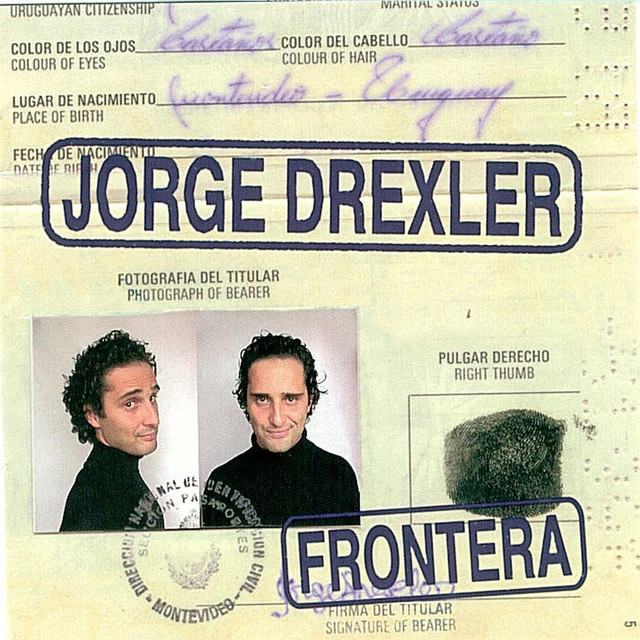
Frontera
Jorge Drexler
Nueva Canción
Similar artists
3
/5
Alfredo Zitarrosa
Milonga
Nueva Canción
Candombe
3
/5
Pablo Milanés
Nueva Trova
Trova
Nueva Canción
4
/5
Silvio Rodríguez
Nueva Trova
Trova
Singer-Songwriter
4
/5
Mercedes Sosa
Nueva Canción
Argentine Music
Nuevo Cancionero
3
/5
Luis Eduardo Aute
Nueva Canción
Nueva Trova
Nueva Canción Española
3
/5
Violeta Parra
Musica Nublensina
Chilean Music
Latin
4
/5
Joan Manuel Serrat
Nueva Canción Española
Nova Cançó
Nueva Trova
3
/5
Víctor Manuel
Nueva Canción
Nueva Trova
Nueva Canción Española
3
/5
Carlos Varela
Nueva Canción
Nueva Trova
Latin Folk
2
/5
Carlos Puebla Y Los Tradicionales
Nueva Trova
Son Cubano
Trova
Download our mobile app
Get the Melodigging app and start digging for new genres on the go
Download on the App Store
Get it on Google Play
© 2026 Melodigging
Give feedback
Legal
Melodding was created as a tribute to
Every Noise at Once
, which inspired us to help curious minds keep digging into music's ever-evolving genres.