Genres
Artists
Albums
Make Music
Sign in
Sign in
Artists
Nueva Canción
Artists
Nueva Canción
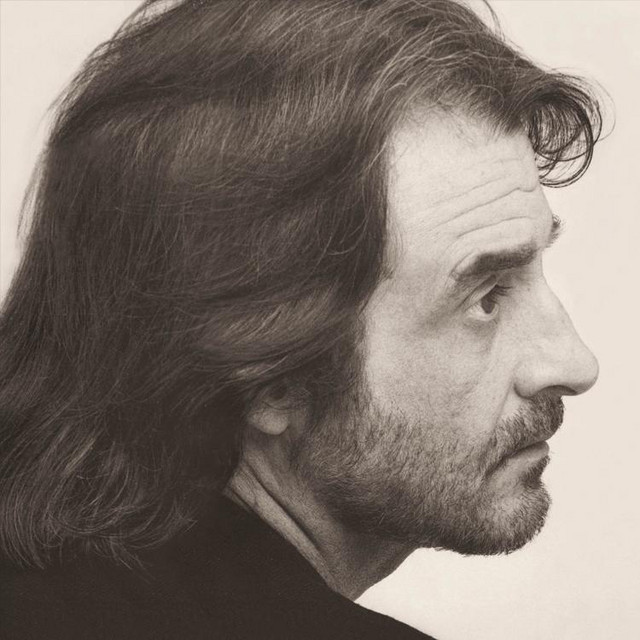
Luis Eduardo Aute
1967–2022
·
9 albums
Listen
3
/5
Genres
Nueva Canción
Nueva canción is a Latin American song movement that emerged in the 1960s, blending traditional folk forms with contemporary, socially engaged songwriting. It foregrounds poetic, politically conscious lyrics that address social justice, labor, indigenous rights, anti-imperialism, and everyday dignity. Musically, it draws on Andean and Southern Cone folk idioms—such as cueca, zamba, and chacarera—alongside pan-Latin ballad traditions. Typical instrumentation includes nylon-string guitar, charango, quena and zampoña (panpipes), bombo legüero, and rich vocal harmonies, often arranged for ensembles. The style’s melodic language favors modal inflections and singable, anthemic choruses designed for communal participation. While it became a continent-wide phenomenon, Chilean artists were especially pivotal in shaping its aesthetics and political ethos, with the movement later radiating into Argentina, Uruguay, and Spain.
Discover
Listen
Nueva Trova
Nueva trova is a Cuban singer‑songwriter movement that emerged in the late 1960s, blending the poetic intimacy of the island’s older trova tradition with socially conscious, often revolutionary, lyrics. It is typically guitar‑led and intimate, but can expand to small ensembles with subtle jazz‑inflected harmonies, echoing the filin (feeling) style and the romanticism of bolero while drawing rhythmic color from Cuban son and guajira. While aesthetically close to the broader Latin American nueva canción, nueva trova is distinctly Cuban in its idiom, metaphorical language, and engagement with post‑1959 cultural life.
Discover
Listen
Nueva Canción Española
Nueva canción española is the Spanish branch of the broader New Song movement that fused folk-rooted melodies with poetically charged, socially committed lyrics. Emerging under late Francoism, it used simple, guitar-led arrangements and regional languages (Castilian, Catalan, Basque, Galician) to express cultural identity and dissent. Stylistically it draws on Iberian folk and flamenco inflections, French and Italian songwriter traditions, and the global singer‑songwriter wave. The result is intimate, text-first songs that often set great poetry to music and turn concerts into collective acts of memory and resistance.
Discover
Listen
Latin Folk
Latin folk is a broad umbrella for singer‑songwriter and ensemble music that draws on traditional folk forms from across Latin America while presenting them in contemporary, often acoustically driven arrangements. It emphasizes storytelling, social and poetic lyricism, and the timbres of regional instruments such as the guitar, charango, quena, zampoña, cuatro, and bombo legüero. Rhythmic cells are borrowed from pan‑regional traditions (chacarera, cueca, zamba, huayno, joropo, son, and others), yet songs are commonly shaped in accessible verse‑chorus structures. While its roots are centuries old, the modern genre coalesced during the mid‑20th‑century folk revival and the Nueva Canción movements, which linked ancestral sounds with contemporary concerns such as identity, justice, and cultural memory.
Discover
Listen
Singer-Songwriter
Singer-songwriter is a song-focused style in which the same person writes, composes, and performs their own material, often accompanying themselves on acoustic guitar or piano. It emphasizes personal voice, lyrical intimacy, and storytelling over elaborate production. Arrangements are typically sparse, allowing the melody, words, and performance nuance to carry the song’s emotional weight. While rooted in folk and blues traditions, singer-songwriter embraces pop and rock songcraft, producing works that can range from quiet confessional ballads to subtly orchestrated, radio-ready pieces.
Discover
Listen
Pop
Pop is a broad, hook-driven style of popular music designed for wide appeal. It emphasizes memorable melodies, concise song structures, polished vocals, and production intended for radio, charts, and mass media. While pop continually absorbs elements from other styles, its core remains singable choruses, accessible harmonies, and rhythmic clarity. Typical forms include verse–pre-chorus–chorus, frequent use of bridges and middle-eights, and ear-catching intros and outros. Pop is not defined by a single instrumentation. It flexibly incorporates acoustic and electric instruments, drum machines, synthesizers, and increasingly digital production techniques, always in service of the song and the hook.
Discover
Listen
Rock
Rock is a broad family of popular music centered on amplified instruments, a strong backbeat, and song forms that foreground riffs, choruses, and anthemic hooks. Emerging from mid‑20th‑century American styles like rhythm & blues, country, and gospel-inflected rock and roll, rock quickly expanded in scope—absorbing folk, blues, and psychedelic ideas—while shaping global youth culture. Core sonic markers include electric guitar (often overdriven), electric bass, drum kit emphasizing beats 2 and 4, and emotive lead vocals. Rock songs commonly use verse–chorus structures, blues-derived harmony, and memorable melodic motifs, ranging from intimate ballads to high‑energy, stadium‑sized performances.
Discover
Listen
Latin
Latin (as a genre label) is a broad umbrella used by the recording industry to categorize popular music rooted in Latin America, the Caribbean, and the Iberian world, often characterized by syncopated Afro-diasporic rhythms, dance-forward grooves, and lyrics primarily in Spanish or Portuguese. As a marketplace category that took shape in the mid-20th century United States, it gathers diverse traditions—Afro-Cuban, Brazilian, Mexican, and Caribbean styles—into a shared space. In practice, "Latin" spans everything from big-band mambo and bolero ballads to contemporary pop, rock, hip hop, and dance fusions produced by artists of Latin American heritage.
Discover
Listen
Trova
Trova is a Cuban singer‑songwriter tradition that emerged in the late 19th century, centered on itinerant guitar‑accompanied vocalists who composed and performed their own songs. Characterized by intimate, lyrical delivery and refined guitar accompaniment, trova blends Spanish poetic songcraft with Cuban rhythmic sensibilities (notably the habanera pulse). Themes commonly include love, longing, social observation, and patriotic sentiment, often presented in strophic forms suitable for serenades or small gatherings. The tradition laid the groundwork for Cuban bolero and later songwriter movements, preserving a focus on melody, poetic text, and expressive, ornamented vocal lines.
Discover
Listen
Ballad
A ballad is a narrative song form that tells a story in simple, singable stanzas, traditionally using quatrains in ballad meter (alternating lines of iambic tetrameter and trimeter with an ABCB rhyme scheme). Ballads typically recount dramatic events—love, betrayal, tragedy, murder, the supernatural—or notable historical incidents. Early ballads were often sung unaccompanied or with minimal accompaniment, carried by memorable, modal melodies and refrains that aided oral transmission. Over time, the term also came to describe slow, sentimental popular songs in the 20th century, but the core of the genre remains the storytelling focus and strophic, easily learned structure. Ballads are central to the English- and Scots-language folk traditions, migrated to North America where they flourished in Appalachian singing, and continue to be performed, adapted, and reinterpreted in contemporary folk and roots scenes.
Discover
Listen
Show all 10 genres
Albums
2022
2
/5
Los Mejores Trovadores, Vol. 5
Luis Eduardo Aute
Nueva Canción
2022
3
/5
Los Mejores Trovadores, Vol. 6
Luis Eduardo Aute
Nueva Canción
Nueva Trova
2010
2
/5
Intemperie
Luis Eduardo Aute
Nueva Canción
1980
1
/5
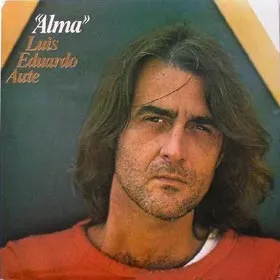
Alma
Luis Eduardo Aute
Nueva Canción Española
Pop
1978
2
/5
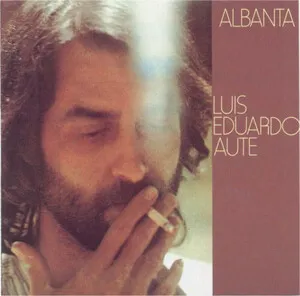
Albanta
Luis Eduardo Aute
Nueva Canción
Nueva Trova
Pop
1978
2
/5
Albanta
Luis Eduardo Aute
Nueva Canción Española
1974
1
/5
Rito
Luis Eduardo Aute
Nueva Canción Española
Nueva Canción
Ballad
1967
2
/5
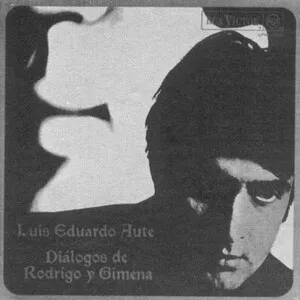
Diálogos de Rodrigo y Gimena
Luis Eduardo Aute
Nueva Canción Española
Latin
Pop
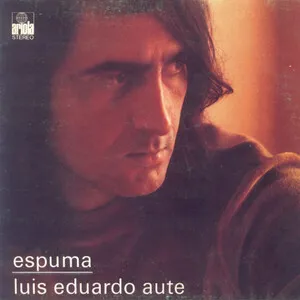
Espuma
Luis Eduardo Aute
Nueva Canción Española
Similar artists
4
/5
Joan Manuel Serrat
Nueva Canción Española
Nova Cançó
Nueva Trova
4
/5
Jorge Drexler
Nueva Canción
Candombe
Nueva Trova
3
/5
Pablo Milanés
Nueva Trova
Trova
Nueva Canción
3
/5
Víctor Manuel
Nueva Canción
Nueva Trova
Nueva Canción Española
4
/5
Joaquín Sabina
Nueva Trova
Trova
Pop
3
/5
Facundo Cabral
Folklore Argentino
Latin Folk
Nueva Trova
4
/5
Mercedes Sosa
Nueva Canción
Argentine Music
Nuevo Cancionero
4
/5
Silvio Rodríguez
Nueva Trova
Trova
Singer-Songwriter
3
/5
Victor Jara
Chilean Music
Nueva Canción
Nueva Canción Chilena
3
/5
Fernando Delgadillo
Trova Mexicana
Nueva Canción
Nueva Trova
Download our mobile app
Get the Melodigging app and start digging for new genres on the go
Download on the App Store
Get it on Google Play
© 2026 Melodigging
Give feedback
Legal
Melodding was created as a tribute to
Every Noise at Once
, which inspired us to help curious minds keep digging into music's ever-evolving genres.