Genres
Make Music
Artists
Albums
Challenges
Sign in
Sign in
Albums
By Jorge Drexler
Albums
By Jorge Drexler
El fin y el medio
September 15, 2025
Listen
2
/5
Genres
Latin Afrobeat
Latin Afrobeat is a contemporary fusion style that welds the polyrhythmic engine of West African Afrobeat with Latin American and Caribbean grooves. It often marries Afrobeat’s interlocking drum kit, shekere, and highlife‑style guitars with salsa/cumbia percussion sections, montuno piano figures, and bold horn arrangements. The result is a dance‑forward, big‑ensemble sound: long vamps, call‑and‑response vocals (frequently in Spanish or Portuguese), syncopated bass ostinati, and brass stabs—recorded with a warm, live, analog aesthetic. While it honors Fela Kuti’s Afrobeat blueprint, it colors that framework with Afro‑Cuban jazz harmony, salsa horn voicings, and coastal Colombia/Brazilian percussion idioms.
Discover
Listen
Nueva Canción
Nueva canción is a Latin American song movement that emerged in the 1960s, blending traditional folk forms with contemporary, socially engaged songwriting. It foregrounds poetic, politically conscious lyrics that address social justice, labor, indigenous rights, anti-imperialism, and everyday dignity. Musically, it draws on Andean and Southern Cone folk idioms—such as cueca, zamba, and chacarera—alongside pan-Latin ballad traditions. Typical instrumentation includes nylon-string guitar, charango, quena and zampoña (panpipes), bombo legüero, and rich vocal harmonies, often arranged for ensembles. The style’s melodic language favors modal inflections and singable, anthemic choruses designed for communal participation. While it became a continent-wide phenomenon, Chilean artists were especially pivotal in shaping its aesthetics and political ethos, with the movement later radiating into Argentina, Uruguay, and Spain.
Discover
Listen
Nueva Trova
Nueva trova is a Cuban singer‑songwriter movement that emerged in the late 1960s, blending the poetic intimacy of the island’s older trova tradition with socially conscious, often revolutionary, lyrics. It is typically guitar‑led and intimate, but can expand to small ensembles with subtle jazz‑inflected harmonies, echoing the filin (feeling) style and the romanticism of bolero while drawing rhythmic color from Cuban son and guajira. While aesthetically close to the broader Latin American nueva canción, nueva trova is distinctly Cuban in its idiom, metaphorical language, and engagement with post‑1959 cultural life.
Discover
Listen
Cantautor
Cantautor refers to the Spanish-language singer‑songwriter tradition in which the performer is the primary author of both lyrics and music, often accompanying themselves on acoustic guitar or piano. The style foregrounds poetic, narrative, and socially engaged lyrics, delivered with an intimate vocal approach and simple, folk-leaning harmonies. While it overlaps with global singer‑songwriter currents, cantautor developed a distinct identity in Spain and Latin America through its connection to local poetry, vernacular folk idioms, and political expression during the 1960s–1980s.
Discover
Listen
Trova
Trova is a Cuban singer‑songwriter tradition that emerged in the late 19th century, centered on itinerant guitar‑accompanied vocalists who composed and performed their own songs. Characterized by intimate, lyrical delivery and refined guitar accompaniment, trova blends Spanish poetic songcraft with Cuban rhythmic sensibilities (notably the habanera pulse). Themes commonly include love, longing, social observation, and patriotic sentiment, often presented in strophic forms suitable for serenades or small gatherings. The tradition laid the groundwork for Cuban bolero and later songwriter movements, preserving a focus on melody, poetic text, and expressive, ornamented vocal lines.
Discover
Listen
Candombe
Candombe is an Afro‑Uruguayan percussion tradition centered on the interplay of three barrel drums called tamboriles: chico (the high, time‑keeping drum), repique (the improvisatory, conversational drum), and piano (the deep, bass foundation). Played in a forward‑moving parade formation known as a cuerda de tambores, its groove is driven by a characteristic clave‑like timeline articulated on the shell (madera) and by the interlocking parts of the three drums. Beyond rhythm, candombe is a living cultural practice linked to Afro‑Uruguayan neighborhoods in Montevideo—especially Barrio Sur, Palermo, and Cordón—where comparsas (troupes) combine drummers, dancers, flag bearers, and emblematic characters (mamas viejas, gramilleros, and the escobero). While primarily percussive, modern song forms and fusions often add vocals, guitar, bass, and keyboards, projecting candombe into jazz, pop, and rock contexts while retaining its unmistakable swing and street‑parade energy.
Discover
Listen
Similar albums
2005
Al otro lado del rio
Jorge Drexler
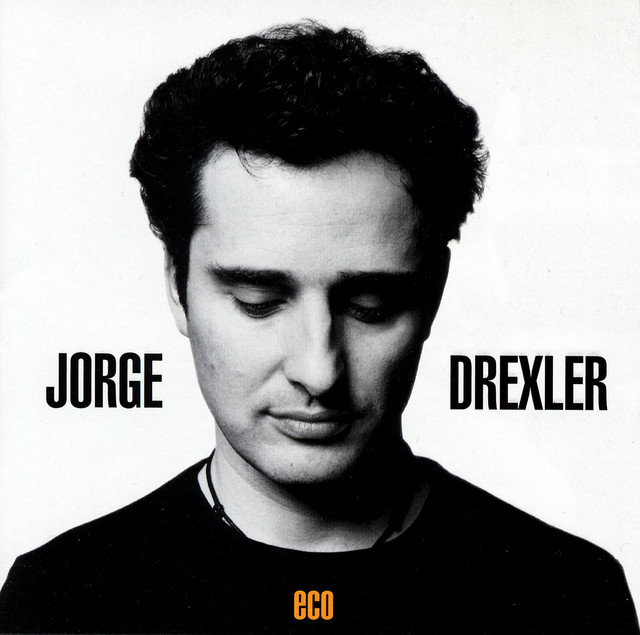
2005
Eco
Jorge Drexler
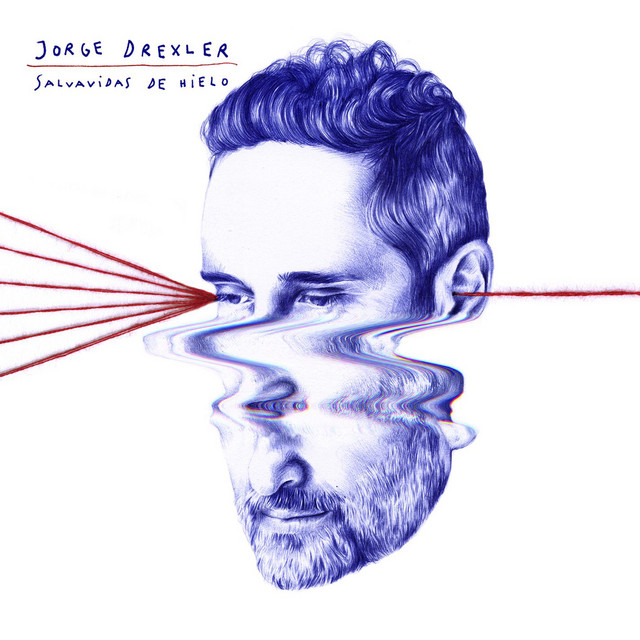
2017
Salvavidas de hielo
Jorge Drexler
2022
Tinta y tiempo
Jorge Drexler
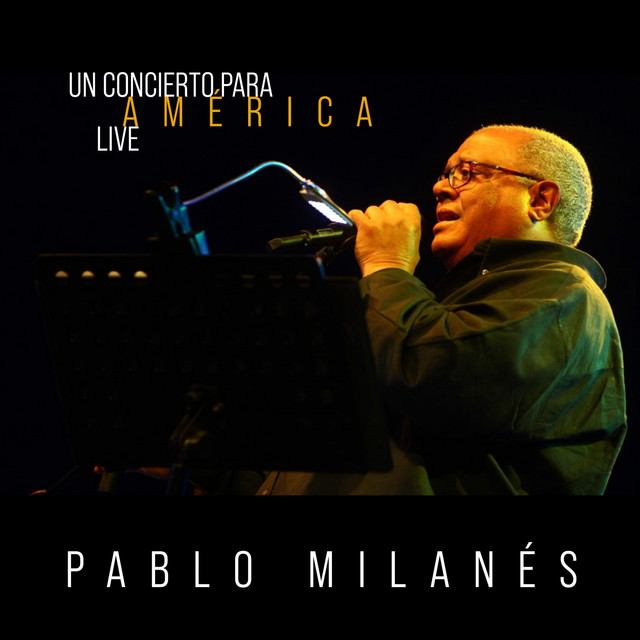
2012
Pablo Milanés: Un Concierto para América (Live)
Pablo Milanés
1971
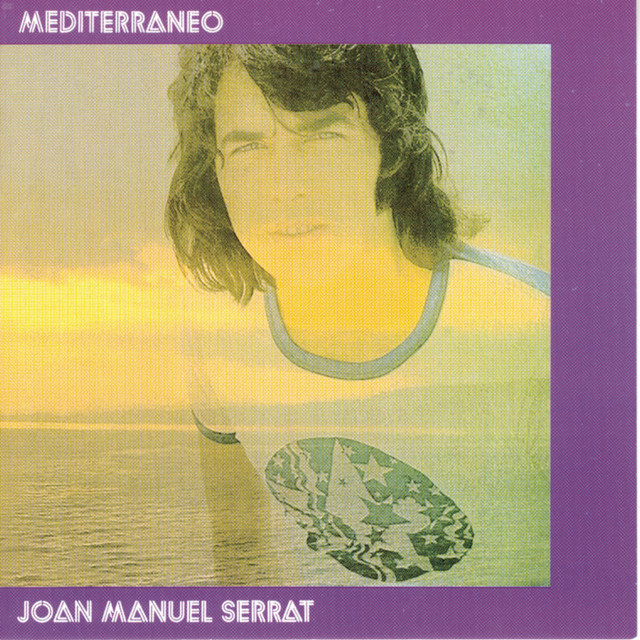
Mediterráneo
Joan Manuel Serrat
2013
Clima Humana
Sol y Lluvia
2024
Derrumbe
Jorge Drexler
1976
Pablo Milanés
Pablo Milanés
1975
Versos José Martí cantados por Pablo Milanés
Pablo Milanés
Download our mobile app
Get the Melodigging app and start digging for new genres on the go
Download on the App Store
Get it on Google Play
© 2026 Melodigging
Give feedback
Legal
Melodding was created as a tribute to
Every Noise at Once
, which inspired us to help curious minds keep digging into music's ever-evolving genres.