Genres
Make Music
Artists
Albums
Challenges
Sign in
Sign in
Albums
By Pablo Milanés
Albums
By Pablo Milanés
Versos José Martí cantados por Pablo Milanés
January 1, 1975
Listen
2
/5
Genres
Nueva Trova
Nueva trova is a Cuban singer‑songwriter movement that emerged in the late 1960s, blending the poetic intimacy of the island’s older trova tradition with socially conscious, often revolutionary, lyrics. It is typically guitar‑led and intimate, but can expand to small ensembles with subtle jazz‑inflected harmonies, echoing the filin (feeling) style and the romanticism of bolero while drawing rhythmic color from Cuban son and guajira. While aesthetically close to the broader Latin American nueva canción, nueva trova is distinctly Cuban in its idiom, metaphorical language, and engagement with post‑1959 cultural life.
Discover
Listen
Nueva Canción Latinoamericana
Nueva canción latinoamericana is a socially engaged song movement that revitalized Latin American folk traditions to address contemporary political and cultural realities. It blends rural and indigenous folk rhythms with modern, singer‑songwriter poetry, using acoustic instruments such as guitar, charango, quena, and bombo legüero. Lyrics foreground social justice, anti‑imperialism, labor struggle, indigenous rights, and national identity, often delivered in clear, declamatory melodies that invite communal singing. The result is music that is both rooted in local traditions and explicitly modern in its political consciousness.
Discover
Listen
Nueva Canción
Nueva canción is a Latin American song movement that emerged in the 1960s, blending traditional folk forms with contemporary, socially engaged songwriting. It foregrounds poetic, politically conscious lyrics that address social justice, labor, indigenous rights, anti-imperialism, and everyday dignity. Musically, it draws on Andean and Southern Cone folk idioms—such as cueca, zamba, and chacarera—alongside pan-Latin ballad traditions. Typical instrumentation includes nylon-string guitar, charango, quena and zampoña (panpipes), bombo legüero, and rich vocal harmonies, often arranged for ensembles. The style’s melodic language favors modal inflections and singable, anthemic choruses designed for communal participation. While it became a continent-wide phenomenon, Chilean artists were especially pivotal in shaping its aesthetics and political ethos, with the movement later radiating into Argentina, Uruguay, and Spain.
Discover
Listen
Trova
Trova is a Cuban singer‑songwriter tradition that emerged in the late 19th century, centered on itinerant guitar‑accompanied vocalists who composed and performed their own songs. Characterized by intimate, lyrical delivery and refined guitar accompaniment, trova blends Spanish poetic songcraft with Cuban rhythmic sensibilities (notably the habanera pulse). Themes commonly include love, longing, social observation, and patriotic sentiment, often presented in strophic forms suitable for serenades or small gatherings. The tradition laid the groundwork for Cuban bolero and later songwriter movements, preserving a focus on melody, poetic text, and expressive, ornamented vocal lines.
Discover
Listen
Cuban Music
Cuban music is the rich, syncretic musical tradition of Cuba, shaped by the meeting of Spanish/European song forms and West/Central African rhythms. Its heartbeat is the clave—a two-measure rhythmic cell (3–2 or 2–3) that organizes percussion, melody, and harmony across styles. From the contradanza and habanera of the 19th century to danzón, rumba, and son cubano in the early 20th century—and later mambo, cha-cha-chá, nueva trova, songo, and timba—Cuban music has continually reinvented itself while retaining its core Afro‑Cuban rhythmic language. Typical instruments include the tres (Cuban guitar), bongó, congas, timbales, güiro, maracas, cowbell, bass, piano (playing guajeos/montunos), and bright horn sections. Beyond the island, Cuban music has profoundly influenced global popular music—fueling the rise of salsa and Latin jazz and reshaping dance music worldwide—while continuing to honor deep connections to Yoruba/Lukumí religious drumming and Spanish lyrical traditions.
Discover
Listen
Similar albums
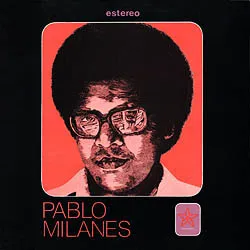
1976
Pablo Milanés
Pablo Milanés
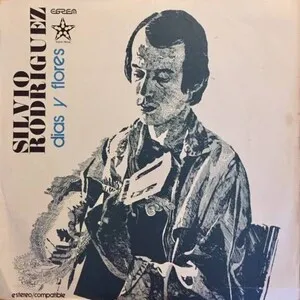
1975
Días y flores
Silvio Rodríguez
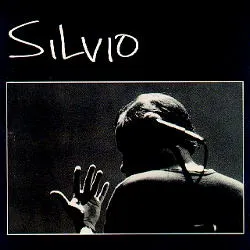
1992
Silvio
Silvio Rodríguez
1978
Mujeres
Silvio Rodríguez
1980
Rabo de nube
Silvio Rodríguez
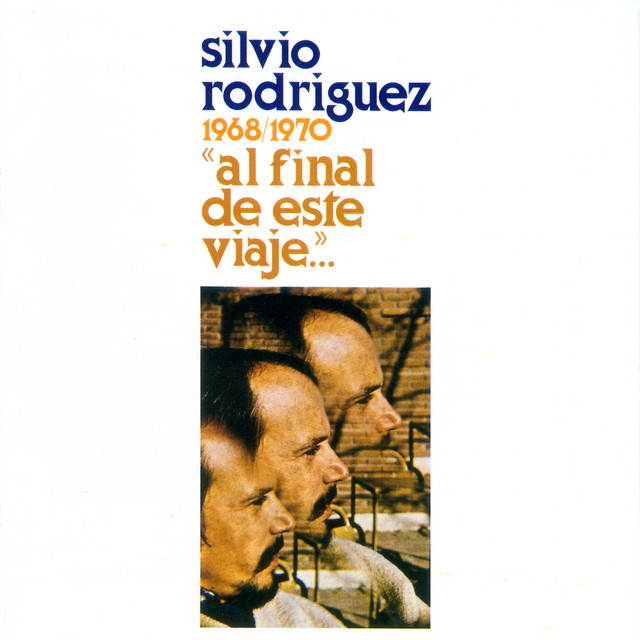
1978
"Al final de este viaje..."
Silvio Rodríguez
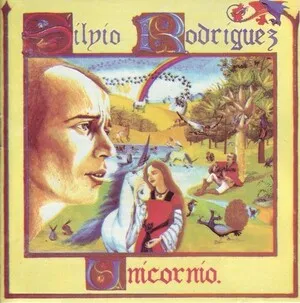
1982
Unicornio
Silvio Rodríguez
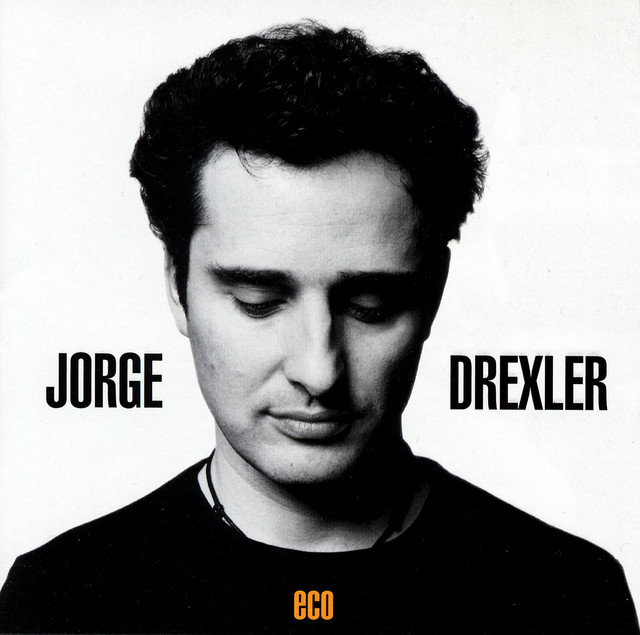
2005
Eco
Jorge Drexler
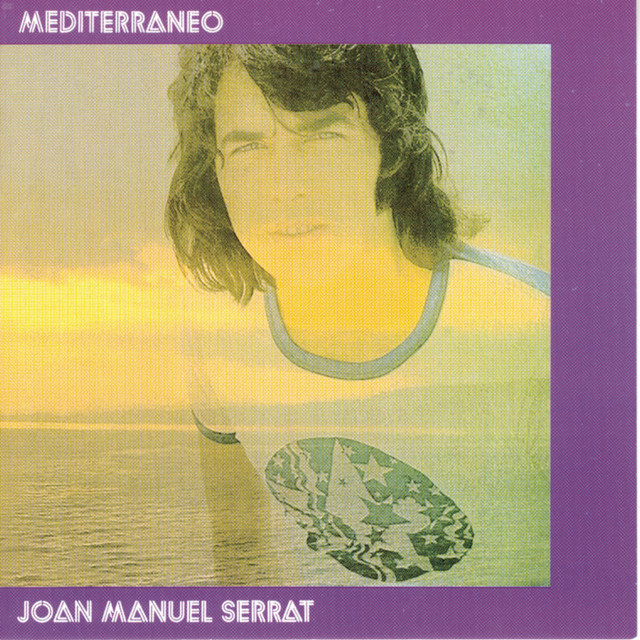
1971
Mediterráneo
Joan Manuel Serrat
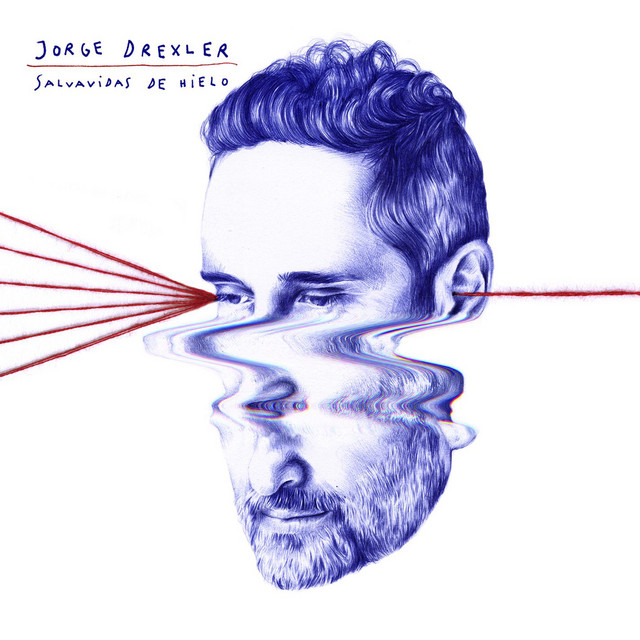
2017
Salvavidas de hielo
Jorge Drexler
Download our mobile app
Get the Melodigging app and start digging for new genres on the go
Download on the App Store
Get it on Google Play
© 2026 Melodigging
Give feedback
Legal
Melodding was created as a tribute to
Every Noise at Once
, which inspired us to help curious minds keep digging into music's ever-evolving genres.